Pellagra: Definition, Symptoms & Treatment
Understanding pellagra: A rare niacin deficiency disease with treatable symptoms.
Pellagra: Understanding a Rare Nutritional Disease
Pellagra is a systemic disease caused by a severe deficiency of niacin, also known as vitamin B3 or nicotinic acid. This condition affects the entire body and can eventually lead to serious complications if left untreated. While rare in developed nations today, pellagra remains an important clinical consideration, particularly in populations with limited nutritional access or specific risk factors such as chronic alcoholism, malabsorption disorders, or certain dietary patterns.
The disease manifestation is directly related to niacin’s critical role in cellular energy metabolism. Niacin is essential for the production of nicotinamide adenine dinucleotide (NAD), a coenzyme that provides fuel to cells throughout the body. When niacin levels become severely depleted, the body systems with the highest energy requirements suffer first—particularly the skin, gastrointestinal tract lining, and nervous system.
What Causes Pellagra?
Pellagra develops when the body fails to obtain or properly utilize sufficient niacin and its precursor, tryptophan. The primary causes include:
- Inadequate dietary intake: Historically, pellagra was common among populations consuming corn-based diets, particularly when the corn was not properly treated with alkali, which is necessary to release bound niacin.
- Malabsorption conditions: Diseases affecting the gastrointestinal tract can prevent proper absorption of niacin and other nutrients.
- Chronic alcoholism: Alcohol interferes with niacin absorption and storage while increasing nutritional losses, making this a significant risk factor for pellagra development.
- Certain medications: Some drugs can interfere with niacin metabolism or absorption.
- Drug-induced causes: Some medications and medical treatments can deplete niacin stores or prevent its utilization.
Recognizing the Symptoms: The “4 Ds”
Healthcare providers traditionally describe classic pellagra using a memorable framework: the “4 Ds.” This mnemonic helps clinicians recognize the disease pattern and includes diarrhea, dermatitis, dementia, and death if untreated.
Diarrhea
Gastrointestinal symptoms represent one of the earliest manifestations of pellagra. The mucous lining of the digestive tract, with its high cell turnover rate, becomes depleted of energy resources without adequate niacin. This results in chronic diarrhea that can be severe and persistent, potentially leading to further malnutrition and electrolyte imbalances.
Dermatitis
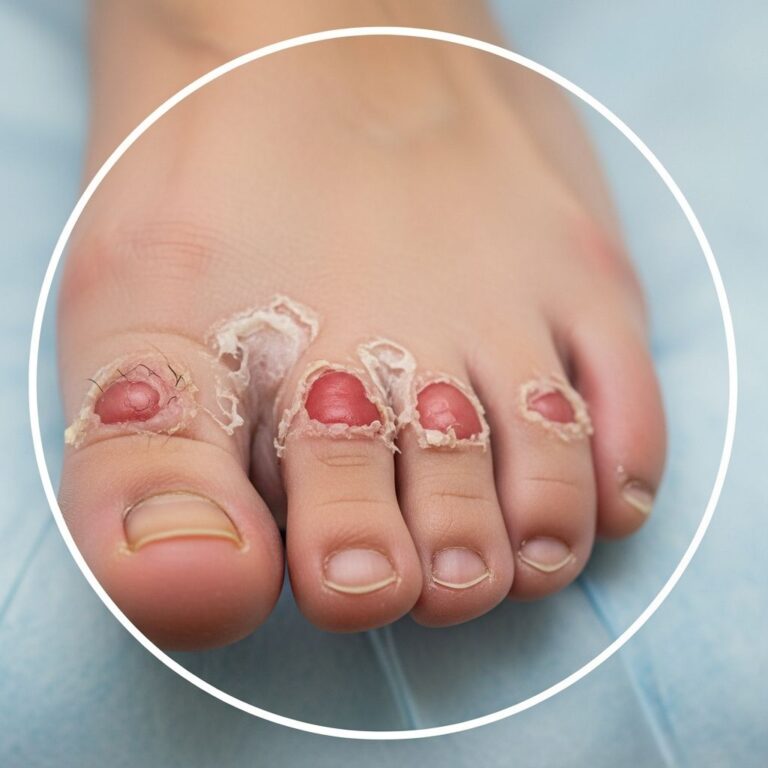
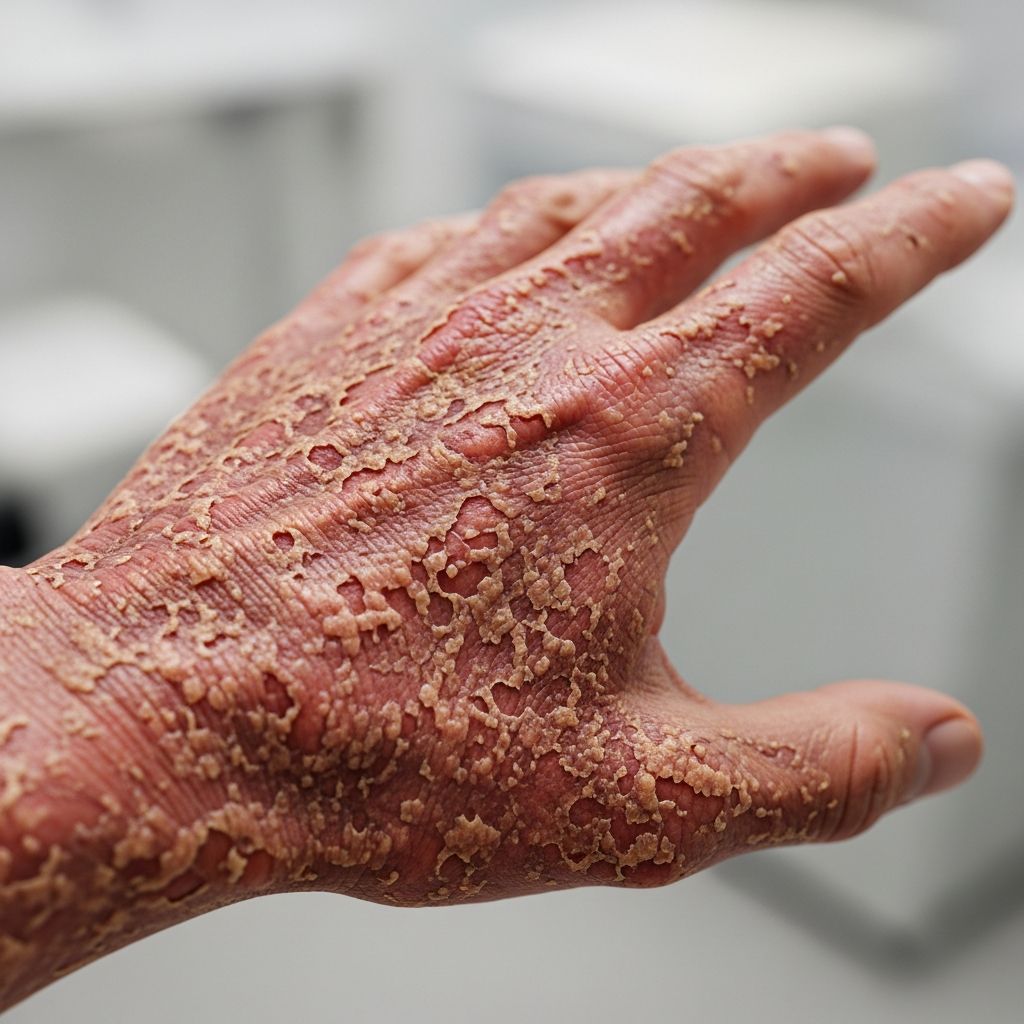
The skin manifestations of pellagra are distinctive and often the most visible signs of the disease. The dermatitis typically affects sun-exposed areas of the body, including the face, neck, arms, legs, hands, and feet. This occurs because niacin-deprived skin cells become hypersensitive to ultraviolet radiation.
The skin lesions follow a characteristic progression: they begin as erythematous (red) patches resembling a sunburn, then progress to rough, scaly, hyperpigmented plaques. Unlike a true sunburn, these lesions don’t fade but instead become darker and more pronounced over time. Sharply demarcated hyperpigmented areas on the arms and legs create distinctive patterns known as the “glove” and “boot” of pellagra, referring to the distribution pattern on the hands and feet.
A telltale feature observed in up to 76% of pellagra patients is the Casal’s collar (also called the Casal necklace), a characteristic dark, hyperpigmented eruption forming a distinctive collar around the neck in the C3-C4 region. This feature was first identified by Spanish physician Don Gaspar Casal in 1735 when he recognized pellagra among Spanish peasants. The name “Casal’s collar” honors this important historical observation.
Related Stories



As pellagra progresses, skin lesions become harder and more brittle—in fact, the term “pellagra” literally means “rough skin” in Italian, derived from “pelle” (skin) and “agra” (rough).
Dementia
Neuropsychiatric symptoms represent the most serious aspect of untreated pellagra. The brain’s high metabolic demands make it particularly vulnerable to niacin deficiency. Dementia develops progressively, beginning with apprehension and confusion and potentially advancing to severe mental derangement with behavioral disturbances.
Death
Without treatment, pellagra can progress to fatal outcomes within five years. This sobering reality underscores the importance of early recognition and intervention.
Understanding Pellagra Prevalence
Pellagra is now rare in the United States, with rates lower than 1% in the general population. This dramatic reduction from the early 20th century, when pellagra was endemic in certain populations, resulted from widespread food fortification with niacin and improved nutritional diversity. However, cases still occur in specific populations, particularly among individuals with chronic alcohol use disorder, those with severe malabsorption conditions, and in regions with limited food access.
How Is Pellagra Diagnosed?
Clinical diagnosis of pellagra typically begins with recognizing the characteristic skin findings combined with gastrointestinal symptoms and neuropsychiatric manifestations. However, diagnosis can be complicated by several factors:
- Skin lesions may be minimal or absent if the skin has not been exposed to sunlight or minor trauma
- Other conditions may initially be suspected, such as atopic dermatitis or other nutritional deficiencies
- The constellation of symptoms must be considered together for accurate diagnosis
Definitive diagnosis is confirmed through laboratory testing that reveals significantly diminished levels of niacin and related metabolites in the bloodstream. Additional testing may include assessment of other nutritional parameters and evaluation of underlying conditions that may have contributed to the deficiency, such as HIV status, hepatitis screening, or assessment of gastrointestinal absorption capacity.
Treatment Approaches for Pellagra
The treatment of pellagra is straightforward in principle but requires comprehensive management: replace the missing niacin and address underlying causes.
Niacin Supplementation
Since pellagra is fundamentally a vitamin deficiency disease, niacin supplementation is the cornerstone of treatment. Most patients begin to improve rapidly once supplementation begins. The preferred form is nicotinamide (also called niacinamide) at doses of 250-500 mg daily, rather than niacin itself, because niacin can cause uncomfortable vasomotor effects such as flushing and tingling.
The dramatic response to niacin therapy is one of the most rewarding aspects of pellagra treatment, as patients often experience remarkable improvement in both dermatological and gastrointestinal symptoms within days to weeks of starting appropriate supplementation.
Comprehensive Nutritional Support
Beyond niacin supplementation alone, comprehensive treatment includes:
- Caloric supplementation: Addressing the malnutrition that typically accompanies pellagra
- Other B vitamins: Supporting overall metabolic function and addressing potential concurrent deficiencies
- Zinc and magnesium: These minerals are often depleted in malnutrition and essential for immune and metabolic function
- Balanced diet: Ensuring adequate ongoing intake of niacin and other essential nutrients
Symptomatic Treatment
Beyond addressing the underlying niacin deficiency, specific symptoms may require additional management:
- Skin sores and mouth sores may need topical or supportive care
- Gastrointestinal symptoms may require supportive measures while niacin levels are being restored
- Dermatological manifestations typically resolve as niacin levels normalize
Addressing Underlying Conditions
If pellagra was caused by or is associated with a pre-existing health condition, that condition requires treatment as well. This might include:
- Treatment of malabsorption disorders
- Management of chronic alcoholism and addiction counseling
- Adjustment or discontinuation of medications that interfere with niacin metabolism
- Treatment of any infectious or systemic diseases contributing to malnutrition
Clinical Importance and Multidisciplinary Care
Recognition of pellagra requires awareness from healthcare providers across multiple specialties. A comprehensive approach often involves collaboration between dermatology specialists who recognize the characteristic skin findings, gastroenterology specialists managing gastrointestinal manifestations, psychiatry or neurology addressing neuropsychiatric symptoms, nutritionists ensuring adequate dietary support, and addiction specialists when appropriate. This multidisciplinary approach ensures that both immediate symptoms and underlying causes are effectively addressed, optimizing patient outcomes and preventing disease progression.
Frequently Asked Questions About Pellagra
Q: Is pellagra contagious?
A: No, pellagra is not contagious. It is a nutritional deficiency disease caused by inadequate niacin intake or absorption, not by an infectious agent.
Q: Can pellagra be prevented?
A: Yes, pellagra can be prevented through adequate dietary intake of niacin-rich foods, which are widely available and included in fortified grains in developed countries. Food fortification programs have been highly effective in preventing pellagra in populations where they are implemented.
Q: How quickly do symptoms improve with treatment?
A: Most patients begin to improve right away with niacin supplementation. Gastrointestinal symptoms often improve within days, while skin manifestations and neuropsychiatric symptoms may take weeks to resolve completely.
Q: Are there any side effects from niacin supplementation?
A: Niacin can cause flushing, tingling, and other vasomotor effects. This is why nicotinamide is preferred for treatment. At therapeutic doses used to treat pellagra, side effects are generally manageable.
Q: What is the long-term prognosis for pellagra patients?
A: With prompt recognition and appropriate treatment, the prognosis for pellagra is excellent. Most patients recover fully when niacin supplementation is started early. Long-term outcomes depend on addressing underlying causes and ensuring continued adequate nutrition.
Q: Are certain populations at higher risk for pellagra?
A: Yes, individuals with chronic alcoholism, those with malabsorption disorders, people on certain medications, and those with limited access to diverse foods are at increased risk for pellagra development.
References
- A Rare Case of Pellagra in a Chronic Alcoholic — National Institutes of Health, National Center for Biotechnology Information. 2023. https://pmc.ncbi.nlm.nih.gov/articles/PMC10683836/
- Pellagra: Definition, Symptoms & Treatment — Cleveland Clinic. 2024. https://my.clevelandclinic.org/health/diseases/23905-pellagra
- Pellagra and its Prevention and Control in Major Emergencies — Centers for Disease Control and Prevention, World Health Organization. https://www.cdc.gov/immigrant-refugee-health/media/pdfs/Pellagra-WHO.pdf
- Skin Findings Associated with Nutritional Deficiencies — Cleveland Clinic Journal of Medicine. 2014. https://www.ccjm.org/content/83/10/731
- Pellagra — MedlinePlus Medical Encyclopedia, U.S. National Library of Medicine. https://medlineplus.gov/ency/article/000342.htm
- Pellagra — Britannica Educational Encyclopedia. https://www.britannica.com/science/pellagra
Similar Articles








Read full bio of Sneha Tete