Pelvic Floor Exercises For Painful Sex: Effective Relief Tips
Discover how targeted pelvic floor exercises can alleviate painful sex, boost arousal, and enhance overall sexual satisfaction for women.
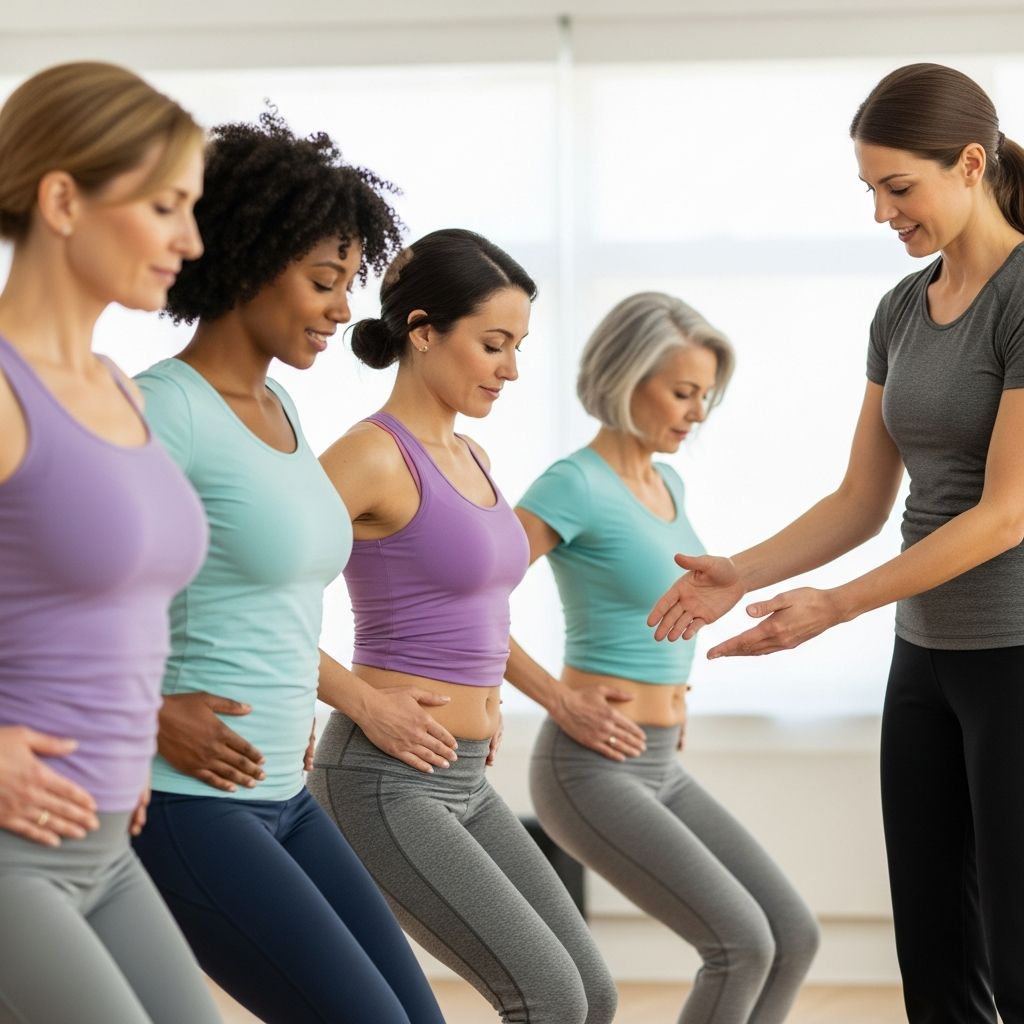
Painful sex, medically known as dyspareunia, affects millions of women and can stem from pelvic floor muscle dysfunction. Strengthening or relaxing these muscles through targeted exercises like Kegels can significantly improve sexual comfort, arousal, lubrication, orgasm, and satisfaction.
What Are Pelvic Floor Muscles?
The pelvic floor muscles form a hammock-like structure at the base of the pelvis, supporting organs like the bladder, uterus, and rectum. Key muscles include the levator ani (pubococcygeus and iliococcygeus), bulbocavernosus, and ischiocavernosus, which play direct roles in sexual function by regulating contractions during arousal, penetration, and orgasm.
These muscles enhance blood flow to the clitoris and vagina, increase lubrication, heighten sensitivity, and intensify orgasmic contractions. Weakness (hypotonia) leads to reduced sensation and incontinence during sex, while excessive tightness (hypertonicity) causes pain and penetration difficulties.
How Pelvic Floor Dysfunction Causes Painful Sex
Pelvic floor dysfunction disrupts normal sexual responses. Common issues include:
- Hypertonicity (overly tight muscles): Prevents relaxation, causing vaginal tightness, dryness, and sharp pain during penetration.
- Hypotonia (weak muscles): Results in poor organ support, decreased clitoral blood flow, weak orgasms, and urinary leakage.
- Pelvic organ prolapse: Weak support shifts organs, leading to pressure or discomfort during intimacy.
- Incontinence: Leakage embarrasses and discourages sexual activity.
Factors like vaginal childbirth, constipation, hormonal changes, stress, and high-intensity exercise weaken or overtense these muscles. Constant straining damages the pudendal nerve, while prolonged contraction from intense training leads to dysfunction.
Benefits of Pelvic Floor Exercises for Sexual Health
Regular pelvic floor exercises improve sexual function across multiple domains. A study on reproductive-age women showed significant gains in desire, arousal, lubrication, orgasm, satisfaction, and reduced pain after three months of training.
- Increased arousal and lubrication: Enhanced muscle control boosts pelvic blood flow and vaginal flexibility.
- Stronger orgasms: Better involuntary contractions heighten intensity; orgasm scores rose significantly post-training (P < .001).
- Pain reduction: Pain scores improved monthly, with major gains by month three (F = 109.461, P < .001).
- Higher satisfaction: Effects on satisfaction appeared rapidly, within the first month.
For men, similar exercises combat erectile dysfunction and premature ejaculation by optimizing blood flow and muscle coordination.
How to Identify Pelvic Floor Dysfunction
Signs during sex include persistent pain, difficulty with penetration, numbness, weak orgasms, or leakage. Non-sexual symptoms: urinary urgency, incontinence, constipation, or lower back pain.
To self-assess:
- Try stopping urine mid-flow—if challenging, muscles may be weak.
- Notice if muscles feel constantly tense or fail to relax post-contraction.
Consult a doctor if pain persists, as it may indicate infections, endometriosis, or prolapse.
Pelvic Floor Exercises to Relieve Painful Sex
Exercises target both strengthening weak muscles and relaxing tight ones. Start with 10-15 minutes daily; consistency yields results in 4-12 weeks.
Basic Kegel Exercises (for Weak Muscles)
Identified by Dr. Arnold Kegel, these contract the pelvic floor.
Related Stories



- Find the muscles: Insert a clean finger vaginally; squeeze as if holding urine. Front wall tightens.
- Quick contractions: Squeeze and release 10 times rapidly. Rest 10 seconds. Repeat 3 sets.
- Sustained holds: Contract for 5-10 seconds, relax equally. Build to 10 seconds. 10 reps, 3 sets.
- Elevator Kegels: Imagine an elevator rising floor-by-floor: gradual squeeze to max, then descend slowly.
Avoid tightening abs, thighs, or buttocks. Breathe normally.
Relaxation Exercises (for Tight Muscles)
Hypertonicity requires release before strengthening.
- Diaphragmatic breathing: Lie down, hand on belly. Inhale deeply (belly rises), exhale slowly, visualizing pelvic floor dropping. 5-10 minutes daily.
- Happy Baby pose: Lie on back, knees to chest, grab feet. Gently rock side-to-side. Hold 1 minute.
- Child’s pose: Kneel, fold forward, arms extended. Breathe into pelvis. 2 minutes.
- Reverse Kegels: Gently push out as if passing gas or birthing. Hold 5 seconds, release. 10 reps.
Advanced Techniques
Biofeedback: Devices or apps measure contractions for precision.
Weighted exercises: Use vaginal cones or balls, starting light (consult therapist).
Incorporate into sex: Contract rhythmically during arousal; relax fully for penetration.
Pelvic Floor Physical Therapy
A pelvic floor therapist assesses via internal exam, ultrasound, or biofeedback, tailoring a plan.
Benefits:
- Addresses root causes holistically, unlike medications.
- Combines stretches, strengthening, and whole-body work (hips, core).
- Improves ED, ejaculation control, and satisfaction per 2025 research.
Virtual options like Hinge Health offer guided programs.
Additional Tips for Pain-Free Sex
| Strategy | How It Helps |
|---|---|
| Use lubricant | Reduces friction for tight muscles. |
| Foreplay extension | Boosts natural arousal and relaxation. |
| Positions: Woman on top or side-lying | Allows depth control. |
| Mindfulness/Stress reduction | Lowers tension contributing to hypertonicity. |
| Manage constipation | Prevents straining damage. |
When to See a Professional
Seek help if self-exercises fail after 6 weeks, pain worsens, or accompanies bleeding/heaviness. Rule out endometriosis, infections, or prolapse.
Pelvic PT is first-line for dysfunction; gynecologists or urologists refer.
Frequently Asked Questions (FAQs)
Can pelvic floor exercises really cure painful sex?
Yes, studies show significant improvements in pain, arousal, and orgasm after regular training, especially for muscle-related dyspareunia.
How long until I see results?
Satisfaction may improve in 1 month; full benefits like stronger orgasms take 3 months.
Are Kegels safe for everyone?
Not if muscles are too tight—start with relaxation. Consult a therapist for assessment.
Do these help men too?
Absolutely: Improves erections, delays ejaculation, enhances satisfaction.
What’s the difference between weak and tight pelvic floor?
Weak: Leaking, weak orgasms. Tight: Pain, can’t relax for penetration.
Conclusion
Pelvic floor exercises empower women to reclaim pain-free, pleasurable sex. Combine with therapy for optimal results, transforming intimacy and confidence.
References
- The effect of pelvic floor muscle exercise on sexual function in women — NIH/PMC. 2024. https://pmc.ncbi.nlm.nih.gov/articles/PMC12440505/
- The Link Between Pelvic Floor Health and Sexual Function — Contemporary Women’s Health PC. 2023. https://contemporarywomenshealthpc.com/posts/news/the-link-between-pelvic-floor-health-and-sexual-function/
- If You Love Your Penis, You Need To Do Pelvic Floor Therapy — Men’s Health. 2025. https://www.menshealth.com/sex-women/a64637246/pelvic-floor-strength-sexual-benefits/
- Pelvic Floor Pain: Causes, Treatment, Exercises — Hinge Health. 2024. https://www.hingehealth.com/de/de/resources/articles/understanding-pelvic-floor-pain/
- Kegels: 30-sec exercise for incontinence, sex — UChicago Medicine. 2019. https://www.uchicagomedicine.org/forefront/womens-health-articles/2019/october/kegels-the-30-second-exercise-that-can-improve-incontinence-and-sex
Similar Articles








Read full bio of Sneha Tete