Pelvic Floor Muscles: Anatomy, Function & Conditions
Complete guide to pelvic floor muscles: anatomy, function, dysfunction, and effective treatment options.
Understanding Your Pelvic Floor Muscles
Your pelvic floor muscles are a group of essential muscles that form the foundation of your core and play a critical role in maintaining overall health and quality of life. These muscles, often overlooked in everyday conversation, support vital organs and assist with fundamental bodily functions. Understanding their anatomy, function, and potential issues can help you take proactive steps toward better health and prevent complications down the road.
What Are Pelvic Floor Muscles?
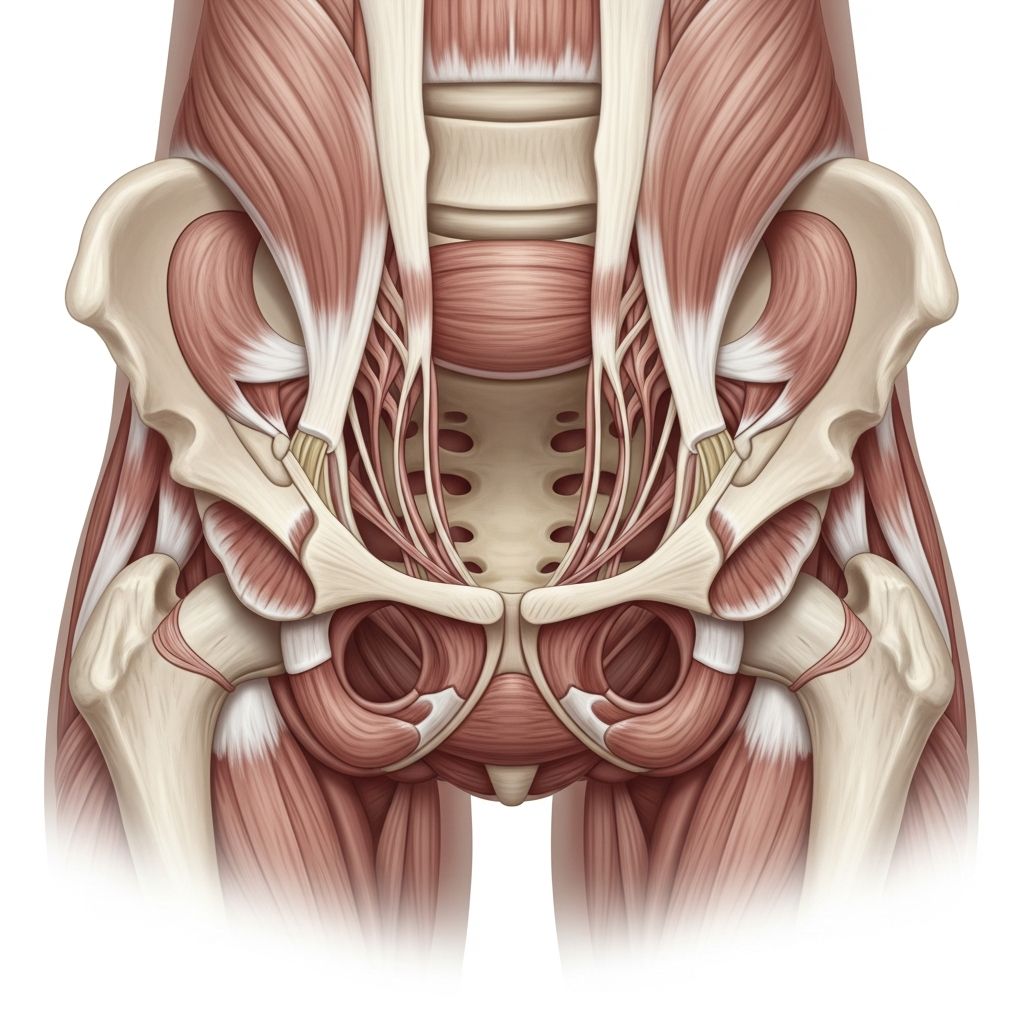
The pelvic floor muscles are located at the base of your pelvis and form a supportive structure often described as a bowl or sling. These muscles stretch from your pubic bone at the front of your body to your tailbone at the back, extending outward on both sitting bones on the right and left sides of your pelvis. You have 14 pelvic floor muscles that intertwine and layer together to form a single sheet of layered muscle with three openings: the urethra, vagina (in females), and anus.
The two main pelvic floor muscles include the levator ani and the coccygeus, which work together with smaller muscle groups to create stability and support throughout your lower body.
Where Your Pelvic Floor Muscles Are Located
Your pelvic floor muscles are situated deep within your pelvis and can be difficult to visualize without proper anatomical training. You can feel where your pelvic floor muscles are by performing a simple test: try to stop the flow of urine midstream, squeeze your muscles to prevent gas from passing, or tighten the muscles around your vagina or anus. In each case, you should feel muscles inside your pelvis pull inward and upward—these are your pelvic floor muscles.
Primary Functions of Pelvic Floor Muscles
Your pelvic floor muscles perform several interconnected and essential functions for your body:
Supporting Pelvic Organs
The pelvic floor muscles hold the major organs in your pelvis in place and protect them from damage. These organs include your bladder, bowel, and internal reproductive organs. In females, they support the vagina and uterus, while in males, they hold the prostate in place. Think of these muscles as a hammock that cradles your organs and prevents them from shifting or descending.
Bladder and Bowel Control
Squeezing your pelvic floor muscles narrows your urethra and anus so waste material cannot escape. This action is essential for maintaining continence throughout the day and night. Relaxing these muscles widens these passages so you can urinate, defecate, or pass gas. Healthy pelvic floor muscles can squeeze and relax automatically, though you can also control these muscles deliberately, much like flexing a bicep.
Core Stability
Your pelvic floor muscles form the base of your core muscle group, which includes your abdominal muscles, back muscles, and diaphragm. Together, these muscles attach to your pelvis and spine, creating stability throughout your body’s center. This stability allows you to maintain proper posture, balance, and move effectively during daily activities.
Sexual Function
Strong pelvic floor muscles contribute to improved sexual sensation and function for both men and women. These muscles play a role in arousal, satisfaction, and overall sexual health.
Pressure Management
Every time you cough, sneeze, laugh, or lift something heavy, your pelvic floor muscles work to manage intra-abdominal pressure. Without proper muscle function, these everyday activities can lead to involuntary leakage.
Related Stories



Lymphatic and Vascular Support
Your pelvic floor acts as a pump for the lymphatic and blood flow systems, helping blood and lymph flow toward the heart and preventing pelvic congestion.
How Healthy Pelvic Floor Muscles Work
Healthy pelvic floor muscles maintain a constant resting tone except during voiding, defecation, and the Valsalva maneuver (straining). This resting tone is essential for preventing organ descent and maintaining continence. Additionally, these muscles can perform quick, forceful contractions when needed—for instance, when you cough or sneeze—to prevent leakage and stabilize your organs.
The key to optimal pelvic floor health is balance. Your pelvic floor muscles should be strong enough to stabilize your core and secure your organs, but they also need to be flexible enough to stretch and relax completely. This flexibility is crucial for allowing normal bodily functions like urination and defecation.
Pelvic Floor Dysfunction: When Things Go Wrong
Pelvic floor dysfunction is a group of conditions in which you cannot properly relax and/or use your pelvic floor muscles. The muscles may be too loose and weak, or conversely, too tight and restricted. Understanding the different types of dysfunction can help you recognize symptoms and seek appropriate treatment.
Weak Pelvic Floor Muscles
Weak pelvic floor muscles can develop due to several factors, including injury or trauma from childbirth and surgery, weakening during pregnancy, overuse from repeated heavy lifting, or chronic coughing. Age-related changes and hormonal shifts can also contribute to muscle weakness.
Conditions associated with weak pelvic floor muscles include:
- Urinary incontinence (involuntary urine leakage)
- Fecal incontinence (involuntary bowel leakage)
- Pelvic organ prolapse (organs descending into the vagina or rectum)
- Reduced sexual sensation and satisfaction
- Chronic pelvic pain
Tight Pelvic Floor Muscles (Hypertonic Pelvic Floor)
When pelvic floor muscles are too tight, healthcare providers call this condition hypertonic pelvic floor. While researchers haven’t studied hypertonic pelvic floor as extensively as weakened pelvic muscles, having tight pelvic floor muscles may lead to several issues:
- Pelvic pain and discomfort
- Difficulty with sexual intercourse (dyspareunia)
- Difficulty urinating or completely emptying the bladder
- Constipation or difficulty with bowel movements
- Muscle tension and spasms
Risk Factors for Pelvic Floor Dysfunction
Several factors can increase your risk of developing pelvic floor dysfunction:
| Risk Factor | Impact |
|---|---|
| Pregnancy and Childbirth | Stretches and damages pelvic floor muscles |
| Aging | Natural weakening of muscles and tissues |
| Chronic Coughing | Repeated strain on pelvic floor muscles |
| Heavy Lifting | Sustained pressure on pelvic organs |
| Obesity | Increased pressure on pelvic floor |
| Pelvic Surgery | Tissue damage and scar formation |
| Hormonal Changes | Reduced tissue elasticity and muscle tone |
Strengthening and Rehabilitating Your Pelvic Floor
The good news is that specialized physical therapy can help restore pelvic floor muscle function. Like any muscle in your body, it takes time to build up your pelvic floor muscles, so consistency with pelvic floor exercises is key.
Kegel Exercises
Kegel exercises are the most common and well-known pelvic floor exercises. These exercises involve contracting your pelvic floor muscles for a few seconds and then relaxing them. Regular Kegel practice can help strengthen a weak pelvic floor and improve incontinence, sexual function, and overall pelvic health.
Reverse Kegels
For individuals with tight or hypertonic pelvic floor muscles, reverse Kegels can help. These exercises focus on lengthening and relaxing the pelvic floor muscles rather than strengthening them. They teach your muscles to release tension and achieve better flexibility.
Coordination and Mobility Training
Beyond simple strengthening, pelvic floor physical therapy often incorporates coordination and mobility training. Many individuals find that their pelvic floor needs not only strengthening but also the coordination and mobility to perform full movement patterns correctly. A qualified pelvic floor physical therapist can assess your specific needs and develop a customized treatment plan.
When to Seek Professional Help
If you experience any symptoms of pelvic floor dysfunction, it’s important to consult with a healthcare provider. Don’t hesitate to reach out—pelvic floor specialists and physical therapists are available to help and have extensive experience treating these conditions. A proper evaluation may include:
- Detailed medical history and symptom assessment
- Physical examination of the pelvis and pelvic floor muscles
- Assessment of muscle strength, endurance, and relaxation ability
- Imaging studies if necessary to rule out other conditions
Frequently Asked Questions About Pelvic Floor Muscles
Q: What is the difference between weak and tight pelvic floor muscles?
A: Weak pelvic floor muscles lack sufficient strength and tone to support organs and control bodily functions, often leading to incontinence and prolapse. Tight pelvic floor muscles are overly tense and restricted, causing pain, difficulty with intercourse, and problems with urination or bowel movements. Both conditions require different treatment approaches, typically involving either strengthening or relaxation exercises.
Q: Can men benefit from pelvic floor exercises?
A: Yes, absolutely. While pelvic floor dysfunction is more commonly discussed in women, men can also experience these issues. Pelvic floor exercises can help men improve urinary and fecal control, enhance sexual function, and support overall core stability. Men may benefit from pelvic floor physical therapy just as much as women do.
Q: How long does it take to see results from pelvic floor exercises?
A: Results vary depending on the severity of your condition and your consistency with exercises. Most people begin to notice improvement within 4 to 6 weeks of regular pelvic floor training. However, achieving optimal results typically requires several months of ongoing practice. Your physical therapist can provide guidance on what to expect based on your specific situation.
Q: Are there risks associated with pelvic floor physical therapy?
A: Pelvic floor physical therapy is generally safe when performed under professional guidance. However, improper technique or excessive exercising can potentially worsen symptoms, particularly in individuals with tight pelvic floor muscles. This is why working with a qualified pelvic floor specialist is important to ensure you’re performing exercises correctly.
Q: Can pregnancy prevent pelvic floor dysfunction?
A: While pregnancy increases the risk of pelvic floor dysfunction, maintaining strength and flexibility throughout pregnancy and postpartum can help reduce complications. Prenatal pelvic floor exercises and professional guidance during pregnancy can support long-term pelvic health.
Q: Is pelvic floor dysfunction permanent?
A: Pelvic floor dysfunction is often treatable and manageable. Many individuals experience significant improvement or complete resolution of symptoms with appropriate physical therapy, lifestyle modifications, and consistent exercise. However, maintenance exercises may be necessary to prevent recurrence.
Maintaining Optimal Pelvic Floor Health
Your pelvic floor muscles are critical to your health and quality of life. Keeping these muscles strong and flexible can help prevent issues like incontinence and prolapse while improving your overall physical function and wellbeing. The key principles for maintaining pelvic floor health include:
- Performing regular pelvic floor exercises as recommended by your healthcare provider
- Maintaining a healthy weight to reduce pressure on pelvic organs
- Avoiding chronic straining during bowel movements
- Limiting heavy lifting and high-impact activities when appropriate
- Managing chronic cough through proper medical treatment
- Staying hydrated and following a healthy diet to prevent constipation
- Seeking professional help if symptoms develop
Remember that the goal of pelvic floor health is balance. Your muscles should be strong enough to stabilize your core and support your organs, but flexible enough to relax and allow normal bodily functions. If you have concerns about your pelvic floor health, don’t hesitate to reach out to a qualified healthcare provider who can assess your individual needs and guide you toward optimal wellness.
References
- Pelvic Floor Muscles: Anatomy, Function & Conditions — Cleveland Clinic. 2024. https://my.clevelandclinic.org/health/body/22729-pelvic-floor-muscles
- Pelvic Floor Muscle Function and Strength — Physiopedia. 2024. https://www.physio-pedia.com/Pelvic_Floor_Muscle_Function_and_Strength
- Contemporary Views on Female Pelvic Anatomy — Cleveland Clinic Journal of Medicine. 2003. https://www.ccjm.org/content/ccjom/72/12_suppl_4/S3.full.pdf
- How and Why To Do Pelvic Floor Exercises — Cleveland Clinic. 2024. https://health.clevelandclinic.org/how-to-do-pelvic-floor-exercises
- Pelvic Organ Prolapse: Types, Causes & Treatment — Cleveland Clinic. 2024. https://my.clevelandclinic.org/health/diseases/24046-pelvic-organ-prolapse
Similar Articles








Read full bio of Sneha Tete