Pelvic Floor Therapy: Treatment and Recovery
Comprehensive guide to pelvic floor therapy: understanding treatment options and recovery pathways.
Understanding Pelvic Floor Therapy
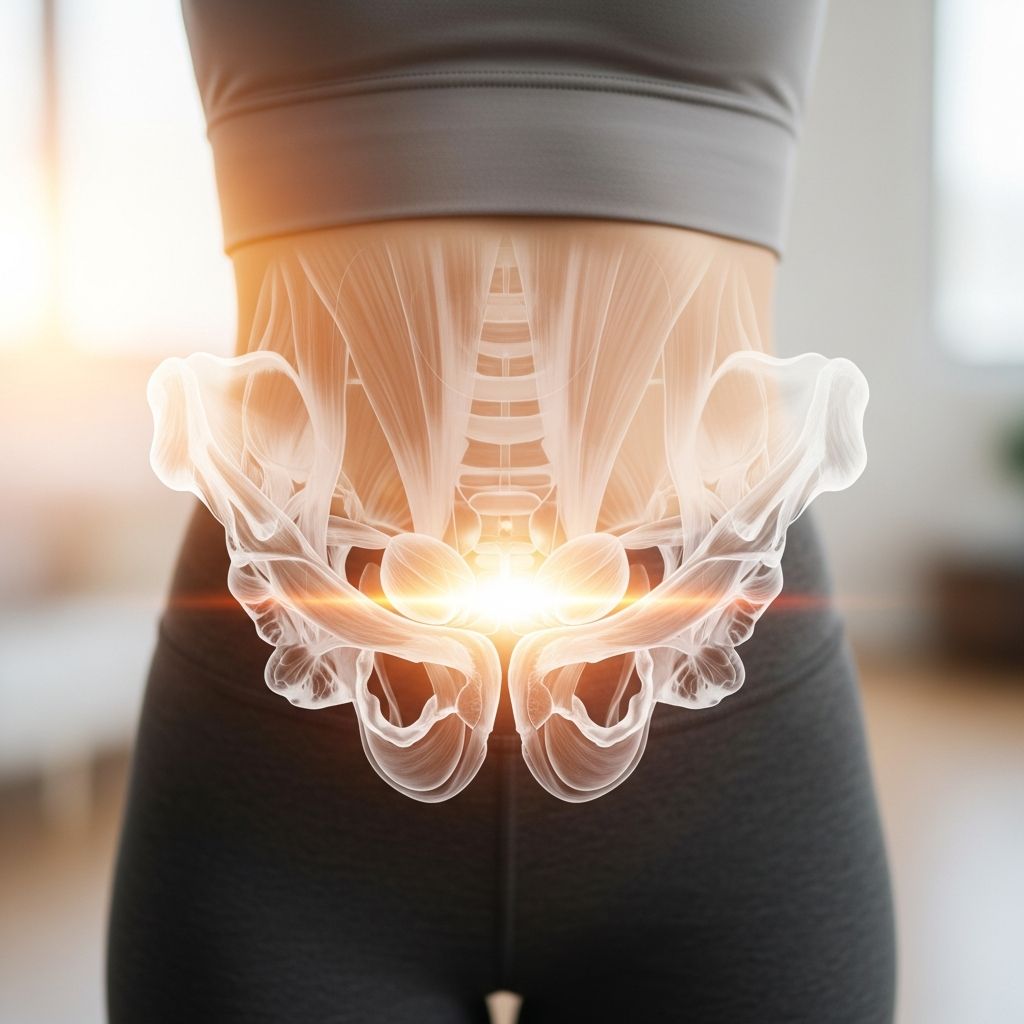
Pelvic floor therapy is a specialized form of physical therapy designed to address dysfunction in the pelvic floor muscles and tissues. These muscles form a hammock-like structure extending from your pubic bone to your tailbone, providing critical support for your bladder, bowel, and reproductive organs. When these muscles become weakened, overly tightened, or poorly coordinated, they can lead to a range of uncomfortable symptoms including urinary leakage, bowel issues, pelvic pain, and sensations of heaviness or pressure.
A pelvic health physical therapist conducts a comprehensive evaluation that examines your posture, core and hip strength, breathing patterns, and pelvic floor muscle function. This assessment typically includes external examination, with internal evaluation performed only when appropriate and with your full consent. The goal of therapy is to restore proper function, coordination, and strength to these muscles, enabling you to regain control and confidence in your daily life.
Who Benefits from Pelvic Floor Therapy
Pelvic floor therapy can help individuals experiencing a wide range of conditions affecting bladder, bowel, and sexual function. Understanding whether you might benefit from this treatment is the first step toward addressing your symptoms.
Urinary Incontinence
Stress urinary incontinence, characterized by urine leakage during physical activity, coughing, or sneezing, responds well to supervised pelvic floor muscle training. Mixed urinary incontinence, combining stress and urgency symptoms, also benefits from targeted therapy. Overactive bladder symptoms, including frequent urination and urgency, can be managed through bladder retraining and behavioral modifications incorporated into your treatment plan.
Bowel Dysfunction
Constipation, fecal incontinence, and difficulty with complete bowel emptying are common pelvic floor issues. Pelvic floor therapy addresses these through coordination training, proper toileting strategies, and habits that support healthy bowel function. A therapist can teach you optimal positioning and techniques to facilitate more effective and comfortable elimination.
Pelvic Organ Prolapse
When pelvic organs descend into the vaginal canal due to weakened support, symptoms may include heaviness, pressure sensation, or a noticeable bulge. Supervised exercise programs and pessary referrals can significantly reduce these symptoms for many individuals, often delaying or preventing the need for surgical intervention.
Pelvic Pain and Sexual Dysfunction
Conditions such as dyspareunia (painful intercourse), vaginismus, and chronic pelvic pain syndromes benefit from specialized pelvic floor therapy. Myofascial release techniques and manual therapy can address tight, tender tissues contributing to pain. Desensitization exercises and gradual progression help restore comfortable sexual function.
Pregnancy and Postpartum Recovery
Pelvic floor therapy during pregnancy helps prepare muscles for labor and delivery. Postpartum therapy is crucial for preventing and treating urinary incontinence, restoring core strength, and addressing any pelvic floor dysfunction resulting from childbirth.
Treatment Methods and Techniques
Modern pelvic floor therapy employs multiple evidence-based approaches tailored to your specific condition and needs. Your therapist will develop a personalized treatment plan combining appropriate techniques from the following options:
Related Stories



Supervised Pelvic Floor Muscle Training
This foundational approach teaches proper contraction and relaxation of pelvic floor muscles, progressing gradually in strength and endurance. Research supports supervised pelvic floor muscle training for treating stress and mixed urinary incontinence, preventing postpartum incontinence, and addressing early prolapse symptoms. Outcomes depend significantly on program adherence, correct technique execution, and the severity of your symptoms.
Biofeedback Technology
Biofeedback devices provide real-time visual or auditory feedback about your muscle contractions, helping you develop awareness and control. This technology proves particularly valuable when you’re struggling to identify the correct muscles or coordinate your breathing with contractions. Studies show that adding pressure-mediated biofeedback to standard pelvic floor muscle training enhances outcomes for postpartum stress incontinence compared to training alone.
Manual Therapy and Myofascial Release
Hands-on treatment techniques target tight, tender tissues within and around the pelvic floor. Manual therapy and myofascial release prove especially effective for pelvic pain syndromes, overactive pelvic floor muscles, and dyspareunia. Research demonstrates that myofascial physical therapy improves both pain and urinary symptoms more effectively than general massage approaches.
Electrical Stimulation
Gentle electrical stimulation can activate or relax pelvic floor muscles when voluntary contraction ability is weak or motor control is limited. This approach serves as an adjunct therapy, particularly helpful for those unable to perform effective contractions independently.
Bladder and Bowel Retraining
Behavioral modification strategies including timed voiding, urge suppression techniques, and optimized toileting posture address urgency, frequency, constipation, and fecal incontinence. Dietary modifications including appropriate fiber and fluid intake complement these behavioral interventions. These strategies form first-line conservative care within comprehensive treatment pathways.
Dilators and Desensitization
For conditions like vaginismus and dyspareunia, gradual desensitization using graded dilators helps reduce pain and restore comfortable sexual function. This approach integrates with pelvic floor physical therapy and biofeedback within multidisciplinary treatment pathways.
What to Expect During Your First Visit
Your initial pelvic floor therapy appointment typically follows a structured format designed to gather comprehensive information and establish your treatment foundation.
History and Goal Setting
Your therapist will ask detailed questions about your bladder, bowel, and sexual symptoms. They’ll review your birth and surgical history, as well as your work and activity demands. This conversation helps identify contributing factors and establishes clear treatment goals aligned with your lifestyle.
Movement Assessment
A thorough evaluation of your spine, hips, core strength, breathing mechanics, and balance provides context for your pelvic floor dysfunction. Often, postural issues, weak core muscles, or dysfunctional breathing patterns contribute significantly to pelvic floor problems. Addressing these factors enhances treatment effectiveness.
Pelvic Floor Assessment
The therapist performs an external pelvic floor evaluation. An internal exam is optional and performed only with your explicit consent. Assessment tools such as biofeedback devices or ultrasound imaging may provide objective data about muscle function and coordination.
Treatment Plan and Home Program
You’ll leave your first appointment with a personalized exercise program and simple daily habit modifications. Most pelvic floor therapy programs run eight to twelve weeks, with sessions occurring one to two times per week, supplemented by regular home practice between appointments.
Treatment Timeline and Duration
The duration of pelvic floor therapy varies based on the condition being treated, symptom severity, and individual response to therapy. Most treatment programs span eight to twelve weeks with one to two weekly sessions, though some individuals benefit from extended treatment or occasional maintenance visits.
For stress and mixed urinary incontinence, research indicates that three or more months of supervised pelvic floor muscle training is recommended to achieve meaningful improvement. Success depends on consistent adherence to your home exercise program, proper technique, and the specific characteristics of your condition.
Postpartum recovery timelines extend somewhat longer, typically requiring three to six months of dedicated therapy to fully restore pelvic floor function and prevent long-term incontinence. Individuals recovering from pelvic surgery may benefit from extended therapy protocols during the healing phase.
Supporting Your Recovery Success
Beyond supervised therapy sessions, several lifestyle factors significantly influence your treatment outcomes and long-term pelvic floor health.
Core and Hip Strength
Comprehensive pelvic floor rehabilitation includes strengthening your core and hip muscles, which provide essential support and stability for the pelvic floor. A strong core reduces excessive pressure on pelvic floor muscles and improves overall functional capacity.
Breathing and Posture
Proper breathing patterns and good posture minimize unnecessary pressure on pelvic floor structures. Your therapist will teach you breathing techniques that coordinate with pelvic floor relaxation and contraction. Maintaining neutral spine alignment throughout daily activities prevents postural stress on your pelvic floor.
Weight Management
Excess abdominal fat increases intra-abdominal pressure, which directly contributes to urine leakage and prolapse symptoms. Tracking body composition changes provides objective feedback on whether your strength and lifestyle program is working effectively. Monitoring lean mass and fat mass over time allows you and your clinician to make informed adjustments to your recovery plan.
Bowel and Bladder Habits
Establishing healthy toileting habits supports long-term pelvic floor function. Your therapist will recommend appropriate fluid intake, dietary fiber, and toileting frequency based on your individual needs and symptoms.
Treatment Effectiveness and Evidence
Pelvic floor therapy is supported by substantial clinical evidence. Supervised programs consistently demonstrate superior outcomes compared to unsupervised self-treatment. This superiority reflects the importance of proper technique, personalized progression, and professional guidance in achieving symptom resolution.
Research particularly supports supervised therapy for individuals postpartum and following prostate surgery. Women in the postpartum period show significant improvements in stress incontinence with structured pelvic floor therapy. Men recovering from prostate procedures benefit from supervised therapy for regaining urinary control.
Combining pelvic floor therapy with supportive lifestyle habits—including proper breathing, good posture, bowel and bladder training, and healthy weight management—produces the most durable relief and sustained confidence in pelvic floor function.
Frequently Asked Questions
Q: How do I know if I need pelvic floor therapy?
A: If you experience urinary leakage, bowel control issues, pelvic pain, painful intercourse, or sensations of heaviness or pressure, you may benefit from pelvic floor therapy. Consulting with your healthcare provider or a pelvic health specialist can determine if therapy is appropriate for your symptoms.
Q: Is pelvic floor therapy only for women?
A: No. While more commonly associated with women, men can also benefit from pelvic floor therapy, particularly following prostate surgery or for chronic pelvic pain conditions. The principles of pelvic floor muscle training apply across genders.
Q: How long does it take to see results from pelvic floor therapy?
A: Most individuals begin noticing improvements within four to six weeks of consistent therapy and home practice. Significant symptom reduction typically occurs within eight to twelve weeks of supervised treatment combined with diligent home exercises.
Q: Can pelvic floor therapy prevent the need for surgery?
A: In many cases, yes. Supervised pelvic floor therapy can effectively manage symptoms of prolapse, incontinence, and pelvic pain, potentially delaying or eliminating the need for surgical intervention. Your healthcare provider can discuss whether therapy is an appropriate first-line treatment for your specific condition.
Q: Is pelvic floor therapy uncomfortable?
A: External assessment is generally comfortable. Internal examination is optional and performed only with your explicit consent. Your therapist will explain all procedures before beginning and will prioritize your comfort throughout treatment.
Q: What should I do at home between therapy sessions?
A: Your therapist will provide you with a specific home exercise program tailored to your condition. Consistency is crucial—practicing your exercises daily, maintaining proper breathing and posture, and implementing recommended lifestyle modifications between sessions significantly enhance your treatment outcomes.
Q: Can I continue sexual activity during pelvic floor therapy?
A: This depends on your specific condition and treatment plan. Discuss sexual activity with your therapist, as some conditions may require temporary modifications while others do not. Your therapist will provide personalized guidance for your situation.
Q: Will my symptoms return after therapy ends?
A: Maintaining the strength and coordination you’ve developed in therapy requires continued home practice. Your therapist can recommend maintenance exercises and periodic check-ins to help sustain your improvements long-term.
Conclusion
Pelvic floor therapy represents an evidence-based, conservative approach to treating a wide range of pelvic floor dysfunctions affecting millions of individuals. By combining supervised professional treatment with dedicated home practice and supportive lifestyle modifications, you can effectively address urinary incontinence, bowel issues, pelvic pain, and sexual dysfunction. The comprehensive nature of pelvic floor therapy—addressing not just the muscles themselves but also posture, breathing, core strength, and behavioral patterns—provides lasting relief and restored confidence in your body’s function. If you’re experiencing pelvic floor symptoms, consulting with a qualified pelvic health specialist can help determine whether therapy is appropriate for your needs and establish a personalized treatment pathway toward improved quality of life.
References
- Pelvic Floor Therapy — Johns Hopkins Medicine. 2023. https://www.hopkinsmedicine.org/health/treatment-tests-and-therapies/pelvic-floor-therapy
- NICE Guidelines: Urinary Incontinence and Pelvic Floor Dysfunction — National Institute for Health and Care Excellence. 2021. https://www.nice.org.uk
- Pressure-Mediated Biofeedback for Postpartum Stress Urinary Incontinence — JAMA Network Open. 2024. https://jamanetwork.com
- Myofascial Physical Therapy for Urologic Pelvic Pain — Urologic Pelvic Pain Trial. 2009. https://pubmed.ncbi.nlm.nih.gov
- ACOG Committee Opinion: Pelvic Organ Prolapse — American College of Obstetricians and Gynecologists. 2024. https://www.acog.org
- Cochrane Review: Pelvic Floor Muscle Training for Urinary Incontinence — Cochrane Library. 2020. https://www.cochranelibrary.com
Similar Articles








Read full bio of Sneha Tete