Pelvic Floor Therapy: 5 Exercises, Benefits, And What To Expect
Learn how pelvic floor therapy strengthens muscles, relieves pain, and improves bladder control for better quality of life.
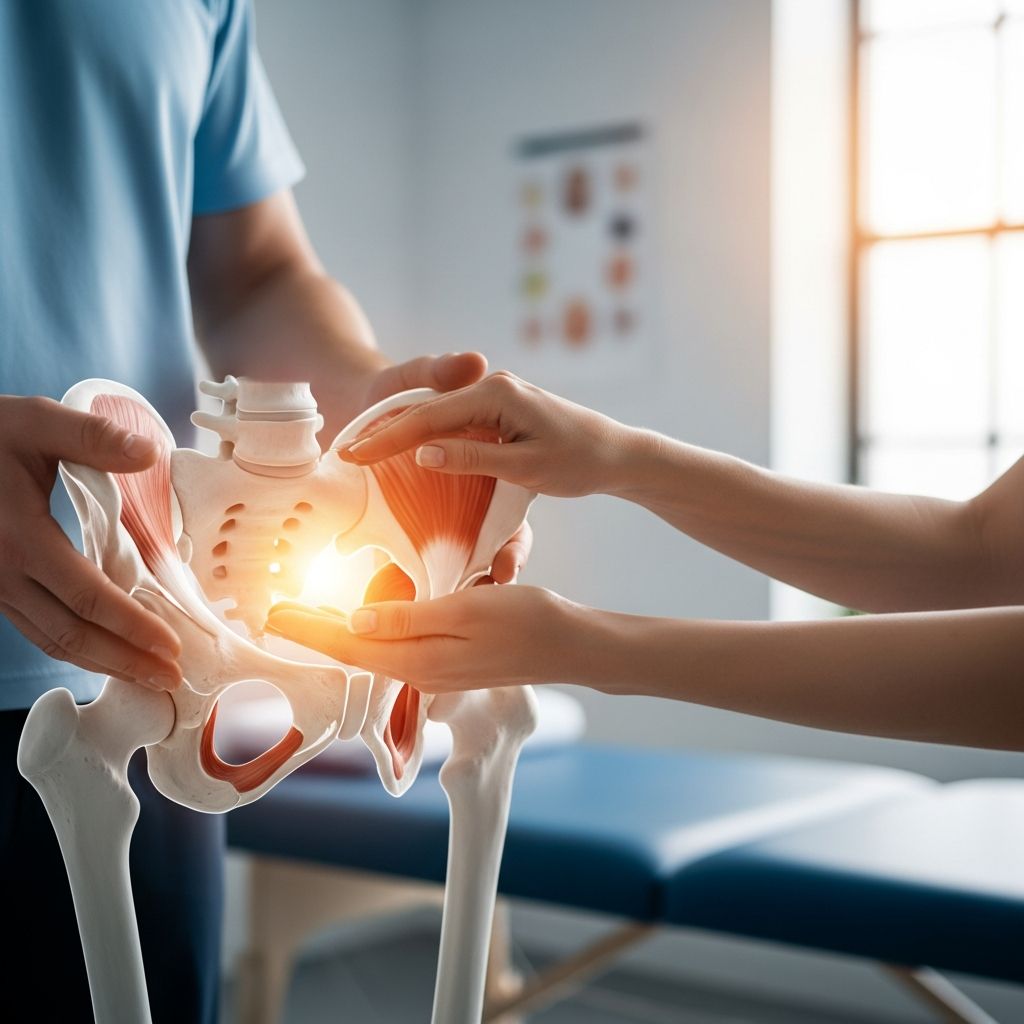
Pelvic floor therapy is a specialized form of physical therapy that targets the muscles, ligaments, and connective tissues supporting the pelvic organs. It addresses common issues like urinary incontinence, pelvic pain, and prolapse through targeted exercises, manual therapy, and behavioral modifications.
What Is the Pelvic Floor?
The
pelvic floor
comprises a group of muscles and tissues forming a hammock-like structure at the base of the pelvis. These muscles support the bladder, bowel, uterus (in women), and prostate (in men), while controlling urination, defecation, and sexual function. Weakness or tightness in these muscles can lead to dysfunction.In women, the pelvic floor differs structurally from men due to reproductive organs, making it more prone to issues post-pregnancy or menopause. Men can also experience problems from prostate surgery or chronic straining. Dysfunction affects millions, with symptoms including leakage, urgency, constipation, and pain.
What Is Pelvic Floor Therapy?
**Pelvic floor therapy (PFT)**, also called pelvic floor physical therapy (PFPT), is a conservative, non-invasive treatment retraining pelvic muscles for optimal strength, endurance, power, and relaxation. Therapists use exercises, biofeedback, manual techniques, and education to treat dysfunction.
Unlike general physical therapy, PFT focuses on internal and external pelvic regions. Sessions are personalized, addressing whether muscles need strengthening (for weakness) or relaxation (for hypertonicity causing pain).
Who Needs Pelvic Floor Therapy?
PFT benefits people with various pelvic floor disorders. Common candidates include:
- Individuals with
urinary incontinence
(stress or urge types), leakage, or frequency. - Those experiencing
bowel issues
like constipation, fecal incontinence, or incomplete emptying. - People with
pelvic organ prolapse
(POP), feeling pressure or bulging. - Patients with
chronic pelvic pain
, dyspareunia (painful sex), vaginismus, or vulvodynia. - Postpartum or peripartum women recovering from childbirth.
- Men post-prostatectomy or with prostatitis symptoms.
- Athletes or those with core instability.
Women represent the majority, but men and youth also benefit. Early intervention prevents surgery.
How Does Pelvic Floor Therapy Work?
PFT employs a multifaceted approach:
- Assessment: Therapists evaluate muscle tone, strength, coordination via external/internal exams (with consent).
- Strengthening: For weak muscles causing incontinence or prolapse.
- Relaxation: For tight muscles causing pain or retention.
- Biofeedback: Sensors show muscle activity on a screen, ensuring correct engagement.
- Manual therapy: Myofascial release, stretching, ultrasound, or electrical stimulation.
- Education: Bladder/bowel habits, posture, lifestyle changes.
- Home program: Kegels, breathing exercises, dilators.
Sessions last 30-60 minutes, 1-2 times weekly for 8-12 weeks, with home practice.
What Are the Benefits of Pelvic Floor Therapy?
PFT offers evidence-based relief:
- Symptom reduction: 60%+ success for incontinence; improves POP, pain, sexual function.
- Non-surgical alternative: Avoids 148 surgeries per cohort; cuts ER visits, imaging.
- Quality of life boost: 67% pain reduction, 54% symptom drop in 12 weeks; lowers anxiety.
- Productivity gains: 50% increase post-therapy for workers.
- Long-term results: Builds endurance, prevents recurrence with adherence.
| Condition | Reported Improvement | Source |
|---|---|---|
| Urinary Incontinence | 60-80% response rate | |
| Pelvic Pain | 67% reduction in 12 weeks | |
| Prolapse Symptoms | Eased pressure, better stability | |
| Sexual Dysfunction | Improved comfort, reduced dyspareunia |
Pelvic Floor Therapy Techniques and Tools
Therapists use:
- Biofeedback devices: External/internal sensors for visual feedback.
- Electrical stimulation: Triggers contractions/relaxation.
- Pelvic trainers: Vaginal devices for at-home Kegel practice with app feedback.
- Dilators/wands: For pain, scarring.
- Ultrasound/heat: Relaxes tissues.
Related Stories



Pelvic Floor Exercises to Try at Home
Incorporate these under guidance:
- Kegel Exercises: Contract pelvic muscles (as if stopping urine flow) for 5-10 seconds, relax 10 seconds. 10 reps, 3x/day.
- Deep Diaphragmatic Breathing: Lie on side, knees bent. Hand on ribs, inhale to expand sides, exhale to center. Relaxes floor.
- Bridge Pose: Lie on back, feet flat, lift hips while squeezing pelvic floor. Hold 5 seconds, 10 reps.
- Squats: Feet wide, lower as if sitting, engage floor on rise.
- Happy Baby: On back, grab feet, gently rock to release tension.
Consistency (10 min, 3-4x/week) trumps intensity.
What to Expect During Pelvic Floor Therapy
Prep: Track bladder/bowel diary.
First visit: History, posture/core assessment, possible internal exam (clothed options available).
Sessions: Private room, same therapist. Mix exercises, biofeedback, education. Fully clothed or draped.
Progress: Weekly gains; home program for maintenance. Telehealth options exist.
Pelvic Floor Therapy for Specific Conditions
Pelvic Floor Therapy for Incontinence
Strengthens muscles to prevent leaks. Combines Kegels, biofeedback; high success for stress/urge types.
Pelvic Floor Therapy for Prolapse
Improves support, reduces bulging via strengthening, pessary integration.
Pelvic Floor Therapy for Pelvic Pain
Focuses on relaxation, trigger point release for myofascial pain, dyspareunia.
Pelvic Floor Therapy After Pregnancy
Aids recovery from tears, diastasis; prevents long-term issues.
Pelvic Floor Therapy for Men
Treats post-prostatectomy incontinence, chronic pelvic pain.
How to Find a Pelvic Floor Therapist
Search via APTA Pelvic Health or hospitals. Look for certified specialists. Virtual programs like Hinge Health offer access.
Insurance often covers; check for ‘pelvic floor dysfunction’ codes.
Frequently Asked Questions (FAQs)
Is pelvic floor therapy painful?
No, it’s tailored to avoid discomfort. Relaxation techniques ease tension.
How many sessions do I need?
Typically 8-12 weeks, 1-2x/week, plus home exercises.
Can men benefit from pelvic floor therapy?
Yes, for incontinence, pain, post-surgery recovery.
Are Kegels enough?
Often not; therapy ensures correct form, adds comprehensive care.
Does insurance cover pelvic floor therapy?
Frequently yes, as skilled therapy for dysfunction.
When to See a Doctor Before Starting Therapy
Consult if symptoms include blood in urine, unexplained weight loss, or sudden changes. Rule out infections, tumors.
References
- Who Should Consider Pelvic Floor Therapy & What to Expect? — UnityPoint Health. 2023. https://www.unitypoint.org/find-a-service/therapy-and-rehabilitation/pelvic-floor-therapy
- Pelvic floor therapy: What every HR leader should know — Sword Health. 2024. https://swordhealth.com/articles/pelvic-floor-therapy-hr-leaders
- Pelvic floor physical therapy in the treatment of pelvic floor dysfunction — PubMed (Curr Urol Rep). 2019-10-15. https://pubmed.ncbi.nlm.nih.gov/31609735/
- A Guide to Physical Therapy for Your Pelvic Floor — Hinge Health. 2024. https://www.hingehealth.com/resources/articles/physical-therapy-for-pelvic-floor/
- Pelvic floor — Better Health Channel (Vic.gov.au). 2023. https://www.betterhealth.vic.gov.au/health/conditionsandtreatments/pelvic-floor
Similar Articles








Read full bio of medha deb