Pelvic Inflammatory Disease: Comprehensive Guide To Treatment
Comprehensive insights into causes, symptoms, diagnosis, treatment, and prevention of pelvic inflammatory disease for better reproductive health.
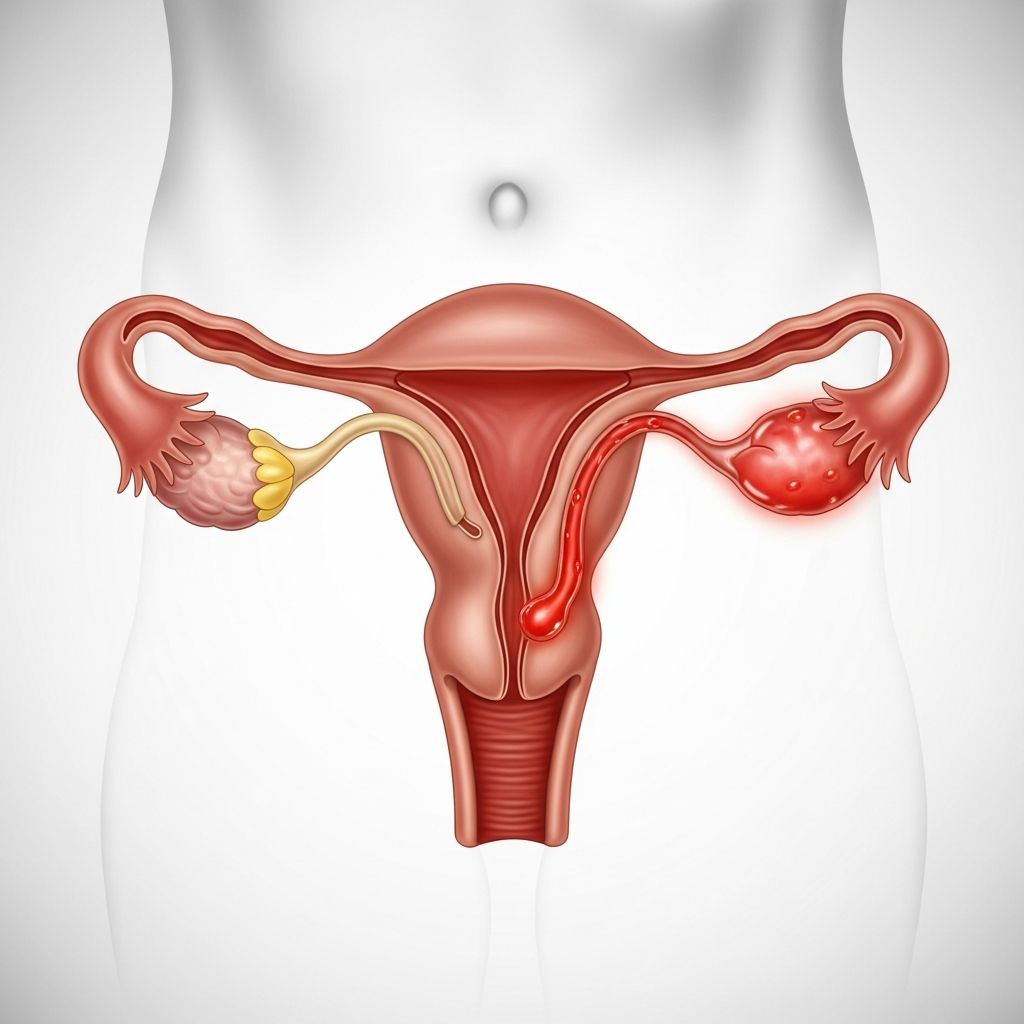
Pelvic inflammatory disease (PID) represents a significant health concern for individuals with female reproductive anatomy, involving infection and inflammation in the upper genital tract. This condition frequently arises from the upward migration of bacteria from the lower genital areas, potentially leading to serious complications if not addressed promptly.
Understanding the Nature of PID
PID encompasses a range of inflammatory conditions affecting the uterus (endometritis), fallopian tubes (salpingitis), ovaries, and surrounding pelvic structures. It can manifest as acute episodes lasting up to 30 days, subclinical forms without noticeable symptoms, or chronic inflammation persisting beyond a month. The disease’s progression often stems from untreated infections, highlighting the importance of timely medical intervention.
Primary Causes and Risk Factors
The most common culprits behind PID are sexually transmitted infections (STIs) such as gonorrhea and chlamydia, which can ascend from the vagina or cervix into higher reproductive organs. These pathogens may cause subtle or no initial symptoms, allowing silent progression to PID over days to weeks. Other contributors include non-sexually transmitted bacteria, like those associated with bacterial vaginosis, or even infections spreading from nearby abdominal sites such as the appendix.
- Multiple sexual partners or a partner with an STI
- Young age (under 25), when the cervix is more susceptible
- History of prior STIs or PID
- Inconsistent use of barrier contraceptives like condoms
- Bacterial vaginosis or douching practices
Individuals starting sexual activity early or engaging in unprotected intercourse face heightened risks, as do those with intrauterine devices if infection is present at insertion.
Recognizing Symptoms: From Subtle to Severe
Symptoms of PID vary widely; some experience mild discomfort mimicking other conditions, while others face intense pain requiring hospitalization. Common indicators include:
- Lower abdominal pain, often bilateral and dull, worsening with movement or intercourse
- Abnormal vaginal discharge, possibly mucopurulent or with a foul odor
- Pain or bleeding during/after sex
- Irregular menstrual bleeding or spotting between periods
- Fever above 38.3°C (101°F)
- Urinary issues like painful urination or frequency
In subclinical cases, PID may go unnoticed until fertility issues arise. Chronic forms can lead to persistent pelvic pain.
Diagnostic Approaches for Accurate Identification
Diagnosing PID relies on clinical evaluation due to its overlap with other ailments. Providers begin with a detailed history covering sexual activity, contraception, and symptoms, followed by a pelvic exam to check for cervical motion tenderness, uterine or adnexal pain, or friability.
Key minimum criteria include lower abdominal tenderness plus one of: adnexal tenderness or cervical motion tenderness. Specificity increases with additional findings like elevated temperature, mucopurulent discharge, abundant white blood cells in vaginal fluid, or lab confirmation of gonorrhea/chlamydia.
Related Stories



Advanced tools may include:
| Method | Purpose |
|---|---|
| Endometrial biopsy | Histopathologic evidence of endometritis |
| Transvaginal ultrasound/MRI | Detects thickened tubes, fluid, or tubo-ovarian abscess |
| Doppler studies | Identifies tubal hyperemia indicating infection |
| Laparoscopy | Direct visualization for confirmation |
Laboratory tests for STIs, ESR, and C-reactive protein further support diagnosis.
Treatment Strategies: Antibiotics and Beyond
Prompt antibiotic therapy is cornerstone, targeting a broad spectrum of pathogens including gonorrhea, chlamydia, and anaerobes. Outpatient regimens for mild-moderate cases involve intramuscular ceftriaxone plus oral doxycycline and metronidazole for 14 days. Severe cases warrant hospitalization for IV antibiotics like cefotetan or cefoxitin with doxycycline.
Hospitalization criteria include:
- Pregnancy
- Tubo-ovarian abscess
- Severe illness, vomiting, or high fever
- Failure to improve outpatient or noncompliance
- Adolescent or uncertain diagnosis
Partners require evaluation and treatment for STIs. Abstinence or condom use until completion is advised. Follow-up within 72 hours assesses improvement; lack thereof prompts reevaluation.
Potential Complications and Long-Term Impacts
Untreated PID risks scarring of fallopian tubes, leading to:
- Infertility (10-15% risk after one episode, higher with repeats)
- Ectopic pregnancy due to tubal blockage
- Chronic pelvic pain
- Tubo-ovarian abscess, potentially requiring drainage or surgery
Early treatment mitigates these, but recurrent PID amplifies risks.
Prevention: Proactive Steps for Reproductive Health
Preventing PID focuses on STI reduction:
- Use condoms consistently
- Undergo regular STI screening, especially if high-risk
- Promptly treat infections
- Limit sexual partners
- Avoid douching to preserve vaginal flora
Annual chlamydia/gonorrhea tests are recommended for sexually active women under 25 or with risk factors.
Frequently Asked Questions (FAQs)
What is the fastest way to recover from PID?
Complete the full antibiotic course and follow up promptly. Most see improvement within 3 days.
Can PID be cured completely?
Yes, antibiotics typically eradicate the acute infection, but scarring from prior episodes may persist.
Does PID affect pregnancy chances?
Yes, it can cause infertility or ectopic pregnancy; seek early treatment.
Is PID only caused by STIs?
No, but STIs like chlamydia and gonorrhea are primary causes; others include vaginal bacteria.
Should my partner be tested?
Absolutely, to prevent reinfection and spread.
Living with PID: Management and Outlook
Post-treatment, monitor for symptom recurrence and maintain reproductive health check-ups. Pain management with ibuprofen or acetaminophen aids recovery, alongside hydration. Most regain full health, but vigilance prevents complications.
PID underscores the need for sexual health awareness. By recognizing signs and acting swiftly, individuals protect fertility and well-being.
References
- Pelvic Inflammatory Disease (PID) – STI Treatment Guidelines — CDC. 2021. https://www.cdc.gov/std/treatment-guidelines/pid.htm
- Core Concepts – Pelvic Inflammatory Disease — University of Washington. Accessed 2026. https://www.std.uw.edu/go/comprehensive-study/pelvic-inflammatory-disease
- Pelvic Inflammatory Disease (PID) — ACOG. 2023-10-02. https://www.acog.org/womens-health/faqs/pelvic-inflammatory-disease
- Pelvic Inflammatory Disease (PID): Symptoms & Treatment — Cleveland Clinic. 2023-11-01. https://my.clevelandclinic.org/health/diseases/9129-pelvic-inflammatory-disease-pid
- Pelvic Inflammatory Disease — StatPearls, NCBI. 2023-07-17. https://www.ncbi.nlm.nih.gov/books/NBK499959/
Similar Articles








Read full bio of Sneha Tete