Pelvic Inflammatory Disease: Symptoms, Causes, Treatment
Understanding PID: Causes, symptoms, treatments, and prevention of this serious reproductive infection affecting millions annually.
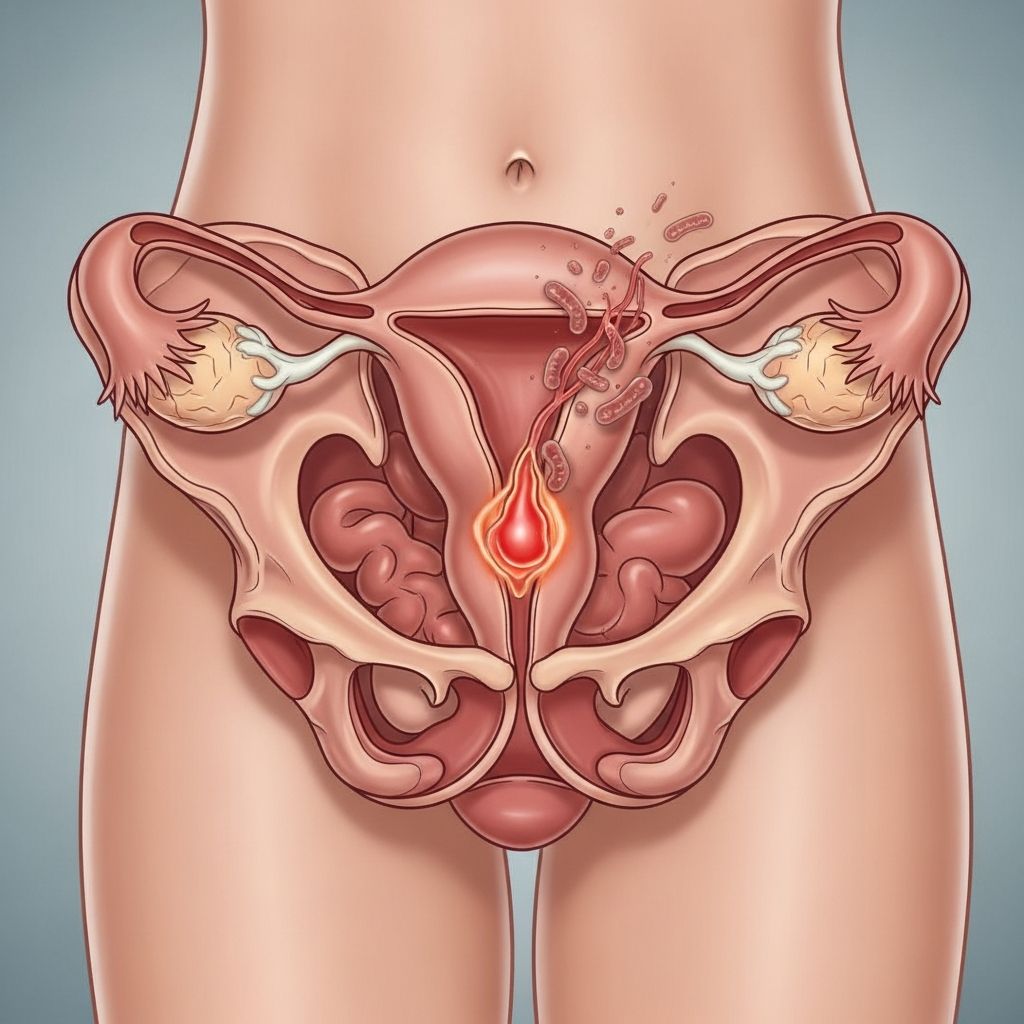
Pelvic inflammatory disease (PID) is an infection of the upper female reproductive organs, including the uterus, fallopian tubes, and ovaries. It affects over 1 million women annually in the United States and can lead to serious long-term complications if untreated.
What Is Pelvic Inflammatory Disease?
Pelvic inflammatory disease, commonly known as PID, represents a spectrum of inflammatory disorders affecting the upper genital tract. This includes conditions such as endometritis (uterus lining inflammation), salpingitis (fallopian tube inflammation), tubo-ovarian abscess, and pelvic peritonitis. PID typically arises when bacteria ascend from the vagina or cervix into these higher structures, causing infection and potential scarring.
The condition primarily impacts people assigned female at birth who are sexually active. While symptoms can be mild or absent, untreated PID can result in scar tissue formation, abscesses, and permanent damage to reproductive organs. Early recognition and treatment are essential to mitigate risks like infertility and chronic pain.
Symptoms of PID
Many women with PID experience subtle or no symptoms, which delays diagnosis and increases complication risks. When present, symptoms often develop gradually and may include:
- Pain in the lower abdomen or pelvis: Often described as a dull ache or tenderness, worsening during sex or ovulation.
- Abnormal vaginal discharge: Heavy, foul-smelling, or unusual in color/texture.
- Vaginal bleeding: Between periods or after intercourse.
- Painful urination: Frequent urge with burning sensation.
- Fever and chills: Indicating possible systemic infection.
- Pain during intercourse: Deep pelvic discomfort.
Symptoms can mimic other conditions like urinary tract infections or appendicitis, underscoring the need for professional evaluation. Chronic cases may lead to ongoing pelvic pain lasting months or years.
Causes of PID
PID is predominantly caused by sexually transmitted infections (STIs), with gonorrhea and chlamydia responsible for about 90% of cases. These bacteria, acquired through unprotected sex, travel from the vagina through the cervix to infect the uterus, tubes, and ovaries.
Other causes include:
- Non-sexually transmitted vaginal bacteria, such as those involved in bacterial vaginosis (BV).
- Iatrogenic introduction during procedures like IUD insertion or endometrial biopsy.
- Postpartum, post-abortion, or post-surgical infections.
Normally, cervical mucus acts as a barrier, but STIs or vaginal dysbiosis can overwhelm this defense, allowing ascent.
Risk Factors for PID
Certain factors elevate PID susceptibility:
- Age under 25: Higher STI rates and cervical ectopy increase vulnerability.
- Multiple sexual partners: Boosts STI exposure.
- Untreated STIs: Especially gonorrhea or chlamydia.
- Douching: Disrupts vaginal flora, facilitating bacterial ascent.
- Recent gynecologic procedures: IUD insertion or surgery.
- Smoking: Impairs immune response in reproductive tract.
Young women and those with new partners face the highest incidence.
Complications of PID
Untreated or recurrent PID leads to severe outcomes:
- Infertility: Affects 1 in 10 women due to tubal scarring blocking egg fertilization.
- Ectopic pregnancy: Scarred tubes trap fertilized eggs, risking rupture and hemorrhage.
- Chronic pelvic pain: Lasting >6 months from adhesions and scarring.
- Tubo-ovarian abscess: Pus collections requiring drainage or surgery.
Related Stories



Each PID episode heightens future risks; prompt treatment minimizes damage.
Diagnosis of PID
No single test confirms PID; diagnosis relies on clinical criteria:
- Lower abdominal tenderness.
- Cervical motion tenderness.
- Adnexal tenderness.
Providers perform pelvic exams, STI testing (NAAT for chlamydia/gonorrhea), vaginal wet mounts, CBC, ESR/CRP, and sometimes ultrasound or laparoscopy for abscesses. Pregnancy tests rule out ectopic risks.
Treatment for PID
Antibiotics are first-line, targeting gonorrhea, chlamydia, and anaerobes. Outpatient regimens include ceftriaxone + doxycycline + metronidazole; severe cases require IV hospitalization. Partners need empiric treatment to prevent reinfection. Abstinence until completion is advised.
Follow-up ensures resolution; surgery may address abscesses. Pain relief with NSAIDs helps symptomatically.
Prevention of PID
Key strategies:
- Use condoms consistently.
- Regular STI screening, especially if high-risk.
- Prompt STI treatment for self and partners.
- Avoid douching.
- Delay IUD insertion post-STI treatment.
Vaccination against gonorrhea (when available) and education reduce incidence.
When to See a Healthcare Provider
Seek immediate care for pelvic pain, abnormal discharge, fever, or painful sex/urination. Early intervention prevents complications like infertility.
Frequently Asked Questions (FAQs)
What causes pelvic inflammatory disease?
PID is mainly caused by STIs like chlamydia and gonorrhea spreading upward, but vaginal bacteria or procedures can contribute.
Can PID be asymptomatic?
Yes, up to 50% of cases have mild or no symptoms, leading to silent damage.
Does PID cause infertility?
Yes, scarring affects 10-15% with infertility risk per episode; multiples compound it.
How is PID treated?
Antibiotics; severe cases hospitalized. Partners treated simultaneously.
Can PID be prevented?
Safer sex, STI screening, no douching, and prompt treatment prevent most cases.
Related Conditions
References
- Pelvic Inflammatory Disease (PID) — American College of Obstetricians and Gynecologists (ACOG). Accessed 2026. https://www.acog.org/womens-health/faqs/pelvic-inflammatory-disease
- Pelvic inflammatory disease (PID) – Symptoms & causes — Mayo Clinic. 2023-10-10. https://www.mayoclinic.org/diseases-conditions/pelvic-inflammatory-disease/symptoms-causes/syc-20352594
- Pelvic Inflammatory Disease (PID): Symptoms & Treatment — Cleveland Clinic. 2023-12-19. https://my.clevelandclinic.org/health/diseases/9129-pelvic-inflammatory-disease-pid
- Pelvic Inflammatory Disease (PID) – STI Treatment Guidelines — Centers for Disease Control and Prevention (CDC). 2021-07-22. https://www.cdc.gov/std/treatment-guidelines/pid.htm
Similar Articles








Read full bio of medha deb