Pelvic Inflammatory Disease (PID): Causes, Symptoms & Treatment
Complete guide to understanding PID: symptoms, causes, diagnosis, treatment, and prevention strategies for women's health.
Understanding Pelvic Inflammatory Disease (PID)
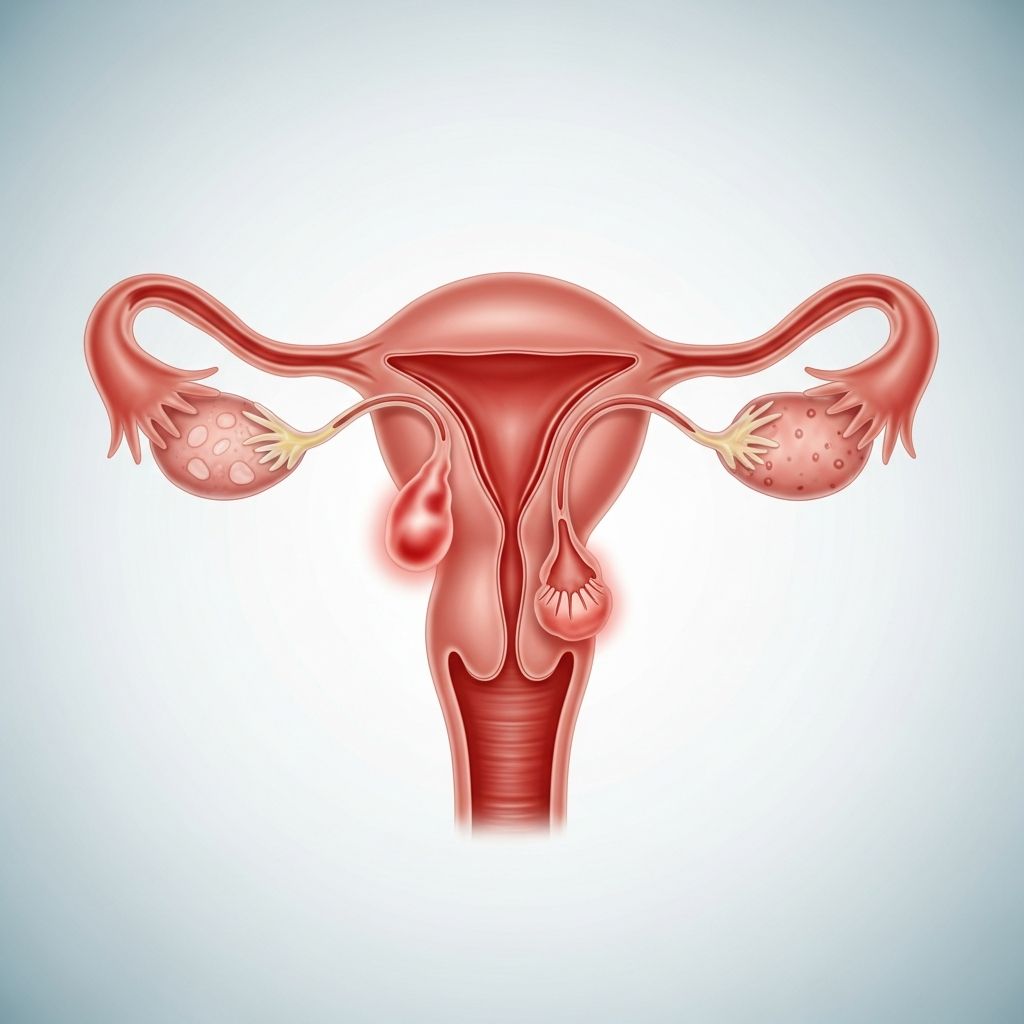
Pelvic inflammatory disease (PID) is a serious inflammatory condition affecting the upper female reproductive tract, including the uterus, fallopian tubes, and ovaries. This infection occurs when bacteria ascend from the vagina and cervix into the upper reproductive organs, potentially causing significant complications if left untreated. PID represents one of the most common gynecological infections in reproductive-age women and requires prompt medical attention and aggressive treatment to prevent long-term sequelae such as infertility and chronic pelvic pain.
What Is Pelvic Inflammatory Disease?
Pelvic inflammatory disease is a polymicrobial infection, meaning multiple types of bacteria can be involved in its development. The condition typically results from sexually transmitted infections (STIs) that spread upward through the reproductive tract. The most common bacterial culprits include Neisseria gonorrhoeae and Chlamydia trachomatis, though Mycoplasma genitalium is increasingly recognized as a causative agent. Additionally, other bacteria can cause PID, particularly following certain gynecological procedures or events that compromise the normal protective barriers of the reproductive system.
The infection can involve various parts of the upper genital tract, including cervicitis (cervical infection), endometritis (uterine lining infection), and salpingitis (fallopian tube infection). In severe cases, tubal ovarian abscesses may develop, which represent a potentially life-threatening complication requiring immediate medical intervention.
Risk Factors for PID
Understanding the risk factors for pelvic inflammatory disease is crucial for prevention and early intervention. Certain populations and behaviors significantly increase the likelihood of developing this condition.
Demographic and Behavioral Risk Factors
PID most commonly affects women under 35 years of age, with peak incidence in sexually active young women. The condition is rare before menarche, after menopause, and during pregnancy. Key risk factors include:
- History of previous PID infection
- Presence of bacterial vaginosis or sexually transmitted infections
- Younger age and nonwhite race (epidemiological patterns)
- Low socioeconomic status
- Multiple or new sexual partners
- Partners who do not use condoms
- Douching practices, which can disrupt normal vaginal flora
Recognizing PID Symptoms
The symptoms of pelvic inflammatory disease can vary significantly among affected women. Some women may experience no symptoms at all, which makes early detection challenging. However, recognizing common symptoms is essential for seeking timely medical care.
Common Symptoms
The most frequently reported symptoms include:
- Lower abdominal and pelvic pain: This is the most common symptom and may range from mild to severe
- Abnormal vaginal discharge: Often characterized by unusual odor, discoloration (yellow-green), or thickness
- Pain during sexual intercourse: Dyspareunia can occur during or after sex
- Painful urination: Dysuria presents as a burning sensation when urinating
- Irregular menstrual bleeding: Including spotting or bleeding between periods, particularly during or after menses
- Fever and chills: These symptoms indicate the presence of active infection
- Cervical motion tenderness: Pain during pelvic examination when the cervix is moved
It is important to note that even women with inflammation severe enough to cause scarring may have minimal or no symptoms, which underscores the importance of maintaining regular gynecological screening for at-risk populations.
Related Stories



Diagnosis of Pelvic Inflammatory Disease
Diagnosing PID requires a high index of clinical suspicion, particularly in reproductive-age women with risk factors, since the clinical presentation is highly variable and early-stage disease may present with minimal symptoms.
Diagnostic Criteria and Procedures
Healthcare providers utilize several diagnostic approaches:
- Clinical Assessment: Evaluation of symptoms and medical history with particular attention to risk factors for sexually transmitted infections
- Pelvic Examination: Physical examination to assess for cervical motion tenderness, guarding, and rebound tenderness
- Cervical Testing: Polymerase chain reaction (PCR) testing of cervical specimens for Neisseria gonorrhoeae and Chlamydia trachomatis
- Vaginal Discharge Analysis: Microscopic examination of cervical discharge to identify mucopurulent discharge and other abnormalities
- Imaging Studies: Ultrasonography or laparoscopy performed occasionally to visualize reproductive organs and identify complications such as tubal ovarian abscesses
A presumptive diagnosis of PID should be made and treatment initiated for sexually active young women and other women at risk for STIs if they experience pelvic or lower abdominal pain with no other identified cause and meet one or more minimum clinical criteria on pelvic examination.
Complications of Untreated PID
The importance of early intervention and aggressive treatment cannot be overstated, as untreated pelvic inflammatory disease can lead to severe, long-term complications affecting fertility and quality of life.
Major Complications
Infertility: Scarring and damage to the fallopian tubes can block the passage of eggs, preventing fertilization. PID is a leading preventable cause of infertility in women of reproductive age.
Chronic Pelvic Pain: Persistent pain resulting from scar tissue formation, inflammation, and altered anatomy can significantly impact quality of life and may require ongoing pain management.
Ectopic Pregnancy: Scarring in the fallopian tubes increases the risk of a fertilized egg implanting outside the uterus, a potentially life-threatening condition requiring emergency medical intervention.
Fitz-Hugh-Curtis Syndrome: This complication involves perihepatitis (inflammation around the liver), causing upper right quadrant pain and may result from acute gonococcal or chlamydial salpingitis.
Tubal Ovarian Abscesses: In severe cases, collections of pus may form within or near the fallopian tubes and ovaries, representing a potentially life-threatening condition requiring immediate medical management.
Chronic Infection: PID may become chronic, characterized by intermittent exacerbations and remissions, leading to ongoing reproductive complications.
Treatment Options for PID
Effective treatment of pelvic inflammatory disease is essential to eliminate infection, prevent complications, and preserve reproductive function. Treatment approaches vary based on disease severity and individual patient factors.
Antibiotic Therapy
Antibiotics form the cornerstone of PID treatment. A course of antibiotics is prescribed to eliminate the causative bacterial infection. Critical points regarding antibiotic use include:
- Completion of the entire prescribed course, even if symptoms improve before medication is finished
- Use of broad-spectrum antibiotics to cover multiple potential organisms
- Oral antibiotics for mild to moderate cases
- Intravenous antibiotics for severe infections or cases unresponsive to oral medications
Hospitalization
Hospitalization may be required in specific circumstances:
- Severe cases with high fever, significant abdominal pain, or signs of sepsis
- Failure to respond to oral antibiotic therapy
- Immunocompromised patients or those with suspected complications such as tubal ovarian abscesses
- Pregnant patients with PID
- Inability to tolerate or comply with oral medication regimens
Partner Treatment
Sexual partners should also receive treatment to prevent reinfection and further transmission of sexually transmitted infections. This represents a critical component of comprehensive PID management and requires partner notification and evaluation.
Follow-Up Care
Follow-up appointments are necessary to ensure complete resolution of infection and assess for any developing complications. Repeat testing may be performed to confirm microbiological cure, particularly in cases involving gonorrhea or chlamydia.
Prevention Strategies
Preventing pelvic inflammatory disease involves multiple strategies focused on reducing sexually transmitted infection transmission and maintaining reproductive tract health.
- Barrier Contraception: Consistent and correct use of condoms significantly reduces STI transmission risk
- Regular STI Screening: Sexually active women should undergo routine screening for chlamydia and gonorrhea, particularly those under 25 years or with multiple partners
- Sexual Health Education: Understanding transmission routes and practicing safe sex behaviors
- Prompt STI Treatment: Immediate treatment of diagnosed sexually transmitted infections prevents ascending infection
- Avoid Douching: Douching disrupts normal vaginal flora and increases PID risk
- Partner Communication: Open discussion with sexual partners about sexual health and testing
When to Seek Medical Attention
Women experiencing symptoms consistent with pelvic inflammatory disease should seek prompt medical evaluation. Particular urgency is warranted if:
- Severe abdominal pain or fever develops
- Symptoms persist despite home treatment attempts
- New symptoms develop during treatment
- Known exposure to sexually transmitted infections has occurred
- Symptoms of serious complications emerge, such as signs of sepsis or acute abdomen
Frequently Asked Questions About PID
Q: Can pelvic inflammatory disease affect my ability to become pregnant?
A: Yes, untreated or severe PID can cause scarring of the fallopian tubes that blocks egg passage, leading to infertility. This represents one of the most significant long-term consequences of the infection. Early diagnosis and aggressive treatment help minimize this risk.
Q: Is pelvic inflammatory disease contagious?
A: PID itself is not directly contagious, but the underlying sexually transmitted infections that cause it are transmissible. Sexual partners of women with PID should be evaluated and treated to prevent reinfection and further STI transmission.
Q: Can PID develop without symptoms?
A: Yes, some women with PID experience minimal or no symptoms despite having active infection that may cause scarring and other complications. This silent progression makes regular gynecological screening important for at-risk women.
Q: How long does PID treatment take?
A: Typical antibiotic courses last 10-14 days, though duration may vary based on severity and specific organisms identified. Follow-up care may extend several weeks to ensure complete resolution and assess for complications.
Q: What lifestyle changes help prevent PID?
A: Consistent condom use, avoiding douching, maintaining regular STI screening, limiting number of sexual partners, and seeking prompt treatment for any sexually transmitted infections significantly reduce PID risk.
Q: Can I develop PID multiple times?
A: Yes, women with a history of PID have increased risk for recurrence, particularly if underlying risk factors persist or if sexual partners are not treated for underlying infections.
References
- Pelvic Inflammatory Disease (PID) – Gynecology and Obstetrics — Merck Manuals. 2024. https://www.merckmanuals.com/professional/gynecology-and-obstetrics/vaginitis-cervicitis-and-pelvic-inflammatory-disease/pelvic-inflammatory-disease-pid
- Pelvic Inflammatory Disease: The Importance of Aggressive Treatment — Cleveland Clinic Journal of Medicine. 1998. https://www.ccjm.org/content/65/7/369
- Gynecologic Infectious Diseases Program — Cleveland Clinic. 2024. https://my.clevelandclinic.org/departments/obgyn-womens-health/depts/gynecologic-infectious-disease-program
- Understanding Pelvic Inflammatory Disease (PID) Prevention and Treatment — Unified Premier Women’s Care. 2024. https://unifiedpremierwomenscare.com/understanding-pelvic-inflammatory-disease-pid-prevention-and-treatment/
- Pelvic Inflammatory Disease: The Importance of Aggressive Treatment in Adolescents — PubMed Central. 1998. https://pubmed.ncbi.nlm.nih.gov/9679392/
Similar Articles








Read full bio of Sneha Tete