Pelvic Inflammatory Disease: Causes, Symptoms & Treatment
Comprehensive guide to PID: Understanding symptoms, diagnosis, and antibiotic treatment options.
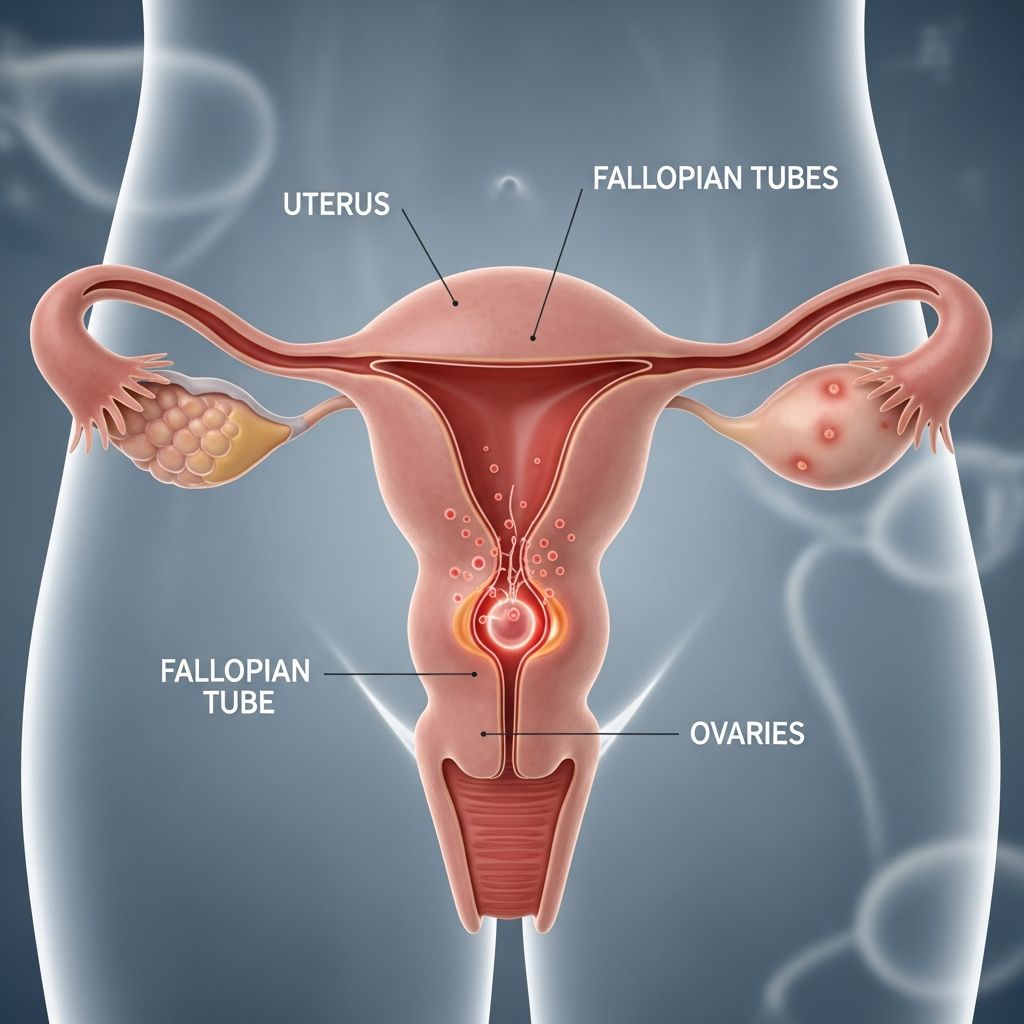
Understanding Pelvic Inflammatory Disease (PID)
Pelvic inflammatory disease (PID) is an infection of one or more of the upper reproductive organs, including the uterus, fallopian tubes, and ovaries. This serious gynecological condition occurs when bacteria ascend from the lower genital tract and establish infection in the upper reproductive tract. PID is a polymicrobial infection, meaning multiple types of bacteria are typically involved in the infection process. Left untreated, PID can lead to significant long-term complications including infertility, chronic pelvic pain, ectopic pregnancy, and tubo-ovarian abscess formation.
Early recognition and prompt treatment are critical for preventing serious reproductive consequences. However, many women with PID experience subtle or nonspecific symptoms, or may be asymptomatic altogether, which can delay diagnosis and allow the infection to progress. Healthcare providers must maintain a high index of suspicion for PID in sexually active women presenting with pelvic or lower abdominal pain, particularly when other causes have been excluded.
Causes of Pelvic Inflammatory Disease
The primary causes of PID are sexually transmitted infections (STIs). Two STIs account for the majority of cases: chlamydia and gonorrhea. These organisms are responsible for initiating upper genital tract infection in most women with PID. However, PID is typically a polymicrobial infection, meaning that even when a single pathogen like chlamydia or gonorrhea is identified, multiple bacterial species are usually present in the infected tissue.
Beyond STIs, PID can also result from non-sexually transmitted bacterial infections, most notably bacterial vaginosis (BV). Bacterial vaginosis is characterized by an imbalance in the normal vaginal flora, and the pathogenic organisms associated with BV can ascend to the upper genital tract and cause PID. Additionally, various anaerobic and aerobic bacteria that are part of normal or pathogenic vaginal flora can contribute to upper tract infection, particularly when the normal protective barriers are compromised.
Risk factors for developing PID include age under 25 years, multiple sexual partners, inconsistent condom use, history of previous STIs, and lack of regular gynecological screening. Intrauterine devices (IUDs), while generally safe, have been historically associated with slightly increased PID risk, though current evidence suggests this risk is minimal when proper insertion techniques are followed and screening for STIs is performed beforehand.
Recognizing Symptoms and Signs of PID
Primary Symptoms
The most common symptom of pelvic inflammatory disease is lower abdominal or pelvic pain. This pain may range from mild to severe and often worsens during sexual intercourse. The pain may be localized or diffuse across the lower abdomen and pelvis. Additionally, women may experience lower back pain or tenderness in the pelvic region.
Additional Clinical Manifestations
Beyond pelvic pain, women with PID frequently report:
– Abnormal vaginal discharge with unusual color, texture, or odor- Pain or discomfort during urination (dysuria)- Fever and chills- Irregular menstrual periods or abnormal uterine bleeding- Abnormal spotting or bleeding between periods- Bleeding or pain following sexual intercourse- Nausea and vomiting- Loss of appetite- Unusual fatigue or malaise- Increased urinary frequency- More severe menstrual cramping than usual
Asymptomatic and Subtle Presentations
A significant proportion of women with PID have minimal, subtle, or no symptoms at all. Some women may report only mild discomfort that they attribute to other causes. This asymptomatic or minimally symptomatic presentation poses a particular diagnostic challenge, as women may not seek medical evaluation until serious complications develop. Healthcare providers must therefore maintain clinical suspicion for PID even in women with vague complaints or minimal symptomatology.
Related Stories



Diagnosis of Pelvic Inflammatory Disease
Clinical Evaluation
Diagnosis of PID begins with a thorough history and physical examination. During the pelvic examination, clinicians assess for specific clinical criteria that support the diagnosis. According to current treatment guidelines, the presence of one or more of the following three minimum criteria in a sexually active woman with pelvic or lower abdominal pain warrants presumptive treatment for PID:
– Cervical motion tenderness (pain elicited when the cervix is gently moved during examination)- Uterine tenderness (pain or discomfort on palpation of the uterus)- Adnexal tenderness (pain or tenderness in the region of the fallopian tubes and ovaries)
Clinicians are encouraged to initiate treatment based on these minimum criteria rather than waiting for all three to be present, as requiring all three criteria reduces diagnostic sensitivity and may delay necessary treatment.
Diagnostic Testing
Laboratory confirmation of PID diagnosis typically involves nucleic acid amplification testing (NAAT) or polymerase chain reaction (PCR) testing of cervical or urethral specimens for chlamydia and gonorrhea. However, because treatment should be initiated promptly before test results are available, empiric broad-spectrum antibiotic therapy is started immediately upon clinical suspicion of PID.
Additional diagnostic considerations may include:
– Complete blood count to assess for elevated white blood cell count- Pelvic ultrasound to evaluate for signs of infection such as thickened fallopian tubes, free pelvic fluid, or tubo-ovarian complex- Diagnostic laparoscopy in cases where diagnosis is uncertain or when alternative diagnoses (such as ectopic pregnancy, appendicitis, or ovarian torsion) must be excluded- Consideration of other causes of acute pelvic pain in the differential diagnosis
Treatment Strategies for Pelvic Inflammatory Disease
General Treatment Principles
The cornerstone of PID treatment is early administration of empiric broad-spectrum antibiotics that provide coverage against the most likely pathogens, including chlamydia, gonorrhea, and anaerobic bacteria. Treatment should be initiated as soon as the presumptive diagnosis is made, as delays in therapy significantly increase the risk of long-term sequelae including infertility and chronic pelvic pain. It is important to note that while antibiotics can cure the infection, they cannot reverse any scarring or permanent damage to reproductive organs that may have already occurred.
Women should demonstrate clinical improvement within 3 days of initiating therapy. Expected signs of improvement include resolution of fever, reduction in direct or rebound abdominal tenderness, and reduction in uterine, adnexal, and cervical motion tenderness on examination.
Hospitalization Criteria
The decision to hospitalize for inpatient treatment versus outpatient management depends on clinical severity and the presence of certain risk factors. Hospitalization with intravenous antibiotic therapy is recommended for:
– Severe acute PID- Suspected tubo-ovarian abscess- Immunocompromised status- Inability to tolerate oral medications- Uncertain diagnosis where surgical emergency cannot be excluded- Failure to respond to outpatient therapy within 72 hours- Pregnancy complicated by PID- Adolescent patients with severe symptoms
Intravenous Antibiotic Regimens
For hospitalized patients requiring parenteral therapy, the following regimens have demonstrated efficacy:
Regimen 1:
– Ampicillin-sulbactam 3 g intravenously every 6 hours PLUS Doxycycline 100 mg orally or intravenously every 12 hours
Regimen 2:
– Clindamycin 900 mg intravenously every 8 hours PLUS Gentamicin with loading dose of 2 mg/kg body weight, followed by maintenance dose of 1.5 mg/kg every 8 hours (or single daily dosing of 3-5 mg/kg body weight)
After clinical improvement is documented, patients may transition to oral antibiotics to complete the full course of therapy.
Intramuscular and Oral Treatment Regimens
For women with mild to moderate PID without severe systemic illness, intramuscular or oral antibiotic regimens are appropriate first-line options and demonstrate clinical outcomes similar to intravenous therapy. These regimens allow most women to be treated in outpatient settings:
Regimen 1:
– Ceftriaxone 500 mg intramuscularly in a single dose PLUS Doxycycline 100 mg orally twice daily for 14 days WITH Metronidazole 500 mg orally twice daily for 14 days
Regimen 2:
– Cefoxitin 2 g intramuscularly in a single dose with Probenecid 1 g orally administered concurrently in a single dose, PLUS Doxycycline 100 mg orally twice daily for 14 days
Women treated with IM or oral therapy should demonstrate clinical improvement within 72 hours. Those failing to improve within this timeframe require reevaluation, possible hospitalization, assessment of antibiotic regimen adequacy, and consideration of alternative diagnoses or complications.
Supportive Care
While undergoing antibiotic treatment, women with PID may use over-the-counter pain relievers such as acetaminophen or ibuprofen to manage pelvic and abdominal pain. Adequate rest and avoidance of sexual intercourse during treatment are recommended. Patients should ensure completion of the full antibiotic course as prescribed, even if symptoms resolve earlier, to prevent treatment failure and reduce the risk of recurrence.
Follow-Up and Monitoring
Post-Treatment Follow-Up
A follow-up clinical visit should be scheduled 2-3 days after initiating treatment to assess treatment response and clinical improvement. Women who fail to show improvement at this visit may require hospitalization for more intensive management, additional diagnostic evaluation, and assessment of whether the current antibiotic regimen is adequate for the organisms involved.
Retesting After Treatment
All women who receive a diagnosis of chlamydial or gonococcal PID should be retested 3 months after completing treatment, regardless of whether their sex partners have been treated. This test of cure approach helps identify persistent or recurrent infections and allows for retreatment if necessary.
Intrauterine Device Management
If a woman with an IUD fitted receives a PID diagnosis, removal of the device is not automatically necessary. However, the woman should receive standard antibiotic treatment according to current guidelines and should have close clinical follow-up. If clinical improvement does not occur within 48-72 hours of initiating treatment, providers should consider removing the IUD, as it may be contributing to persistent infection.
Prevention and Patient Education
Prevention of PID involves reducing the risk of sexually transmitted infections through consistent condom use, regular STI screening, limiting the number of sexual partners, and maintaining open communication with partners about sexual health. Sexually active women, particularly those under age 25, should receive annual screening for chlamydia and gonorrhea. Prompt treatment of any diagnosed STI is critical for preventing progression to PID.
Healthcare providers should counsel patients about the importance of medication adherence, the need for partner notification and treatment, and the importance of follow-up visits to ensure treatment success.
Frequently Asked Questions
Q: Can pelvic inflammatory disease be cured?
A: Yes, PID can be cured with appropriate antibiotic treatment, particularly when started early. However, any scarring or damage to reproductive organs that occurred before treatment cannot be reversed, which is why early diagnosis and treatment are crucial.
Q: What are the long-term complications of untreated PID?
A: Untreated or delayed PID can result in infertility, chronic pelvic pain, ectopic pregnancy, and tubo-ovarian abscess formation. These complications can significantly impact a woman’s quality of life and fertility.
Q: How long does antibiotic treatment for PID typically last?
A: Most oral antibiotic regimens for PID involve 14 days of treatment. The duration may vary depending on whether intravenous therapy is used initially and the specific antibiotic regimen prescribed by your healthcare provider.
Q: Can I continue using my IUD if I develop PID?
A: An IUD does not need to be automatically removed when PID is diagnosed. You should receive standard antibiotic treatment and close clinical follow-up. If symptoms do not improve within 48-72 hours, your provider may recommend removal.
Q: Is it necessary to treat my sexual partner if I have PID?
A: Yes, sexual partners should be evaluated and treated for sexually transmitted infections, particularly if chlamydia or gonorrhea caused the PID. This helps prevent reinfection and protects partner health.
Q: Can I become pregnant after having PID?
A: While early treatment of PID reduces the risk of infertility, previous PID increases the risk of reduced fertility, ectopic pregnancy, and other reproductive complications. Discuss fertility concerns with your healthcare provider.
References
- Pelvic Inflammatory Disease (PID) – STI Treatment Guidelines — Centers for Disease Control and Prevention (CDC). Updated 2021. https://www.cdc.gov/std/treatment-guidelines/pid.htm
- Pelvic Inflammatory Disease (PID) — American College of Obstetricians and Gynecologists (ACOG). https://www.acog.org/womens-health/faqs/pelvic-inflammatory-disease
- Treatment of Pelvic Inflammatory Disease — National Health Service (NHS). https://www.nhs.uk/conditions/pelvic-inflammatory-disease-pid/treatment/
- Pelvic Inflammatory Disease – Diagnosis & Treatment — Mayo Clinic. https://www.mayoclinic.org/diseases-conditions/pelvic-inflammatory-disease/diagnosis-treatment/drc-20352600
- Pelvic Inflammatory Disease (PID) Information — Mount Sinai Health System. https://www.mountsinai.org/health-library/diseases-conditions/pelvic-inflammatory-disease-pid
- Pelvic Inflammatory Disease (PID) — Merck Manual Professional Edition. https://www.merckmanuals.com/professional/gynecology-and-obstetrics/vaginitis-cervicitis-and-pelvic-inflammatory-disease/pelvic-inflammatory-disease-pid
- Pelvic Inflammatory Disease — StatPearls/NCBI Bookshelf. National Center for Biotechnology Information. https://www.ncbi.nlm.nih.gov/books/NBK499959/
Similar Articles








Read full bio of Sneha Tete