Pelvic Pain: Causes, Diagnosis, and Treatment Options
Comprehensive guide to understanding, diagnosing, and treating chronic pelvic pain in women.
Understanding Pelvic Pain
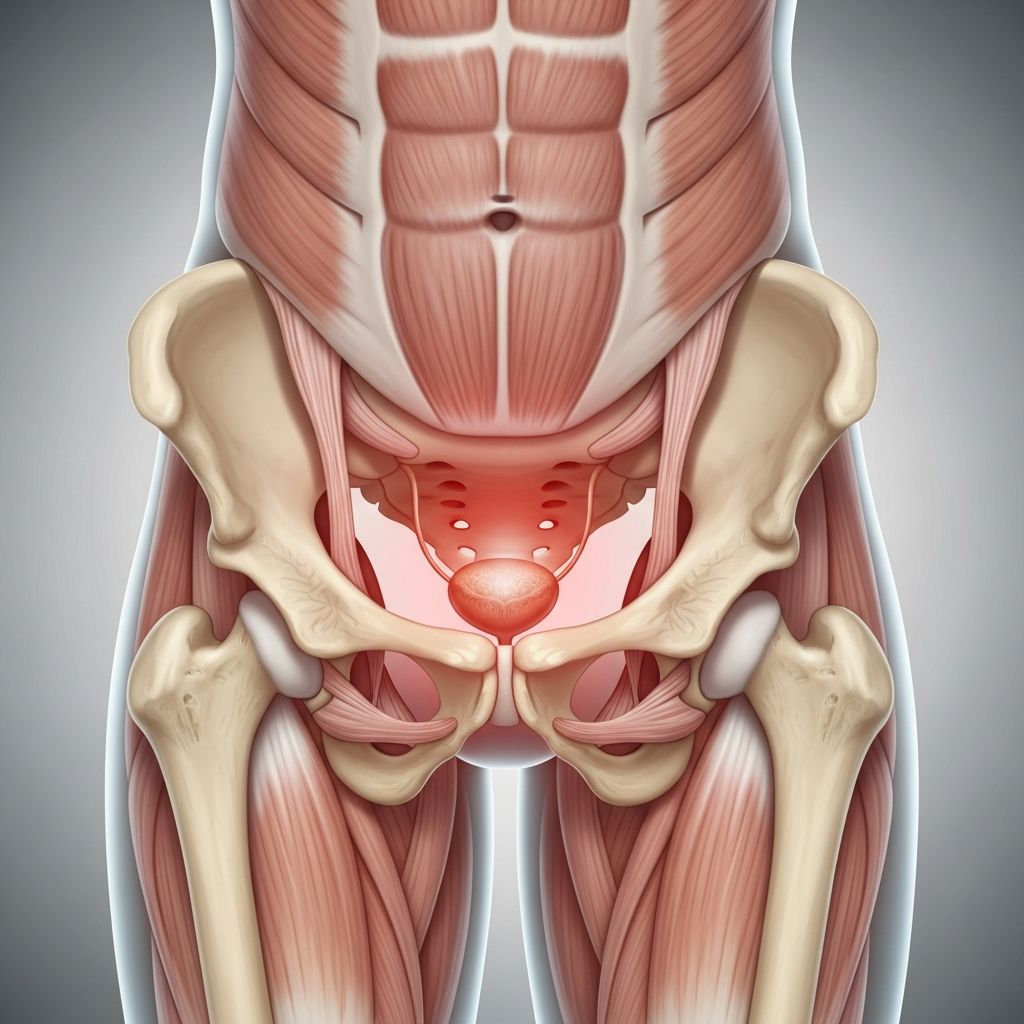
Pelvic pain is a complex condition that affects many women and can significantly impact quality of life and daily functioning. Chronic pelvic pain is typically defined as recurrent or constant pain in the lower abdominal region that has lasted for at least 6 months. This condition can arise from multiple causes, including gynecological, musculoskeletal, urological, gastrointestinal, and psychological factors. The multifactorial nature of pelvic pain requires a comprehensive, team-based approach to diagnosis and management, particularly in the primary care setting.
Understanding pelvic pain begins with recognizing that it rarely has a single cause. Many women experience overlapping symptoms from different anatomical systems, making diagnosis challenging without a systematic and thorough evaluation. A holistic approach that addresses the physical, social, and psychological aspects of chronic pelvic pain is essential for successful treatment outcomes.
Causes and Risk Factors
Pelvic pain can originate from various sources within the pelvic region. Gynecological causes include endometriosis, pelvic inflammatory disease, ovarian cysts, and fibroids. Musculoskeletal issues such as pelvic floor dysfunction, myofascial pain syndrome, and postural abnormalities can contribute significantly to chronic pain. Urological factors including interstitial cystitis and bladder dysfunction may be involved, while gastrointestinal conditions like irritable bowel syndrome and inflammatory bowel disease can also manifest as pelvic pain.
Certain risk factors increase the likelihood of developing chronic pelvic pain. These include a history of sexual trauma, physical trauma, previous surgeries, childbirth complications, and psychological stress. Understanding these risk factors allows healthcare providers to identify high-risk patients and implement preventive strategies early.
Diagnostic Evaluation
A thorough diagnostic approach is fundamental to identifying the underlying causes of pelvic pain and developing an effective treatment plan.
Medical History
The history is of utmost importance in evaluating pelvic pain. Clinicians should obtain detailed information about pain characteristics, including location, duration, intensity, and factors that worsen or improve symptoms. A complete gynecologic history is essential, including information about pregnancy, delivery complications, dyspareunia (painful intercourse), sexual assault, and trauma. A detailed review of systems should focus on the reproductive, gastroenterologic, musculoskeletal, urologic, and neuropsychiatric systems to identify connections between pelvic pain and other bodily systems.
Physical Examination
The physical examination should be directed by the patient’s history but should always include thorough abdominal and pelvic examinations. These examinations should be conducted slowly and gently, with clinicians assessing for areas of tenderness, masses, and other abnormalities.
The pelvic examination begins with visual inspection for redness, discharge, lesions, fissures, excoriations, and other abnormalities. A moistened cotton swab may be used to evaluate the vulva and vestibule for localized tenderness. The manual portion of the pelvic examination should begin with a single digit, noting any introital tenderness or spasm. The levator ani muscles should be directly palpated for tone and tenderness, with attention to the bladder and musculoskeletal structures. A bimanual examination assessing uterine size and tenderness, nodularity, or fixed, immobile uterus completes the assessment.
Related Stories



Diagnostic Testing
Depending on the clinical presentation, various imaging and laboratory tests may be warranted. Transvaginal ultrasound can identify gynecological abnormalities such as endometriosis or fibroids. MRI may provide detailed visualization of pelvic structures. Laboratory tests can help rule out infections or inflammatory conditions. Specialized testing such as surface electromyography can assess pelvic floor muscle function and guide treatment planning.
Comprehensive Treatment Approaches
Treatment for pelvic pain typically involves a multidisciplinary approach combining medication, physical therapy, behavioral interventions, and sometimes surgical options. The treatment plan should develop over multiple visits as the patient-provider relationship strengthens and treatment response is evaluated.
Medical Management
The main goals of medical therapy are to improve function and quality of life while minimizing adverse effects. Nonsteroidal anti-inflammatory drugs (NSAIDs) and acetaminophen may provide pain relief, although evidence for their efficacy in treating chronic pelvic pain is limited. For some patients, prescription medications targeting specific conditions may be appropriate, such as hormonal therapies for endometriosis-related pain or medications for overactive bladder symptoms. The choice of medication should be individualized based on the underlying cause and patient tolerance.
Pelvic Physical Therapy
Pelvic physical therapy is a highly effective treatment option for many patients with pelvic pain. This specialized therapy targets the musculoskeletal components of bowel, bladder, and sexual function to restore strength, flexibility, balance, and coordination to the pelvic floor and surrounding lumbopelvic muscles.
Patients with dyspareunia, pain with activity, or significant musculoskeletal abnormalities such as vaginismus or point tenderness on examination are particularly good candidates for pelvic physical therapy. Treatment is performed by a physical therapist with special training in techniques to manipulate the pelvic floor and address pelvic pain.
Pelvic Physical Therapy Techniques
During the initial evaluation, patients receive an external and internal pelvic examination assessing muscle length, strength, and coordination of the back, hip, and internal pelvic floor. Internal evaluation can be done vaginally or rectally using one gloved finger, without the need for specula or stirrups. Biofeedback and surface electromyography are used to evaluate muscle activity and assist patients in developing appropriate motor control.
Down-training or Relaxation: This technique focuses on reducing tone in overactive pelvic muscles and can improve symptoms of chronic pelvic pain, sexual pain, vulvodynia, and pudendal neuralgias. Patients learn to recognize chronic holding patterns and release them through stretching, cardiovascular activity, meditation, and manual release techniques. Internal musculature can be manipulated by a therapist or by trained partners, and patients can self-treat using vaginal dilators.
Functional Coordination Training: Functional coordination of the pelvic floor is necessary for comfortable vaginal penetration and defecation. Training with biofeedback improves patients’ ability to relax and open the pelvic floor. Vaginal dilators combined with surface electromyography are used to treat vaginismus and eliminate reflexive pelvic floor spasm during penetration. Manual release techniques can restore normal tissue mobility, reducing pain from postsurgical changes, postpartum effects, atrophic changes, shortened muscles, and adhesions.
Behavioral and Lifestyle Interventions
Behavioral interventions play a crucial role in managing pelvic pain. These may include cognitive-behavioral therapy to address pain-related anxiety and depression, stress management techniques, and modifications to daily activities that exacerbate pain. Patients are encouraged to maintain a healthy lifestyle, manage weight appropriately, stay physically active, and practice stress-reduction techniques such as meditation and mindfulness.
Medication Options for Specific Conditions
For patients with overactive bladder, different classes of medications can be prescribed to help manage symptoms. Some medications have been available for decades but may have side effects that limit their use. Newer options may be better tolerated by some patients. The choice of medication should be made in consultation with healthcare providers familiar with the individual patient’s medical history and symptoms.
Specialized Treatment Options
Vaginal Pessaries
For certain conditions such as pelvic organ prolapse, vaginal pessaries may be recommended. These are small inserts placed into the vaginal canal that provide support and can alleviate symptoms. Pessaries are a conservative treatment option that can be particularly beneficial for patients who prefer non-surgical approaches or who are not surgical candidates.
Percutaneous Tibial Nerve Stimulation
Percutaneous tibial nerve stimulation is an additional conservative treatment option that may help with certain types of pelvic pain and bladder dysfunction. This minimally invasive procedure involves stimulation of the tibial nerve, which has connections to pelvic floor function.
Acupuncture
Some patients find relief through acupuncture, an ancient therapeutic technique that may help modulate pain signals and reduce pelvic floor tension. While evidence continues to evolve, acupuncture remains an option for patients interested in complementary approaches.
Surgical Interventions
While non-surgical treatment options are typically tried first, surgical interventions may be considered for specific conditions when conservative measures have not provided adequate relief. For stress urinary incontinence, procedures such as transobturator tape, tension-free vaginal tape, pubovaginal slings, and Burch procedures may be considered. General principles and precautions with transvaginal surgery should be carefully discussed with surgical specialists.
Patient Education and Self-Management
Patient education is vital for successful pelvic pain management. Patients should understand that pelvic pain is not their fault and that effective treatments are available. Healthcare providers should discuss realistic treatment goals and help patients develop self-management strategies. For patients with minimal symptoms, education and conversation about preventive measures can be particularly useful and may prevent symptom progression.
A key aspect of patient education involves explaining the complexity of the pelvic floor. Many patients benefit from understanding that pelvic floor muscles are not simply squeezed and relaxed but involve complex coordination of multiple muscle groups. Meeting with specialized pelvic floor physical therapists multiple times allows patients to develop a thorough understanding of their condition and appropriate treatment strategies.
The Role of Team-Based Care
Patients are often best served when their primary care provider directs a team-based approach to their care. This multidisciplinary team may include gynecologists, urogynecologists, urologists, gastroenterologists, physical therapists, mental health professionals, and other specialists depending on the patient’s specific needs. Effective communication among team members ensures coordinated care and comprehensive management of all contributing factors to pelvic pain.
When to Seek Treatment
Patients experiencing significant pelvic pain should not hesitate to seek professional evaluation. While some patients with minor symptoms may find that watchful waiting is appropriate, those with very bothersome symptoms should seek care without self-blame. Healthcare providers recognize that every patient’s story is different and can offer individualized treatment options. Even when perfect fixes are not possible, treatment can significantly improve quality of life.
Frequently Asked Questions
Q: What is considered chronic pelvic pain?
A: Chronic pelvic pain is defined as recurrent or constant pain in the lower abdominal region that has lasted for at least 6 months. It can arise from multiple causes including gynecological, musculoskeletal, urological, and gastrointestinal conditions.
Q: How is pelvic pain diagnosed?
A: Diagnosis involves a detailed medical history, comprehensive physical examination including careful pelvic assessment, and appropriate diagnostic testing such as ultrasound, MRI, laboratory tests, or specialized muscle function testing based on clinical presentation.
Q: Is pelvic physical therapy effective?
A: Yes, pelvic physical therapy is highly effective for many patients, particularly those with musculoskeletal contributions to their pain. Specialized physical therapists use techniques including muscle relaxation training, biofeedback, and coordinated movement exercises to reduce pain and improve function.
Q: What should I do if conservative treatments don’t help?
A: If conservative treatments including medication, physical therapy, and behavioral interventions do not provide adequate relief, surgical options may be considered for specific conditions. Discuss all options with your healthcare provider to determine the best approach for your situation.
Q: Can pelvic pain affect sexual function?
A: Yes, pelvic pain can significantly affect sexual function, causing dyspareunia (painful intercourse). Good communication with healthcare providers and specialized treatment addressing both pain and sexual function can help restore comfort and intimacy.
Q: How long does pelvic physical therapy take?
A: Treatment duration varies depending on the severity of symptoms and individual response to therapy. Many patients benefit from multiple sessions with specialized pelvic floor physical therapists to develop appropriate motor control and achieve lasting relief.
Q: Should I blame myself for having pelvic pain?
A: No. Pelvic pain is a medical condition with multiple potential causes, and patients should not blame themselves. Effective treatments are available, and healthcare providers are here to help improve your quality of life without judgment.
References
- Pelvic pain — Johns Hopkins University. 2024. https://pure.johnshopkins.edu/en/publications/pelvic-pain-5/
- Primary care management of chronic pelvic pain in women — Cleveland Clinic Journal of Medicine, Vol. 85, No. 3. 2018. https://www.ccjm.org/content/85/3/215
- Pelvic Floor Disorders in Women — Johns Hopkins Medicine. 2024. https://www.youtube.com/watch?v=W_IowldPRSQ
- A Woman’s Guide to Pelvic Health — Johns Hopkins University Press. 2024. https://www.press.jhu.edu/books/title/10564/womans-guide-pelvic-health
Similar Articles








Read full bio of medha deb