Pelvic Pain: Causes, Symptoms, Treatment & Relief
Understanding pelvic pain: comprehensive guide to causes, symptoms, and effective treatment options.
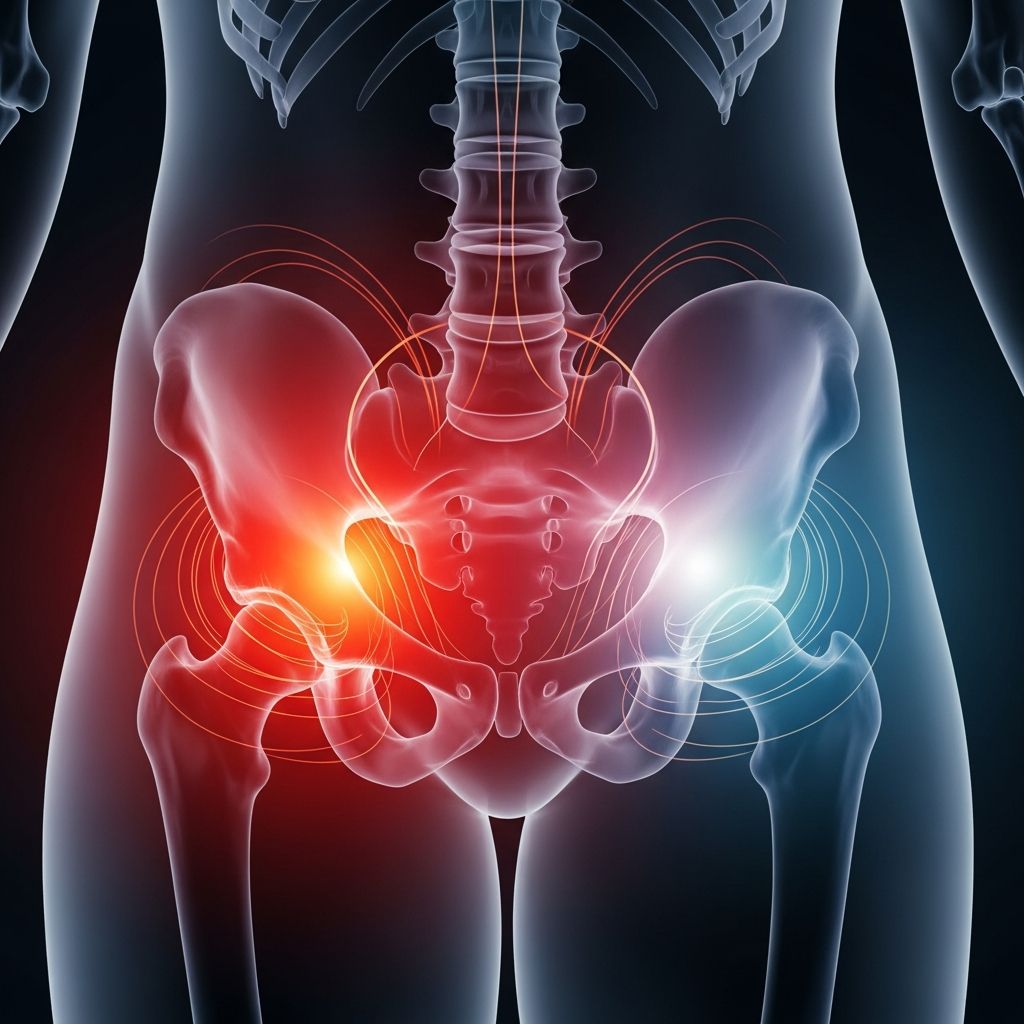
Understanding Pelvic Pain: A Comprehensive Guide
Pelvic pain is a common condition affecting many individuals, particularly women, and can significantly impact quality of life and daily functioning. Defined as pain located in the lower abdomen, pelvis, or genital area that persists for longer than six months, chronic pelvic pain affects approximately one in seven women in the United States. This condition is as prevalent in primary care settings as asthma or back pain, often resulting in lost work days, decreased productivity, and increased healthcare spending. Understanding the underlying causes, recognizing symptoms, and exploring treatment options can help individuals manage this condition effectively.
What is Pelvic Pain?
Pelvic pain encompasses discomfort in the lower abdomen and pelvic region that can range from mild to severe. It may be constant or intermittent, and its origin can be traced to various sources within the body. For many individuals, the pain originates from reproductive organs, but it can also stem from the bladder, gastrointestinal system, or the nerves of pelvic and abdominal muscles. In some cases, pelvic pain results from multiple causes simultaneously, making accurate diagnosis and treatment planning more challenging.
The condition is classified as chronic when pain persists for more than six months. This distinction is important because chronic pelvic pain often requires a comprehensive, multidisciplinary approach to treatment, addressing not only the physical symptoms but also the psychological and social aspects of the condition.
Common Causes of Pelvic Pain
Pelvic pain can originate from numerous underlying conditions. Understanding these potential causes is essential for proper diagnosis and treatment. The most common causes include:
Gynecological Causes
Endometriosis represents the most common gynecological cause of chronic pelvic pain. This condition occurs when tissue similar to the uterine lining grows outside the uterus, causing pain that often fluctuates with the menstrual cycle. Women experiencing cyclic chronic pelvic pain should be empirically treated with hormonal therapy for at least three to six months before diagnostic procedures like laparoscopy are considered.
Pelvic Inflammatory Disease (PID) is an infection of the female reproductive organs that can cause chronic pain, typically accompanied by vaginal discharge and lower abdominal symptoms. Prompt treatment with antibiotics is crucial to prevent serious complications such as infertility.
Pelvic Congestion Syndrome involves chronic pelvic pain unrelated to menstruation or pregnancy, caused by problems with blood flow in pelvic veins. This condition creates a sensation of heaviness or aching in the pelvic region.
Urological and Gastrointestinal Causes
Chronic pelvic pain can also originate from bladder conditions, urinary tract issues, or gastrointestinal disorders. The complexity of pelvic anatomy means that pain may be referred from organs not directly in the pelvic region.
Musculoskeletal Causes
Pelvic Floor Dysfunction occurs when muscles in the pelvic floor become too tense or weak, affecting bowel, bladder, and sexual function. This condition often requires specialized physical therapy to address underlying musculoskeletal issues.
Related Stories



Recognizing Symptoms of Pelvic Pain
Pelvic pain presents with various symptoms that can help identify its source and severity. Individuals should seek medical attention if they experience:
– Pain during menstrual periods- Discomfort during bowel movements- Pain when urinating- Pain during or after sexual intercourse- Persistent aching or pressure in the lower abdomen or pelvis- Pain that interferes with daily activities or work
The location, intensity, and timing of pain can provide valuable diagnostic clues. Pain that worsens during specific activities or at particular times in the menstrual cycle may indicate particular underlying conditions.
Diagnosis and Evaluation
Diagnosing the cause of chronic pelvic pain requires a systematic, thorough approach. A detailed history and examination form the foundation of diagnosis. Healthcare providers conduct a comprehensive evaluation including:
Medical History
A detailed discussion of symptom onset, duration, location, and factors that worsen or improve symptoms helps establish the diagnostic direction. Information about menstrual cycles, sexual activity, bowel and bladder function, and impact on daily life provides essential context.
Physical Examination
Physical examination should include careful abdominal and pelvic assessment conducted slowly and gently, assessing for areas of tenderness, masses, and other abnormalities. Healthcare providers work to pinpoint the exact anatomic locations of tenderness, facilitating ongoing dialogue with the patient about pain at each examination point.
Targeted Testing
Depending on the clinical presentation, healthcare providers may order imaging studies, laboratory tests, or other diagnostic procedures to identify specific causes. Determining the exact cause of chronic pelvic pain may not be straightforward and often requires multiple visits to healthcare providers.
Treatment Options for Pelvic Pain
A holistic approach ensures that the treatment plan adequately addresses the physical, social, and psychological aspects of chronic pelvic pain. Treatment strategies are individualized based on the underlying cause and may include medication, physical therapy, behavioral interventions, and lifestyle modifications.
Medical Therapy
The primary goals of medical therapy are to improve function and quality of life while minimizing adverse effects.
Over-the-Counter Pain Relievers: Nonsteroidal anti-inflammatory drugs (NSAIDs) like ibuprofen or naproxen sodium can provide pain relief, though evidence for their efficacy in chronic pelvic pain is limited. Acetaminophen may also provide some relief for mild to moderate pain.
Hormonal Therapy: For pelvic pain related to endometriosis or conditions linked to menstrual cycles, hormonal contraceptives that stop or decrease menstrual flow can significantly help. Birth control medications are often used as first-line treatment before considering more invasive diagnostic procedures.
Prescription Medications: Depending on the underlying cause, healthcare providers may prescribe anti-inflammatories, antibiotics, muscle relaxants, antidepressants, or bladder relaxing medicines. Alpha blockers and other targeted medications address specific conditions contributing to pelvic pain.
Pelvic Physical Therapy
Pelvic physical therapy targets the musculoskeletal components affecting bowel, bladder, and sexual function. A physical therapist with special training manipulates the pelvic floor to address pain and restore strength, flexibility, balance, and coordination to the pelvic floor and surrounding lumbopelvic muscles.
Patients with pain during sexual intercourse, pain with activity, or musculoskeletal abnormalities like vaginismus are particularly good candidates for this therapy. During initial evaluation, the therapist assesses muscle length, strength, and coordination through external and internal pelvic examination.
Down-Training and Relaxation: This technique focuses on reducing tone in overactive pelvic muscles through stretching, cardiovascular activity, meditation, and manual release of involved muscle groups. It can improve symptoms of chronic pelvic pain, sexual pain, vulvodynia, and pudendal neuralgias.
Biofeedback: Using sensors and monitors, patients learn to contract and relax pelvic floor muscles appropriately, improving muscle function and control. Biofeedback improves a patient’s ability to relax and open the pelvic floor for comfortable vaginal penetration and defecation.
Behavioral and Psychological Interventions
Chronic pain often has psychological components that require attention. Behavioral therapies, stress management, and counseling can help individuals cope with pain and improve overall well-being. A comprehensive care team may include psychologists and counselors alongside medical professionals.
Lifestyle Modifications
Initial treatment may include diet and fluid management, along with stress and behavioral therapies. Lifestyle changes such as limiting irritating foods, staying hydrated appropriately, and stress reduction techniques can complement medical and therapeutic interventions.
Home Management Strategies
While professional treatment is important, several strategies can help manage pelvic pain at home:
– Take over-the-counter pain relievers as directed for mild discomfort- Apply heat therapy to the lower abdomen or pelvic region- Engage in gentle stretching and relaxation exercises- Maintain regular physical activity as tolerated- Practice stress reduction techniques like meditation or deep breathing- Avoid foods or beverages that trigger or worsen symptoms- Maintain open communication with healthcare providers about symptoms
When to Seek Medical Attention
Individuals should contact their primary care doctor or gynecologist if they experience persistent pelvic pain, particularly if it interferes with daily activities or quality of life. Seek immediate medical attention if pain is severe, accompanied by fever, heavy vaginal bleeding, or signs of infection.
Specialized Treatment Approaches
For complex cases, specialized treatment protocols may be employed. Cleveland Clinic’s UPOINT evaluation and treatment protocol for chronic pelvic pain has demonstrated that more than 80 percent of patients experience clinically significant improvement or eradication of symptoms. This comprehensive approach involves multidisciplinary evaluation and personalized treatment planning.
Comprehensive care programs combine multiple disciplines including physicians, nurses, psychologists, counselors, physical therapists, and occupational therapists to deliver care targeting the multiple needs of patients with chronic pain.
Prognosis and Outlook
The prognosis for chronic pelvic pain varies depending on the underlying cause and treatment response. Many individuals experience significant improvement with appropriate diagnosis and comprehensive treatment. Goals of therapy focus on incremental and meaningful improvements in pain, function, and overall well-being rather than complete pain elimination.
Patients are often best served when their primary care provider directs a team-based approach to care, coordinating with specialists as needed. Early diagnosis and intervention can prevent complications and improve long-term outcomes.
Frequently Asked Questions
Q: How is chronic pelvic pain different from acute pelvic pain?
A: Chronic pelvic pain persists for longer than six months, while acute pain is shorter in duration. Chronic pain often requires different management strategies and multidisciplinary treatment approaches than acute pain.
Q: Can pelvic pain be cured?
A: The potential for cure depends on the underlying cause. While some conditions like infections can be cured with appropriate treatment, others like endometriosis or pelvic floor dysfunction may require ongoing management to control symptoms effectively.
Q: Is pelvic pain more common in women?
A: Yes, chronic pelvic pain is more prevalent in women, affecting approximately one in seven. However, men can also experience chronic pelvic pain from various urological and musculoskeletal causes.
Q: Can stress worsen pelvic pain?
A: Yes, stress can exacerbate pelvic pain, particularly in conditions involving pelvic floor dysfunction. Stress reduction techniques and behavioral interventions are important components of comprehensive treatment.
Q: How long does pelvic physical therapy take to work?
A: Treatment duration varies by individual and the specific condition being treated. Many patients begin experiencing improvement within several weeks to months of consistent therapy, though some may require longer treatment periods.
Q: What should I do if my initial treatment isn’t working?
A: If initial treatment is ineffective, communicate openly with your healthcare provider. The treatment plan may need adjustment, additional testing may be required, or referral to a specialist might be necessary.
References
- Center for Endometriosis and Chronic Pelvic Pain Overview — Cleveland Clinic. 2024. https://my.clevelandclinic.org/departments/obgyn-womens-health/depts/endometriosis-chronic-pelvic-pain
- Primary care management of chronic pelvic pain in women — Cleveland Clinic Journal of Medicine. 2018. https://www.ccjm.org/content/85/3/215
- Chronic Pelvic Pain Fact Sheet — Cleveland Clinic Glickman Urological & Kidney Institute. 2024. https://my.clevelandclinic.org/-/scassets/files/org/urology-kidney/fact-sheets/mens-health-fact-sheet-pelvic-pain.ashx
- Pelvic Floor Disorder & Dysfunction – Treatment Options — Cleveland Clinic Abu Dhabi. 2024. https://www.clevelandclinicabudhabi.ae/en/health-byte/health/what-is-pelvic-floor-disorder-and-how-can-it-be-treated
- Pelvic Floor Dysfunction: What It Is, Symptoms & Treatment — Cleveland Clinic. 2024. https://my.clevelandclinic.org/health/diseases/14459-pelvic-floor-dysfunction
Similar Articles








Read full bio of medha deb