Pelvic Problems: Types, Symptoms, and Treatment
Comprehensive guide to understanding pelvic floor disorders and available treatment options.
Understanding Pelvic Problems
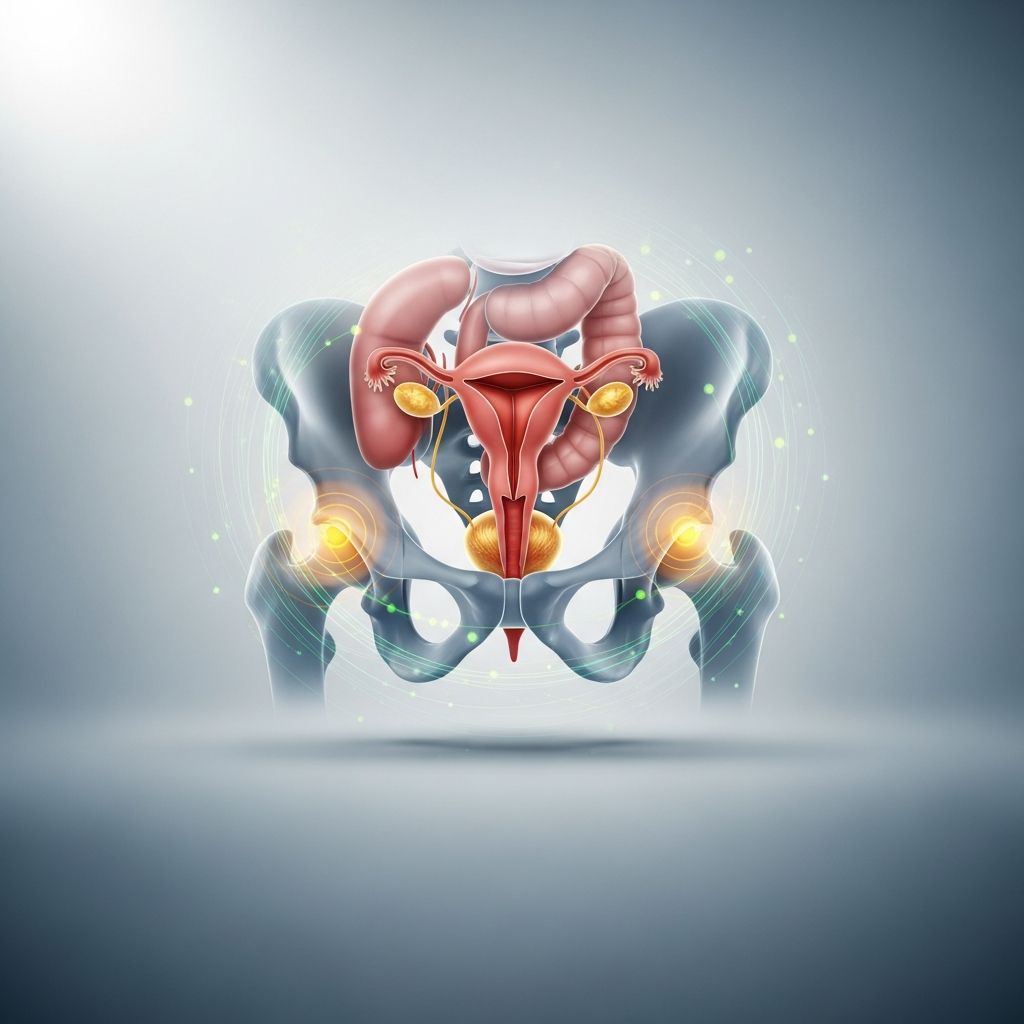
Pelvic floor disorders affect millions of people worldwide, with significant impacts on quality of life and daily functioning. The pelvic floor is a complex system of muscles, ligaments, and connective tissues that support vital organs including the bladder, uterus, and bowel. When these structures weaken or become damaged, various health complications can arise. Understanding the anatomy of the pelvic floor and recognizing the signs of dysfunction is essential for seeking appropriate medical care and treatment.
What Is the Pelvic Floor?
The pelvic floor is a network of muscles and tissues that form a supportive hammock-like structure at the base of the pelvis. These muscles are responsible for supporting pelvic organs, maintaining continence, and playing an important role in sexual function. The pelvic floor muscles work in coordination with the abdominal and back muscles to provide stability and control. Despite their critical importance, many people have limited understanding of pelvic floor anatomy and function, which can delay diagnosis and treatment of related conditions.
Common Types of Pelvic Problems
Stress Urinary Incontinence
Stress urinary incontinence is characterized by unintended leakage of urine during activities that increase abdominal pressure, such as laughing, coughing, sneezing, or exercising. This condition occurs when the muscles and tissues supporting the urethra and bladder weaken, reducing their ability to maintain continence during physical activity. It is one of the most common forms of urinary incontinence and can significantly impact a person’s social and professional life. Women are particularly susceptible to stress incontinence after pregnancy and childbirth, though it can affect anyone with weakened pelvic floor muscles.
Overactive Bladder and Urge Incontinence
Overactive bladder involves frequent and urgent urination, often accompanied by involuntary urine leakage. People with this condition experience sudden, strong urges to urinate that may be difficult to suppress, leading to incontinence if a restroom is not readily accessible. The symptoms can severely restrict daily activities, affecting work, social engagements, and sleep patterns. Urge incontinence differs from stress incontinence in that it results from involuntary bladder muscle contractions rather than physical exertion.
Mixed Urinary Incontinence
Mixed urinary incontinence combines characteristics of both stress incontinence and urge incontinence, occurring when individuals experience both involuntary urine leakage during activity and sudden urges to urinate. This condition represents a blend of the two primary incontinence types and requires a comprehensive treatment approach addressing both components of the disorder.
Pelvic Organ Prolapse
Pelvic organ prolapse occurs when the support structures of the pelvic organs weaken significantly, causing the bladder, uterus, or bowel to descend into the vaginal canal. This condition develops over time as the ligaments and muscles lose their elasticity and supportive capacity. Symptoms may range from a sensation of heaviness or bulging in the vagina to more severe complications affecting bladder and bowel control. The severity of prolapse varies considerably among individuals, and treatment options depend on the extent of the condition and its impact on quality of life.
Fecal Incontinence
Fecal incontinence involves the involuntary leakage of bowel movements and represents another significant pelvic floor disorder. This condition occurs when the external anal sphincter, which is part of the pelvic floor muscle system, becomes weakened or damaged. Fecal incontinence can result from childbirth trauma, chronic straining, neurological conditions, or age-related muscle degeneration. The psychological and social impact of this condition can be substantial, often leading to social isolation and reduced quality of life.
Pelvic Pain
Chronic pelvic pain lasting more than six months in the pelvis, lower abdomen, and genital region represents another category of pelvic floor dysfunction. This pain can be intermittent or constant and may arise from muscle tension, nerve irritation, inflammation, or other underlying conditions. Chronic pelvic pain can significantly interfere with work, relationships, and overall well-being. Pain with sexual intercourse, known as dyspareunia, is also considered a pelvic floor-related condition that warrants medical attention.
Symptoms and Warning Signs
Recognizing symptoms of pelvic floor problems is crucial for early intervention and treatment. Common signs include:
– Involuntary urine leakage during physical activity, coughing, or sneezing- Frequent and urgent need to urinate, particularly at night- Difficulty emptying the bladder or bowel completely- Sudden, strong urges to urinate that are difficult to suppress- Involuntary leakage of bowel movements or inability to control bowel movements- Sensation of heaviness, bulging, or pressure in the vaginal area- Pain or discomfort during sexual intercourse- Chronic pain in the pelvic region, lower abdomen, or genitals- Sensation of something protruding from the vagina
These symptoms can vary widely in severity and may develop gradually over time or appear suddenly following an injury or trauma.
Risk Factors and Causes
Multiple factors can contribute to the development of pelvic floor problems. Pregnancy and childbirth represent significant risk factors, particularly vaginal delivery, which can stretch and damage pelvic floor muscles. Chronic straining from constipation, heavy lifting, or persistent coughing can weaken pelvic floor structures over time. Age-related muscle degeneration, hormonal changes associated with menopause, obesity, and neurological conditions all increase vulnerability to pelvic floor dysfunction. Previous pelvic surgeries, hysterectomies, or incontinence procedures can also affect pelvic floor integrity and function.
Non-Surgical Treatment Options
Pelvic Floor Physical Therapy
Pelvic floor physical therapy represents a cornerstone of conservative treatment for many pelvic floor disorders. Specialized physical therapists trained in pelvic floor rehabilitation teach patients proper muscle contraction and relaxation techniques. This therapy is particularly effective for stress incontinence and certain types of pelvic pain. The complexity of the pelvic floor muscles requires professional guidance, as simple exercises alone may not address underlying dysfunction. A skilled physical therapist can provide biofeedback, teach proper breathing techniques, and develop individualized exercise programs tailored to each patient’s specific needs and goals.
Medication
Pharmacological interventions can help manage specific pelvic floor conditions. For overactive bladder, anticholinergic medications have been used for decades to help reduce bladder muscle contractions and urgency. These medications work by relaxing the bladder muscle, reducing involuntary contractions. However, some anticholinergic medications may have side effects that limit their use in certain populations. Newer medication classes offer alternatives with potentially improved side effect profiles for patients with overactive bladder symptoms.
Lifestyle and Behavioral Modifications
Lifestyle changes can significantly impact pelvic floor health and symptom severity. Maintaining healthy body weight reduces pressure on pelvic structures and improves overall pelvic floor function. Dietary modifications, particularly increasing fiber intake to prevent constipation, reduce chronic straining that can damage pelvic floor muscles. Staying physically active through low-impact exercises supports pelvic health without excessive strain. Fluid management and timed voiding patterns can help control urinary symptoms. Avoiding heavy lifting and learning proper body mechanics also contribute to pelvic floor preservation.
Vaginal Pessaries
Pessaries are small insertable devices placed in the vaginal canal to provide mechanical support for pelvic organs. These devices are particularly useful for managing pelvic organ prolapse symptoms without surgical intervention. Pessaries come in various shapes and sizes, and a healthcare provider can fit the appropriate device for individual anatomy. They work by supporting the vaginal tissues and preventing organ descent. While pessaries require regular cleaning and maintenance, they offer a non-surgical option for symptom management, particularly for patients who are not candidates for surgery or prefer conservative treatment.
Other Conservative Approaches
Additional conservative treatment options include percutaneous tibial nerve stimulation, which involves electrical stimulation of nerves affecting bladder function, and acupuncture for chronic pelvic pain management. Biofeedback techniques help patients develop awareness and control of pelvic floor muscles. Urethral dilation may be considered in specific cases. These therapies offer alternatives or complementary approaches to traditional treatment modalities and may be appropriate depending on individual diagnoses and treatment response.
Surgical Treatment Options
Stress Urinary Incontinence Surgery
When conservative treatments prove inadequate for stress incontinence, surgical options become appropriate. Mid-urethral sling procedures, including transobturator tape and tension-free vaginal tape techniques, represent minimally invasive surgical approaches. These procedures create support structures around the urethra to prevent urine leakage during physical activity. The Burch procedure and Marshall-Marchetti-Krantz procedure represent more traditional approaches but are less commonly performed today due to the effectiveness of less invasive sling procedures. Surgical success rates are generally high, though some patients experience recurrence of symptoms over time.
Prolapse Surgery
Surgical repair of pelvic organ prolapse may include cystocele repair to support the bladder, rectocele repair for bowel prolapse, and enterocele repair for small intestine prolapse. Vaginal vault repair and sacral colpopexy address uterine prolapse and vault descent. In some cases, hysterectomy may be part of the surgical plan. These procedures can be performed vaginally, abdominally, or using minimally invasive robotic-assisted techniques, depending on the specific condition and surgical goals.
Sacral Neuromodulation
Sacral neuromodulation involves implantation of a small battery-powered device that sends electrical signals to nerves affecting bladder and bowel function. This therapy works particularly well for overactive bladder and certain cases of fecal incontinence. The implantable battery typically functions for approximately five years before requiring replacement. Modern sacral neuromodulation systems are now available in MRI-compatible formats, reducing restrictions on future imaging studies. This procedure offers an effective option for patients who have not responded adequately to conservative treatments.
Diagnosis and Evaluation
Accurate diagnosis of pelvic floor disorders requires comprehensive medical evaluation. Healthcare providers take detailed medical histories, including information about previous surgeries, hysterectomies, and incontinence procedures. Physical examination includes assessment of pelvic floor muscle strength and function. Additional testing may include urinalysis, post-void residual measurement, cystoscopy, or imaging studies to evaluate pelvic organ anatomy. Specialized urodynamic testing can assess bladder and sphincter function. Understanding each patient’s unique medical history, surgical background, and overall health status is essential for selecting appropriate treatment approaches.
Individualized Treatment Planning
Every patient’s experience with pelvic floor disorders is unique, requiring individualized treatment planning. Some patients with minimal symptoms may benefit from watchful waiting combined with lifestyle modifications and preventive education. Others require more aggressive intervention. The choice between conservative and surgical treatment depends on symptom severity, impact on quality of life, patient preferences, and medical contraindications. Healthcare providers should discuss all available options, explain expected outcomes, and address patient concerns about treatment effectiveness and potential complications.
When to Seek Medical Care
Individuals experiencing symptoms of pelvic floor dysfunction should seek medical evaluation, particularly when symptoms interfere with daily activities, work, or social participation. Persistent urinary or fecal incontinence, sensation of pelvic heaviness, pain with intercourse, or chronic pelvic pain warrant professional assessment. Early diagnosis and treatment initiation can prevent symptom progression and improve outcomes. Many patients unnecessarily delay seeking care due to embarrassment, but healthcare providers are accustomed to addressing these concerns with professionalism and sensitivity.
Prevention and Pelvic Floor Health
Maintaining pelvic floor health throughout life involves multiple strategies. Strengthening pelvic floor muscles through regular, properly performed exercises supports long-term function. Maintaining healthy body weight reduces pressure on pelvic structures. Managing chronic conditions that contribute to pelvic floor stress, such as constipation and chronic cough, protects muscle integrity. Appropriate body mechanics during lifting and physical activity minimizes pelvic floor trauma. Adequate hydration and nutritional intake support tissue health. Women during reproductive years should consider pelvic floor rehabilitation following childbirth to optimize recovery and function.
Living with Pelvic Floor Disorders
Pelvic floor disorders can significantly impact quality of life, affecting relationships, work productivity, and emotional well-being. Support from healthcare professionals, family members, and support groups can help individuals manage the psychological aspects of these conditions. Many effective treatment options exist that can substantially improve symptoms and restore quality of life. Open communication with healthcare providers about symptoms, concerns, and treatment preferences is essential for achieving optimal outcomes. With appropriate diagnosis and treatment, most people with pelvic floor disorders experience significant symptomatic improvement.
Frequently Asked Questions
Q: What causes pelvic floor problems?
A: Pelvic floor problems result from weakening or damage to the muscles and tissues supporting pelvic organs. Common causes include pregnancy and childbirth, chronic straining from constipation, heavy lifting, aging, hormonal changes, obesity, previous surgeries, and neurological conditions. The specific cause varies among individuals.
Q: Are pelvic floor disorders common?
A: Yes, pelvic floor disorders affect a significant portion of the population, with some conditions like stress incontinence being particularly common in women of reproductive and post-menopausal age. These conditions are often underreported due to embarrassment, so actual prevalence may be higher than medical records suggest.
Q: Can pelvic floor problems be cured?
A: Many pelvic floor conditions respond well to treatment, with symptom improvement or resolution. Conservative treatments like physical therapy can be highly effective, while surgical options offer good success rates for specific conditions. However, some patients may experience recurrence of symptoms over time, requiring ongoing management.
Q: What should I expect from pelvic floor physical therapy?
A: Pelvic floor physical therapy involves working with a specialized therapist to learn proper muscle contraction and relaxation techniques. Sessions may include biofeedback, exercise instruction, and development of a home exercise program. Most patients benefit from multiple sessions to develop proper technique and achieve symptom improvement.
Q: Is surgery always necessary for pelvic floor disorders?
A: No, surgery is not always necessary. Many pelvic floor disorders respond well to conservative treatments including physical therapy, lifestyle modifications, and medication. Surgery is typically considered when conservative treatments fail to adequately control symptoms or when symptoms severely impact quality of life.
Q: Can I exercise with pelvic floor problems?
A: Yes, appropriate exercise can support pelvic floor health. However, high-impact activities or heavy lifting may exacerbate certain conditions. A healthcare provider or physical therapist can recommend appropriate exercise types and modifications based on your specific condition.
References
- A Woman’s Guide to Pelvic Health — Johns Hopkins University Press. 2024. https://www.press.jhu.edu/books/title/10564/womans-guide-pelvic-health
- Pelvic Floor Disorders in Women — Johns Hopkins Medicine. 2024. https://www.hopkinsmedicine.org/health/conditions-and-diseases/pelvis-problems
- American College of Obstetricians and Gynecologists: Pelvic Floor Disorders — ACOG. 2024. https://www.acog.org
- National Institute of Diabetes and Digestive and Kidney Diseases: Bladder and Bowel Control — National Institutes of Health. 2024. https://www.niddk.nih.gov
- International Continence Society: Patient Information on Pelvic Floor Dysfunction — ICS. 2024. https://www.ics.org
Similar Articles








Read full bio of Sneha Tete