Pelvic Ultrasound Guide: What To Expect, Prep, Results
Comprehensive guide to pelvic ultrasound: purposes, procedures, preparation, and what results mean for your health.
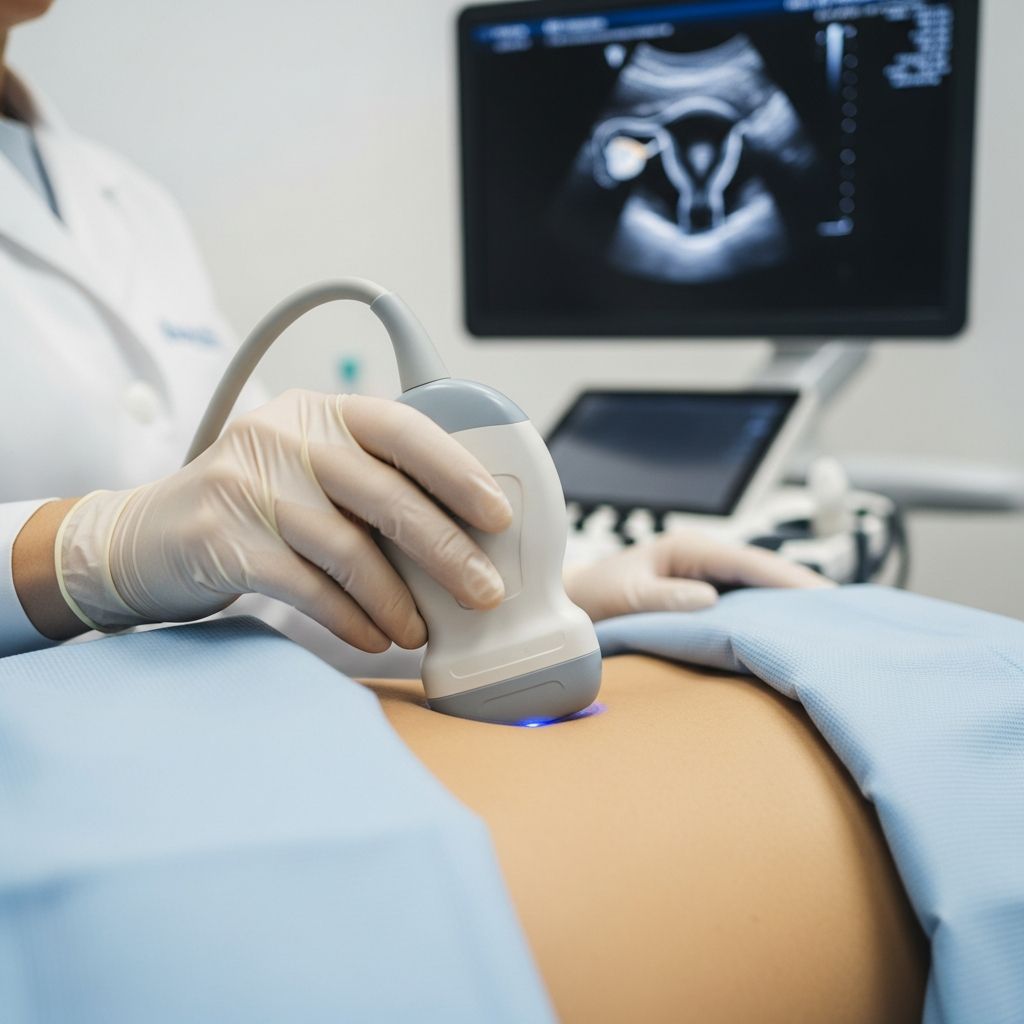
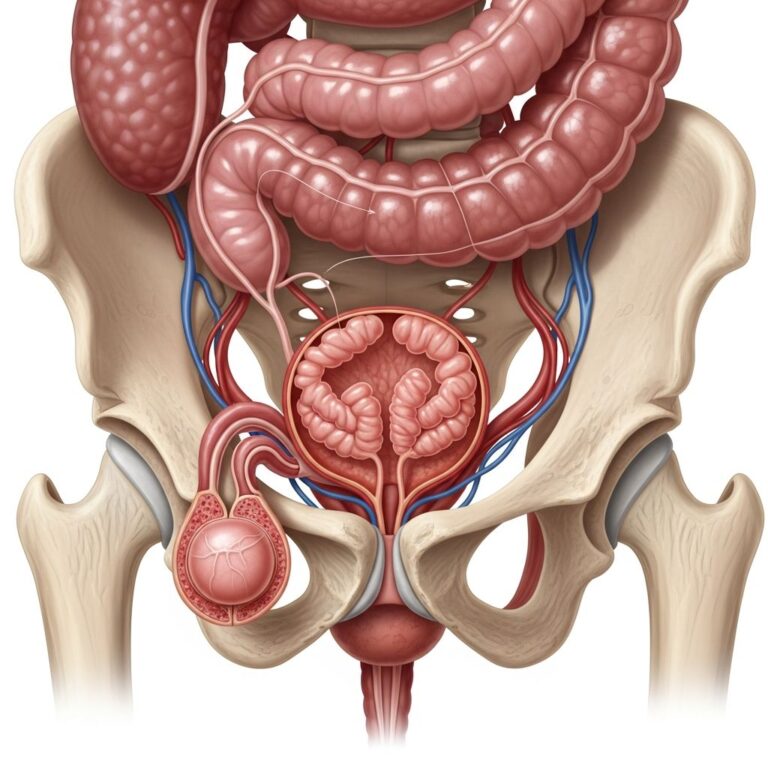
Pelvic ultrasound is a noninvasive imaging technique that uses high-frequency sound waves to create detailed pictures of organs and structures in the pelvic region. This method is widely used to assess reproductive organs, the bladder, and surrounding tissues in both women and men, aiding in the diagnosis of various conditions without radiation exposure.
Understanding the Fundamentals of Pelvic Imaging
The core principle behind pelvic ultrasound involves a handheld device known as a transducer, which emits sound waves that travel through the body. These waves bounce off tissues and organs, producing echoes that a computer converts into real-time images on a screen. The process is safe, painless, and provides immediate results, making it a preferred first-line diagnostic tool.
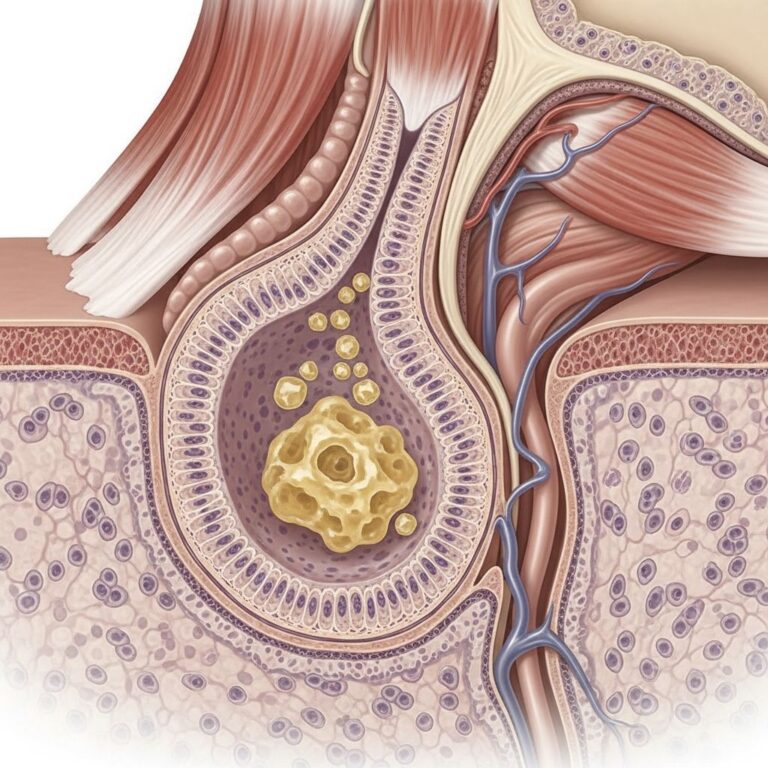
Different tissues reflect sound waves uniquely: fluids appear black, while dense structures like bones or calcifications show as bright white. This contrast helps clinicians visualize abnormalities such as cysts, tumors, or inflammation.
Primary Methods of Performing Pelvic Ultrasounds
Pelvic ultrasounds can be conducted through several approaches, each suited to specific needs and patient anatomy. The choice depends on factors like the patient’s age, body habitus, and the clinical question at hand.
- Transabdominal Ultrasound: The most common external method, where the transducer is moved over the lower abdomen after applying conductive gel. A full bladder is often required to provide an acoustic window, displacing bowel gas and improving image quality.
- Transvaginal Ultrasound: Involves inserting a slender, covered probe into the vagina for higher-resolution images of the uterus, ovaries, and endometrium, especially useful in non-pregnant women or early pregnancy.
- Transrectal Ultrasound: Primarily for men, this evaluates the prostate and seminal vesicles by inserting the probe into the rectum. It’s also occasionally used in women for posterior pelvic structures.
| Method | Best For | Patient Prep | Comfort Level |
|---|---|---|---|
| Transabdominal | General overview, pregnancy monitoring | Full bladder | Comfortable, no discomfort |
| Transvaginal | Detailed gyn views | Empty bladder | Mild pressure possible |
| Transrectal | Prostate evaluation | Empty bowel | Mild discomfort |
Clinical Applications and Diagnostic Capabilities
Pelvic ultrasound excels in evaluating a broad spectrum of conditions affecting the pelvis. In women, it measures the size, shape, and position of the uterus, ovaries, cervix, and fallopian tubes, detecting issues like fibroids, cysts, or endometrial thickening.
- Identifying benign growths such as ovarian cysts or uterine fibroids.
- Detecting ectopic pregnancies, where the embryo implants outside the uterus, often in fallopian tubes.
- Assessing pelvic inflammatory disease (PID), infections, or abnormal bleeding patterns.
- Monitoring intrauterine devices (IUDs) position and follicle development during infertility treatments.
For men, it focuses on the prostate, bladder, and seminal vesicles, helping diagnose enlargement, tumors, or post-void residual urine.
In obstetrics, it’s indispensable for confirming pregnancy viability, dating gestation, evaluating fetal anatomy, placental position, and amniotic fluid levels. Unlike other imaging, it poses no risk to the fetus.
Preparation Guidelines for Optimal Results
Proper preparation enhances image clarity and procedural efficiency. For transabdominal scans, patients drink 24-32 ounces of fluid 1 hour prior and avoid urination to distend the bladder, acting as a window for sound waves.
Transvaginal exams require an empty bladder for comfort. Patients may need to remove lower clothing and wear a gown. Fasting isn’t typically required unless combined with other tests.
Related Stories



Wear comfortable clothing and inform technicians of allergies, implants, or recent surgeries. No sedation is needed, and most exams last 20-45 minutes.
Step-by-Step Procedure Overview
The exam begins with the patient positioned on a table, often with knees bent. For transabdominal:
- Warm gel is applied to the abdomen.
- The transducer glides over the skin, capturing 2D or 3D images.
- Doppler mode may assess blood flow, producing audible ‘swooshing’ sounds.
- Gel is wiped off post-exam.
Transvaginal steps include covering the probe with a sheath and lubricant, gentle insertion (2-6 inches), and angular movements for comprehensive views. Patients can watch the screen if desired.
Safety is paramount; the procedure avoids ionizing radiation, making it ideal for all ages, including children and pregnant individuals.
Interpreting Ultrasound Findings
Radiologists or sonographers analyze images for normal versus abnormal features. Key observations include organ dimensions, echotexture (brightness), masses, fluid collections, and vascularity via Doppler.
- Normal Uterus: Pear-shaped, 7-9 cm long, with a thin endometrial stripe (4-8 mm post-menopause).
- Ovaries: Almond-sized (3x2x1 cm), homogeneous, without dominant cysts.
- Abnormalities: Hypoechoic fibroids, anechoic cysts, irregular endometrial patterns suggesting hyperplasia.
Results are discussed promptly, guiding further tests like MRI or biopsy if needed.
Risks, Limitations, and When to Expect Follow-Up
Pelvic ultrasound is remarkably safe with no known side effects from sound waves. Rare discomfort arises from probe pressure or full bladder.
Limitations include obesity obscuring images or bowel gas interference, sometimes necessitating transvaginal alternatives. It’s less effective for deep pelvic bones or air-filled bowels.
Follow-up depends on findings: normal results reassure, while abnormalities prompt specialist referral.
Special Considerations in Pregnancy and Pediatrics
Pregnancy ultrasounds track embryonic heartbeat from 6 weeks, nuchal translucency at 11-14 weeks, and anatomy at 18-22 weeks. Transvaginal is preferred early on for precision.
In children, it’s used for congenital anomalies or undescended testes, with sedation rare.
Advancements and Future Directions
3D/4D ultrasound offers volumetric views, while contrast-enhanced ultrasound improves lesion characterization. Point-of-care ultrasound empowers bedside evaluations.
Frequently Asked Questions (FAQs)
Is pelvic ultrasound painful?
Generally no; transabdominal is comfortable, transvaginal may cause mild pressure like a Pap smear.
How long does it take?
20-45 minutes typically.
Can I drive after?
Yes, no restrictions apply.
Does it use radiation?
No, entirely sound-wave based, safe for pregnancy.
What if results are unclear?
Follow-up imaging like CT or MRI may be recommended.
References
- Pelvic Ultrasound — University of Utah Health. 2023. https://healthcare.utah.edu/womens-health/pelvic-floor-disorders/pelvic-ultrasound
- Pelvic Ultrasound – StatPearls — NCBI Bookshelf. 2023-10-15. https://www.ncbi.nlm.nih.gov/books/NBK470360/
- Pelvic Ultrasound | Diagnostic Imaging Service — Element Imaging. 2024. https://www.elementimaging.com/services-procedures/ultrasound/pelvic-ultrasound
- Pelvic Ultrasound: What Is It, Conditions & How It Is Done — Cleveland Clinic. 2023-08-01. https://my.clevelandclinic.org/health/diagnostics/4997-pelvic-ultrasound
- Pelvic Ultrasound: Purpose, Procedure, Risks, Results — WebMD. 2024. https://www.webmd.com/women/what-is-a-pelvic-ultrasound
- Gynecology/Pelvic Ultrasound Made Easy — POCUS 101. 2023. https://www.pocus101.com/gynecology-pelvic-ultrasound-made-easy-step-by-step-guide/
Similar Articles








Read full bio of Sneha Tete