Pemphigus Vulgaris: Causes, Symptoms & Treatment
Understanding pemphigus vulgaris: A comprehensive guide to this rare autoimmune blistering disorder.
What Is Pemphigus Vulgaris?
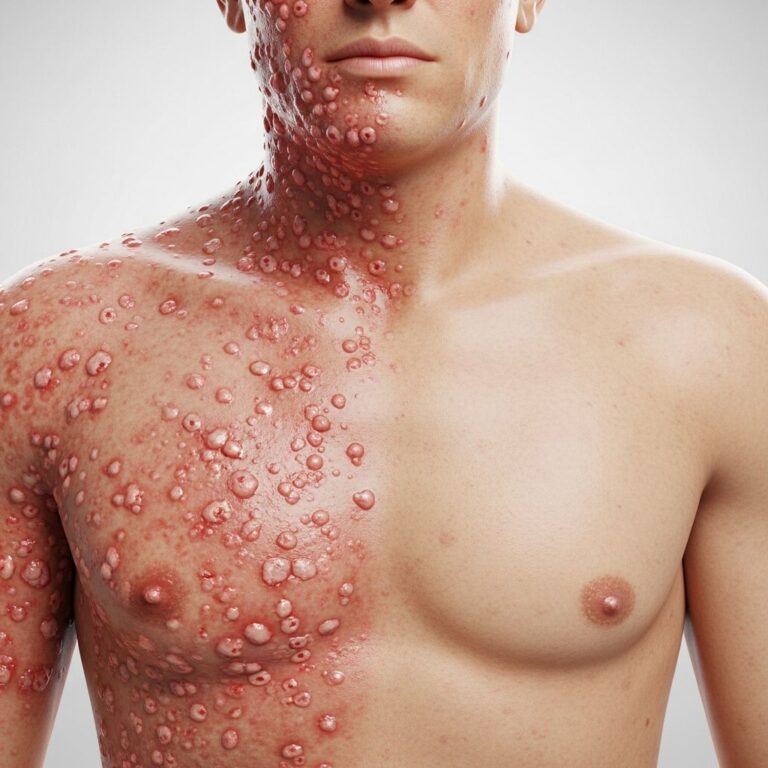
Pemphigus vulgaris is a rare, long-term autoimmune condition that causes fluid-filled blisters to form on the skin and mucous membranes throughout the body. This serious disorder occurs when the immune system mistakenly attacks healthy skin cells, leading to the breakdown of cell adhesion and the formation of characteristic blisters. The condition is classified as a bullous disease, meaning it primarily manifests as blistering and erosions on affected areas.
Unlike temporary skin conditions, pemphigus vulgaris is a chronic disorder that requires ongoing management and treatment to prevent complications. Without proper treatment, the condition can become life-threatening, causing severe infections, malnutrition, dehydration, and sepsis. The disease affects individuals across all age groups, though it most commonly appears in middle-aged and older adults.
Understanding the Autoimmune Mechanism
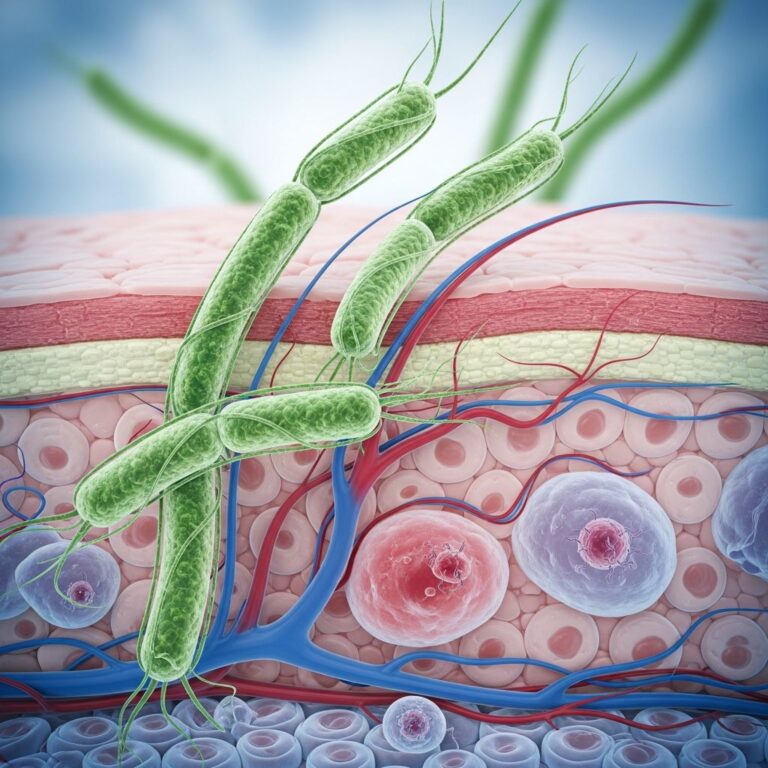
Pemphigus vulgaris develops when the body’s immune system produces autoantibodies that attack desmogleins, which are adhesion molecules responsible for holding skin cells together. This autoimmune attack causes a process called acantholysis, where skin cells lose their ability to stick to one another, resulting in the formation of intraepidermal blisters. The condition is triggered when a person with a genetic predisposition encounters an environmental trigger, such as certain medications or chemicals.
The autoimmune response in pemphigus vulgaris is not fully understood, but research indicates that both genetic factors and environmental influences play crucial roles in disease development. Understanding this mechanism is essential for developing effective treatment strategies aimed at reducing the production of pathogenic autoantibodies.
Causes and Triggers
While the exact cause of pemphigus vulgaris remains unclear, several factors have been identified as potential triggers:
Medications
Drug-induced pemphigus is a recognized phenomenon, with certain medications being particularly likely to trigger the condition. Penicillamine, a compound used to treat rheumatoid arthritis and other conditions, is one of the most common medication triggers. Other medications associated with pemphigus vulgaris include angiotensin-converting enzyme (ACE) inhibitors, angiotensin receptor blockers (ARBs), cephalosporins, penicillin, and nonsteroidal anti-inflammatory drugs (NSAIDs). These medications can trigger pemphigus through various mechanisms, including effects on cell adhesion molecules, influences on enzymes involved in keratinocyte aggregation, and stimulation of neoantigen formation.
Other Potential Triggers
Beyond medications, pemphigus vulgaris may be triggered by infections, trauma to the skin, or underlying malignancies. Paraneoplastic pemphigus, a variant associated with cancer, can occur in patients with lymphomas or Castelman disease. While controversial case reports have suggested associations between pemphigus vulgaris and certain foods like red wine, garlic, leeks, and peppers, robust scientific evidence does not support these claims.
Clinical Presentation and Symptoms
The symptoms of pemphigus vulgaris vary depending on disease severity and the areas affected. Typically, the condition begins with painful oral lesions, followed by the development of blisters on the skin.
Oral Manifestations
Related Stories



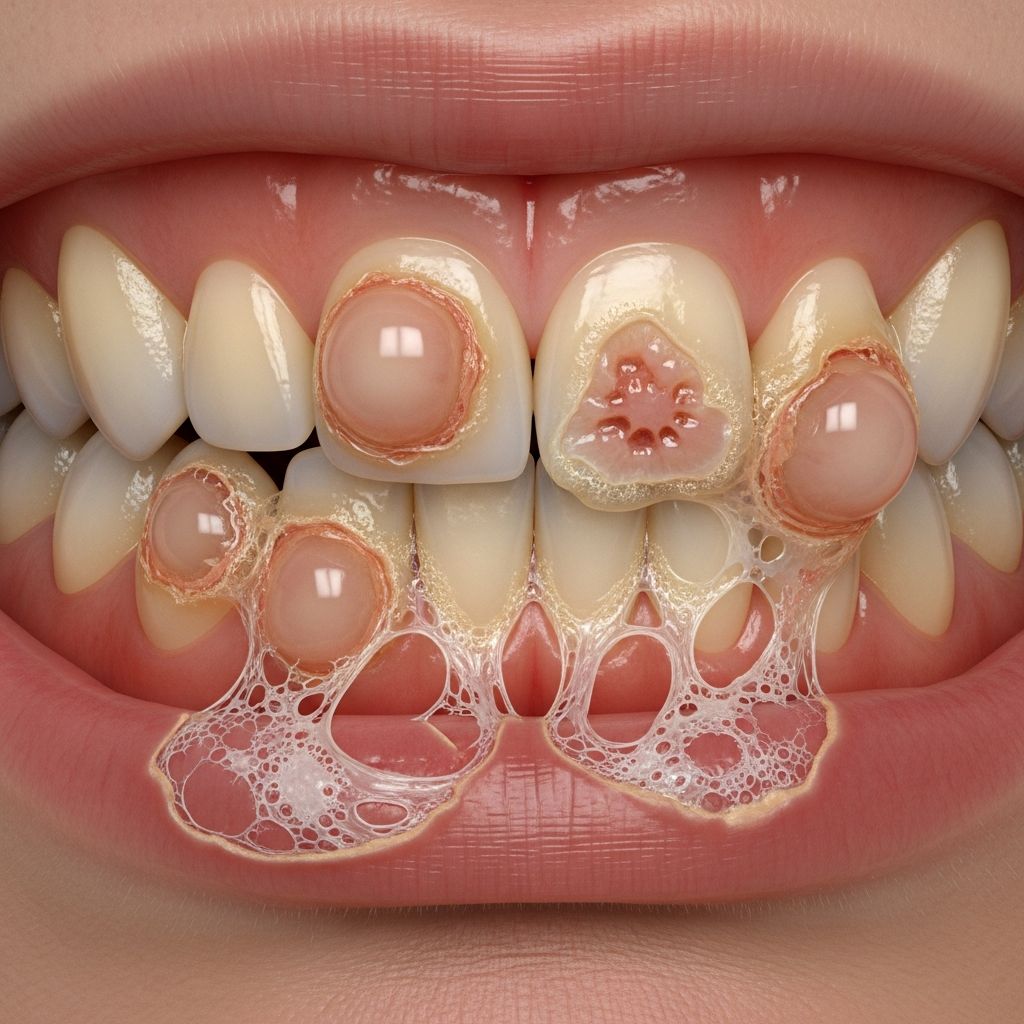
Approximately half of patients with pemphigus vulgaris experience only oral lesions, making the mouth often the first site of involvement. These blisters appear as painful erosions that break down quickly, leaving raw, bleeding sores. Oral involvement can make eating, drinking, and speaking extremely uncomfortable, often leading to reduced food intake and potential malnutrition if left untreated.
Cutaneous Manifestations
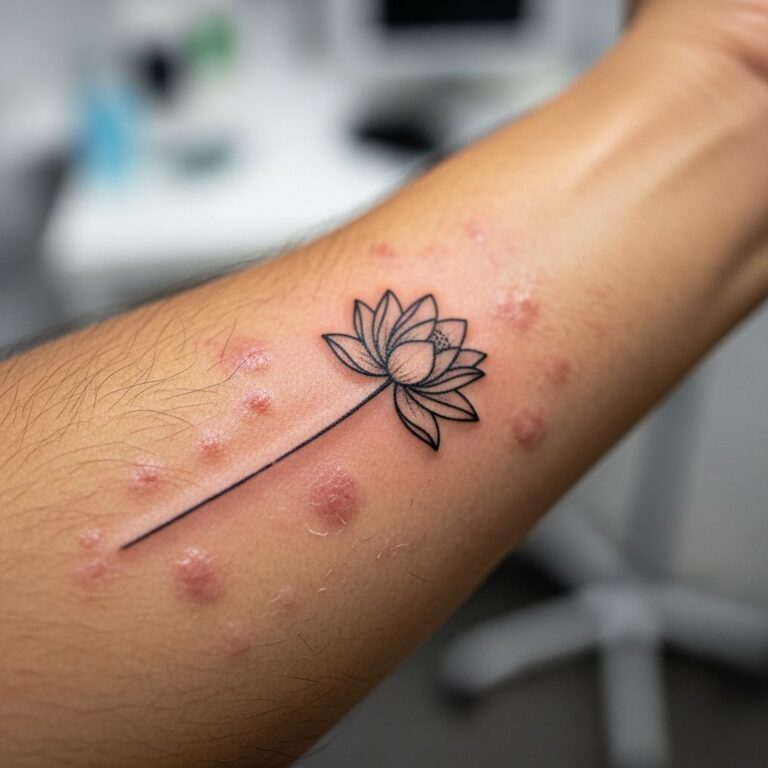
When blisters develop on the skin, they appear as fluid-filled sacs that are fragile and rupture easily. The affected areas become painful erosions that are slow to heal. Unlike bullous pemphigoid, which causes itchy, hive-like welts with intact, tense blisters, pemphigus vulgaris produces soft, flaccid blisters that rupture readily. The extent of skin involvement can range from localized areas to widespread distribution across the body in severe cases.
Diagnosis
Accurate diagnosis of pemphigus vulgaris is crucial for initiating appropriate treatment. Healthcare providers use several diagnostic methods to confirm the condition:
Clinical Evaluation
Diagnosis begins with a thorough clinical examination and medical history. Two important clinical signs help differentiate pemphigus vulgaris from other bullous disorders:
- Nikolsky Sign: Light rubbing of the skin causes it to separate or blister
- Asboe-Hansen Sign: Pressure within an existing blister causes the blister to extend into adjacent skin
Immunofluorescence Testing
The definitive diagnosis is confirmed through immunofluorescence testing of skin samples. This laboratory technique identifies the presence of autoantibodies targeting desmogleins within the skin, providing conclusive evidence of pemphigus vulgaris. Direct immunofluorescence shows a characteristic “tombstone” appearance of immunoglobulin and complement deposits around keratinocytes.
Treatment Approaches
The primary goal of treatment is to decrease blister formation, prevent infections, promote healing of existing blisters and erosions, and ultimately achieve complete remission with minimal treatment-related adverse effects.
First-Line Treatment: Systemic Corticosteroids
Systemic corticosteroids remain the backbone of pemphigus vulgaris management and have significantly impacted patient outcomes since their introduction. For mild cases, treatment typically begins with oral prednisone or prednisolone at moderate doses, ranging from 0.5 to 1 mg/kg once daily, depending on disease extent. For moderate to severe cases, higher doses of 1.0 to 1.5 mg/kg daily are initiated, or pulsed intravenous methylprednisolone at 1 g once daily may be used.
Systemic corticosteroids work by suppressing the autoimmune response and reducing the production of pathogenic autoantibodies. Treatment typically requires several weeks to achieve a clinical response. Once symptoms improve, the corticosteroid dose is gradually tapered. However, if more than three new lesions appear during tapering, the dose should be increased again to induce remission.
While effective, prolonged treatment with high doses of systemic glucocorticoids is not recommended due to serious adverse effects, making the transition to steroid-sparing agents important for long-term management.
Second-Line Treatment: Steroid-Sparing Immunosuppressives
To minimize the adverse effects of long-term corticosteroid use, steroid-sparing immunosuppressive agents are often combined with corticosteroids. These second-line treatments include:
- Azathioprine: A purine analog that inhibits purine synthesis, administered orally or intravenously, helping reduce the need for corticosteroids
- Mycophenolate Mofetil (MMF): Functions as an immunosuppressant by inhibiting purine synthesis, typically effective within two months of initiating treatment, with common side effects including nausea, vomiting, diarrhea, and abdominal discomfort
- Rituximab: An increasingly important first-line or adjunctive treatment that helps reduce autoantibody production and minimize corticosteroid requirements
Third-Line and Advanced Treatments
For patients who do not respond adequately to conventional therapies, third-line treatments include:
- Intravenous immunoglobulin (IVIG)
- Cyclophosphamide
- Dapsone
- Immunoadsorption
- Methotrexate
- Apremilast
Plasmapheresis or intravenous immunoglobulin infusions may be particularly beneficial for patients with severe disease who do not respond to standard treatments, as these modalities work to reduce circulating autoantibody titers.
Topical Therapies
Topical treatment plays an important role in managing mucosal and localized cutaneous involvement. Treatment options include:
- Topical corticosteroids and emollients for cutaneous lesions
- Various formulations of topical steroids for mucosal involvement
- Intralesional steroid injections
- Topical tacrolimus
- Topical ciclosporin
Supportive and Local Wound Care
Similar to managing partial-thickness burns, open skin lesions require proper cleansing and dressing. Hydrocolloid or silver sulfadiazine dressings may be used, and reverse isolation precautions should be considered to prevent secondary infections in severe cases. Hospitalization is typically required initially for all but the most minor cases.
Additional Management Considerations
Beyond pharmacological treatment, several important aspects of care should be addressed:
- Vaccination: Live vaccines are contraindicated due to immune system suppression from treatment
- Bone Health: Prophylactic measures against corticosteroid-induced osteoporosis should be implemented
- Ophthalmological Assessment: Baseline eye examination to monitor for treatment-related complications
- Nutritional Support: Ensuring adequate caloric and protein intake despite oral involvement
- Psychological Support: Managing the emotional and psychological burden of chronic disease
- Dermatology Referral: Consultation with a dermatologist experienced in treating pemphigus vulgaris is strongly recommended
Treatment Duration and Long-Term Management
Pemphigus vulgaris is a persistent condition requiring treatment for several years to prevent blister recurrence. The timeline for improvement varies, with blisters typically taking a few weeks to heal once treatment is initiated. However, maintaining remission often requires continued therapy to prevent disease flares. In some cases, it may eventually be possible to discontinue treatment, though if blisters recur, reinitiation of therapy may be necessary.
Complications and Prognosis
Blisters from pemphigus vulgaris rarely cause scarring when they heal properly, though if a sore breaks open and experiences delayed healing, scarring or discolored marks may develop. Without appropriate treatment, symptoms can spread throughout the body, leading to life-threatening complications including malnutrition, dehydration, and sepsis from secondary infections. Severe, untreated infection remains the most common complication of untreated pemphigus vulgaris.
With modern treatment approaches, most patients achieve good disease control and symptom management. Close monitoring through routine blood or urine tests helps ensure treatment efficacy and early detection of medication side effects.
Key Distinguishing Features
| Feature | Pemphigus Vulgaris | Bullous Pemphigoid |
|---|---|---|
| Blister Characteristics | Soft, flaccid blisters that rupture easily | Itchy, hive-like welts with intact, tense blisters |
| Location | Often begins in mouth, spreads to skin | Primarily affects lower abdomen and inner arms |
| Primary Pathology | Intraepidermal blistering (acantholysis) | Subepidermal blistering |
| Nikolsky Sign | Positive | Negative |
Frequently Asked Questions
Q: Is pemphigus vulgaris contagious?
A: No, pemphigus vulgaris is not contagious. It is an autoimmune condition where the body’s immune system attacks its own skin cells. You cannot transmit this condition to other people through contact.
Q: Can pemphigus vulgaris be cured?
A: Pemphigus vulgaris is a chronic condition that cannot be permanently cured, but it can be effectively managed with appropriate treatment. Many patients achieve remission and symptom control with medication. In rare cases, the condition may go away once a trigger (such as a medication) is removed.
Q: How long does treatment typically last?
A: Treatment usually continues for several years to prevent blisters from recurring. The duration varies by individual, and some patients may eventually discontinue treatment if remission is sustained. Regular monitoring with a healthcare provider is essential.
Q: What are the side effects of long-term corticosteroid use?
A: Long-term corticosteroid use can cause osteoporosis, increased infection risk, weight gain, mood changes, and other adverse effects. This is why steroid-sparing immunosuppressive agents are often added to minimize corticosteroid doses.
Q: Can I receive vaccines while being treated for pemphigus vulgaris?
A: Live vaccines are contraindicated during treatment due to immune system suppression. Discuss with your healthcare provider about which vaccines are safe for you, as inactivated vaccines may be appropriate alternatives.
Q: What should I do if I suspect I have pemphigus vulgaris?
A: If you develop unexplained blisters, especially in the mouth, consult a dermatologist or healthcare provider immediately. Early diagnosis and treatment are crucial for preventing complications and achieving better outcomes.
References
- Pemphigus Vulgaris: A Complete Overview — DermNet New Zealand. 2024. https://dermnetnz.org/topics/pemphigus-vulgaris
- Pemphigus Vulgaris – StatPearls — National Center for Biotechnology Information, U.S. National Library of Medicine. 2024. https://www.ncbi.nlm.nih.gov/books/NBK560860/
- Pemphigus Vulgaris – Dermatologic Disorders — MSD Manuals Professional Edition. 2024. https://www.msdmanuals.com/professional/dermatologic-disorders/bullous-diseases/pemphigus-vulgaris
- Pemphigus Vulgaris — National Health Service (NHS). 2024. https://www.nhs.uk/conditions/pemphigus-vulgaris/
- Pemphigus Vulgaris: Symptoms, Causes & Treatment — Cleveland Clinic. 2024. https://my.clevelandclinic.org/health/diseases/23033-pemphigus-vulgaris
- Pemphigus Vulgaris — University of Rochester Medical Center. 2024. https://www.urmc.rochester.edu/encyclopedia/content?contenttypeid=134&contentid=110
Similar Articles








Read full bio of Sneha Tete