Penicillamine Complete Guide To Uses, Dosage & Side Effects
Comprehensive guide to penicillamine: uses for Wilson's disease, rheumatoid arthritis, cystinuria, side effects, dosage, and safety precautions.
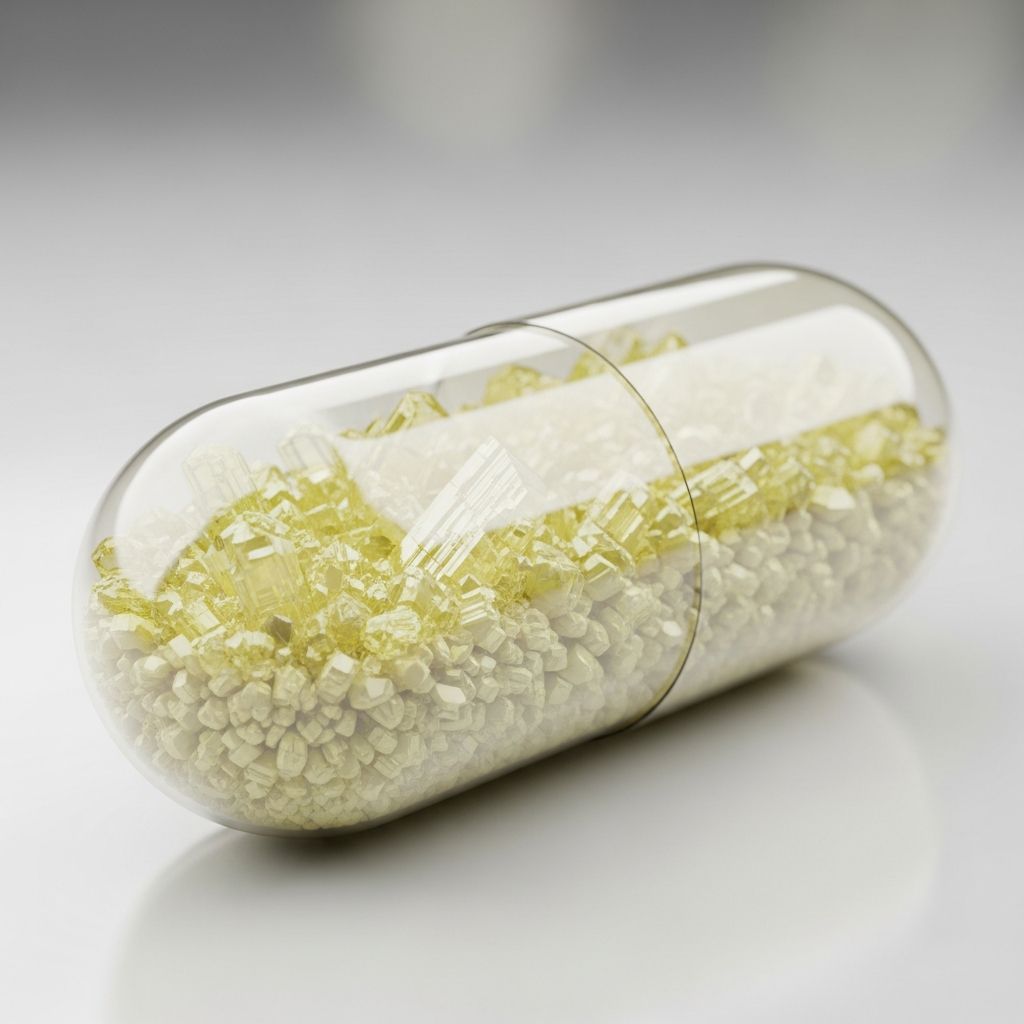
Penicillamine is a chelating agent that binds to excess metals like copper and cystine in the body, promoting their excretion through urine. It is primarily prescribed for Wilson’s disease (copper accumulation), cystinuria (cystine kidney stones), rheumatoid arthritis (to reduce joint inflammation), and heavy metal poisoning such as lead or arsenic toxicity. This medication requires strict medical supervision due to potential serious side effects, including kidney damage, blood disorders, and allergic reactions.
About penicillamine
Penicillamine works by forming complexes with heavy metals and certain amino acids, facilitating their removal from the body. In Wilson’s disease, it chelates copper accumulated in the liver and brain, preventing organ damage. For cystinuria, it reduces cystine stone formation in kidneys and bladder. In rheumatoid arthritis, it modifies disease activity, though its exact mechanism is not fully understood but involves immunomodulation. It is available only on prescription and taken orally as capsules or tablets.
Discovered as a breakdown product of penicillin, penicillamine has been used since the 1950s. Patients must take it on an empty stomach at least 1 hour before or 2 hours after meals to maximize absorption. Regular blood, urine, and liver tests are essential to monitor efficacy and toxicity.
Key facts
- Drug group: Chelating agent and disease-modifying antirheumatic drug (DMARD).
- Controlled medicine? No.
- Available as: Capsules and tablets.
- Common brand names: Distamine®, Cuprimine®, Depen®.
- Treatment for Wilson’s disease may be lifelong; for arthritis, it may take 2-3 months to show benefits.
- Success rates: Up to 80% in reducing copper levels in Wilson’s disease with consistent use.
When to take penicillamine
Take penicillamine exactly as prescribed, usually in divided doses. For Wilson’s disease, doses start low and increase gradually to 1-2 grams daily. Swallow capsules whole with water, at least 1 hour before meals or 2 hours after, and avoid dairy, antacids, or iron supplements nearby as they reduce absorption. Bedtime dosing with a snack may help if stomach upset occurs. Never double doses; consistency is key for chelation.
Optimal timing: Evening doses minimize interference with meals. Pyridoxine (vitamin B6) supplementation (25-50 mg daily) is recommended to counter potential depletion.
How to take penicillamine and modifications
Start with low doses (e.g., 250 mg daily for arthritis) to minimize side effects, titrating up based on response and tests. For cystinuria, 2 grams daily in 4 doses. Drink plenty of fluids (2-3 liters daily) to aid excretion. If you miss a dose, take it as soon as remembered unless near next dose; consult your doctor for adjustments in pregnancy, breastfeeding, or renal impairment.
- Swallowing difficulties: Capsules may be opened and mixed with water or soft food; do not chew.
- Children/Elderly: Doses adjusted by weight; caution in elderly due to kidney risks.
Common questions about penicillamine
How long does penicillamine take to work?
For Wilson’s disease, copper levels may normalize in months; arthritis improvement in 2-6 months. Full effects require adherence.
Is penicillamine safe in pregnancy?
No; category D drug, potential birth defects. Effective contraception advised.
Can I drive after taking it?
Yes, unless dizziness or vision changes occur.
How to store?
Room temperature, away from moisture and children.
Dosage
| Condition | Adult Dose | Child Dose | Notes |
|---|---|---|---|
| Wilson’s disease | 1-2 g/day in 4 doses | 20 mg/kg/day | Lifelong; monitor copper levels |
| Cystinuria | 2-4 g/day in 4 doses | 30-60 mg/kg/day | Alkalinize urine |
| Rheumatoid arthritis | 125-250 mg/day, up to 1.5 g | Not usual | 2-3 months trial |
| Heavy metal poisoning | 1-2 g/day | By weight | Short-term |
Related Stories



Doses individualized; regular monitoring mandatory.
Further reading on dosage
Consult specialist for precise regimens. Overdose risks nausea, leukopenia; seek immediate care.
Side effects of penicillamine
Penicillamine affects up to 30-50% of users with side effects, ranging from mild GI issues to severe immune-mediated reactions. Most common: loss of taste (dysgeusia, 50%), nausea, diarrhea, rash. Serious: proteinuria (10-20%), thrombocytopenia, nephrotoxicity.
Common side effects
These affect more than 1 in 100:
- Loss of taste or metallic taste.
- Nausea, vomiting, diarrhea, stomach pain.
- Rash, itching.
- Loss of appetite, mouth ulcers.
- Mild proteinuria.
Tips: Take with water; report persistent issues.
Serious side effects
Seek urgent care for:
- Bleeding/bruising (low platelets).
- Fever, sore throat (low white cells).
- Swelling, foamy urine (kidney damage).
- Rash with blisters, fever (Stevens-Johnson).
- Yellow skin, dark urine (liver issues).
- Muscle weakness, double vision (myasthenia gravis).
Rare: Aplastic anemia, Goodpasture’s syndrome (<1%).
Drug-induced conditions
- Myasthenia gravis: Muscle weakness; discontinue.
- Lupus-like: Joint pain, rash.
- Blood dyscrasias: Monitor CBC monthly.
Interactions with other medicines, alcohol, and more
Avoid antacids, zinc, iron (reduce absorption). Dangerous with gold therapy, antimalarials, cytotoxics (severe reactions). Alcohol may worsen liver risks. Inform doctor of all meds.
- Dangerous combos: 4-aminoquinolines, phenylbutazone.
- Food: High-copper foods ok if monitored.
Who can and cannot take penicillamine
Can take if: Under specialist care for approved conditions.
Cannot take if: History of penicillamine reaction, breast-feeding, severe kidney disease, blood disorders, pregnancy (unless essential).
Pregnancy and breastfeeding with penicillamine
Teratogenic; avoid. Breastfeeding contraindicated (excreted in milk).
Other conditions and allergies
Caution in renal impairment, elderly. Penicillin allergy not cross-reactive.
Monitoring and tests
Baseline and monthly: CBC, urinalysis, LFTs, 24-hr copper/cystine. Eye exams for Wilson’s.
Stopping penicillamine suddenly
Taper under guidance; abrupt stop risks copper rebound in Wilson’s.
Any other precautions
- Use contraception.
- Avoid dental work if platelets low.
- Report infections promptly.
Frequently Asked Questions (FAQs)
What if I forget a dose?
Take as soon as possible; skip if near next. Do not double.
Does it cure Wilson’s disease?
Controls it; not curative.
Can it cause cancer?
No strong evidence; long-term monitoring advised.
Alternatives?
Trientine for Wilson’s, penicillamine-free DMARDs for arthritis.
Lifelong use?
Often for Wilson’s/cystinuria.
References
- Penicillamine: Uses, side effects, and risks — Medical News Today. 2018-07-27. https://www.medicalnewstoday.com/articles/322202
- Penicillamine (oral route) — Mayo Clinic. 2023-10-01. https://www.mayoclinic.org/drugs-supplements/penicillamine-oral-route/description/drg-20065377
- Penicillamine — MedlinePlus. 2024-05-15. https://medlineplus.gov/druginfo/meds/a618021.html
- Penicillamine — StatPearls NCBI Bookshelf. 2023-08-14. https://www.ncbi.nlm.nih.gov/books/NBK513316/
- Penicillamine (Cuprimine, Depen) — WebMD. 2024-02-20. https://www.webmd.com/drugs/2/drug-7560/penicillamine-oral/details
Similar Articles








Read full bio of medha deb