Penicillins And Allergy Risks: What You Need To Know
Explore the vital role of penicillin antibiotics, their bacterial-fighting power, and essential strategies for managing allergy concerns safely.
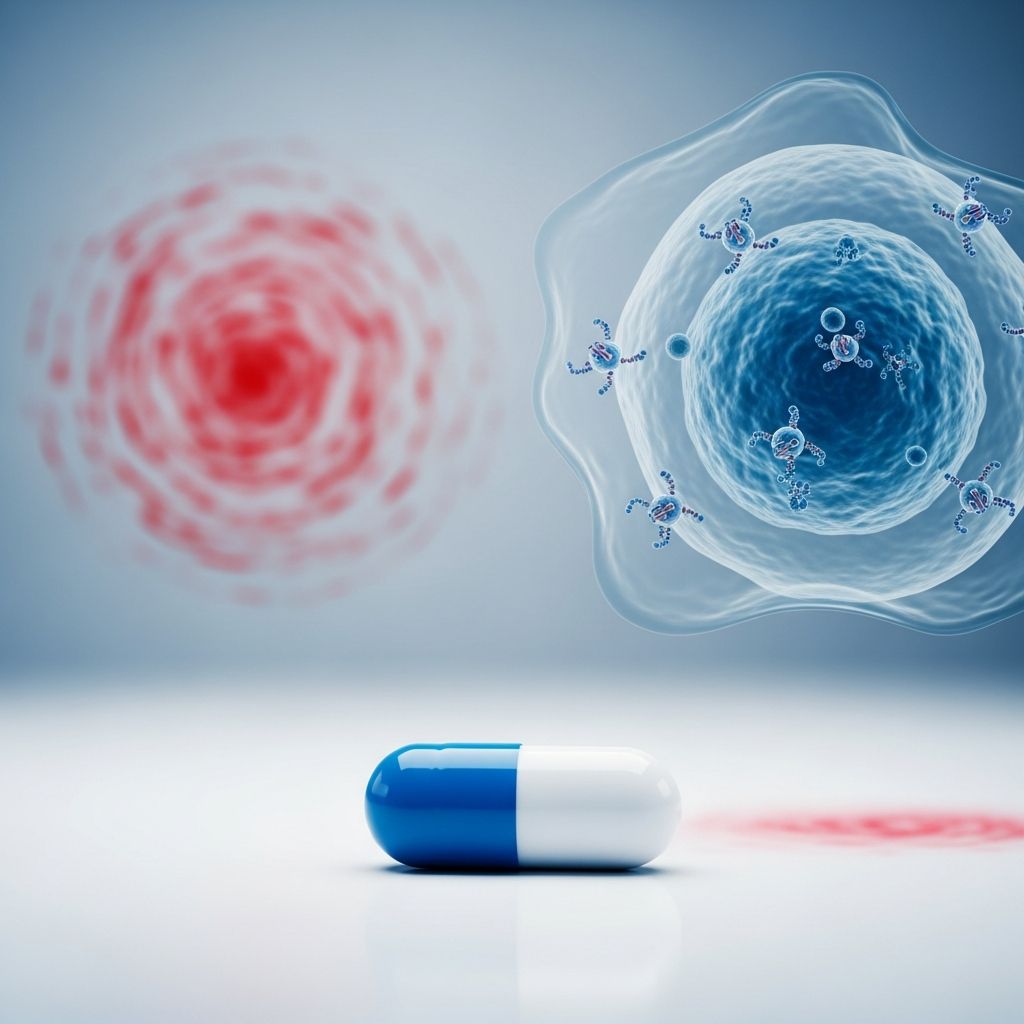
Penicillin antibiotics represent a cornerstone of modern medicine, effectively targeting bacterial infections by disrupting cell wall formation unique to bacteria. However, allergies to these drugs affect up to 10% of people, necessitating careful diagnosis and alternative therapies to prevent severe reactions.
The Science Behind Penicillin’s Bacterial Attack
At the heart of penicillin’s efficacy lies its unique molecular structure, featuring a critical beta-lactam ring fused to a thiazolidine ring, with a variable side chain influencing its spectrum and metabolism. This beta-lactam ring mimics the natural substrate of bacterial enzymes, binding irreversibly to penicillin-binding proteins (PBPs) on the cell membrane.
Bacteria rely on peptidoglycan—a polymer of sugars (N-acetylglucosamine and N-acetylmuramic acid) cross-linked by peptide chains—for cell wall integrity. Penicillin inhibits transpeptidase (a PBP), preventing these cross-links during the final biosynthesis stage. Without reinforcement, the weakening wall succumbs to osmotic pressure, causing lysis and bacterial death—a bactericidal process selective to microbes since human cells lack peptidoglycan.
Gram-positive bacteria, with exposed peptidoglycan layers, are highly susceptible, while gram-negative ones have an outer membrane barrier, though some penicillins penetrate via porins. This narrow-spectrum action revolutionized infection treatment post-1928 discovery by Alexander Fleming.
Key Types of Penicillin Medications
- Natural Penicillins: Like penicillin G (benzylpenicillin), ideal for streptococcal infections, syphilis, and meningitis due to high potency against gram-positives.
- Aminopenicillins: Such as amoxicillin and ampicillin, broader coverage including some gram-negatives like E. coli; commonly used for ear, sinus, and urinary tract infections.
- Anti-staphylococcal Penicillins: Including flucloxacillin and dicloxacillin, resistant to staphylococcal beta-lactamases, effective against skin and soft tissue infections.
- Extended-Spectrum Penicillins: Like piperacillin, often paired with tazobactam for hospital-acquired infections, covering Pseudomonas and anaerobes.
Formulations vary: oral for outpatients, intravenous for severe cases. Dosing depends on infection site, patient age, and kidney function.
Clinical Applications and Effectiveness
Penicillins treat diverse infections: respiratory (pneumonia, otitis media), skin (cellulitis), genitourinary, and prophylaxis for endocarditis or rheumatic fever. Their stability against certain beta-lactamases enhances utility when combined with inhibitors like clavulanic acid.
| Infection Type | Recommended Penicillin | Typical Use Case |
|---|---|---|
| Strep throat | Phenoxymethylpenicillin | 10-day oral course |
| Syphilis | Penicillin G | IM injection |
| Urinary tract | Amoxicillin | Outpatient therapy |
| Hospital pneumonia | Piperacillin-tazobactam | IV for broad coverage |
Success rates exceed 90% for susceptible strains, but resistance via beta-lactamase production or altered PBPs limits use.
Recognizing and Understanding Penicillin Allergies
Allergy labels are common, but true IgE-mediated hypersensitivity affects only 1-2% of labeled patients; many reactions are intolerances like rashes from viral co-infections. Cross-reactivity with cephalosporins occurs in 2-5% of true penicillin-allergic individuals due to shared beta-lactam ring.
Mechanisms include Type I (immediate, anaphylactic via IgE), Type II-IV (delayed, cytotoxic or T-cell mediated). Risk factors: family history, multiple courses, cystic fibrosis.
Symptoms of Allergic Reactions
Reactions range from mild to life-threatening:
- Immediate (minutes to hours): Hives, itching, swelling (angioedema), wheezing, hypotension, anaphylaxis.
- Delayed (days): Maculopapular rash, serum sickness (fever, joint pain), organ damage (rare).
- Severe: Stevens-Johnson syndrome, toxic epidermal necrolysis (blistering, mucosal involvement).
Related Stories



Symptoms mimic non-allergic issues, e.g., amoxicillin rash with EBV infection. Anaphylaxis demands epinephrine, airway support.
Diagnostic Approaches for Allergy Confirmation
- History: Detailed reaction timing, symptoms, treatment required.
- Skin Testing: Prick/Intradermal with penicillin reagents (major/minor determinants); >95% negative predictive value for anaphylaxis.
- Challenge Dosing: Graded administration if skin test negative, confirming tolerance.
- Labs: Tryptase for anaphylaxis, specific IgE assays (less reliable).
Delabeling via testing safely expands antibiotic options, reducing carbapenem overuse.
Safe Alternatives for Allergic Patients
| Allergy Severity | Alternatives | Notes |
|---|---|---|
| Mild rash | Cephalosporins (e.g., cefalexin) | Low cross-reactivity |
| Severe/Anaphylaxis | Clindamycin, macrolides (erythromycin), fluoroquinolones | Avoid all beta-lactams |
| Strep coverage needed | Azithromycin, vancomycin (IV) | Monitor resistance |
For MRSA or resistant cases, consult infectious disease specialists. Desensitization protocols enable penicillin use in critical scenarios like syphilis in pregnancy.
Special Considerations in Vulnerable Groups
Pregnancy: Penicillins are Category B, safe; preferred for group B strep prophylaxis.
Children: Taste-masked amoxicillin common; watch for non-allergic rashes.
Elderly/Renal Impairment: Dose adjustments prevent toxicity.
Cross-Reactivity Myths: >90% cephalosporin-tolerant among penicillin-allergic; avoid blanket bans.
Prevention and Best Practices
- Document allergies accurately in records.
- Use narrow-spectrum first to curb resistance.
- Educate on non-allergic side effects: GI upset, diarrhea (prevent C. difficile with probiotics).
- Allergy referral for history discrepancies.
Frequently Asked Questions (FAQs)
Can I outgrow a penicillin allergy?
Yes, 80-90% of children lose reactivity over time; adults less so. Testing confirms.
Is amoxicillin a penicillin?
Yes, an aminopenicillin; allergy to one often implies caution with class.
What if I had a rash years ago?
Likely non-allergic; seek evaluation before avoiding unnecessarily.
Are penicillin allergies genetic?
Partial predisposition via atopy; not directly inherited.
Can I take cephalosporins if allergic to penicillin?
Usually yes for mild allergies; skin testing clarifies risk.
Emerging Insights on Resistance and Future Directions
Beta-lactamase inhibitors and new PBPs targets combat resistance. Genomic testing predicts susceptibility, optimizing therapy amid declining penicillin efficacy in some regions.
References
- Penicillin — Wikipedia. 2023-10-01. https://en.wikipedia.org/wiki/Penicillin
- Penicillin Uses, Mechanism of Action & Side Effects — Study.com. 2022-05-15. https://study.com/learn/lesson/penicillin-discovery-properties-how-does-penicillin-work.html
- Benzylpenicillin: Uses, Interactions, Mechanism of Action — DrugBank. 2024-01-20. https://go.drugbank.com/drugs/DB01053
- Penicillin — NCBI Bookshelf (StatPearls). 2023-07-17. https://www.ncbi.nlm.nih.gov/books/NBK554560/
- The mechanism of action of penicillin — PubMed. 1980-08-29. https://pubmed.ncbi.nlm.nih.gov/7372662/
- Penicillin Mechanism of Action animation video — YouTube (Pharmacology Animation). 2017-12-30. https://www.youtube.com/watch?v=a81nHSqQuvI
- Penicillin antibiotics – Mechanism of action, side effects and resistance — YouTube. 2019-03-15. https://www.youtube.com/watch?v=tMEiIYu6J-4
Similar Articles








Read full bio of medha deb