Penile Fibromatosis: Causes, Symptoms, and Treatment Options
Understanding penile fibromatosis: causes, symptoms, diagnosis, and effective treatment strategies.
Introduction to Penile Fibromatosis
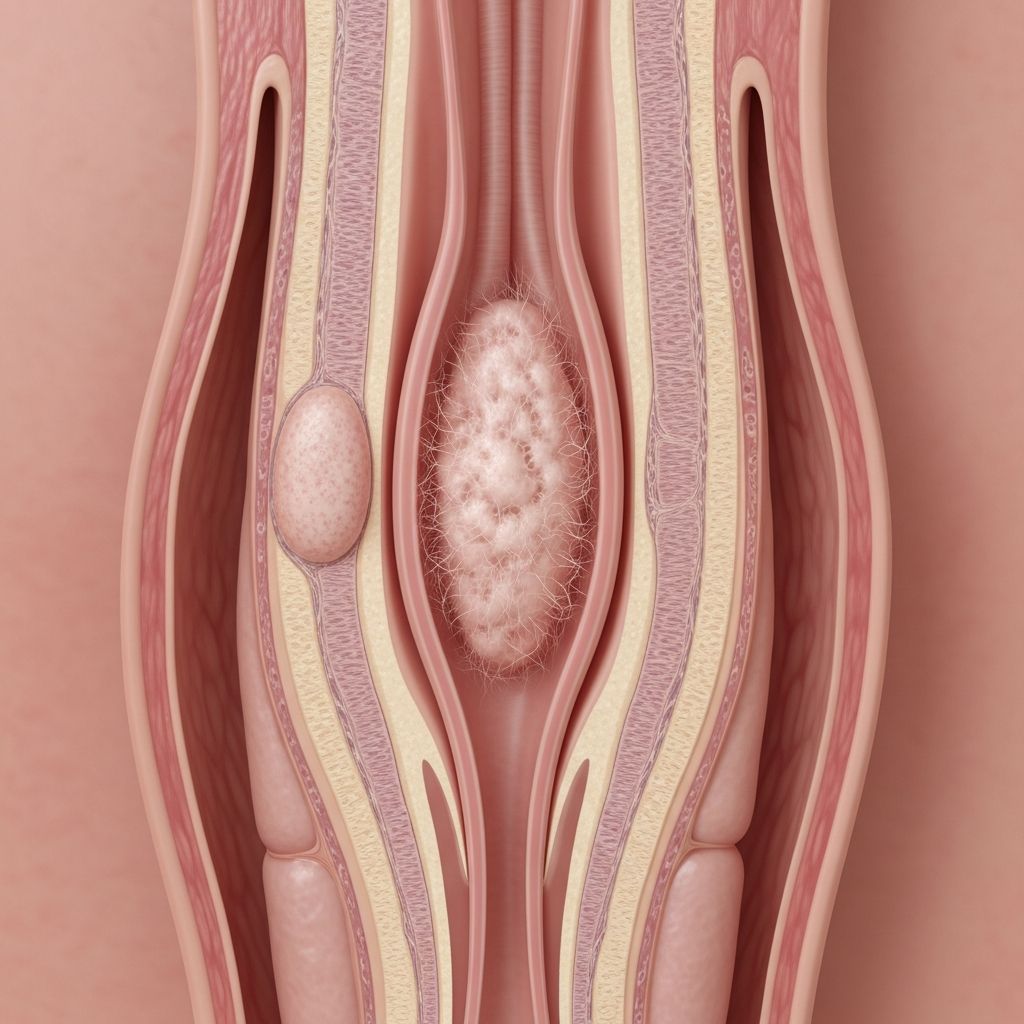
Penile fibromatosis, commonly known as Peyronie’s disease, is a condition in which fibrous scar tissue forms in the deeper tissues beneath the skin of the penis. This condition presents as a plaque or hard lump within the layers of erectile tissue, occurring more frequently on the upper than the lower side of the penis. The disease can range from mild presentations characterized by redness and swelling to severe cases where hardened plaques force the penis to bend during erection, potentially causing significant discomfort and functional impairment.
While penile fibromatosis is not life-threatening, it significantly impacts patients’ quality of life, affecting sexual function and psychological well-being. However, with appropriate treatment and management, individuals diagnosed with this condition can maintain a normal lifestyle. Understanding the causes, symptoms, and available treatment options is essential for patients seeking to address this medical concern effectively.
Demographics and Epidemiology
Penile fibromatosis affects men across various age groups, though it typically presents in middle-aged and older men. The exact prevalence of the condition varies in medical literature, but it represents a significant concern in urology and sexual medicine. The condition may develop spontaneously or following penile trauma, though many cases occur without an identifiable triggering event. Men experiencing symptoms often self-diagnose the condition based on observable changes in penile shape and function, though medical confirmation through professional examination is recommended.
Causes of Penile Fibromatosis
The precise etiology of penile fibromatosis remains not completely understood, though several factors have been identified as potential contributors:
- Penile trauma: Repeated injury or trauma to the penis during sexual activity or through other means can trigger the development of fibromatosis. The healing response to this trauma can lead to abnormal collagen deposition and scar tissue formation.
- Inflammatory response: Inflammation in the tunica albuginea and adjacent Buck’s fascia may initiate the fibrotic process. This inflammation typically occurs during the active phase of the condition.
- Genetic predisposition: Penile fibromatosis may have genetic associations, though reliable scientific studies establishing clear hereditary patterns are currently lacking.
- Connective tissue disorders: Men with certain connective tissue disorders may have increased susceptibility to developing penile fibromatosis.
- Dupuytren’s contracture: Some patients with penile fibromatosis also have Dupuytren’s contracture, suggesting a possible systemic component to the condition.
Signs and Symptoms
Patients with penile fibromatosis experience a variety of symptoms that can significantly impact sexual function and psychological well-being. The main symptoms include:
- Pain during erection: One of the most common presenting symptoms, characterized by focal pain that occurs specifically when the penis becomes erect. Pain is typically associated with inflammation generated during the active phase of the healing process and usually disappears as inflammation resolves.
- Penile curvature or deformation: The hardened plaques can force the penis to bend during erection. In some cases, offsetting plaques may cause the penis to develop a lateral bend or an hourglass shape.
- Loss of elasticity: Affected tissue loses its normal flexibility and stretchability, contributing to functional impairment.
- Fibrous nodule: A hard lump or mass that can be palpated on physical examination.
- Erectile dysfunction: Reduced ability to achieve or maintain erections suitable for intercourse, sometimes resulting from a flail or shortened penis.
- Reduction in penile circumference: The scar tissue may reduce the circumference of the shaft, resulting in an erect penis that is flail at the site of constriction.
- Loss of penile length: Significant scarring can contribute to reduced penile length, affecting both function and patient satisfaction.
Related Stories



In approximately one-third of patients, scarring involves both the dorsal and ventral aspects of the shaft, with offsetting plaques potentially causing shortening or lateral bending. The presence and severity of symptoms can vary considerably among affected individuals.
Disease Phases
Penile fibromatosis progresses through two distinct phases, each with characteristic features and different treatment approaches:
Acute Phase
The acute phase typically lasts from 3 to 18 months, with an average duration of 5 to 18 months. During this period, the penile deformity generally progresses, characteristic plaques form, and pain with erections is commonly reported. The hallmark finding during the active phase has classically been pain, usually with erections, though the reliability of this symptom has recently been questioned as a sole diagnostic indicator. Key characteristics include:
- Progressive penile deformity
- Active plaque formation
- Presence of pain during erections (though not always)
- Ongoing inflammatory response
- Changes in penile curve, length, or girth
Chronic Phase
The chronic phase is characterized by a plateau of symptoms during which the disorder and any penile deformity stabilize for at least 3 months, along with resolution of any pain. During this phase, the scar tissue stops growing, and symptoms become stable. The development of calcifications in the plaque serves as a good indicator of lesional stability and chronic phase disease. Key characteristics include:
- Stable penile deformity without further progression
- Absence of penile pain
- Stable curve, length, and girth measurements
- Possible calcification of plaques indicating maturity
- Potential for spontaneous improvement or stabilization
Diagnosis of Penile Fibromatosis
Accurate diagnosis is essential for appropriate treatment planning and management. The diagnostic approach includes several components:
Medical History and Physical Examination
To reach a diagnosis of penile fibromatosis, a specialist will examine the penis to evaluate inflammation, fibrous tissue, penile curvature, and penis length. The medical history provides important context regarding symptom onset, progression, trauma history, and impact on sexual function. During physical examination, a clinician can palpate the hardened plaques characteristic of the condition. Such palpation may elicit pain if the disease is still in the inflammatory stage.
Patient Photography
Corroboration of penile fibromatosis diagnosis may be obtained by having the patient photograph the erect penis, demonstrating curvature, hourglass shape, or flail distal penis. This non-invasive documentation helps clinicians objectively assess deformity and monitor disease progression.
Diagnostic Imaging
When examination and medical history do not provide conclusive results, diagnostic imaging tests such as MRI, ultrasound, or radiography may be required. Radiographs of the penis may show calcification in 20 to 25 percent of patients with end-stage disease. Penile duplex ultrasound can provide detailed information about scar tissue location, extent, and vascularity. Doppler flow studies assess blood flow proximal and distal to the plaque, confirming that disparity in erection is not associated with lack of blood flow at the lesion site.
Diagnostic Criteria
The diagnosis of penile fibromatosis typically requires clinical evidence of penile deformity (curvature, shortening, or indentation) along with patient-reported symptoms such as pain during erection, palpable plaque, or erectile dysfunction. Most men self-diagnose the condition based on observable changes, with physician confirmation through physical examination.
Treatment Options
Treatment approaches for penile fibromatosis depend on disease phase, symptom severity, and individual patient factors. Management strategies range from conservative observation to surgical intervention.
Conservative Management in Acute Phase
During the acute phase of penile fibromatosis, treatment is generally conservative. Several options exist for acute phase management:
- Watchful waiting: Many men with penile fibromatosis experience mild symptoms that resolve within one to two years without intervention. Close monitoring allows clinicians to observe disease progression and intervene if symptoms worsen.
- Nonsteroidal anti-inflammatory drugs (NSAIDs): These medications can help manage pain associated with the inflammatory phase.
- Penile traction therapy: When used early in the process, a device that holds the penis in a cradle and applies tension can be helpful. Traction therapy is recommended in the early phase and is the only treatment shown to improve penis length. It prevents length loss and limits curving when initiated early.
- Vacuum erection devices: These devices help maintain erectile function and may provide therapeutic benefit when used during the acute phase.
Medical Therapy
Various pharmacological agents have been investigated for managing penile fibromatosis:
- Vitamin E: Traditional antioxidant therapy that has been used historically, though evidence for efficacy is limited.
- Potassium aminobenzoate: An antioxidant agent that has been studied for symptom relief.
- Verapamil: This medication appears to work by disrupting scar tissue and preventing further scar tissue formation. Verapamil also may help improve pain. It appears to be a good, low-cost option for treatment, though more controlled studies are needed to prove efficacy.
- Interferon: This medication seems to disrupt fibrous tissue formation and help break down existing fibrous tissue. Interferon also has been shown to ease penile pain in people with penile fibromatosis.
- Intralesional steroids: Steroid injections are probably most effective during initial formation of plaques, with limited success in mature plaques. In one study using triamcinolone, 33 percent of patients had complete recovery or marked improvement. A dexamethasone regimen showed 81 percent benefit to moderate or greater degree, with 42 percent achieving marked improvement.
- Intralesional collagenase clostridium histolyticum (Xiaflex®): This enzymatic agent may be helpful in breaking down collagen in the plaques.
- Iontophoresis: A technique using electric current to deliver verapamil and steroid through skin, though research has shown mixed results.
- Ultrasonic therapy: May help relieve discomfort, though long-term benefits are limited.
Medical therapies often provide limited long-term benefit, making them more suitable for symptom management during the acute phase rather than definitive treatment.
Surgical Intervention
Surgery is probably the best treatment but is usually only done after waiting for one to two years to allow the plaque to stabilize or disappear. There is less chance of recurrence after surgery if the inflammatory phase has settled and the degree of bending has reached its peak. Surgical approaches include several options:
- Penis straightening without plaque removal: Preserves penile tissue while addressing curvature.
- Fibrous tissue removal: Eliminates the problematic scar tissue to restore normal penile geometry.
- Penile implantation: In cases where curvature has affected the ability to achieve erections, a semi-rigid or inflatable prosthesis may be inserted.
Surgical intervention may be necessary in severe cases to avoid future complications and restore sexual function. The specific surgical approach selected depends on individual patient factors, plaque location, severity of curvature, and erectile function status.
Experimental Treatments
Researchers continue to explore novel therapeutic approaches for penile fibromatosis, including intense sound waves to break up scar tissue, stem cells, platelet-rich plasma, and radiation therapy. Currently, these therapies are considered experimental with limited evidence on efficacy and side effects.
Prognosis and Outcomes
The prognosis for penile fibromatosis varies considerably depending on disease severity, phase at initiation of treatment, and individual patient factors. Key prognostic considerations include:
- Many mild cases resolve spontaneously within one to two years without treatment.
- With appropriate treatment, individuals can maintain normal sexual function and quality of life.
- Early intervention with traction therapy and medical management during the acute phase may prevent progression and preserve penile length.
- Delayed surgical intervention (after 1-2 years) has lower recurrence rates than early surgery.
- Surgical outcomes improve when performed during the chronic phase after disease stabilization.
- Psychological impact, including anxiety and depression related to sexual dysfunction, should be addressed as part of comprehensive care.
Frequently Asked Questions
Q: Is penile fibromatosis life-threatening?
A: No, penile fibromatosis is not life-threatening. However, it significantly affects quality of life by impacting sexual function and causing pain or discomfort. With proper treatment and management, individuals can live normal lives.
Q: How long does the acute phase last?
A: The acute phase typically lasts from 3 to 18 months. During this period, penile deformity generally progresses and plaques form. Pain with erections is commonly reported during this phase.
Q: Can penile fibromatosis resolve without treatment?
A: Yes, in many men, penile fibromatosis is mild and resolves within one or two years without treatment. However, in more severe cases, hardened lumps and deformity persist and may worsen, necessitating medical or surgical intervention.
Q: When is surgery recommended?
A: Surgery is typically recommended after waiting 1-2 years to allow the plaque to stabilize or disappear. It is usually reserved for the chronic phase when the disease has stabilized, as earlier intervention carries higher recurrence risk.
Q: What is the most effective treatment?
A: Surgery is probably the best treatment for penile fibromatosis. However, treatment choice depends on disease phase and severity. During the acute phase, conservative approaches including traction therapy are preferred. During the chronic phase, surgical intervention may be considered if medical therapy proves insufficient.
Q: Is penile fibromatosis hereditary?
A: Penile fibromatosis may have genetic associations, though reliable studies establishing clear hereditary patterns are currently lacking. Some men with penile fibromatosis also have Dupuytren’s contracture, suggesting possible systemic components.
Q: What diagnostic tests are used to confirm penile fibromatosis?
A: Diagnosis typically begins with physical examination and medical history. If results are inconclusive, diagnostic imaging such as MRI, ultrasound, or radiography may be required. Penile duplex ultrasound provides detailed information about scar tissue.
Conclusion
Penile fibromatosis is a medical condition that requires proper evaluation and individualized treatment planning. While not life-threatening, it significantly impacts sexual function and quality of life. Understanding disease phases, available treatment options, and prognosis empowers patients to work with healthcare providers in selecting appropriate management strategies. Early recognition and intervention during the acute phase may prevent disease progression, while delayed surgical intervention during the chronic phase offers superior outcomes with lower recurrence rates. With comprehensive medical care and appropriate treatment, men with penile fibromatosis can maintain normal sexual function and improve their overall quality of life.
References
- Penile Fibrosis: What It Is, Symptoms and Treatment — Top Doctors. 2024. https://www.topdoctors.co.uk/medical-dictionary/traumatic-penile-fibrosis/
- Peyronie’s Disease: Current Management — American Academy of Family Physicians. August 1, 1999. https://www.aafp.org/pubs/afp/issues/1999/0801/p549.html
- Peyronie’s Disease: Diagnosis and Treatment — Mayo Clinic. 2024. https://www.mayoclinic.org/diseases-conditions/peyronies-disease/diagnosis-treatment/drc-20353473
- Peyronie Disease — StatPearls, National Center for Biotechnology Information (NCBI). 2024. https://www.ncbi.nlm.nih.gov/books/NBK560628/
- Penile Fibromatosis: Peyronie Disease — DermNet. 2003. https://dermnetnz.org/topics/penile-fibromatosis
- Peyronie’s Disease: Diagnosis — UCLA Health, Men’s Clinic at UCLA. 2024. https://www.uclahealth.org/medical-services/urology/mens-clinic-ucla/peyronies-disease
- Peyronie’s Disease: Symptoms and Causes — Mayo Clinic. 2024. https://www.mayoclinic.org/diseases-conditions/peyronies-disease/symptoms-causes/syc-20353468
- Peyronie’s Disease: Symptoms, Diagnosis & Treatment — Urology Care Foundation. 2024. https://www.urologyhealth.org/urology-a-z/p/peyronies-disease
Similar Articles








Read full bio of Sneha Tete