Penis Anatomy, Size, Health, And Care: Comprehensive Guide
Everything you need to know about the penis: anatomy, function, common concerns, health issues, and when to seek medical advice.
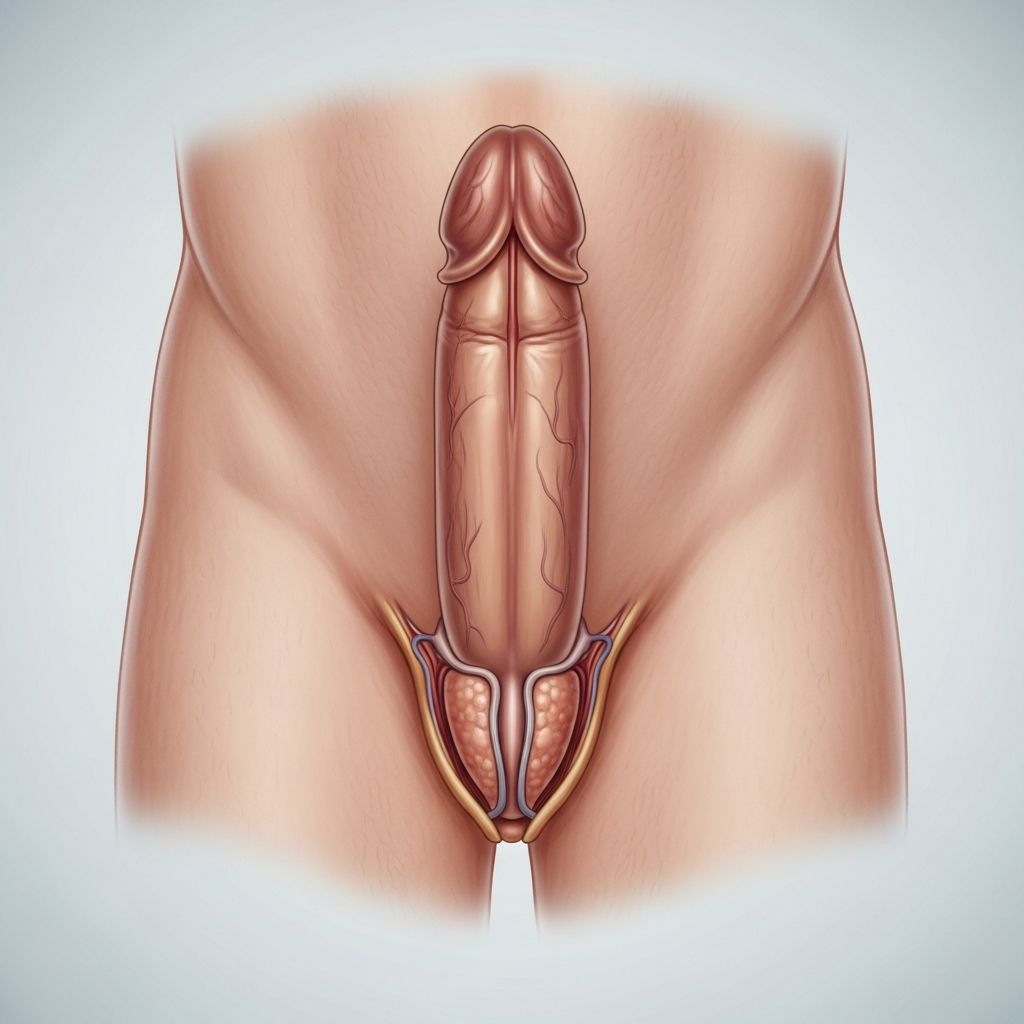
The penis is a vital organ in the male reproductive system, responsible for urination, sexual intercourse, and ejaculation. Understanding its anatomy, function, and common health concerns is essential for men’s overall wellness. This article covers everything from structure and size to medical conditions and care tips.
What Is the Penis?
The
penis
is the external male genitalia, consisting of the root, shaft, and glans (head). It serves dual functions: as a conduit for urine via the urethra and as the organ for sexual pleasure and reproduction through erection and ejaculation. During arousal, blood flow increases, causing the corpora cavernosa and corpus spongiosum to expand, resulting in an erection.Structurally, the penis is composed of three cylindrical erectile tissues surrounded by fibrous tissue and skin. The urethra runs through the center, allowing passage of both urine and semen. The foreskin, if present, covers the glans in uncircumcised men, protecting it and containing sensitive nerve endings.
Anatomy of the Penis
Detailed anatomy reveals the penis’s complexity:
- Root: Anchored to the pelvic bones via crura and bulb.
- Shaft: Composed of two corpora cavernosa and one corpus spongiosum.
- Glans: Expanded tip, highly sensitive, covered by foreskin in uncircumcised males.
- Frenulum: Connective band on the underside linking foreskin to glans.
- Urethra: Tube for urine and semen expulsion.
The skin is loose and mobile, facilitating erection. Nerve supply is dense, especially in the glans, contributing to sexual sensation.
Penis Size: Facts and Myths
Concerns about
penis size
are common, but data shows averages are smaller than perceived. A 2020 review in the Journal of Sex & Marital Therapy found the average erect length is 5.1-5.5 inches, closer to 5.1 inches when accounting for self-report bias. Men often overestimate, believing it’s over 6 inches, leading to unnecessary anxiety. Only 58% of men are satisfied with their size, desiring about 7.27 inches on average.Women’s perceptions align better at around 5.29 inches, and 84% report satisfaction with partners’ sizes, prioritizing technique over dimensions. Size does not correlate with fertility, stamina, or pleasure. Vaginal anatomy varies: the outer third has most nerve endings, G-spot responds to pressure, and clitoral structures extend internally, making technique key.
| Measurement | Average Erect (inches) | Common Myth |
|---|---|---|
| Length | 5.1-5.5 | >6 inches |
| Girth | 4.5-4.8 | Larger is always better |
Longer penises may provide fullness but risk cervical discomfort; shorter ones excel in G-spot stimulation.
Penis Function and Sexual Health
The penis achieves erection via nervous system signals increasing blood flow to erectile tissues. Ejaculation propels semen through the urethra. Sexual satisfaction depends on arousal, lubrication, positions, and communication, not size. Positions like missionary or doggy can optimize stimulation regardless of dimensions.
Clitoral stimulation is crucial for most women, with internal extensions stimulated indirectly. G-spot, a textured anterior wall area, responds to ‘come hither’ motions. Preferences vary: some favor deep thrusting, others shallow or rhythmic motions.
Related Stories



Common Penis Conditions
Erectile Dysfunction (ED)
**Erectile dysfunction** affects achieving or maintaining erections. Causes include vascular issues, diabetes, heart disease, smoking, and psychological factors like stress. Prevalence increases with age: 40% of men over 40, up to 70% over 70. Treatments: lifestyle changes, PDE5 inhibitors (Viagra), therapy.
Peyronie’s Disease
Characterized by fibrous plaques causing curvature and pain. Affects 1-23% of men, often post-injury. Symptoms: bending during erection, shortening. Treatments: medications, injections, surgery.
Priapism
Painful, prolonged erection (>4 hours) without arousal. Ischemic type is emergency; requires immediate care to prevent tissue damage.
Phimosis and Balanitis
**Phimosis**: Tight foreskin unable to retract. Treated with steroids or circumcision.
Balanitis
: Glans inflammation from poor hygiene or infections.- Circumcision: Removal of foreskin, reduces UTI and STI risk but controversial.
Penis Care and Hygiene
Daily hygiene prevents infections: wash with mild soap, retract foreskin if uncircumcised, dry thoroughly. Wear breathable underwear, avoid irritants. Regular check-ups detect issues early.
Safe sex practices reduce STI risks like HPV, herpes. Self-exams for lumps or changes aid cancer detection, though penile cancer is rare (1 in 100,000).
When to See a Doctor
- Painful erections or curvature.
- Difficulty urinating or retracting foreskin.
- Sores, discharge, or rash.
- Persistent ED or ejaculation issues.
- Prolonged erections.
Consult urologists for specialized care.
Frequently Asked Questions (FAQs)
What is the average penis size?
Average erect length is 5.1-5.5 inches; girth 4.5-4.8 inches. Size rarely impacts satisfaction.
Does penis size matter for sex?
No, technique, communication, and clitoral stimulation matter more. Vaginal sensitivity varies.
What causes erectile dysfunction?
Vascular disease, diabetes, stress, medications. Treatable with lifestyle and drugs.
Is circumcision necessary?
Not always; benefits hygiene and STI reduction, but risks exist. Personal choice.
How to maintain penis health?
Hygiene, safe sex, healthy lifestyle, regular exams.
This comprehensive guide empowers men with knowledge for confident health management. (Word count: 1678)
References
- Here’s the Average Penis Size — Men’s Health. 2020. https://www.menshealth.com/sex-women/a19532152/average-penis-size/
- Penis Size — HealthCentral. N/A. https://www.healthcentral.com/article/penis-size
- Erectile Dysfunction — National Institute of Diabetes and Digestive and Kidney Diseases (NIDDK). 2023-05-01. https://www.niddk.nih.gov/health-information/urologic-diseases/erectile-dysfunction
- Peyronie’s Disease — National Institute of Diabetes and Digestive and Kidney Diseases (NIDDK). 2023-04-20. https://www.niddk.nih.gov/health-information/urologic-diseases/penile-curvature-peyronies-disease
- Priapism — Mayo Clinic. 2024-01-12. https://www.mayoclinic.org/diseases-conditions/priapism/symptoms-causes/syc-20352005
- Phimosis — Cleveland Clinic. 2023-08-15. https://my.clevelandclinic.org/health/diseases/22065-phimosis
- Circumcision — Centers for Disease Control and Prevention (CDC). 2022-10-27. https://www.cdc.gov/nchhstp/newsroom/2014/circumcision-indications.html
- Penile Cancer — American Cancer Society. 2024-02-21. https://www.cancer.org/cancer/types/penile-cancer.html
Similar Articles








Read full bio of Sneha Tete