Pepcid for PMDD: TikTok Trend or Real Relief?
Is Pepcid AC the surprising solution to PMDD symptoms going viral on TikTok? Experts weigh in on the histamine theory and evidence-based alternatives.
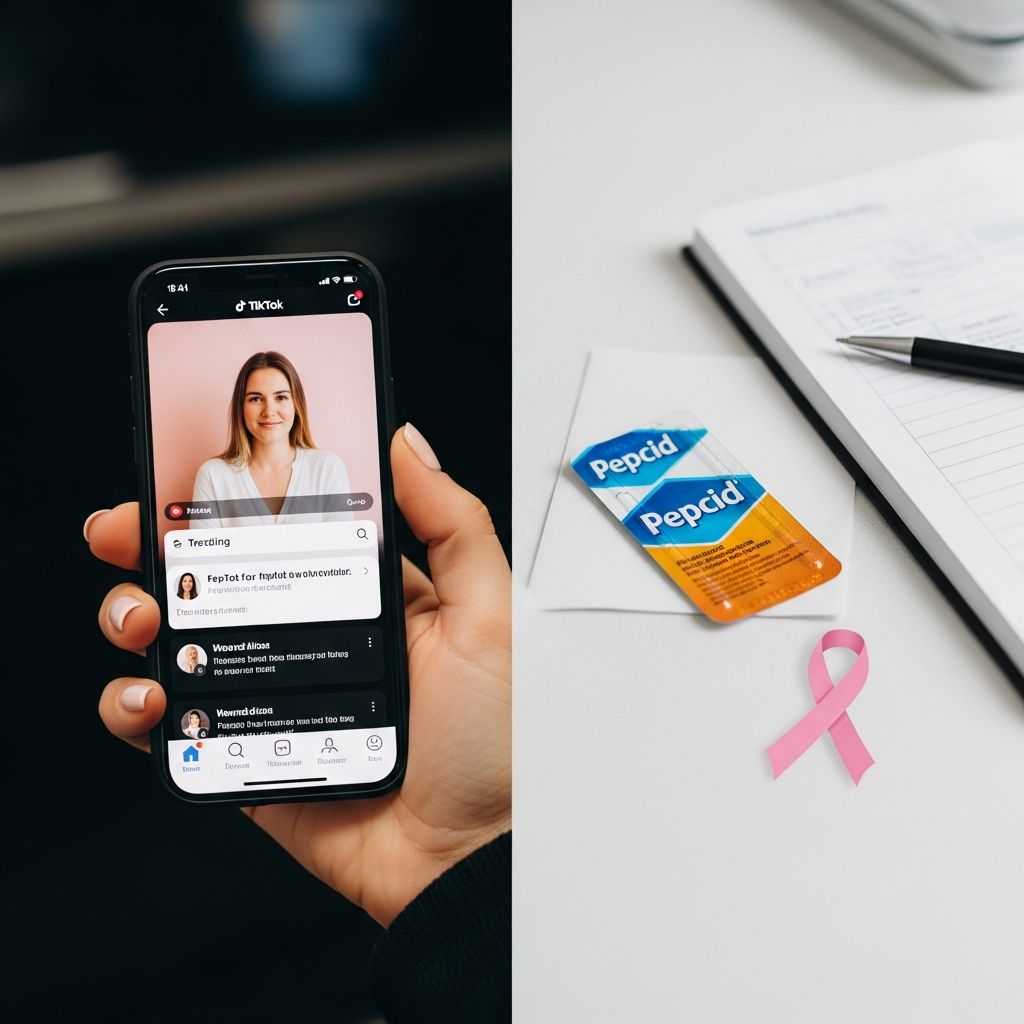
A surprising TikTok trend is promoting Pepcid AC, a common heartburn medication, as a remedy for PMDD (premenstrual dysphoric disorder) and severe PMS symptoms. Users claim it reduces mood swings, bloating, and irritability by blocking histamine. But is there science behind it, or is it just social media hype? This article dives into the claims, expert views, potential risks, and evidence-based treatments.
What Is PMDD—and Why Is Everyone Talking About Pepcid?
Premenstrual Dysphoric Disorder (PMDD) affects 3-8% of menstruating people, causing severe emotional and physical symptoms in the luteal phase (the week before menstruation). Unlike regular PMS, PMDD disrupts daily life with intense irritability, anxiety, depression, fatigue, bloating, headaches, and breast tenderness.
Symptoms vanish shortly after the period starts, but the cycle of suffering repeats monthly. The root cause involves abnormal sensitivity to hormonal fluctuations, particularly progesterone and estrogen, leading to serotonin dysregulation.
- Core emotional symptoms: Anger, irritability, mood swings, anxiety, depression.
- Physical symptoms: Bloating, fatigue, headaches, joint pain, breast tenderness.
- Impact: Interferes with work, relationships, and mental health; linked to conditions like IBS, anxiety disorders, and Mast Cell Activation Syndrome (MCAS).
Enter TikTok: Videos with millions of views claim Pepcid AC (famotidine) eases these symptoms. Users report feeling calmer and less bloated after taking it during their luteal phase. The trend exploded after personal stories linked it to histamine intolerance, a theory suggesting excess histamine worsens PMDD.
The Histamine Theory: Does It Hold Up?
The buzz stems from histamine’s role in the body. Histamine is a chemical involved in allergies, gut function, sleep, libido, and ovulation. Estrogen rises mid-cycle, stimulating mast cells (immune cells) to release histamine while impairing the body’s ability to break it down via DAO enzyme.
In PMDD, elevated histamine may amplify symptoms like anxiety, irritability, and bloating. Proponents argue H2 blockers like Pepcid AC (which blocks histamine receptors in the gut) reduce systemic histamine, easing discomfort.
How Pepcid AC works:
- Active ingredient: Famotidine, an H2-receptor antagonist.
- Primary use: Reduces stomach acid for heartburn, acid reflux, ulcers.
- TikTok claim: Blocks histamine in gut and immune system, lowering overall levels for PMDD relief (e.g., less bloating, mood stabilization).
Anecdotes abound: One user described crying over a movie due to PMDD-fueled emotional outbursts, only to find relief with Pepcid. Others pair it with antihistamines like Benadryl or Claritin.
What the Experts Say: Skepticism and Cautious Optimism
Experts are divided but lean skeptical. No clinical trials link famotidine to PMDD relief, and histamine’s role in PMDD lacks robust evidence. There’s no allergy research connecting mast cells or histamine directly to the disorder.
“While famotidine is effective for heartburn, there’s no research showing it manages PMDD. Histamine’s connection is theoretical at best.” — Medical experts
Dr. Emma Ross, a women’s health expert, notes estrogen-histamine interplay but stresses it’s not proven for PMDD treatment. However, Pepcid is safe for short-term use (e.g., one week monthly), with low risk of harm.
Related Stories



| Pros of Trying Pepcid for PMDD | Cons and Risks |
|---|---|
| Over-the-counter, inexpensive. Generally safe; side effects rare. | Headaches, dizziness, constipation. No proven efficacy; may delay real treatment. |
| Anecdotal relief for some. | Potential drug interactions; consult doctor. |
Bottom line: If it helps without harm, it might be worth discussing with a doctor—but don’t rely on it as first-line.
Proven Treatments for PMDD: What Actually Works
Stick to evidence-based options. SSRIs are the gold standard, targeting serotonin dysregulation—the key neurobiological factor in PMDD.
- SSRIs (e.g., Fluoxetine/Sarafem): Effective for all symptoms; can be taken continuously or luteal-phase only (14 days before period). 20mg fluoxetine is first-line.
- Hormonal therapies: Birth control pills to stabilize hormones.
- Lifestyle changes: Exercise, calcium supplements (1,200mg/day), cognitive behavioral therapy (CBT).
- Other meds: NSAIDs for pain, diuretics for bloating; in severe cases, GnRH agonists.
Studies show SSRIs provide rapid improvement in irritability, mood, and functioning. Always track symptoms via a menstrual diary for diagnosis.
Potential Risks and Side Effects of Pepcid for PMDD
Pepcid is well-tolerated, but not risk-free:
- Common side effects: Headache (4.7%), dizziness (1.3%), constipation, diarrhea.
- Rare but serious: Confusion (especially in elderly), heart rhythm changes, allergic reactions.
- Interactions: Avoid with certain antifungals, antacids; adjust dose in kidney issues.
For PMDD use (off-label), start low: 10-20mg once/twice daily, 10-60 minutes before meals, during luteal phase. Monitor and consult a gynecologist or psychiatrist.
Timing and Dosage: How TikTok Users Take Pepcid for PMDD
No official guidelines exist, but users and some sources suggest:
- Start 5-10 days before period (luteal phase).
- Dose: 10mg morning and night, before food.
- Adjust based on symptoms; stop when period starts.
- Combine with low-histamine diet (avoid aged cheese, wine, fermented foods).
Track via apps like Clue or Flo for patterns.
Related Conditions: MCAS, Histamine Intolerance, and PMDD
PMDD overlaps with:
- Mast Cell Activation Syndrome (MCAS): Periods worsen bloating, headaches, anxiety due to histamine surges.
- Histamine Intolerance: Poor DAO enzyme function leads to excess histamine.
- IBS, Anxiety/Depression: Share gut-brain-hormone links.
If symptoms persist, test for these.
Frequently Asked Questions (FAQs)
Q: Does Pepcid AC really help PMDD symptoms?
A: Anecdotally yes for some, by blocking histamine. No strong clinical evidence; experts recommend proven treatments like SSRIs first.
Q: When should I take Pepcid for PMDD?
A: During luteal phase (10 days before period), 10-20mg 1-2x daily before meals. Consult a doctor for personalization.
Q: Is Pepcid safe for monthly PMDD use?
A: Generally yes for short-term; side effects are mild. Get medical advice to rule out interactions.
Q: What are proven PMDD treatments?
A: SSRIs (e.g., fluoxetine), hormonal birth control, lifestyle changes, CBT. They target serotonin and hormones effectively.
Q: Can histamine cause PMDD-like symptoms?
A: Possibly via estrogen-mast cell link, but unproven. Low-histamine diets may help alongside standard care.
Final Thoughts: Proceed with Caution
The Pepcid-PMDD trend highlights desperation for relief but underscores social media’s limits. While harmless for many, prioritize doctor-guided, evidence-based care. Track symptoms, seek diagnosis, and explore SSRIs or therapy for lasting change. If histamine resonates, discuss with a specialist—personalized medicine is key.
References
- Can Pepcid AC Alleviate PMS Symptoms? Experts Debunk Popular Myths — Healthandme.com. 2024. https://www.healthandme.com/health-wellness/can-pepcid-ac-alleviate-pms-symptoms-experts-debunk-popular-myths-article-151120407
- PMDD, Histamine, and Mast Cells: Exploring New Avenues for Treatment — EDS Clinic. 2024. https://www.eds.clinic/articles/pmdd-histamine-and-mast-cells
- TikTok says this heartburn medicine helps PMDD symptoms — Women’s Health Mag UK. 2024. https://www.womenshealthmag.com/uk/health/female-health/a63817201/pmdd-antihistamine-antacid/
- Premenstrual Dysphoric Disorder: Recognition and Treatment — PMC (PubMed Central). 2002 (authoritative review, cited in recent studies). https://pmc.ncbi.nlm.nih.gov/articles/PMC353031/
Similar Articles








Read full bio of medha deb