Peppermint Oil: Uses, Benefits, and Safety
Explore the science-backed benefits and safety profile of peppermint oil for digestive and respiratory health.
Peppermint oil, derived from the peppermint plant (Mentha piperita), has been used in traditional medicine for centuries to address various health concerns. In recent decades, scientific research has increasingly validated many of these traditional applications, particularly for digestive and gastrointestinal conditions. This comprehensive guide explores the therapeutic potential of peppermint oil, examining its mechanisms of action, clinical applications, research evidence, and safety considerations.
What is Peppermint Oil?
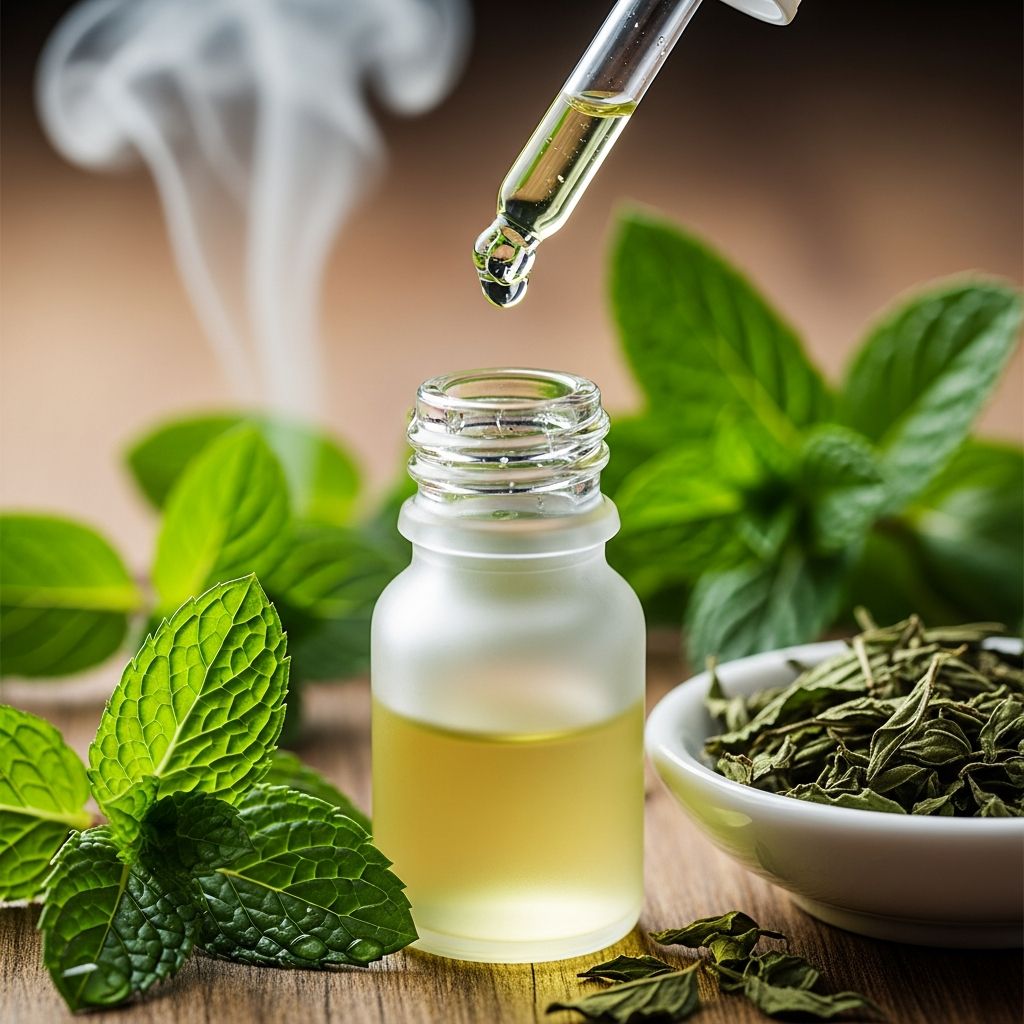
Peppermint oil is a concentrated extract obtained from the peppermint plant, a hybrid species derived from spearmint and water mint. The oil contains bioactive compounds including menthol, menthone, and various other volatile constituents that contribute to its therapeutic properties. Peppermint oil is commercially available in several formulations, including pure essential oils, enteric-coated capsules, and diluted preparations for topical or aromatherapy applications.
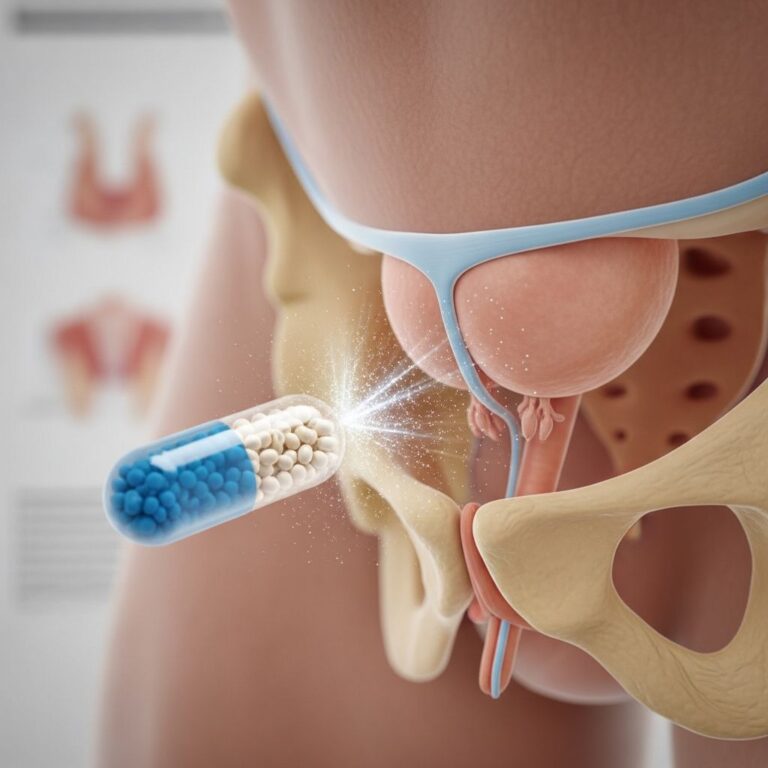
The choice of formulation is particularly important for internal use. Enteric-coated capsules are specifically designed to dissolve in the small intestine rather than the stomach, which helps minimize potential irritation and maximizes therapeutic efficacy for gastrointestinal conditions.
Mechanisms of Action
Peppermint oil operates through multiple physiological pathways that account for its diverse therapeutic effects. Understanding these mechanisms provides insight into how and why peppermint oil works for various conditions.
Smooth Muscle Relaxation
One of the primary mechanisms of peppermint oil involves relaxation of smooth muscle tissue throughout the gastrointestinal tract. This effect occurs through two distinct pathways: calcium channel blockade and direct effects on the enteric nervous system. By promoting smooth muscle relaxation, peppermint oil helps reduce muscle spasms and cramping that characterize many digestive disorders.
Visceral Sensitivity Modulation
Peppermint oil modulates how the body perceives pain and discomfort in internal organs through interactions with transient receptor potential (TRP) cation channels. This pain-modulating mechanism is particularly beneficial for conditions involving heightened abdominal sensitivity and pain perception.
Additional Therapeutic Pathways
Beyond smooth muscle relaxation and pain modulation, peppermint oil demonstrates antimicrobial and anti-inflammatory properties. It also modulates psychosocial distress responses, which may contribute to symptom relief in stress-related digestive conditions.
Clinical Applications and Research Evidence
Irritable Bowel Syndrome (IBS)
Irritable bowel syndrome represents the most extensively studied application of peppermint oil. IBS is a chronic functional disorder characterized by abdominal pain, bloating, and irregular bowel habits including diarrhea, constipation, or alternating patterns. Multiple clinical trials have evaluated peppermint oil’s efficacy for this condition.
In a significant study involving 110 individuals with IBS, participants received either enteric-coated peppermint oil capsules (187 milligrams) or placebo three to four times daily for four weeks. The peppermint oil group demonstrated statistically significant improvements in abdominal pain, bloating, stool frequency, and flatulence compared to placebo. An eight-week trial similarly showed that participants receiving peppermint oil capsules experienced substantially reduced abdominal pain and discomfort.
A comprehensive 2014 meta-analysis examining nine studies with 726 total participants found peppermint oil to be significantly superior to placebo for global IBS symptom improvement and abdominal pain reduction. More recent systematic reviews from 2020 analyzing 11 studies in 684 participants confirmed peppermint oil as a safe and effective short-term treatment for general IBS symptoms.
Related Stories



However, a 2021 randomized double-blind, placebo-controlled trial involving 133 participants revealed more nuanced findings. While IBS symptoms improved in both groups after six weeks, no statistically significant differences emerged between peppermint oil and placebo on primary outcome measures, though the peppermint oil group experienced a higher rate of adverse events without serious complications.
Functional Dyspepsia
Functional dyspepsia, characterized by indigestion and upper abdominal discomfort without identifiable structural disease, represents another well-researched application. Peppermint oil is frequently combined with complementary essential oils for this indication. A double-blind, placebo-controlled study of 39 individuals receiving enteric-coated peppermint-caraway oil combination three times daily for four weeks demonstrated significant dyspepsia pain reduction, with 63.2 percent of the treatment group becoming pain-free compared to 25 percent of placebo recipients.
Post-Operative Nausea and Gastrointestinal Effects
Research indicates that peppermint oil effectively addresses post-operative nausea and vomiting in surgical recovery contexts. A 2020 randomized clinical trial found that inhaling peppermint oil vapor through a nebulizer significantly reduced the frequency, duration, and severity of nausea and vomiting in patients recovering from heart surgery.
Beyond its antiemetic properties, peppermint oil affects physiology across the entire gastrointestinal tract, influencing esophageal, gastric, small bowel, gallbladder, and colonic function. Clinically, peppermint oil has been used to facilitate completion of colonoscopy and endoscopic retrograde cholangiopancreatography procedures by promoting intestinal relaxation and improving visualization.
Other Therapeutic Applications
Emerging research suggests additional benefits, though evidence remains preliminary. A 2016 study indicated that peppermint oil may provide safe and effective relief from chronic itching. A 2014 study in 30 students suggested improvements in athletic performance measurements including jumping ability and grip strength, though this requires further confirmation in larger populations.
Digestive Health Benefits
Peppermint oil’s applications in digestive health extend across multiple manifestations of gastrointestinal distress. The oil effectively alleviates abdominal pain, bloating, and intestinal gas, particularly following surgical procedures or medical examinations. Its smooth muscle relaxant properties make it particularly valuable for conditions involving intestinal cramping and spasm.
When considering peppermint oil for digestive purposes, the formulation matters significantly. Enteric-coated preparations are recommended for internal use to ensure the oil reaches the small intestine where maximum therapeutic benefit occurs. Uncoated formulations may dissolve prematurely in the stomach, potentially causing irritation or reduced efficacy.
Safety Profile and Considerations
General Safety
Peppermint oil demonstrates a favorable safety profile when used appropriately. Clinical trials have reported few adverse effects, with most studies indicating good tolerability. The overwhelming majority of reported side effects are mild and transient.
Potential Adverse Effects
Non-enteric-coated peppermint oil may cause or exacerbate heartburn and acid reflux symptoms due to relaxation of the lower esophageal sphincter. This risk is substantially mitigated through enteric-coating, which delays release until the oil reaches the small intestine. Individuals with a history of gastroesophageal reflux disease (GERD) or heartburn should exercise particular caution and consult healthcare providers before use.
Some users report mild gastrointestinal symptoms including mild nausea or stomach upset. In the 2021 study comparing peppermint oil to placebo, the peppermint oil group experienced a higher rate of adverse events compared to placebo, though no serious adverse events occurred and differences were not clinically significant.
Usage Recommendations
Healthcare professionals emphasize that pure essential oils should never be taken orally without medical guidance. Essential oils are highly concentrated and potentially toxic when ingested directly. Instead, individuals should use properly formulated, enteric-coated peppermint oil supplements specifically designed for internal consumption.
For topical and aromatherapy applications, peppermint oil should be appropriately diluted. Inhalation through diffusers or nebulizers represents a safer approach for those seeking nausea relief or respiratory benefits. Always consult with a qualified healthcare professional before beginning peppermint oil supplementation, particularly if taking medications or managing chronic health conditions.
Proper Usage Guidelines
Dosage
Most clinical studies demonstrating efficacy for IBS used enteric-coated peppermint oil capsules containing 180-187 milligrams taken three to four times daily, typically 15-30 minutes before meals. Treatment duration in trials ranged from four to eight weeks. However, individual needs vary, and dosage recommendations should be personalized based on specific conditions and professional medical guidance.
Form Selection
Multiple formulations serve different purposes. Enteric-coated capsules are preferred for digestive conditions requiring internal action. Aromatherapy diffusers suit respiratory and mood-related applications. Diluted topical preparations may address localized concerns. The selection depends on the intended therapeutic outcome and individual circumstances.
Special Populations
Peppermint oil shows promise for childhood functional abdominal pain, though pediatric dosing requires careful professional determination. Pregnant and nursing women should consult healthcare providers before use, as safety data in these populations remain limited. Individuals with gallstones or bile duct disorders require medical clearance, as peppermint oil affects gallbladder physiology.
Comparison of Formulations
| Formulation Type | Best Use | Advantages | Considerations |
|---|---|---|---|
| Enteric-Coated Capsules | IBS, dyspepsia, digestive conditions | Targeted small intestine delivery, proven efficacy, well-studied | Must be swallowed whole, higher cost |
| Pure Essential Oil | Aromatherapy, topical application only | Concentrated, versatile applications | Never ingest directly, requires dilution for skin application |
| Diffuser/Inhalation | Nausea relief, respiratory support, mood | Non-invasive, systemic benefits without ingestion | May require repeated applications, effects may be transient |
| Teas and Infusions | Mild digestive support, relaxation | Gentle, familiar format, pleasant taste | Lower concentration, less clinical evidence than standardized supplements |
Frequently Asked Questions
Q: Is peppermint oil safe for daily long-term use?
A: Most research demonstrates short-term safety over 4-8 weeks. Long-term daily use requires healthcare provider guidance. While adverse effects are generally minimal, extended use beyond studied durations lacks sufficient evidence for unconditional recommendation.
Q: Can peppermint oil help with weight loss?
A: While some studies suggest peppermint oil may enhance athletic performance and satiety, sufficient evidence for weight loss doesn’t exist. Consult healthcare providers before using peppermint oil for weight management purposes.
Q: Does peppermint oil interact with medications?
A: Potential interactions exist, particularly with certain medications. Inform healthcare providers of all supplements, including peppermint oil, to identify potential interactions or contraindications.
Q: How quickly does peppermint oil work?
A: For IBS and digestive conditions, improvements typically emerge within 4-8 weeks of consistent use. Inhalation-based benefits for nausea may occur more rapidly. Individual response varies considerably.
Q: Can I use peppermint oil if I have GERD?
A: Non-enteric-coated peppermint oil may worsen GERD. Enteric-coated formulations are safer for GERD patients, but professional consultation is essential before use.
Q: What’s the difference between peppermint oil and peppermint tea?
A: Peppermint oil contains concentrated active compounds in much higher doses than tea. Oil formulations, particularly enteric-coated versions, provide more consistent and potent therapeutic effects, supported by robust clinical evidence.
Conclusion
Peppermint oil represents a well-researched botanical medicine with substantial clinical evidence supporting its use for specific gastrointestinal and related conditions. The most robust evidence supports efficacy for irritable bowel syndrome and functional dyspepsia, with emerging applications for post-operative nausea, chronic itching, and other conditions. The oil’s multiple mechanisms of action—including smooth muscle relaxation, pain modulation, and anti-inflammatory effects—contribute to its diverse therapeutic applications.
When used in appropriate formulations, particularly enteric-coated capsules, peppermint oil demonstrates excellent safety with minimal adverse effects. However, proper usage requires professional guidance, appropriate formulation selection, and recognition of potential contraindications or interactions. Individuals considering peppermint oil supplementation should consult qualified healthcare providers to determine suitability for their specific circumstances, ensure proper dosing, and monitor for potential interactions or adverse effects.
As research continues, our understanding of peppermint oil’s therapeutic potential expands, promising additional clinical applications supported by scientific evidence. The current body of evidence positions peppermint oil as a valuable complementary approach for managing select digestive and related conditions when integrated appropriately into comprehensive health management strategies.
References
- The Physiological Effects and Safety of Peppermint Oil — PubMed/National Center for Biotechnology Information. 2018. https://pubmed.ncbi.nlm.nih.gov/29372567/
- Irritable Bowel Syndrome and Complementary Health Approaches: Science — National Center for Complementary and Integrative Health (NCCIH). 2024. https://www.nccih.nih.gov/health/providers/digest/irritable-bowel-syndrome-and-complementary-health-approaches-science
- Irritable Bowel Syndrome: What You Need To Know — National Center for Complementary and Integrative Health (NCCIH). 2024. https://www.nccih.nih.gov/health/irritable-bowel-syndrome-what-you-need-to-know
- Peppermint Oil Benefits: Properties and Uses — Medical News Today. 2024. https://www.medicalnewstoday.com/articles/peppermint-oil-benefits
- Peppermint’s Therapeutic Uses — EBSCO Health Information Services. 2024. https://www.ebsco.com/research-starters/health-and-medicine/peppermints-therapeutic-uses
Similar Articles








Read full bio of medha deb