Peptic Ulcer Disease: Symptoms, Causes & Treatment
Comprehensive guide to peptic ulcer disease: understanding causes, recognizing symptoms, and exploring treatment options.
Understanding Peptic Ulcer Disease
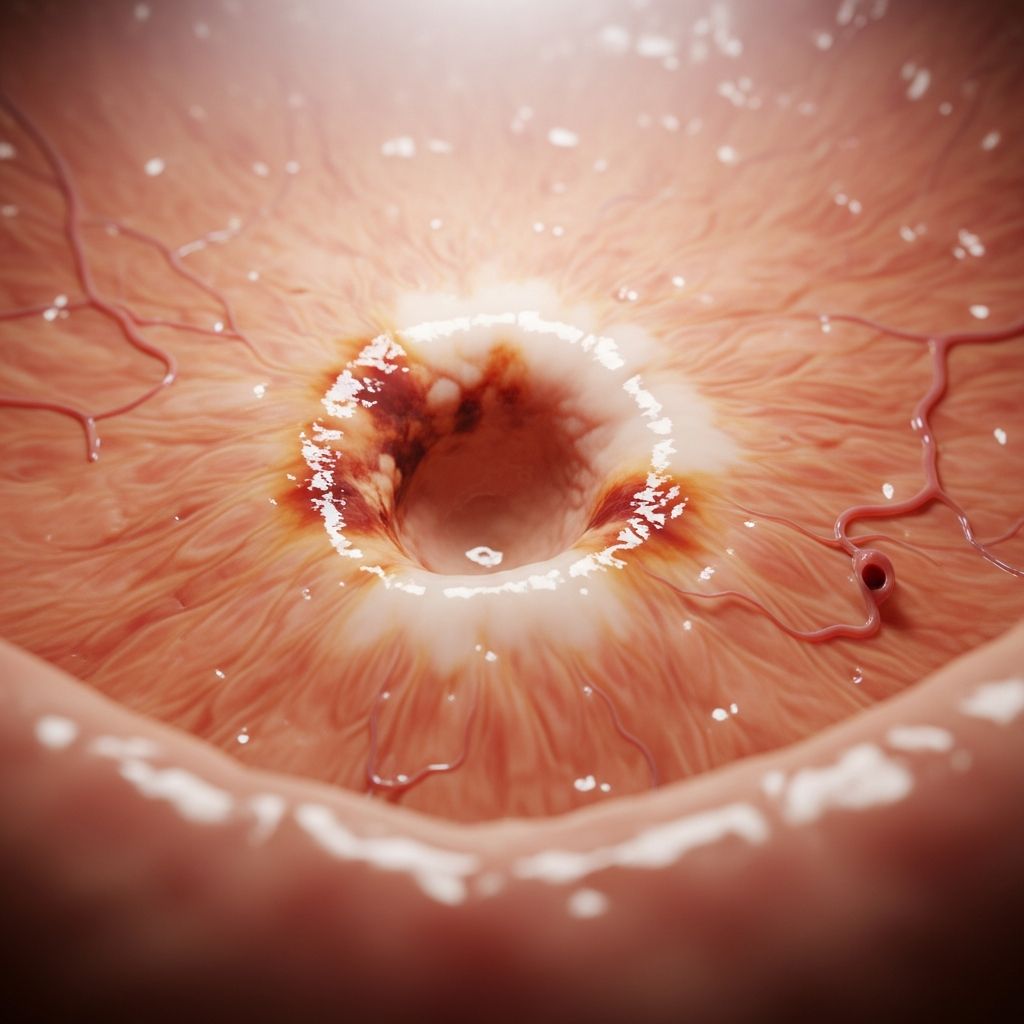
Peptic ulcer disease (PUD) is a common gastrointestinal condition characterized by the development of open sores, or ulcers, in the lining of the stomach or the first part of the small intestine, known as the duodenum. These painful lesions form when the protective lining of the gastrointestinal tract becomes damaged, exposing the underlying tissue to stomach acid. This condition affects millions of people worldwide and ranges in severity from mild discomfort to serious complications requiring immediate medical intervention.
The term “peptic” refers to the action of pepsin, a digestive enzyme, combined with stomach acid that creates an acidic environment capable of eroding the stomach lining. Understanding this condition is crucial for early detection and effective management, as untreated peptic ulcers can lead to severe complications.
Causes of Peptic Ulcer Disease
Two primary causes are responsible for the majority of peptic ulcer cases. Understanding these risk factors helps in both prevention and treatment strategies.
Helicobacter pylori Infection
Helicobacter pylori (H. pylori) is a bacterium that colonizes the stomach lining and is one of the leading causes of peptic ulcer disease. This pathogenic organism can survive in the acidic environment of the stomach and gradually damages the protective mucosa, leading to ulcer formation. H. pylori infection is typically acquired through contaminated food or water and can persist for years without causing symptoms in many individuals.
Nonsteroidal Anti-Inflammatory Drugs (NSAIDs)
NSAIDs, such as aspirin, ibuprofen, and naproxen, represent another major cause of peptic ulcers. These medications work by inhibiting prostaglandin production, which normally helps protect the stomach lining from acid damage. Chronic NSAID use significantly increases the risk of ulcer development, particularly in older adults and those with a history of gastrointestinal issues.
Other Contributing Factors
While less common, other factors can contribute to ulcer formation, including severe physiological stress, certain malignancy conditions, and in rare cases, excessive acid production due to Zollinger-Ellison syndrome. Smoking and alcohol consumption may also exacerbate existing ulcers and impede healing.
Recognizing Symptoms
The manifestations of peptic ulcer disease vary depending on the ulcer’s location and severity. Recognizing these symptoms early allows for timely medical intervention.
Common Symptoms
The most frequent symptom is a burning or gnawing pain in the epigastric region of the abdomen. This discomfort typically occurs within 15-30 minutes after eating in patients with gastric ulcers, while duodenal ulcers tend to cause pain 2-3 hours after meals. Additional common symptoms include bloating, abdominal fullness, nausea, and feelings of early satiety.
Severe Symptoms Requiring Urgent Attention
Certain warning signs demand immediate medical evaluation. These include hematemesis (vomiting blood), melena or hematochezia (dark or black stools indicating intestinal bleeding), unintentional weight loss, progressive difficulty swallowing, iron deficiency anemia, and recurrent vomiting. These symptoms may indicate serious complications such as bleeding or perforation.
Related Stories



Diagnostic Procedures
Accurate diagnosis is essential for appropriate treatment planning. Multiple diagnostic methods are available to confirm peptic ulcer disease and identify its underlying cause.
Testing for H. pylori Infection
Testing for Helicobacter pylori is recommended in all patients presenting with peptic ulcer disease symptoms. Several diagnostic methods are available:
- Urea Breath Test: This non-invasive test has high sensitivity and specificity. It may also be used to confirm successful eradication 4-6 weeks after completing treatment.
- Stool Antigen Test: This method detects H. pylori antigens in stool samples and provides reliable results.
- Serologic Testing: Blood tests identify antibodies against H. pylori, indicating current or past infection.
- Direct Detection During Endoscopy: Biopsies taken during endoscopy allow for direct identification of the bacterium.
Imaging and Endoscopy
Imaging tests like CT scans or GI X-rays can identify large ulcers, while upper endoscopy remains the gold standard for diagnosis. During this procedure, a thin, flexible tube with a camera is inserted through the mouth to visualize the stomach and duodenum directly. This allows physicians to assess ulcer characteristics, obtain tissue samples, and test for H. pylori directly. Many patients receive their definitive diagnosis through endoscopy, which also enables therapeutic interventions when necessary.
Laboratory Investigations
Complete blood work, liver function tests, and measurement of amylase and lipase levels help assess overall health and identify potential complications. Serum gastrin levels may be ordered if Zollinger-Ellison syndrome is suspected.
Complications of Untreated Peptic Ulcer Disease
Without appropriate treatment, peptic ulcers can progress to serious, life-threatening complications.
Bleeding Ulcers
One of the most common complications is gastrointestinal bleeding, manifesting as vomiting blood or passing dark, tarry stools. Severe bleeding can lead to anemia and, in extreme cases, hemorrhagic shock.
Perforation
A perforated ulcer represents a medical emergency where the ulcer erodes completely through the gastrointestinal wall, creating a hole. This allows stomach or intestinal contents to spill into the abdominal cavity, causing acute chemical peritonitis. Posterior gastric wall perforation may involve the gastroduodenal artery, leading to life-threatening bleeding with a mortality rate reaching 20%. The hallmark symptom is sudden, intense abdominal pain.
Other Serious Complications
Stenosis, where scar tissue narrows the gastric outlet or pylorus, can develop from chronic ulceration. Additionally, penetrating ulcers can erode into adjacent organs, causing referred pain and systemic complications.
Treatment Options
Modern pharmacological advances have made peptic ulcer disease highly treatable. Most ulcers respond well to medication, though complications may require additional interventions.
Medications for H. pylori-Induced Ulcers
When H. pylori infection is identified, the first-line treatment involves a triple regimen combining two antibiotics with a proton pump inhibitor (PPI). The standard regimen includes pantoprazole or comparable PPI, clarithromycin, and either amoxicillin or metronidazole, administered for 7-14 days. This combination therapy can achieve eradication rates approaching 90%, particularly when the PPI dosage is doubled or treatment duration is extended to 14 days.
Quadruple therapy, incorporating pantoprazole, clarithromycin, amoxicillin, and metronidazole, may be employed in cases of antibiotic resistance, achieving approximately 90% eradication rates.
Acid-Reducing Medications
Proton pump inhibitors represent the most effective class of acid-reducing medications, significantly suppressing gastric acid production. Additional options include histamine-2 receptor antagonists and antacids, which provide symptomatic relief and support ulcer healing.
Gastroprotective Agents
Prostaglandin analogs such as misoprostol are sometimes used prophylactically in patients requiring chronic NSAID therapy. Sucralfate forms a protective barrier over the ulcer site, promoting healing.
Endoscopic Treatment
For bleeding ulcers, early endoscopic therapy can effectively halt bleeding through cautery, endoclips, or epinephrine injection. This treatment is indicated when active bleeding, visible vessels, or adherent clots are present. Prokinetic agents like erythromycin and metoclopramide may be administered before endoscopy to improve visualization.
Surgical Intervention
Surgical treatment is reserved for patients unresponsive to medical management, those with poor compliance, or those at high risk of complications. Refractory peptic ulcers, defined as lesions exceeding 5mm in diameter that fail to heal despite 8-12 weeks of PPI therapy, may require surgical evaluation. Common surgical approaches include vagotomy or partial gastrectomy, which reduce acid production or remove the affected area.
Healing Timeline and Recovery
Most peptic ulcers respond favorably to medication, with healing typically occurring within a few weeks. However, complete healing of the ulcer crater itself takes considerably longer, generally requiring 1-3 months depending on ulcer size, location, and individual health factors. Most patients take medications for approximately two months, and noticeable symptomatic improvement usually occurs within a few weeks of starting treatment.
Critically, patients must continue their prescribed medications for the entire duration specified by their healthcare provider, even after symptom resolution, to ensure complete healing and minimize recurrence risk. Follow-up appointments and repeat endoscopic examinations may be necessary to confirm complete healing.
Prevention and Lifestyle Modifications
Preventing peptic ulcer disease involves addressing modifiable risk factors. Patients using NSAIDs should take the lowest effective dose for the shortest duration possible. Those requiring chronic NSAID therapy may benefit from concurrent PPI or misoprostol use for gastroprotection. Smoking cessation and alcohol moderation support ulcer healing and reduce recurrence risk.
Monitoring and Follow-Up
Your healthcare provider may test again after treatment completion to ensure the ulcer has healed and infection has been eradicated. This verification is particularly important given that H. pylori can recur and ulcers may return if the underlying cause remains unaddressed. Patients with chronic conditions may require long-term therapy to prevent recurrence.
Frequently Asked Questions
Q: What is the difference between gastric and duodenal ulcers?
A: Gastric ulcers occur in the stomach lining, while duodenal ulcers develop in the duodenum, the first part of the small intestine. Gastric ulcer pain typically occurs 15-30 minutes after eating, whereas duodenal ulcer pain appears 2-3 hours after meals.
Q: Can peptic ulcers heal on their own without treatment?
A: While small ulcers may occasionally improve temporarily, most peptic ulcers require treatment to heal completely and prevent complications. Without proper treatment, ulcers tend to persist or worsen.
Q: Is peptic ulcer disease contagious?
A: H. pylori infection can be transmitted through contaminated food or water, making it communicable. However, not everyone exposed to H. pylori develops peptic ulcer disease.
Q: Can I return to normal activities during treatment?
A: Most people can maintain normal activities during peptic ulcer treatment. However, avoiding NSAIDs, reducing stress, and making dietary modifications may facilitate faster healing.
Q: How effective is current peptic ulcer treatment?
A: Modern treatments are highly effective, with most peptic ulcers responding well to medication. Treatment effectiveness typically exceeds 85-90%, particularly with proper antibiotic regimens for H. pylori infection.
Q: What should I do if my symptoms persist despite treatment?
A: Persistent symptoms may indicate treatment resistance, continued H. pylori infection, ongoing NSAID use, or other underlying conditions. Consult your healthcare provider for reevaluation and possible imaging studies.
Q: Are there any dietary restrictions with peptic ulcers?
A: While research suggests foods don’t directly cause ulcers, avoiding irritating substances like spicy foods, caffeine, and alcohol may reduce symptoms and support healing.
References
- What to Know about Peptic Ulcer Disease — Cleveland Clinic Newsroom. 2023-09-07. https://newsroom.clevelandclinic.org/2023/09/07/what-to-know-about-peptic-ulcer-disease
- Peptic Ulcer Disease: Symptoms, Treatments, and Everyday Management — Island Hospital. https://islandhospital.com/peptic-ulcer-disease/
- Peptic Ulcer Disease — National Center for Biotechnology Information (NCBI) Bookshelf. https://www.ncbi.nlm.nih.gov/books/NBK534792/
- Symptoms & Treatments for Peptic Ulcer Disease — Cleveland Clinic. https://my.clevelandclinic.org/health/diseases/10350-peptic-ulcer-disease
- Peptic Ulcer Disease – StatPearls — NCBI Bookshelf. https://www.ncbi.nlm.nih.gov/books/NBK534792/
- Peptic Ulcer – Diagnosis and Treatment — Mayo Clinic. https://www.mayoclinic.org/diseases-conditions/peptic-ulcer/diagnosis-treatment/drc-20354229
Similar Articles








Read full bio of Sneha Tete