Perfecting Your Walking Technique for Optimal Health
Master proper walking form to maximize fitness benefits and prevent injury.
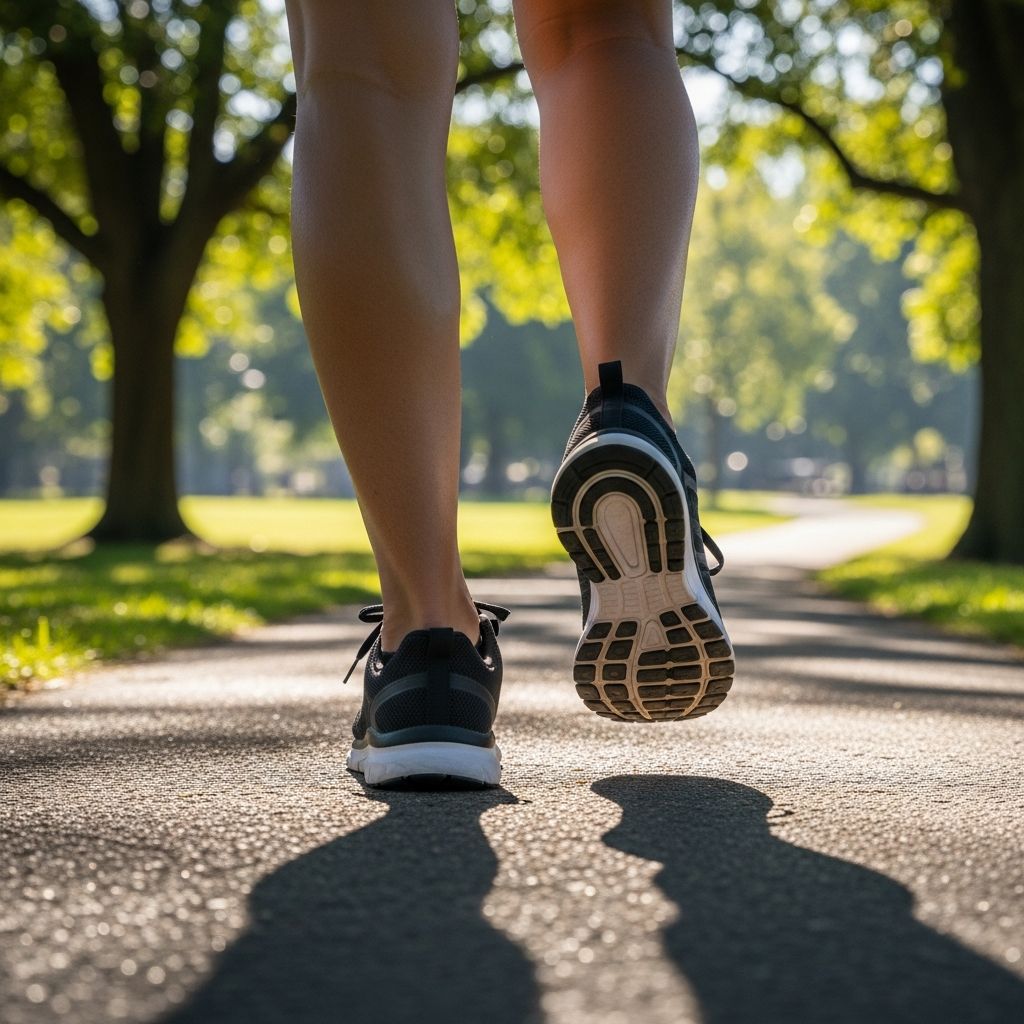
Walking is one of the most accessible and beneficial forms of physical activity available to people of all ages and fitness levels. Whether you’re looking to improve your cardiovascular health, manage your weight, or simply enjoy the outdoors, walking offers remarkable benefits with minimal risk of injury. However, many people overlook a crucial aspect of their walking routine: proper technique. Just as with any physical activity, how you walk matters significantly. By understanding and implementing correct walking form, you can maximize the health benefits of your walking routine, prevent unnecessary strain on your joints and muscles, and make your workouts more efficient and enjoyable.
Why Walking Technique Matters
Walking may seem like a straightforward activity that requires no special instruction, but poor walking technique can lead to discomfort, inefficiency, and even injury. When you walk with incorrect posture or form, you place unnecessary stress on your knees, hips, back, and ankles. This can lead to chronic pain and reduce your motivation to maintain a regular walking routine. Additionally, improper technique means you’re not engaging all the muscles you could be working, which reduces the effectiveness of your walking workouts.
Research consistently demonstrates that brisk walking is associated with significant health benefits. Walking at a faster pace is linked to a 24% reduced risk of cardiovascular disease mortality compared to slow walking, and meeting the recommended 150 minutes of moderate-intensity aerobic activity per week—achievable through just 30 minutes of brisk walking five days a week—can substantially reduce your risk of chronic diseases. By perfecting your technique, you ensure that every step contributes meaningfully to these health outcomes.
The Foundation: Proper Posture
Good walking posture forms the foundation of proper technique. Your posture determines how efficiently your body moves and how much stress falls on various joints and muscles. When walking, imagine a string pulling the top of your head upward. Your eyes should look forward, not down at your feet or the ground. Keep your shoulders relaxed and naturally drawn back, avoiding both hunching forward and excessive arching backward.
Your core muscles play a vital role in maintaining proper posture while walking. Engage your abdominal muscles by drawing your belly button slightly toward your spine. This engagement helps support your lower back and maintains the natural curve of your spine. Avoid leaning forward or backward from your waist, as this places excessive strain on your lower back and reduces the effectiveness of your leg muscles.
Your arms should swing naturally at your sides, bent at approximately 90 degrees at the elbows. Allow your arms to swing from your shoulders rather than from your elbows, and let them move opposite to your legs—when your right leg moves forward, your left arm should swing forward naturally. This arm movement helps propel you forward, engages your upper body, and aids in maintaining balance.
Foot Placement and Stride
The way your foot strikes the ground and moves through each step significantly impacts your walking efficiency and joint health. The ideal foot strike pattern begins with your heel making contact with the ground first. This heel-strike pattern naturally distributes the impact of walking across your foot, reducing stress on any single area.
Related Stories



As your weight transfers forward, your foot should roll smoothly from your heel across the ball of your foot. This natural rolling motion is sometimes called the “heel-toe” pattern. Finally, you push off with your toes to propel yourself forward into the next step. This complete foot motion should feel smooth and natural, like a continuous rolling motion rather than distinct, choppy movements.
Your stride length should be natural and comfortable for your body. Avoid taking excessively long strides, as this can lead to overstriding and create excessive impact on your joints, particularly your knees and hips. Instead, focus on taking quick, efficient steps. A general guideline is to aim for approximately 160 to 180 steps per minute, though this can vary based on your height, fitness level, and walking pace.
Breathing and Rhythm
Proper breathing during walking is often overlooked but plays an important role in your performance and endurance. During a leisurely walking pace, you should be able to breathe naturally and comfortably without gasping for air. However, when walking at a faster, more intense pace, coordinating your breathing with your walking rhythm can improve your stamina and oxygen utilization.
A simple breathing pattern for brisk walking involves inhaling through your nose for three to four steps and exhaling through your mouth for two to three steps. This rhythmic breathing pattern helps regulate your heart rate, ensures adequate oxygen supply to your muscles, and can make your walk feel more controlled and intentional. Some people find that focusing on their breathing also helps them maintain their walking pace more consistently.
Pace and Intensity Variations
One effective walking technique gaining recognition from health experts is interval walking, which involves alternating between slow and brisk walking paces. This Japanese-inspired method typically consists of three-minute intervals of slower walking followed by three-minute intervals of faster walking, repeated for approximately 30 minutes total. Research indicates that this approach offers superior fitness outcomes compared to maintaining a single steady pace throughout your walk.
Interval walking provides outstanding advantages for heart health by strengthening and enhancing the flexibility of the heart and blood vessels. The technique also helps regulate blood pressure and minimizes the risk of heart conditions like hypertension and strokes. For fitness improvement, research indicates that interval walking enhances aerobic capability through better peak oxygen consumption and strengthens muscles more effectively than extended periods of slow, steady walking.
Dr. Saurabh Sethi, a Harvard-trained physician, recommends starting with a three- to five-minute warm-up at a comfortable pace, followed by alternating intervals of slow and fast walking, and concluding with a three- to five-minute cool-down to help your heart and muscles stabilize.
Upper Body Engagement
Many walkers focus exclusively on their legs and lower body but neglect to engage their upper body. Proper arm swing not only helps propel you forward but also engages your chest, shoulders, and core muscles. Your arms should move in a controlled manner, swinging forward and backward from your shoulders rather than across your body.
Avoid common arm-swinging mistakes such as crossing your arms across your midline, holding your arms too rigidly, or keeping them too low or too high. Your elbows should bend at a 90-degree angle, and your hands should be relatively relaxed and loose. Some people find it helpful to gently curl their fingers as if they were holding a fragile object or loosely grasping something delicate, which promotes natural, relaxed arm movement.
Footwear and Its Impact
Proper footwear is an essential component of good walking technique. Wearing appropriate walking shoes designed to provide support, cushioning, and stability can significantly impact your comfort and injury prevention. Your walking shoes should have good arch support to maintain the natural alignment of your feet, ankles, and legs. Adequate cushioning helps absorb impact with each step, reducing stress on your joints.
When selecting walking shoes, ensure they fit properly with enough room for your toes to move but not so loose that your foot slides around inside the shoe. The heel should be snug and supportive. Replace your walking shoes every 300 to 500 miles, as worn-out shoes lose their cushioning and supportive properties, potentially leading to discomfort and injury.
Core Stability and Alignment
Your core muscles—including your abdominal muscles, lower back muscles, and hip stabilizers—play a crucial role in maintaining proper walking alignment. A strong, engaged core allows you to maintain upright posture, prevents excessive swaying or leaning, and protects your lower back from strain.
During your walk, maintain a neutral spine by keeping your shoulders, hips, knees, and ankles roughly aligned. Avoid excessive rotation of your torso or excessive side-to-side swaying. If you notice yourself tilting significantly to one side or rotating your upper body excessively with each step, this may indicate weak core muscles or poor posture awareness. Incorporating core-strengthening exercises into your regular routine can improve your walking technique and overall stability.
Walking for Different Objectives
Your walking technique may vary slightly depending on your fitness goals. For cardiovascular health and disease prevention, research indicates that brisk walking—defined as a pace where you can talk but not sing—is most beneficial. This moderate-intensity walking pace should feel like you’re moving with purpose and engaging your cardiovascular system.
For weight management and metabolic benefits, maintaining consistent, purposeful walking with good form is important. A University of Utah study found that for every minute of brisk walking women engaged in throughout the day, they lowered their risk of obesity by 5%.
If your goal is stress reduction and mental clarity, mindful walking offers a different approach. This involves walking with awareness, paying attention to your surroundings, your thoughts, and physical sensations like the wind on your face or the feeling of your foot rolling from heel to toe. Even during mindful walking, maintaining proper posture and form remains important for preventing injury and maximizing benefits.
Safety Considerations and Common Mistakes
Several common mistakes can undermine your walking technique and increase injury risk. Looking down constantly at your feet or the ground disrupts your posture and can lead to neck and shoulder tension. Instead, focus on keeping your gaze forward while being aware of immediate hazards.
Tensing your shoulders and neck muscles reduces efficiency and can lead to discomfort. Keep your shoulders relaxed and let them naturally drop away from your ears. Similarly, clenching your hands into tight fists creates unnecessary tension throughout your body. Allow your hands to be relatively relaxed and natural.
Taking excessively long strides may feel more efficient but actually increases impact stress on your joints and reduces your ability to maintain a consistent pace. Instead, focus on taking quick, natural steps with a comfortable stride length. Wearing inappropriate footwear, failing to warm up properly, and walking on uneven surfaces without caution can all increase injury risk.
Progressive Training and Consistency
If you’re new to regular walking, start gradually and progressively increase your duration and intensity as your fitness improves. Begin with 10- to 15-minute walks at a comfortable pace, focusing on maintaining good posture and form. As these become easier, gradually extend your walking duration by 5- to 10-minute increments until you reach your target duration.
Once you’re comfortable with your baseline walking routine, you can incorporate interval training, increasing your pace, or varying your terrain. Dr. Sethi recommends that beginners starting with interval walking follow by starting with a warm-up of comfortable walking, followed by three minutes of slow walking and three minutes of fast walking, repeating this pattern for 20–30 minutes. Wearing the right shoes and maintaining proper hydration helps prevent injuries and fatigue.
Consistency is more important than intensity. Regular, moderate walking is superior to occasional intense walking sessions. Aim for at least 30 minutes of brisk walking on most days of the week, or at minimum 150 minutes of moderate-intensity walking weekly to meet current physical activity recommendations and achieve significant health benefits.
The Holistic Benefits of Proper Technique
Walking at a brisk pace offers multifaceted health benefits. Research demonstrates that it significantly improves cardiovascular risk factors, reducing the risk of cardiovascular disease, cerebrovascular disease, type 2 diabetes, and cognitive decline. Additionally, interval walking enhances brain function, energy levels, and mental clarity through improved circulation and endocrine function. The exercise triggers endorphin production, improving mood, reducing stress and anxiety, and improving sleep quality.
Unlike high-impact activities such as running, walking is gentle on joints, making it suitable for seniors and individuals with joint concerns. Despite this low-impact nature, proper walking technique performed at adequate intensity delivers substantial fitness and health benefits comparable to more intense exercise forms.
Frequently Asked Questions
Q: How can I tell if my walking posture is correct?
A: Correct posture should feel upright and relaxed, with your shoulders back and relaxed, your core gently engaged, and your gaze directed forward. Have someone observe your walking or record yourself to identify any postural deviations such as excessive forward lean, shoulder rounding, or asymmetrical arm swing.
Q: What is the optimal walking pace for health benefits?
A: Brisk walking—a pace where you can talk but not sing—represents moderate-intensity activity that provides maximum health benefits. This typically corresponds to approximately 3 to 4 miles per hour or 160 to 180 steps per minute, though individual optimal pace varies based on fitness level and age.
Q: How often should I incorporate interval walking into my routine?
A: Interval walking can be incorporated 3 to 5 days per week as part of your overall walking routine. This variation prevents monotony and provides enhanced cardiovascular and metabolic benefits compared to maintaining a steady pace throughout.
Q: Can walking technique prevent injury?
A: Yes, proper walking technique significantly reduces injury risk by ensuring appropriate load distribution across your joints, maintaining correct spinal alignment, and engaging stabilizing muscles. Combined with appropriate footwear and gradual progression, correct technique substantially minimizes the risk of walking-related injuries.
Q: How long does it take to develop proper walking habit?
A: Most people can develop awareness of proper walking technique within a few weeks of focused practice. However, making these adjustments automatic and ingrained typically requires 4 to 8 weeks of consistent practice before good technique becomes your natural default walking pattern.
References
- Japanese walking method recommended by Harvard expert for quick fitness gains — Economic Times. 2024-12-19. https://economictimes.indiatimes.com/news/international/us/japanese-walking-method-recommended-by-harvard-expert-for-quick-fitness-gains/articleshow/123984794.cms
- The multifaceted benefits of walking for healthy aging: from Blue Zones to molecular pathways — National Center for Biotechnology Information (NCBI/PMC). 2024. https://pmc.ncbi.nlm.nih.gov/articles/PMC10643563/
- Walking: An Easy Way to Get Fit — HelpGuide. 2024. https://www.helpguide.org/wellness/fitness/how-to-start-a-walking-program
Similar Articles








Read full bio of medha deb