Pericardiocentesis: Procedure Details & Recovery
Life-saving heart procedure: Learn how pericardiocentesis drains excess fluid around your heart.
What Is Pericardiocentesis?
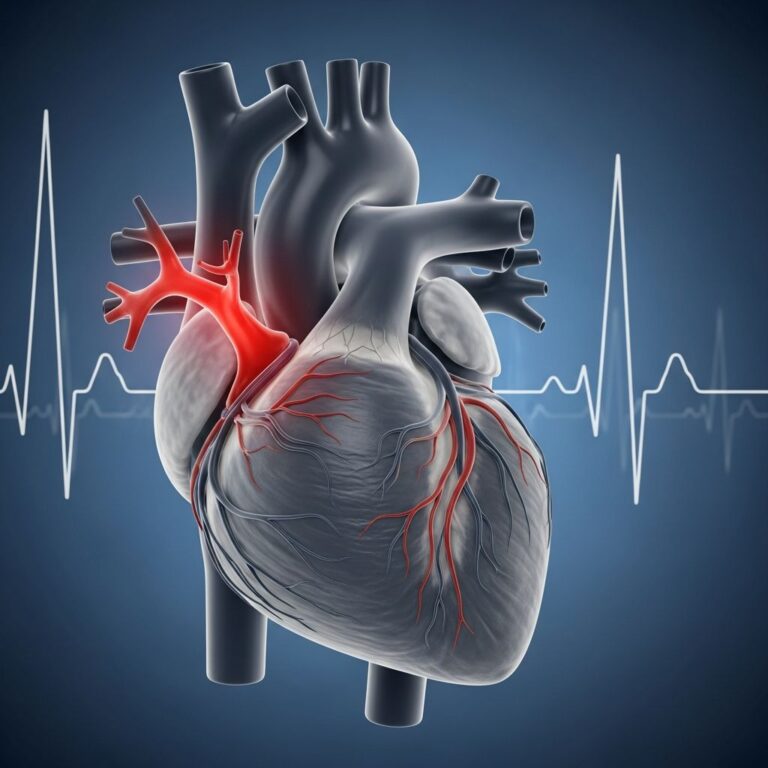
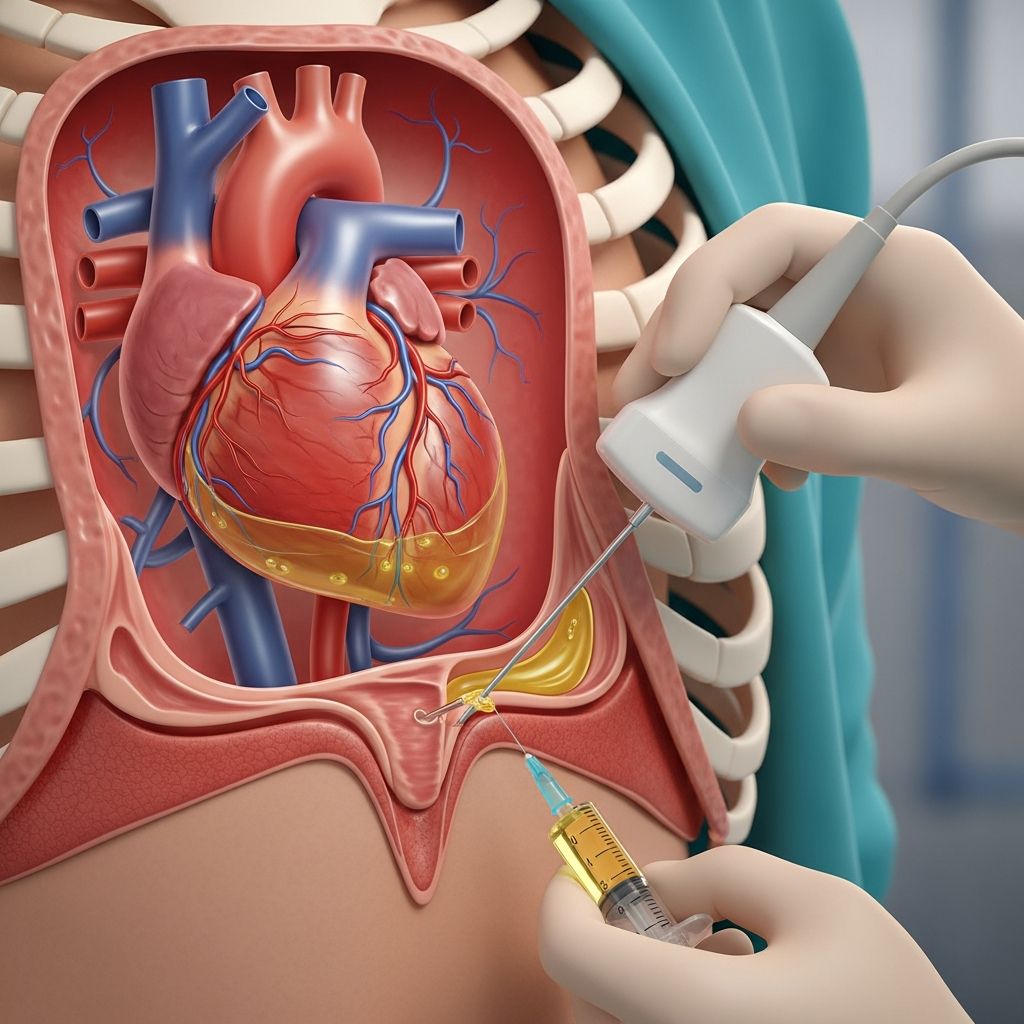
Pericardiocentesis is a medical procedure designed to remove excess fluid that accumulates in the pericardium, the protective membrane surrounding your heart. The pericardium normally contains a small amount of fluid that lubricates the heart and allows it to move smoothly. However, when too much fluid builds up in this space—a condition called pericardial effusion—it can create dangerous pressure that prevents your heart from pumping effectively.
This procedure can be genuinely life-saving, particularly in emergency situations where rapid fluid accumulation causes cardiac tamponade, a medical emergency where the compressed heart can stop beating within minutes to hours. A healthcare provider uses a needle and imaging technology to access the pericardium and drain the excess fluid. In some cases, they may also place a catheter for continuous, slow drainage over time. Pericardiocentesis is a relatively common procedure, with providers in the United States performing more than 29,000 of these procedures annually.
When Do You Need Pericardiocentesis?
Your healthcare provider may recommend pericardiocentesis when you develop pericardial effusion or are experiencing cardiac tamponade. Several conditions can lead to the need for this procedure, including:
- Metastatic cancer that has spread to the pericardium
- Heart surgery complications
- Severe infections of the pericardium
- Kidney disease leading to fluid accumulation
- Inflammatory conditions affecting the heart
- Trauma or injury to the chest
- Autoimmune disorders like lupus or rheumatoid arthritis
- Heart attack complications
The severity of your condition determines whether the procedure is scheduled in advance or performed emergently. After diagnosis through imaging tests, your healthcare provider will assess how serious your condition is and determine whether pericardiocentesis or another treatment approach is most appropriate.
Before Your Pericardiocentesis Procedure
Preparation and Testing
Proper preparation is essential for a successful pericardiocentesis. Your healthcare team will conduct several diagnostic tests before the procedure, including an electrocardiogram to assess your heart’s electrical activity and an echocardiogram to visualize the fluid buildup and determine the best approach for drainage.
If your procedure is scheduled in advance rather than as an emergency, you’ll receive specific fasting instructions. You should not eat anything starting eight hours before your procedure. However, you may consume clear liquids up to two hours before the procedure begins. This fasting requirement helps reduce complications during the procedure.
On the day of your procedure, you’ll arrive at the hospital and check in with the medical team. An intravenous (IV) line will be inserted into your arm or hand, allowing medical staff to administer medications as needed during the procedure. You should wear comfortable, loose-fitting clothing that allows easy access to your chest area.
What to Expect During Preparation
Just before the procedure begins, your healthcare provider will explain the entire process and answer any questions you have. You’ll be positioned on an examination table, typically with your head elevated 30 to 60 degrees to make it easier to access your pericardium. This positioning also helps your heart function more efficiently during the procedure.
Related Stories



The Pericardiocentesis Procedure: Step-by-Step
Imaging Guidance
One of the most important aspects of pericardiocentesis is the use of imaging technology to guide the needle safely to the pericardium without damaging your heart or other vital structures. Before inserting the needle, your healthcare provider works with an imaging technician to identify the safest and most direct route to your pericardium.
Ultrasound, also called echocardiography, is the most common imaging method used during pericardiocentesis. It’s safe, readily available, and can be performed right at the bedside or in the procedure room. Fluoroscopy, which uses X-ray guidance, is another imaging option that some providers prefer, particularly in emergency settings. These imaging techniques allow your provider to visualize the needle in real-time, ensuring it reaches the pericardium without puncturing your heart or lungs.
Local Anesthesia and Site Preparation
Unless you’re in immediate life-threatening danger, your provider will administer local anesthesia to numb the area where the needle will be inserted. This ensures you remain comfortable throughout the procedure. In most non-emergency situations, you’ll be awake but sedated, allowing you to communicate with your medical team if needed.
The healthcare provider will sterilize the puncture site using an antiseptic solution to prevent infection. Sterile drapes are then placed around the area to maintain a clean field. In some cases, your provider may use a scalpel to make a small incision in your skin, which makes it easier to insert the needle and reduces tissue trauma.
Needle Insertion and Fluid Drainage
The most common entry point for pericardiocentesis is beneath your sternum, or breastbone, using what’s called the substernal approach. This location typically provides the easiest and most direct access to your pericardium. Alternative entry points may be used depending on where the fluid is located in your pericardium, including the apical approach or parasternal approach.
Using imaging guidance displayed on a video monitor, your provider carefully inserts the needle beneath your breastbone and into the pericardium. The needle is angled carefully to ensure it enters the pericardium without touching or puncturing your heart muscle. Once the needle tip is positioned correctly inside the pericardium, your provider can begin drawing out the excess fluid.
The entire pericardiocentesis procedure typically takes 10 to 20 minutes, though this can vary depending on how much fluid needs to be removed. If only a small to moderate amount of fluid is present, it may take just a few minutes to drain enough to relieve the pressure on your heart. If there’s a substantial amount of fluid, your provider may insert a soft catheter tube through the needle to allow for slower, more controlled drainage over time.
Catheter Placement and Drainage
When a significant volume of fluid is present, your healthcare provider may decide to place a drainage catheter in your pericardium. This thin, flexible tube remains in place after the needle is removed, allowing excess fluid to continue draining gradually rather than all at once. The catheter is typically secured in place and connected to a drainage bag or collection system. Some patients may go home with their catheter in place for continued drainage over several days.
After Your Procedure: Recovery and Monitoring
Immediate Recovery
After the pericardiocentesis is complete, you’ll be moved to a recovery area where nursing staff will monitor your vital signs closely. Your blood pressure, heart rate, oxygen levels, and overall condition will be watched carefully to ensure no complications develop. Most patients remain in the hospital for observation for several hours to a full day after the procedure.
You may experience some mild chest discomfort or soreness at the needle insertion site, which is normal. Your healthcare team will provide pain management as needed. You should avoid strenuous activity and heavy lifting for several days following the procedure to allow the insertion site to heal properly.
Long-Term Recovery and Follow-Up
Most people recover well from pericardiocentesis and return to normal activities within a week or two. However, the timeline depends on your overall health, the underlying cause of the fluid buildup, and whether a catheter was placed for continued drainage.
Your healthcare provider will schedule follow-up appointments to ensure you’re recovering properly and to monitor for any signs of fluid reaccumulation. In some cases, fluid can continue to build up after the initial drainage, particularly if the underlying condition hasn’t been fully treated. If this happens, your provider might recommend seeing a surgeon to discuss a more permanent procedure called a pericardial window, which creates a permanent opening to allow fluid to drain continuously.
Success Rates and Effectiveness
Pericardiocentesis has impressive success rates for relieving the symptoms of pericardial effusion and cardiac tamponade. Studies have found success rates higher than 90 percent, with some research showing success rates as high as 100 percent. The procedure is particularly effective in cancer patients undergoing pericardiocentesis, with success rates approaching nearly 100 percent in certain patient populations.
Beyond simply removing fluid, pericardiocentesis provides several important benefits. The removed fluid can be sent to the laboratory for analysis, helping to determine the underlying cause of the effusion. This diagnostic information is valuable for developing an appropriate treatment plan for the condition that caused the fluid buildup. The procedure also provides immediate relief from the symptoms of cardiac compression, including shortness of breath, chest pain, and heart palpitations.
Potential Risks and Complications
While pericardiocentesis is generally a safe procedure with good outcomes, as with any medical intervention, there are potential risks and complications to be aware of. These may include:
- Bleeding into the pericardium
- Infection at the insertion site or in the pericardium
- Accidental puncture of the heart, lung, or liver
- Arrhythmias or irregular heartbeat during or after the procedure
- Air entering the space around the lungs
- Allergic reaction to anesthesia or contrast dye
- Fluid reaccumulation after drainage
However, the risk of serious complications is relatively low, particularly when the procedure is performed by experienced providers using modern imaging guidance. Research has shown that treating patients with anti-inflammatory medications, such as prednisolone and colchicine, can reduce the likelihood of serious complications, including recurrent cardiac tamponade.
Frequently Asked Questions
Q: How long does pericardiocentesis take?
A: The procedure typically takes 10 to 20 minutes to perform. However, the total time you spend in the procedure room may be longer when accounting for preparation and positioning.
Q: Will I be awake during pericardiocentesis?
A: In most non-emergency cases, you’ll receive local anesthesia and may be lightly sedated, meaning you’ll be awake but relaxed and comfortable. In true emergencies, general anesthesia may be used.
Q: Can the fluid come back after pericardiocentesis?
A: Yes, fluid can reaccumulate after the initial drainage, especially if the underlying cause hasn’t been treated. If this occurs, your provider may recommend a more permanent solution like a pericardial window.
Q: Is pericardiocentesis a surgical procedure?
A: Pericardiocentesis is a minimally invasive procedure using a needle, not open surgery. It can be performed in a hospital procedure room, ICU, or even at bedside in emergency situations.
Q: What is the difference between pericardiocentesis and a pericardial window?
A: Pericardiocentesis uses a needle to drain fluid temporarily, while a pericardial window is a surgical procedure that creates a permanent opening for continuous fluid drainage.
Q: How do I prepare for pericardiocentesis?
A: You’ll need to fast for eight hours before the procedure (clear liquids allowed until two hours before). Your healthcare team will run diagnostic tests and provide specific pre-procedure instructions based on your individual situation.
Why Choose Pericardiocentesis?
Pericardiocentesis represents a proven, effective approach to managing dangerous fluid buildup around your heart. Thanks to advances in imaging technology, procedural techniques, and healthcare provider training, this procedure typically delivers excellent outcomes with minimal risks. While the idea of a needle approaching your heart may seem frightening, pericardiocentesis offers rapid relief from life-threatening cardiac compression.
The procedure’s ability to save lives in emergency situations, combined with its diagnostic value in identifying underlying conditions and its high success rate, makes it an essential tool in modern cardiology. If your healthcare provider recommends pericardiocentesis, the potential benefits of this life-saving procedure almost always significantly outweigh the minimal risks involved. Don’t hesitate to discuss any concerns with your healthcare team.
References
- Pericardiocentesis — Cleveland Clinic. 2024. https://my.clevelandclinic.org/health/treatments/22613-pericardiocentesis
- Pericardiocentesis | Research Starters – EBSCO — EBSCO Health. 2024. https://www.ebsco.com/research-starters/health-and-medicine/pericardiocentesis
- Pericardial Effusion: Symptoms & Causes — Cleveland Clinic. 2024. https://my.clevelandclinic.org/health/diseases/17351-pericardial-effusion
- Cardiac Tamponade: Symptoms & Causes — Cleveland Clinic. 2024. https://my.clevelandclinic.org/health/diseases/21906-cardiac-tamponade
- Bedside Pericardiocentesis and Pericardial Drain Placement by Cardiothoracic ICU Physicians — PubMed. 2024. https://pubmed.ncbi.nlm.nih.gov/41309423/
Similar Articles








Read full bio of Sneha Tete