Pericyazine: Uses, Dosage, and Side Effects
Complete guide to pericyazine: how it works, when it's used, and what to expect.
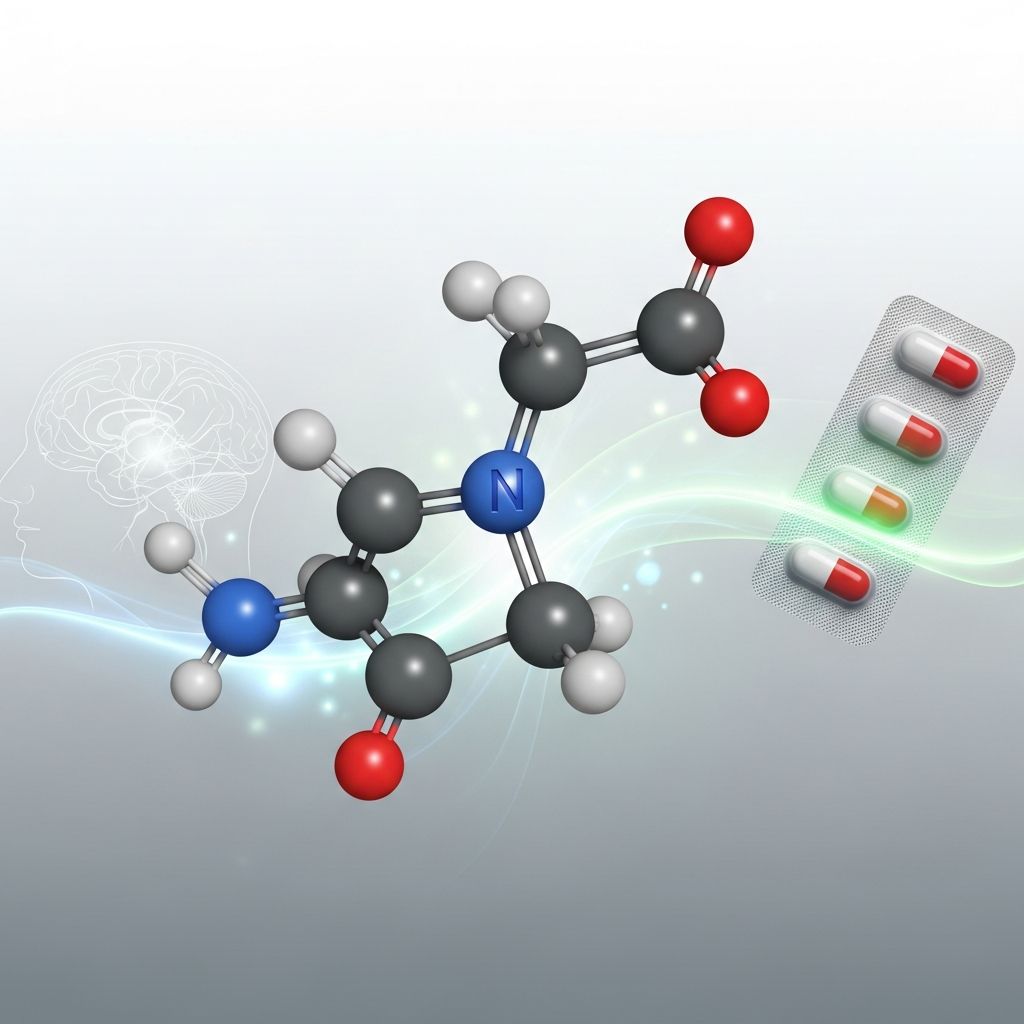
What is Pericyazine?
Pericyazine is a phenothiazine antipsychotic medication that belongs to a class of drugs used to treat severe mental health conditions. Specifically, it is a phenothiazine of the piperidine group, formulated in 1961 and classified as a relatively older antipsychotic medication. The drug works by blocking the effect of certain chemicals in the brain, particularly through central adrenergic blockade in subcortical areas, which helps reduce symptoms associated with psychotic disorders.
Unlike some newer antipsychotics, pericyazine is classified as a sedative phenothiazine with weak antipsychotic properties. This means it has a more pronounced calming effect while providing moderate antipsychotic benefits. The medication is pharmacologically similar to chlorpromazine but is particularly noted for its sedating properties. Research suggests that pericyazine induces greater noradrenergic than dopaminergic blockade and has more potent antiemetic, antiserotonin, and anticholinergic activity compared to chlorpromazine.
What is Pericyazine Used For?
Pericyazine is licensed in the United Kingdom for specific psychiatric and behavioral indications. The primary uses include:
- Treatment of schizophrenia and other psychotic disorders in adults
- Short-term management of anxiety, psychomotor agitation, violent behavior, or dangerously impulsive behavior
- Adjunctive treatment for control of residual hostility, impulsiveness, and aggressiveness in some psychotic patients
The medication is particularly useful for managing behavioral and emotional symptoms in psychiatric patients. It has been shown to reduce pathologic arousal and affective tension in some psychotic patients, though the symptoms of abnormal mental integration are relatively unaffected by the drug. Additionally, pericyazine has sedative and anti-anxiety effects that can help manage agitation and anxiety associated with certain mental health conditions.
It is important to note that pericyazine is not approved in the USA or the Republic of Ireland, and its use in primary care is not recommended for new patient initiations. The medication is increasingly being deprescribed due to the availability of safer and more cost-effective alternatives.
How Pericyazine Works
Pericyazine functions through multiple mechanisms of action within the central nervous system. The primary mechanism involves blocking dopamine receptors, which helps reduce psychotic symptoms such as hallucinations and delusions. However, research indicates that pericyazine may induce greater noradrenergic than dopaminergic blockade, distinguishing it from other antipsychotics with respect to its neurotransmitter effects.
Beyond its antipsychotic properties, pericyazine exhibits several other pharmacological effects:
- Adrenolytic effects that block adrenergic activity in the brain
- Anticholinergic activity that affects acetylcholine transmission
- Metabolic and endocrine effects on body systems
- Action on the extrapyramidal system, which controls involuntary movements
- Antiemetic properties that help reduce nausea and vomiting
- Antiserotonin activity affecting serotonin pathways
These multiple mechanisms of action make pericyazine a complex medication with effects beyond simple dopamine blockade, explaining its particular utility in certain clinical situations while also contributing to its side effect profile.
Dosage and Administration
Pericyazine is available in tablet form, commonly in 2.5 mg, 5 mg, and 10 mg doses. The specific dosage prescribed depends on the indication and individual patient factors. Approximately 90% of patients are prescribed the lower 2.5 mg tablet dose, suggesting that most prescriptions are for anxiety, psychomotor agitation, violent behavior, or dangerously impulsive behavior rather than for schizophrenia treatment.
Related Stories



For schizophrenia treatment in adults, higher doses are typically required and should be determined by a psychiatrist or mental health specialist. For short-term use in managing anxiety, agitation, or behavioral disturbances, lower doses are generally employed. It is crucial to follow the exact dosage instructions provided by your doctor or psychiatrist, as individual dosing requirements can vary significantly based on symptom severity, age, and overall health status.
Patients should always check with their healthcare provider or pharmacist if they are unsure about their prescribed dose or how to take the medication. Never adjust doses without professional guidance, as this can affect treatment effectiveness and safety.
Side Effects of Pericyazine
Like all medications, pericyazine can cause side effects. Understanding these potential effects helps patients and caregivers recognize when medical attention may be needed and manage expectations during treatment.
Common Side Effects
The following side effects are more commonly experienced and may improve over time with continued use:
- Dry mouth
- Blurred vision
- Flushing of the skin
- Constipation
- Sedation and drowsiness
- Weight gain
- Dizziness or lightheadedness
Extrapyramidal Side Effects
One of the most significant concerns with pericyazine use is the occurrence of extrapyramidal side effects (EPS). These are involuntary movement disorders that affect muscle control and include:
- Involuntary shaking and tremors
- Restlessness and akathisia
- Muscle spasms and dystonia
- Parkinson-like symptoms including rigidity and bradykinesia
- Tardive dyskinesia with prolonged use
Research evidence indicates that pericyazine is associated with a higher incidence of extrapyramidal side effects compared to both typical and atypical antipsychotics. One systematic review found that pericyazine was associated with more extrapyramidal side effects than typical antipsychotics and significantly more than atypical antipsychotics. These side effects are described as very unpleasant and can significantly impact quality of life, which is an important consideration when weighing the benefits and risks of pericyazine treatment.
Anticholinergic Effects
Pericyazine has high anticholinergic burden, which can cause:
- Urinary retention
- Difficulty urinating
- Cognitive effects in elderly patients
- Confusion and disorientation
- Increased heart rate
This anticholinergic burden is a serious risk, particularly in elderly and frail patients, which is why pericyazine is considered potentially inappropriate in persons aged 65 years and older and those with a history of falls.
Cardiac Effects
Phenothiazine antipsychotics, including pericyazine, can increase the QT interval on electrocardiograms. This risk is elevated in patients already taking other QT-prolonging drugs or those with other risk factors such as hypokalemia or bradycardia. Patients with cardiac concerns should discuss this risk with their healthcare provider before starting treatment.
Important Precautions and Contraindications
Certain conditions and circumstances make pericyazine unsuitable or require careful monitoring. Do not take pericyazine if you have:
- A history of hypersensitivity or allergic reaction to pericyazine or other phenothiazines
- Severe cardiovascular disease or uncontrolled cardiac conditions
- Coma or severely depressed consciousness
- Bone marrow depression or blood dyscrasias
- Pheochromocytoma
Caution should be exercised in patients who are frail, elderly, or have a history of falls, as the medication increases fall risk. Patients with comorbid conditions should be carefully evaluated, as pericyazine may interact with or complicate existing medical problems. If you are not sure whether pericyazine is suitable for you, discuss this thoroughly with your doctor or pharmacist before starting treatment.
Appropriate and Inappropriate Uses
Due to the availability of safer and more cost-effective alternatives, current clinical guidance has become increasingly restrictive regarding pericyazine use. The medication is considered appropriate for:
- Adults with confirmed schizophrenia or other psychotic disorders when prescribed by specialists
- Short-term management (weeks to months) of anxiety, psychomotor agitation, violent or dangerously impulsive behavior as an adjunctive treatment
Pericyazine is NOT appropriate for:
- Off-label uses
- Initiation in primary care settings
- Long-term use as a hypnotic or sleep aid
- Treatment of panic disorder, despite some historical use patterns
- Patients with significant frailty, comorbidities, or unnecessary polypharmacy
- Individuals aged 65 years and older as a routine treatment option
- Patients with a documented history of falls
Deprescribing Pericyazine
Many patients currently taking pericyazine are receiving the medication inappropriately, often for off-label indications or for extended periods when short-term use was intended. Clinical guidance now recommends careful deprescribing of pericyazine when it is no longer appropriate. For patients on pericyazine for off-label use, the medication can be deprescribed in primary care with careful monitoring. The recommended approach involves discussing deprescribing with the patient and recommending a gradual reduction over 2-4 weeks to minimize withdrawal effects and monitor for symptom changes. For patients with schizophrenia or other psychotic illnesses, any switching to alternative antipsychotics should be coordinated with a psychiatrist or mental health clinician to ensure continuity of care.
Effectiveness of Pericyazine
The clinical evidence supporting pericyazine’s effectiveness is limited and considered to be of very low quality. A comprehensive systematic review identified only five studies conducted between 1965 and 1980 comparing pericyazine with other antipsychotics. The results of these analyses were imprecise and insufficient to determine whether pericyazine is definitively better than other antipsychotics for treating schizophrenia. The review concluded that on the basis of very low quality evidence, researchers are unable to determine the effects of pericyazine in comparison with typical or atypical antipsychotics. However, the evidence does suggest that pericyazine may be associated with a higher incidence of extrapyramidal side effects than other antipsychotics.
Large, robust studies are still needed before firm conclusions can be drawn about pericyazine’s relative effectiveness. This lack of strong evidence, combined with its higher side effect burden, has contributed to the recommendation against new initiations in primary care and the trend toward deprescribing in existing patients.
Monitoring During Treatment
Patients taking pericyazine should undergo regular monitoring by their healthcare provider to assess treatment effectiveness and detect side effects early. Monitoring should include:
- Regular assessment of psychiatric symptoms and functional improvement
- Evaluation of extrapyramidal side effects and involuntary movements
- Monitoring for signs of anticholinergic effects
- Cardiovascular assessment, particularly QT interval monitoring if indicated
- Regular blood pressure checks, as orthostatic hypotension can occur
- Assessment of fall risk in elderly patients
- Evaluation of weight changes and metabolic effects
Frequently Asked Questions
Q: Is pericyazine still commonly prescribed?
A: No, pericyazine use has declined significantly. Current clinical guidance recommends against new initiations in primary care, with many safer and more cost-effective alternatives available. Many patients currently taking pericyazine are being considered for deprescribing.
Q: How does pericyazine compare to newer antipsychotics?
A: Pericyazine is an older, first-generation antipsychotic with weaker antipsychotic properties but stronger sedative effects compared to newer medications. Newer atypical antipsychotics generally have fewer extrapyramidal side effects and lower anticholinergic burden.
Q: Can pericyazine be used for long-term anxiety treatment?
A: No. While pericyazine is licensed for short-term management of anxiety (typically weeks to months), it should not be used for long-term anxiety treatment. Many patients are inappropriately prescribed pericyazine for extended periods, which increases unnecessary risks.
Q: What should I do if I experience extrapyramidal side effects?
A: Contact your healthcare provider immediately if you experience involuntary movements, tremors, restlessness, or muscle spasms. Do not stop the medication without professional guidance, but your doctor may adjust the dose or add medication to manage these effects.
Q: Is pericyazine safe for elderly patients?
A: Pericyazine is considered potentially inappropriate for individuals aged 65 years and older due to its anticholinergic burden, high fall risk, and other age-related safety concerns. Safer alternatives are recommended for elderly patients.
Q: Can I suddenly stop taking pericyazine?
A: No. Stopping pericyazine abruptly can cause withdrawal effects and symptom rebound. If discontinuation is recommended, your doctor will typically recommend a gradual reduction over 2-4 weeks with careful monitoring.
Q: What is the difference between pericyazine and chlorpromazine?
A: While pericyazine is pharmacologically similar to chlorpromazine, pericyazine is more sedating and has more potent antiemetic, anticholinergic, and antiserotonin effects. Pericyazine appears to induce greater noradrenergic than dopaminergic blockade.
References
- Pericyazine for schizophrenia — PubMed Central/National Center for Biotechnology Information. 2024. https://pmc.ncbi.nlm.nih.gov/articles/PMC11023599/
- Periciazine: Uses, Interactions, Mechanism of Action — DrugBank. 2024. https://go.drugbank.com/drugs/DB01608
- Pericyazine 10mg Tablets – Patient Information Leaflet — UK Medicines and Healthcare Products Regulatory Agency (MHRA). 2024. https://www.medicines.org.uk/emc/product/3969/pil
- Full guidance – Deprescribing Inappropriate Pericyazine — NHS Knowledge NoW. July 2025. https://nwknowledgenow.nhs.uk/wp-content/uploads/2025/07/Full-guidance-Deprescribing-Inappropriate-Pericyazine-July-2025.pdf
- Antipsychotic Medicines: Types and Uses — Patient.info. 2024. https://patient.info/mental-health/schizophrenia-leaflet/antipsychotic-medicines
Similar Articles








Read full bio of medha deb