Perimenopause Supplements: 8 Expert Picks For Symptom Relief
Discover the best evidence-based supplements to ease perimenopause symptoms like hot flashes, mood swings, and sleep issues.
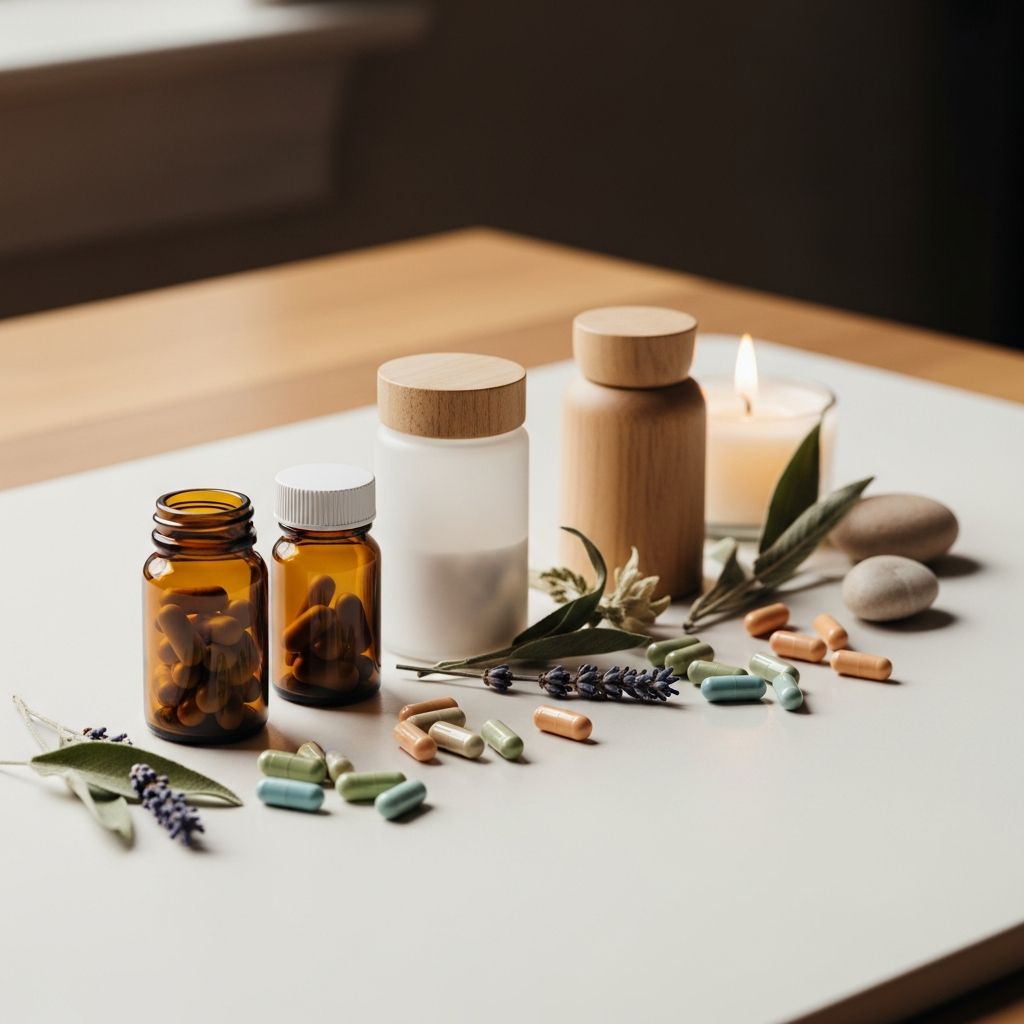
Perimenopause marks the transitional phase before menopause, typically starting in a woman’s 40s, when estrogen levels fluctuate, leading to symptoms like hot flashes, night sweats, mood changes, sleep disturbances, vaginal dryness, and brain fog. While hormone therapy is an option for some, many women seek natural relief through supplements. Experts, including registered dietitians and physicians, recommend targeted supplements based on symptoms, always advising consultation with a healthcare provider first to avoid interactions or deficiencies.
Supplements can support hormonal balance, reduce inflammation, improve gut health, and enhance sleep, but they work best alongside a nutrient-rich diet, exercise, and stress management. This guide covers eight top-recommended perimenopause supplements, their benefits, dosages, and supporting evidence, drawn from clinical studies and expert consensus.
What Is Perimenopause?
Perimenopause is the years-long period leading up to menopause, when ovaries produce less estrogen inconsistently. Symptoms can last 4-10 years, varying widely. Common issues include vasomotor symptoms (hot flashes, night sweats), genitourinary syndrome (vaginal dryness, urinary urgency), mood swings, anxiety, depression, sleep problems, joint pain, weight gain, and cognitive fog. Factors like genetics, lifestyle, and health conditions influence severity.
Diagnosis involves tracking symptoms and hormone levels, though blood tests are less reliable due to fluctuations. Lifestyle changes—such as a plant-based diet rich in phytoestrogens (soy, flaxseeds), regular aerobic exercise, and cognitive behavioral therapy—form the foundation, with supplements as adjuncts.
Do Perimenopause Supplements Work?
Evidence for supplements is mixed but promising for specific ones. Probiotics, magnesium, and ashwagandha show benefits in randomized trials for symptom relief. Black cohosh and soy isoflavones have moderate support for hot flashes, per NIH reviews. However, results vary by individual, dosage, and quality. High-quality, third-party-tested products are essential. Supplements aren’t FDA-regulated like drugs, so efficacy claims require scrutiny. A food-first approach maximizes absorption and safety.
8 Best Supplements for Perimenopause Symptoms
Here are expert picks, prioritized by symptom relief evidence:
1. Probiotics
Probiotics restore gut microbiome balance disrupted by estrogen decline, reducing inflammation and supporting hormone metabolism. Strains like Lactobacillus acidophilus and Bifidobacterium alleviate bloating, mood issues, vaginal dryness, and hot flashes. A study found multi-strain probiotics improved 70% of perimenopausal symptoms after 12 weeks.
- Dosage: 10-50 billion CFUs daily, with prebiotics.
- Best for: Gut health, mood, vaginal symptoms.
- Side effects: Mild gas initially.
2. Magnesium
About 70% of women are magnesium-deficient, exacerbating anxiety, insomnia, cramps, and bloating. Magnesium glycinate relaxes muscles, regulates sleep, and curbs hormonal fluid retention. Trials show 300-400 mg daily improves sleep quality and reduces depression symptoms.
- Dosage: 250-350 mg elemental magnesium daily.
- Best for: Sleep, anxiety, muscle pain.
- Sources: Glycinate or citrate forms for best absorption.
3. Ashwagandha
This adaptogen lowers cortisol, balancing stress hormones that worsen perimenopause. Clinical trials report reduced anxiety, better sleep, and improved focus in perimenopausal women after 8 weeks of 300 mg KSM-66 extract.
- Dosage: 300-600 mg standardized extract daily.
- Best for: Stress, brain fog, sleep.
- Caution: Avoid if thyroid issues or pregnant.
4. B Vitamins
B vitamins (B6, B9, B12) support energy, mood, and methylation for hormone detox. Deficiencies rise in midlife due to diet/stress. B12 supplementation aids vegans and improves cognitive function.
- Dosage: B-complex with 10 mcg B12, 400 mcg folate.
- Best for: Fatigue, mood swings.
Related Stories



5. Vitamin D
Low vitamin D links to worse hot flashes, mood issues, and bone loss. Pairing D3 with K2 enhances calcium absorption. Emerging data suggests benefits for vaginal dryness.
- Dosage: 2,000-4,000 IU D3 daily, test levels first.
- Best for: Bone health, mood, immunity.
6. Curcumin (Turmeric)
Anti-inflammatory curcumin eases joint pain and brain fog. A PMS study showed 500 mg improved memory and emotional control.
- Dosage: 500 mg with black pepper (piperine) for absorption.
- Best for: Inflammation, cognition.
7. Black Cohosh
Traditional herb for hot flashes; meta-analyses show modest reduction (26% vs. placebo). Acts on serotonin receptors.
- Dosage: 20-40 mg standardized extract.
- Caution: Liver monitoring recommended.
8. Omega-3 Fatty Acids
Reduce inflammation, support mood/heart health. 1-2 g EPA/DHA daily cuts depressive symptoms by 20% in trials.
- Dosage: 1,000-2,000 mg EPA/DHA.
- Best for: Mood, joint pain.
How to Choose the Right Perimenopause Supplements
Consult a doctor for blood tests (e.g., vitamin D, magnesium). Opt for USP/NSF-certified brands. Start low, monitor effects. Avoid mega-doses or unproven ‘all-in-one’ blends lacking evidence.
| Symptom | Top Supplements | Evidence Level |
|---|---|---|
| Hot Flashes | Black Cohosh, Probiotics | Moderate |
| Sleep/Anxiety | Magnesium, Ashwagandha | Strong |
| Mood | B Vitamins, Omega-3 | Moderate |
| Brain Fog | Curcumin, Ashwagandha | Emerging |
Perimenopause Supplements Side Effects and Precautions
Most are safe short-term, but risks include GI upset (probiotics), low blood pressure (ashwagandha), or interactions (e.g., magnesium with antibiotics). Pregnant/breastfeeding women, those with autoimmune diseases, or on blood thinners should avoid certain herbs. High doses can cause deficiencies (e.g., excess zinc depletes copper).
Lifestyle Tips Alongside Supplements
- Eat phytoestrogen-rich plants: soy, flax, legumes.
- Exercise 150 min/week: strength training preserves muscle/bone.
- Prioritize sleep hygiene: cool room, no screens.
- Manage stress: yoga, meditation.
- Limit alcohol/caffeine to curb hot flashes.
Frequently Asked Questions (FAQs)
Can supplements replace hormone therapy?
No, but they offer milder symptom relief for those avoiding HT. Evidence is weaker than for HT.
How long until supplements work?
2-12 weeks; consistency key.
Are supplements safe for everyone?
Not always—personalize with medical advice.
Best time to take them?
Magnesium/ashwagandha at night; probiotics with meals.
Do I need a multivitamin?
Target symptoms instead; multis often underdosed.
References
- Botanical and Dietary Supplements for Menopausal Symptoms — National Center for Biotechnology Information (NCBI). 2005-01-19. https://pmc.ncbi.nlm.nih.gov/articles/PMC1764641/
- Menopause – Diagnosis and Treatment — Mayo Clinic. 2023-11-21. https://www.mayoclinic.org/diseases-conditions/menopause/diagnosis-treatment/drc-20353401
- North American Menopause Society 2022 Hormone Therapy Position Statement — Menopause Journal (NAMS). 2022-10-01. https://journals.lww.com/menopausejournal/fulltext/2022/10000/north_american_menopause_society_2022_hormone.2.aspx
- Vitamin D and Menopause — Office of Dietary Supplements, NIH. 2024-06-05. https://ods.od.nih.gov/factsheets/VitaminD-HealthProfessional/
- Magnesium Fact Sheet — Office of Dietary Supplements, NIH. 2022-07-12. https://ods.od.nih.gov/factsheets/Magnesium-HealthProfessional/
Similar Articles








Read full bio of medha deb