Perimenopause Vs. Menopause: 6 Key Facts For Navigating Change
Understand the key differences between perimenopause and menopause, including symptoms, duration, and management strategies for a smoother transition.
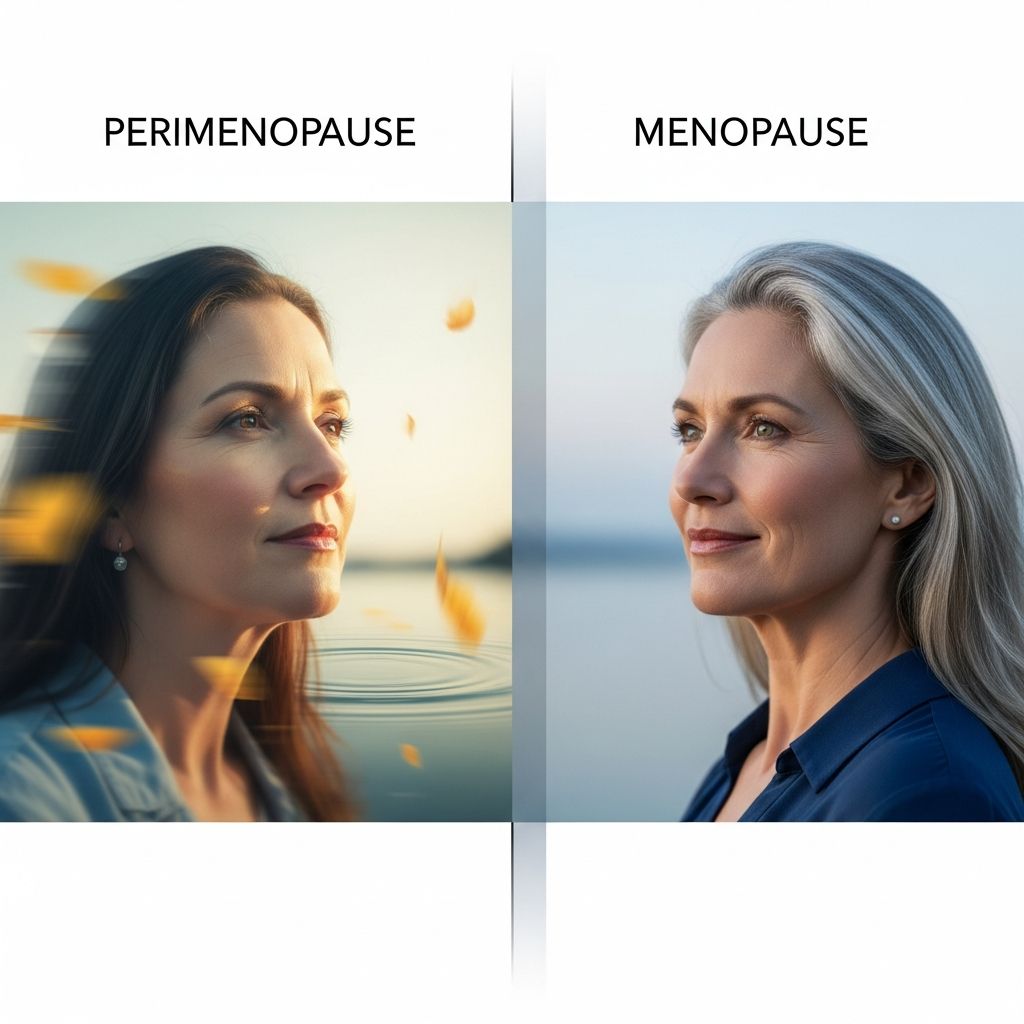
Perimenopause is the transitional phase leading up to menopause, marked by fluctuating hormone levels, while menopause is officially diagnosed after 12 consecutive months without a menstrual period. This guide breaks down the stages, symptoms, causes, diagnosis, treatments, and lifestyle strategies to help navigate these natural life changes effectively.
What Is Perimenopause?
Perimenopause, often starting in the late 40s or early 50s, is the period when the ovaries gradually produce less estrogen and progesterone, leading to irregular menstrual cycles and various symptoms. It can last from 3 to 7 years on average, though some women experience it for up to 14 years, with the average age of onset around 45-47 years.
During this stage, hormone levels rise and fall unpredictably, causing the body to adapt. Common signs include longer or heavier periods initially, followed by skipped cycles. Unlike menopause, pregnancy is still possible, though fertility declines significantly.
- Duration: Typically 4-8 years, beginning with menstrual irregularities.
- Key Hormonal Shift: Decline in ovarian follicular function reduces estrogen.
- Early vs. Late Perimenopause: Early stage features occasional cycle changes; late stage involves 60+ days without a period.
What Is Menopause?
Menopause marks the end of reproductive years, confirmed retrospectively after 12 months without menstruation due to the ovaries ceasing egg release and significantly dropping estrogen levels. The average age in the United States is 51 years.
It can occur naturally between ages 45-55 or prematurely before 40 due to factors like surgery, chemotherapy, or autoimmune issues. Surgical menopause, from ovary removal (oophorectomy), causes abrupt symptoms.
- Definition: Point in time after 12 consecutive months of amenorrhea without other causes.
- No Pregnancy: Ovaries no longer release eggs naturally.
- Global Average: Occurs between 45-55 years worldwide.
Perimenopause vs. Menopause vs. Postmenopause
The menopausal transition includes three phases: perimenopause (prelude with irregular cycles), menopause (12-month mark), and postmenopause (lifelong phase after). Postmenopause follows the final period, where symptoms may lessen for some but persist or evolve, increasing risks for conditions like osteoporosis and cardiovascular disease.
| Stage | Duration | Key Characteristics | Common Symptoms |
|---|---|---|---|
| Perimenopause | 3-7 years (up to 14) | Fluctuating hormones, irregular periods | Hot flashes, mood swings, heavy bleeding |
| Menopause | Specific point (12 months no period) | Ovaries stop egg release | End of cycles, confirmed retrospectively |
| Postmenopause | Lifelong | Low stable hormones | Potential ongoing symptoms, bone/heart risks |
This table highlights distinctions: perimenopause is dynamic and symptomatic, menopause is a milestone, and postmenopause focuses on long-term health management.
Symptoms of Perimenopause and Menopause
Symptoms arise from hormonal fluctuations and declines, affecting physical, emotional, and mental well-being. They often peak in late perimenopause and may continue into postmenopause.
- Hot Flashes and Night Sweats (Vasomotor Symptoms): Sudden heat sensations, most common in late perimenopause, affecting up to 80% of women.
- Menstrual Changes: Irregular, heavier, or skipped periods.
- Mood Swings and Anxiety: Due to estrogen’s role in brain function; perimenopause anxiety is notable.
- Sleep Disturbances and Insomnia: Often linked to night sweats.
- Weight Gain and Body Composition Changes: Estrogen drop shifts fat to abdomen.
- Vaginal Dryness and Sexual Changes: Reduced lubrication, lower libido.
- Bone Loss and Muscle Aches: Early osteoporosis risk.
- Brain Fog and Cognitive Issues: Memory lapses, concentration difficulties.
- Other: Incontinence, skin dryness, headaches.
Related Stories



Women entering perimenopause earlier may endure symptoms longer, with vasomotor issues prominent in late stages.
Causes of Perimenopause and Menopause
Primarily driven by natural ovarian aging, where follicles diminish, slashing estrogen and progesterone. This biological process is universal but influenced by genetics, lifestyle, and health history.
- Natural Aging: Ovaries lose function around 45-55.
- Premature/OEarly Menopause: Genetics, autoimmune disorders, smoking, or chromosomal issues before 40.
- Induced Menopause: Hysterectomy, oophorectomy, radiation, or chemotherapy.
- Lifestyle Factors: Smoking accelerates onset; prior health affects symptom severity.
Understanding entry health status into perimenopause is key for healthy aging.
How Are Perimenopause and Menopause Diagnosed?
Diagnosis relies on history and symptoms, as hormone tests are unreliable due to fluctuations. Menopause is confirmed by 12 months amenorrhea without other causes.
- Symptom Assessment: Track cycles, hot flashes, mood changes.
- Medical History: Rule out pregnancy, thyroid issues, or medications.
- Tests if Needed: FSH levels elevated postmenopause; ultrasound or biopsy for concerns.
- Age Consideration: Under 45 requires investigation for early menopause.
Consult providers early, especially if symptoms disrupt life.
Treatments for Perimenopause and Menopause Symptoms
Tailored interventions include hormonal and non-hormonal options to alleviate symptoms and prevent complications.
Hormone Replacement Therapy (HRT)
HRT replenishes estrogen/progesterone, effectively reducing hot flashes, vaginal dryness, and bone loss. Best started near menopause onset; risks include blood clots, assessed individually.
Non-Hormonal Treatments
- Antidepressants: SSRIs/SNRIs for mood and vasomotor symptoms.
- Gabapentin: For hot flashes.
- Fezolinetant: Newer non-hormonal for vasomotor issues.
- Vaginal Estrogen: Local relief for dryness.
Lifestyle Management
Essential for all stages: balanced diet, exercise, stress reduction.
- Cardio and strength training for heart/bone health.
- Cooling techniques, layered clothing for flashes.
- Cognitive behavioral therapy for sleep/mood.
Lifestyle Changes and When to See a Doctor
Proactive habits mitigate risks in postmenopause, like cardiovascular disease surge.
- Exercise: 150 minutes weekly aerobic + strength.
- Diet: Calcium/vitamin D-rich, plant-based for heart health.
- Sleep Hygiene: Consistent routine, avoid caffeine.
- Mental Health: Mindfulness, therapy.
- Bone/Heart Screening: Regular check-ups postmenopause.
See a doctor if symptoms severely impact quality of life, irregular bleeding persists, or early signs appear before 40. Personalized care promotes healthy aging.
Frequently Asked Questions (FAQs)
What is the difference between perimenopause and menopause?
Perimenopause is the years-long transition with irregular periods and symptoms; menopause is the point after 12 months without a period.
How long does perimenopause last?
Average 4-7 years, but up to 14; varies by individual.
At what age does menopause typically occur?
Around 51 in the US, between 45-55 globally.
Can you get pregnant during perimenopause?
Yes, though less likely; contraception advised until menopause confirmation.
Are hot flashes only during perimenopause?
No, they can persist into postmenopause for some.
Is HRT safe for everyone?
Not always; benefits vs. risks discussed with provider.
References
- A Guide to Perimenopause, Menopause, and Postmenopause — Georgetown University School of Nursing. 2023. https://online.nursing.georgetown.edu/blog/a-guide-to-perimenopause-menopause-and-postmenopause/
- Menopause — World Health Organization. 2022-10-18. https://www.who.int/news-room/fact-sheets/detail/menopause
- Insights into Perimenopause: A Survey of Perceptions, Opinions on… — PubMed Central (PMC). 2024. https://pmc.ncbi.nlm.nih.gov/articles/PMC12014197/
Similar Articles








Read full bio of medha deb