Perineum Anatomy: Complete Guide To Function, Nerves, And Care
Understanding the perineum: Its anatomy, crucial functions, and common health conditions.
Understanding the Perineum: A Complete Anatomical Guide
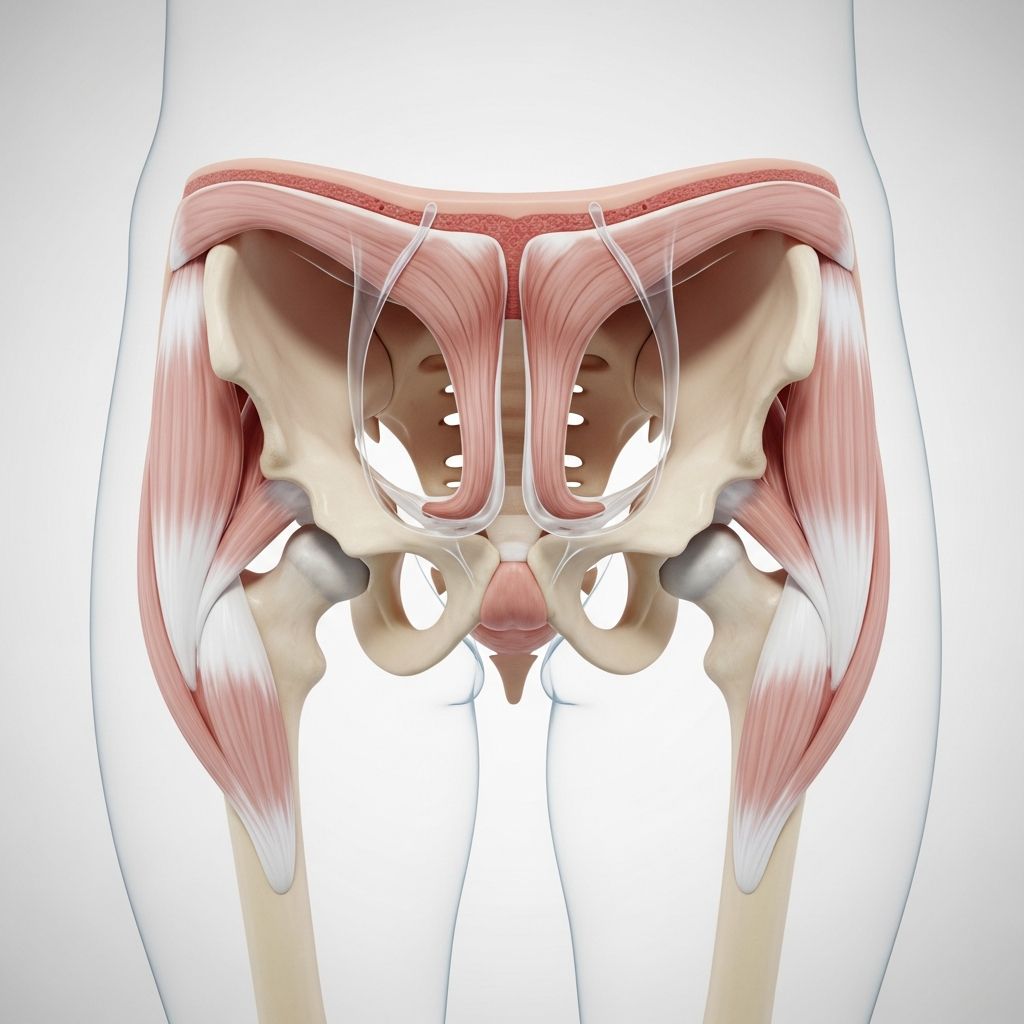
The perineum is a specialized and often overlooked region of the body that plays a crucial role in various bodily functions and overall health. Located between your genitals and anus, the perineum is a diamond-shaped area that extends from the pubic bone to the tailbone. Despite its small size, this region contains complex anatomical structures, muscles, nerves, and blood vessels that are essential for urinary control, bowel function, sexual function, and childbirth. Understanding the anatomy and function of the perineum can help you recognize potential health concerns and maintain optimal perineal wellness throughout your lifetime.
What Is the Perineum?
The perineum is the area of soft tissue and muscle that forms the base of your pelvis. It extends from your pubic bone anteriorly to your tailbone (coccyx) posteriorly, and from one sitting bone (ischium) to the other laterally. This region serves as a supportive foundation for your pelvic organs and plays an integral role in maintaining continence, supporting sexual function, and facilitating childbirth in females.
The perineum can be divided into two triangular compartments: the urogenital triangle anteriorly and the anal triangle posteriorly. The central point where these triangles meet is marked by the perineal body, an important muscular structure that provides support and stability to the entire region. The perineal body is formed by the convergence of multiple muscle groups, including the bulbospongiosus muscle, superficial and deep transverse perineal muscles, and fibers from the puborectalis and pubococcygeus muscles.
Anatomical Structure and Components
Perineal Spaces
The perineum contains two distinct anatomical spaces: the superficial perineal space and the deep perineal space. Understanding these spaces is important for recognizing how different structures support perineal function.
Superficial Perineal Space: This space lies just beneath the skin and perineal membrane. It contains important muscles that support urethral and anal function, including the bulbospongiosus muscle, which surrounds the urethra and vagina in females and the urethra in males. The superficial transverse perineal muscles also run through this space and assist in stabilizing the perineal body.
Deep Perineal Space: Located just deep to the perineal membrane and inferior to the levator ani muscles, the deep perineal space contains the external urethral sphincter, the urethrovaginalis muscle, the compressor urethrae, and the deep transverse perineal muscles. These structures work together to provide fine motor control over urinary and sexual functions.
The Perineal Body
The perineal body is a critical central structure composed of fibromuscular tissue that serves as an attachment point for multiple muscle groups. This wedge-shaped structure plays an essential role in supporting the distal vagina in females and maintaining normal anorectal function. The perineal body is formed by the convergence of the bulbospongiosus muscle, superficial and deep transverse perinei, perineal membrane, external anal sphincter, posterior vaginal muscularis, and fibers from the puborectalis and pubococcygeus muscles. Damage to the perineal body during childbirth or trauma can result in pelvic dysfunction and support problems.
Muscular Components
Several important muscle groups comprise the perineal region. The external urethral sphincter provides voluntary control over urine flow, while the external anal sphincter controls bowel movements. The bulbospongiosus muscle surrounds the urethra and contributes to sexual function by assisting with erection in males and vaginal tone in females. The transverse perineal muscles provide additional structural support and stability to the perineal body.
Related Stories



Nerve and Vascular Supply
Pudendal Nerve
The pudendal nerve is the primary nerve supplying the perineum and plays a vital role in both motor control and sensory function. This nerve originates from spinal nerves S2-S4, with S3 providing the largest contribution. The pudendal nerve follows a complex course through the pelvis, traveling behind the sacrospinous ligament just medial to the ischial spine before exiting through the greater sciatic foramen.
After exiting the pelvis, the pudendal nerve enters the ischiorectal fossa through the lesser sciatic foramen and travels through the pudendal canal (also called Alcock’s canal) on the medial aspect of the obturator internus muscles. The nerve then separates into terminal branches that innervate the muscles and skin of the perineum. The pudendal nerve provides motor innervation to the striated urethral and anal sphincters as well as the deep and superficial perineal muscles. It also provides sensory innervation to the external genitalia, making it essential for both function and sensation.
Blood Supply
The vascular supply to the perineum is provided by the pudendal neurovascular bundle, which accompanies the pudendal nerve through its course. Branches of the internal pudendal artery supply oxygenated blood to the perineal muscles and tissues, while corresponding veins drain blood back toward the heart. This rich vascular network ensures adequate perfusion to support the metabolic demands of the perineal structures.
Functions of the Perineum
Urinary Control
The perineum plays a crucial role in maintaining urinary continence through the action of the external urethral sphincter and surrounding pelvic floor muscles. The external urethral sphincter is innervated by the pudendal nerve and provides voluntary control over the flow of urine. When the pelvic floor muscles contract, they narrow the urethra and prevent urine from escaping. Weakening of these muscles can lead to urinary incontinence, a common problem particularly in females following childbirth or in older adults.
Bowel Function
Similar to urinary control, the perineum supports normal bowel function through the action of the external anal sphincter and surrounding pelvic floor muscles. These muscles allow for voluntary control of bowel movements. When the pelvic floor muscles relax, the anal passages widen to permit defecation. Damage to the external anal sphincter or weakness of the surrounding muscles can result in fecal incontinence or difficulty with bowel control.
Sexual Function
The perineum is integral to sexual function in both males and females. In females, the bulbospongiosus muscle assists with vaginal tone and engorgement during sexual arousal. In males, this same muscle helps with erection and ejaculation. The perineal muscles also contribute to sexual sensation and pleasure through their sensory innervation by the pudendal nerve.
Support During Childbirth
In females, the perineum stretches considerably during childbirth to allow passage of the baby through the birth canal. The perineal body, in particular, must stretch to accommodate the baby’s head. Sometimes, the perineum tears during delivery, which can lead to temporary or long-term complications including pain, infection, or dysfunction of the anal sphincter if the tear is severe.
Common Perineal Health Conditions
Perineal Pain
Perineal pain can result from various causes, including muscle tension, nerve irritation, infection, or injury. In females, perineal pain may occur following childbirth, particularly if tearing or episiotomy occurred. In males, perineal pain can be associated with prostatitis or muscle tension. Chronic perineal pain may require physical therapy, medical evaluation, or pain management strategies.
Perineal Trauma and Tears
Perineal tears are common during vaginal childbirth and are classified by severity. Minor tears (first and second degree) usually heal without long-term consequences, while more severe tears (third and fourth degree) can damage the anal sphincter and potentially lead to fecal incontinence. Proper wound care and physical therapy can support healing and reduce complications.
Pudendal Nerve Entrapment
Pudendal nerve entrapment occurs when the pudendal nerve becomes compressed or irritated as it travels through the pelvis, typically near the ischial spine. This condition can cause chronic pain, numbness, or dysfunction in the perineal region. Treatment may include physical therapy, nerve blocks, or in some cases, surgical intervention.
Pelvic Floor Dysfunction
When the pelvic floor muscles become weak, tight, or dysfunctional, various problems can develop. Weakness may lead to urinary or fecal incontinence, while excessive tension can cause pain and dysfunction. Pelvic floor physical therapy is often an effective treatment for these conditions.
Perineal Infections
The perineal region can be susceptible to various infections, including bacterial, fungal, or viral infections. These may range from minor skin infections to more serious conditions requiring medical treatment. Maintaining proper hygiene and seeking prompt medical attention for concerning symptoms is important.
Maintaining Perineal Health
Pelvic Floor Exercises
Strengthening the pelvic floor muscles through targeted exercises can help maintain urinary and bowel control, support sexual function, and prevent or manage pelvic floor dysfunction. Kegel exercises, which involve contracting and relaxing the pelvic floor muscles, are a well-established method for improving pelvic floor strength. These exercises can be performed discreetly throughout the day and may provide significant benefits when practiced consistently.
Proper Hygiene
Maintaining good hygiene in the perineal region is essential for preventing infections and supporting overall health. Gentle cleansing with warm water and mild soap is generally recommended. Avoid douching or using harsh products that may disrupt the natural balance of bacteria in the genital region.
Avoiding Prolonged Pressure
Prolonged sitting pressure on the perineum, such as during long cycling sessions or extended periods of sitting, can contribute to perineal pain and discomfort. Taking regular breaks, using appropriate padding or cushioning, and maintaining good posture can help minimize pressure on this sensitive area.
Seeking Professional Help
If you experience chronic perineal pain, incontinence, sexual dysfunction, or other concerns related to the perineum, consulting with a healthcare provider is important. Pelvic floor physical therapists, gynecologists, and other specialists can provide evaluation, diagnosis, and treatment recommendations tailored to your specific needs.
Perineal Changes Across the Lifespan
The perineum undergoes various changes throughout your life in response to hormonal fluctuations, physical stress, and aging. During reproductive years, adequate estrogen supports tissue health and elasticity in the genital region. Pregnancy and childbirth can significantly impact perineal structures, potentially causing temporary or long-term changes. During menopause, declining estrogen levels can lead to changes in tissue elasticity and increased susceptibility to certain conditions. Understanding these changes and addressing concerns proactively can support long-term perineal health.
Frequently Asked Questions
Q: Where exactly is the perineum located?
A: The perineum is located between your genitals and anus, forming a diamond-shaped area that extends from your pubic bone to your tailbone. In females, it’s the area between the vagina and anus. In males, it’s the area between the scrotum and anus.
Q: What is the perineal body and why is it important?
A: The perineal body is a central muscular structure formed by the convergence of multiple muscle groups. It provides crucial support for the distal vagina in females and plays an essential role in maintaining normal anorectal function in both sexes. Damage to the perineal body can result in pelvic support problems and dysfunction.
Q: What is the pudendal nerve and what does it do?
A: The pudendal nerve is a major nerve that originates from spinal nerves S2-S4 and supplies the perineum. It provides motor control to the urethral and anal sphincters as well as perineal muscles, and provides sensory innervation to the external genitalia. It’s essential for both function and sensation in the perineal region.
Q: What causes perineal pain?
A: Perineal pain can result from various causes, including muscle tension or weakness, nerve irritation or entrapment, infection, injury from childbirth or trauma, or chronic pelvic floor dysfunction. The specific cause should be evaluated by a healthcare provider to determine appropriate treatment.
Q: Can pelvic floor exercises help with perineal health?
A: Yes, pelvic floor exercises like Kegel exercises can strengthen the muscles that support the perineum and improve urinary control, bowel function, and sexual function. These exercises may also help prevent or manage pelvic floor dysfunction when performed consistently.
Q: What should I do if I have a perineal tear during childbirth?
A: Perineal tears during childbirth should be evaluated and treated by your healthcare provider. Minor tears usually heal with proper wound care and time. More severe tears may require stitches and close follow-up. Pelvic floor physical therapy during recovery can support healing and prevent long-term complications.
Q: How does the perineum change during menopause?
A: During menopause, declining estrogen levels can affect tissue elasticity and moisture in the perineal region. This may lead to changes in sensation, increased susceptibility to certain conditions, or changes in sexual function. Discussing these changes with your healthcare provider can help identify appropriate management strategies.
References
- Contemporary Views on Female Pelvic Anatomy — Cleveland Clinic Journal of Medicine. 2023. https://www.ccjm.org/content/ccjom/72/12_suppl_4/S3.full.pdf
- Pudendal Nerve: Function, Anatomy and Branches — Cleveland Clinic. 2024. https://my.clevelandclinic.org/health/body/22894-peritoneum
- Pelvic Floor Muscles: Anatomy, Function & Conditions — Cleveland Clinic. 2024. https://my.clevelandclinic.org/health/body/22729-pelvic-floor-muscles
- Vagina: Anatomy, Function, Conditions & Care — Cleveland Clinic. 2024. https://my.clevelandclinic.org/health/body/22469-vagina
- Pelvis: What It Is, Where It Is, Types & Anatomy — Cleveland Clinic. 2024. https://my.clevelandclinic.org/health/body/pelvis
- Vulva: Location, Anatomy, Function, Conditions & Care — Cleveland Clinic. 2024. https://my.clevelandclinic.org/health/body/vulva
Similar Articles








Read full bio of Sneha Tete