Period Changes After Pregnancy: What to Expect
Understanding postpartum menstruation: timeline, flow changes, and hormonal recovery.
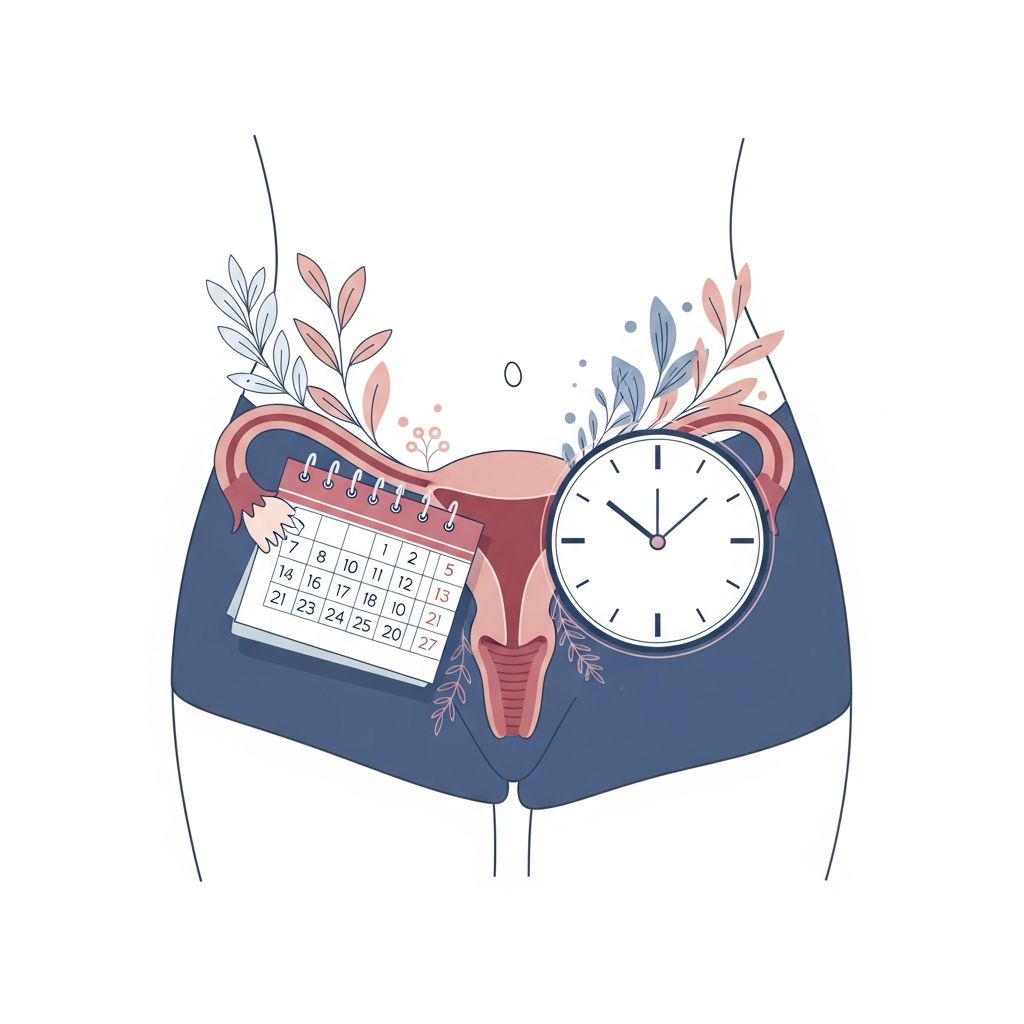
Pregnancy profoundly transforms your body, and your menstrual cycle is no exception. After delivery, many women wonder when their period will return, how it will feel, and whether it will be different from before pregnancy. Understanding what to expect during the postpartum period can help you recognize normal changes and identify when to contact your healthcare provider.
Understanding Lochia vs. Your First Period
In the immediate aftermath of delivery, you’ll experience lochia, a discharge that can resemble a heavy period but is distinctly different from menstruation. Lochia consists of blood, uterine tissue, and other fluids that your body expels as the uterus shrinks back to its pre-pregnancy size. This discharge typically starts heavy and becomes lighter over time, eventually ending with some spotting. The color will transition from dark red to brownish-pink to off-white, mirroring the appearance of a period but following a predictable pattern.
However, lochia is not a true menstrual period because you are not ovulating regularly yet—your ovaries are not releasing eggs. Understanding this distinction is important for monitoring your postpartum health and knowing when actual menstruation has resumed.
The confusion between lochia and menstruation is understandable because both involve cramping. Your uterus expands several times its normal size during pregnancy to accommodate your growing baby; after birth, it shrinks back down through muscle contractions that feel similar to period cramps. These contractions are essential for the uterus to return to its pre-pregnancy state, a process that typically takes several weeks.
When Should You Expect Your First Period?
The timing of your first postpartum period varies significantly among women and depends on several factors, particularly whether you breastfeed. Your first period can arrive anytime between two and 12 weeks after delivery, with most women experiencing it between six and 12 weeks.
If you exclusively breastfeed, your period will likely be delayed considerably. As your prolactin levels—the hormone that helps your body produce milk—increase, your estrogen and progesterone levels decrease. These latter two hormones regulate your menstrual cycle; lower levels reduce the likelihood of ovulation and menstruation, effectively delaying the return of your period until you introduce solid foods or other forms of milk to your baby’s diet.
For non-breastfeeding mothers, menstrual function typically returns by the sixth to eighth week postpartum. This timeline reflects your body’s need to stabilize hormone levels and restore ovulation after the dramatic hormonal shifts of pregnancy.
Postpartum Hormonal Changes
Your body experiences dramatic hormonal fluctuations after pregnancy that directly impact your menstrual cycle. During pregnancy, hormones like estrogen, progesterone, and human chorionic gonadotropin (hCG) reach peak levels to support your pregnancy. Immediately after delivery, these hormone levels drop swiftly, triggering various physical and emotional changes.
Specifically:
- Estrogen and progesterone decrease immediately following birth, contributing to mood swings and anxiety.
- hCG returns to nearly zero sometime between seven and 60 days postpartum, further affecting hormone-dependent symptoms.
- Prolactin typically increases after birth, especially in breastfeeding mothers, and can remain elevated for weeks to months.
- Oxytocin increases after birth to facilitate milk letdown and uterine contractions.
- Cortisol begins decreasing immediately following birth.
Related Stories



These hormonal changes don’t happen all at once. In general, estrogen, progesterone, and cortisol begin decreasing immediately following birth, while hCG and thyroid levels decline more steadily. Postpartum hormones typically fluctuate in the first few months but generally return to their pre-pregnancy levels three to six months after delivery. However, the timeline varies significantly based on individual factors, particularly whether you breastfeed.
Will Your Period Look or Feel Different?
Most women should expect their first couple of periods after giving birth to be heavier than those experienced before pregnancy. This increased flow is a normal postpartum change as your body adjusts. Your menstrual blood should appear bright red, fading into a darker, brownish-red color—consistent with a typical period.
You may notice small clots during your first postpartum period, which is normal. However, you should not see large clots the size of a plum or golf ball. If you do observe clots of this size, alert your healthcare provider, as this could indicate a complication requiring medical attention.
Regarding pain, postpartum period experiences vary widely. In general, postpartum period symptoms will be similar to pre-pregnancy symptoms, so if you used to have cramps, they will likely resume. However, some patients report that their period pain improves after pregnancy. Conversely, some research has shown that cesarean-section scarring can increase both period pain and flow, meaning women who had C-sections may experience more intense cramping and heavier bleeding than before pregnancy.
How Long Does It Take for Your Cycle to Regulate?
One of the most challenging aspects of postpartum menstruation is the uncertainty in cycle timing. Your period can take up to a year to become regular again, regardless of how consistent it was before pregnancy. This extended timeline reflects the significant hormonal changes your body experienced during pregnancy and the time needed to restore normalcy.
During pregnancy, your body experiences multiple hormonal shifts, and it requires time to return to its pre-pregnancy endocrine state. This is particularly true for breastfeeding mothers, who are even more likely to have irregular menstrual cycles. When you breastfeed, you have lower estrogen levels in your body—the hormone that fluctuates with your period—so without normal estrogen fluctuation, you won’t experience normal periods.
The good news is that this irregularity is temporary. While waiting for your cycle to regularize, tracking your periods can help you identify patterns and prepare for when menstruation occurs. Many women find that keeping a simple calendar or using a period-tracking app helps them adjust to their new postpartum menstrual patterns.
Monitoring Postpartum Bleeding: When to Seek Help
While most postpartum bleeding follows a predictable pattern, it’s crucial to monitor the amount of blood you’re losing during the first few weeks after delivery. Up to 5% of patients experience postpartum hemorrhage—uncontrolled bleeding—a condition accompanied by symptoms such as low blood pressure, pale skin, and nausea. If your blood loss seems excessive, contact your provider right away.
During lochia, your flow will act like a typical period: starting heavier, then gradually becoming lighter. However, if the amount of blood increases after a few lighter days, consider slowing down your activity level for a few days so your body can rest and heal from childbirth. This conservative approach allows your body to recover while avoiding activities that might exacerbate postpartum bleeding.
The Four Postpartum Recovery Phases
Understanding the postpartum period as distinct phases can help you know what to expect when. The postpartum period is divided into three main phases, each with different characteristics:
- Acute postpartum phase: This begins immediately after delivery and typically lasts 24 hours to 2 weeks. Major physiological changes occur during this time, including the initiation of lochia and the beginning of hormonal shifts.
- Subacute postpartum phase: This phase lasts 2–6 weeks. Your body continues undergoing major changes in hemodynamics, genitourinary recovery, metabolism, and emotional status, though changes are less rapid than in the acute phase. You typically become capable of self-identifying problems during this time.
- Delayed postpartum phase: This phase can last up to 6 months. Changes during this period are extremely gradual, and pathology is rare. This is when your body gradually restores muscle tone and connective tissue to the pre-pregnancy state, though your body is not fully restored to pre-pregnancy physiology until about 6 months postdelivery.
Your menstrual cycle regulation typically begins during the subacute phase and continues into the delayed postpartum phase, explaining why it can take several months to a year for your period to stabilize.
Factors Affecting Postpartum Menstruation
Several factors influence how quickly your period returns and how regular it becomes:
- Breastfeeding status: Exclusive breastfeeding significantly delays the return of menstruation due to elevated prolactin levels.
- Type of delivery: Cesarean-section scarring can affect both the timing and intensity of postpartum periods.
- Hormonal changes: Your body’s ability to restore pre-pregnancy hormone levels affects menstrual regularity.
- Individual physiology: Each woman’s body responds differently to postpartum changes, with some experiencing faster regulation than others.
- Overall health and recovery: Proper rest, nutrition, and healing support faster hormonal stabilization.
Frequently Asked Questions About Postpartum Periods
Q: Can I get pregnant before my period returns after pregnancy?
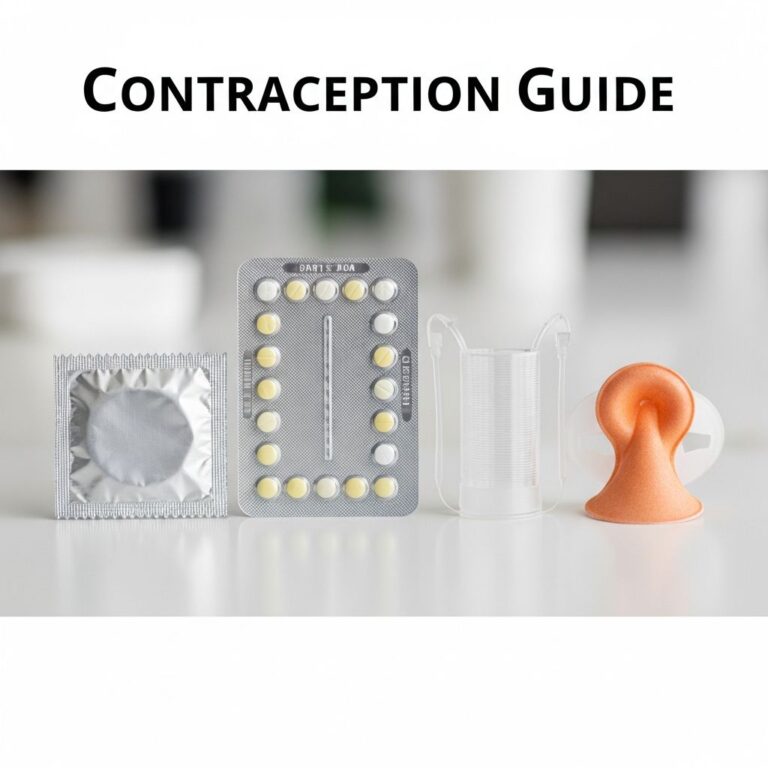
A: Yes, pregnancy is possible before your period returns. Ovulation can occur before menstruation resumes, meaning you could become pregnant without having experienced a postpartum period. If you want to avoid pregnancy, discuss contraception options with your healthcare provider.
Q: Is it normal to have a very light or very heavy first postpartum period?
A: While most women experience heavier periods initially, some may have lighter flows. Both can be normal, but if your first period is extremely light or unusually heavy (soaking through multiple pads per hour), contact your provider to rule out complications.
Q: How does breastfeeding affect my menstrual cycle?
A: Breastfeeding delays the return of your period by suppressing ovulation through elevated prolactin levels. Exclusive breastfeeding provides the strongest suppressive effect, while introducing formula or solid foods may allow your period to return sooner.
Q: Should I use tampons or pads after pregnancy?
A: Most healthcare providers recommend using pads rather than tampons for at least the first few postpartum periods. Tampons should only be used once your healthcare provider confirms that your uterus has fully healed, which typically takes several weeks.
Q: What should I do if my postpartum period is extremely painful?
A: Some period pain is normal postpartum, but severe pain warrants a call to your healthcare provider. They can assess whether pain is related to healing, scarring, or another condition requiring treatment.
Q: When should I be concerned about postpartum bleeding?
A: Contact your provider if you experience soaking through one or more pads per hour, passing large clots, dizziness, shortness of breath, chest pain, or severe abdominal pain. These can indicate postpartum hemorrhage or other complications.
Key Takeaways
Postpartum menstrual changes are a normal part of your body’s recovery after pregnancy. While your first period typically returns between six and 12 weeks after delivery (longer if you breastfeed), it may take up to a year for your cycle to fully regulate. Your period may be heavier than before, and you might experience cramping as your uterus continues to heal. By understanding what to expect and monitoring your symptoms, you can navigate this transition confidently and seek medical attention when needed. Remember that every woman’s postpartum experience is unique—your specific timeline and symptoms may differ from others’, and that’s completely normal.
References
- Will my period change after pregnancy? — UT Southwestern Medical Center. 2024. https://utswmed.org/medblog/period-changes-after-pregnancy/
- Physiology, Postpartum Changes — StatPearls, National Center for Biotechnology Information. 2024. https://www.ncbi.nlm.nih.gov/books/NBK555904/
- Postpartum period: three distinct but continuous phases — NIH National Library of Medicine. 2012. https://pmc.ncbi.nlm.nih.gov/articles/PMC3279173/
- Postpartum Hormones: How Long Until They Regulate? — The Bump. 2024. https://www.thebump.com/a/postpartum-hormones
Similar Articles








Read full bio of medha deb