Period Cramp Relief: 15 Proven Ways To Ease Menstrual Pain
Discover proven strategies and remedies to ease menstrual cramps and reclaim comfort during your period.
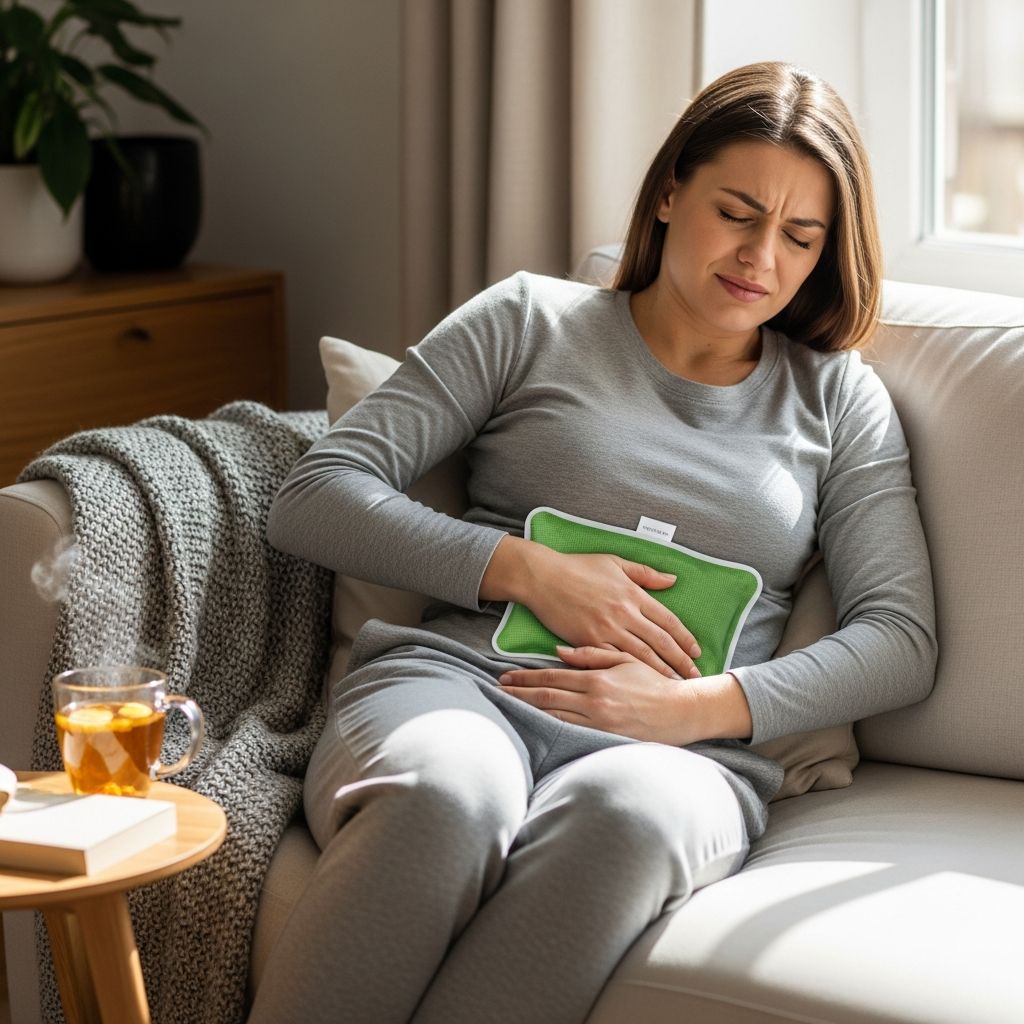
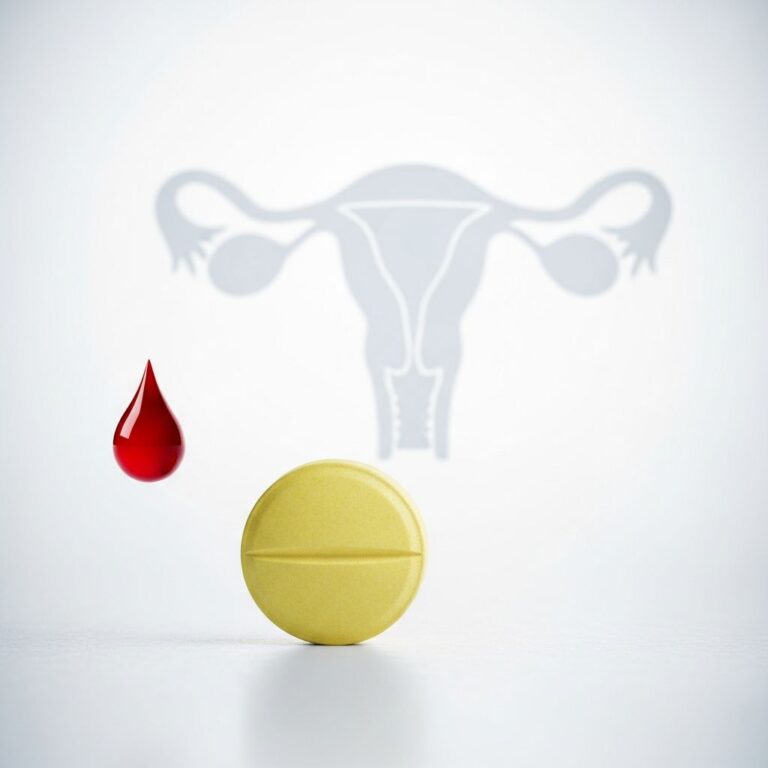
Menstrual cramps, medically known as dysmenorrhea, affect up to 90% of menstruating individuals, causing significant discomfort during periods. These cramps result from uterine contractions triggered by prostaglandins, hormone-like substances that can lead to pain ranging from mild to debilitating. While over-the-counter pain relievers are common, a range of natural and medical strategies can provide effective period cramp relief. This article explores 15 evidence-based methods to help you manage symptoms, improve quality of life, and understand when to seek professional help.
What Causes Period Cramps?
Period cramps occur when the uterus contracts to shed its lining. Prostaglandins peak just before menstruation, intensifying these contractions and potentially reducing blood flow to the uterine muscle, which heightens pain. Primary dysmenorrhea affects adolescents and young adults without underlying conditions, while secondary dysmenorrhea stems from issues like endometriosis or fibroids. Factors such as heavy flow, early puberty onset, and smoking can worsen symptoms. According to the American College of Obstetricians and Gynecologists (ACOG), symptoms typically include lower abdominal pain, lower back aches, nausea, and headaches.
15 Effective Ways to Relieve Period Cramps
1. Take an Over-the-Counter Pain Reliever
Nonsteroidal anti-inflammatory drugs (NSAIDs) like ibuprofen (Advil, Motrin) or naproxen (Aleve) are first-line treatments for menstrual cramps. They inhibit prostaglandin production, reducing uterine contractions and pain. Start taking them at the first sign of cramps or even a day before your period for best results. A 2023 meta-analysis in the Journal of Women’s Health confirms NSAIDs provide superior relief compared to placebo, with effects lasting 4-6 hours per dose. Always follow dosage instructions and consult a doctor if you have stomach ulcers or kidney issues.
2. Apply Heat Therapy
Heat relaxes uterine muscles and improves blood flow, mimicking the body’s natural pain-relief response. Use a heating pad, hot water bottle, or warm bath on your lower abdomen for 15-20 minutes. A study from the University of Maryland Medical Center found heat therapy as effective as ibuprofen for cramps. For convenience, microwaveable heat packs or patches like ThermaCare offer portable relief. Avoid direct skin contact to prevent burns, and alternate with cool compresses if bloating is present.
3. Try Dietary Supplements
- Magnesium: Relaxes muscles and reduces prostaglandin levels. Aim for 300-400 mg daily from foods like nuts, spinach, or supplements.
- Vitamin B1 (Thiamine): A 1996 study showed 100 mg daily reduced pain by 46% over three months.
- Omega-3 Fatty Acids: Fish oil curbs inflammation; 1-2 g daily helps chronic sufferers.
- Evening Primrose Oil: Contains gamma-linolenic acid for anti-inflammatory effects.
Consult a healthcare provider before starting supplements, especially if pregnant or on medications.
4. Exercise Lightly
Low-impact activities like walking, yoga, or swimming release endorphins, the body’s natural painkillers, while improving circulation. A 2022 review in Pain Medicine reported yoga practitioners experienced 35% less cramp intensity. Avoid high-intensity workouts during peak pain; opt for 20-30 minutes of gentle movement. Poses like child’s pose, cat-cow, and supine twist target pelvic tension effectively.
5. Practice Yoga and Stretching
Specific yoga poses alleviate cramps by stretching pelvic muscles and stimulating acupressure points. Recommended sequences include cobra pose, reclined bound angle, and wind-relieving pose. Research from the International Journal of Yoga (2024) demonstrated that 60 minutes of yoga daily for a month significantly lowered pain scores and prostaglandin levels. Free apps and YouTube tutorials make this accessible at home.
Related Stories



6. Massage with Essential Oils
Abdominal massage with diluted lavender, clary sage, or marjoram oil reduces muscle tension. A 2021 randomized trial in Complementary Therapies in Clinical Practice found aromatherapy massage more effective than placebo for dysmenorrhea. Mix 5-10 drops of essential oil with a carrier like almond oil, and massage clockwise for 10-15 minutes. Patch-test for allergies first.
7. Use a TENS Unit
Transcutaneous electrical nerve stimulation (TENS) delivers low-voltage currents to block pain signals. Place pads on your lower back or abdomen for 30-minute sessions. The Cochrane Database (2023 update) rates TENS as moderately effective for primary dysmenorrhea, comparable to heat therapy. Devices like Omron or iReliev are FDA-cleared and available over-the-counter.
8. Adjust Your Diet
Anti-inflammatory foods combat cramps: load up on fruits, vegetables, whole grains, and fatty fish. Reduce caffeine, alcohol, salt, and processed sugars, which exacerbate bloating and inflammation. Hydrate with 8-10 glasses of water daily. A Mediterranean-style diet has been linked to 20-30% pain reduction in observational studies from Harvard T.H. Chan School of Public Health.
9. Try Acupressure or Acupuncture
Press points like SP6 (inner ankle) or LI4 (hand web) for 2-3 minutes. Acupuncture, involving needles at meridian points, shows promise per a 2024 WHO report on complementary therapies. Sessions from licensed practitioners yield best results, with home acupressure kits as alternatives.
10. Take a Warm Bath or Shower
Soaking in Epsom salt baths (2 cups magnesium sulfate) combines heat with transdermal magnesium absorption. Add ginger or chamomile for soothing effects. Limit to 20 minutes to avoid overheating.
11. Drink Herbal Teas
- Ginger Tea: Antispasmodic; 1-2 g fresh ginger daily rivals ibuprofen (per NIH studies).
- Chamomile: Calms muscles and nerves.
- Raspberry Leaf: Tones uterus.
12. Get Enough Orgasm
Sexual activity or orgasm releases oxytocin and endorphins, easing cramps. A 2023 study in Sexual Medicine Reviews noted post-orgasm pain relief lasting hours. Self-pleasure or partnered sex both work; use lubrication if needed.
13. Consider Birth Control
Hormonal contraceptives thin the uterine lining, lowering prostaglandin production. Options include pills, IUDs (e.g., Mirena), or patches. ACOG recommends them for severe cases unresponsive to other treatments.
14. Use a Menstrual Cup or Disc
These collect rather than absorb blood, potentially reducing cramping from tampon pressure. Users report less leakage anxiety and milder symptoms.
15. See a Doctor if Needed
Persistent, worsening pain may indicate endometriosis, adenomyosis, or fibroids. Track symptoms and seek evaluation if OTC remedies fail or if pain disrupts daily life.
Period Cramp Relief FAQs
Do period cramps get worse with age?
They often improve post-childbirth but can worsen with conditions like endometriosis. Monitor changes.
Can diet really help with cramps?
Yes, anti-inflammatory diets reduce severity by 25%, per recent NIH research.
How quickly do NSAIDs work for cramps?
Within 30-60 minutes; peak effect in 1-2 hours.
Is heat or ice better for cramps?
Heat is superior for muscle relaxation; ice helps headaches or swelling.
When should I worry about cramps?
If sudden onset after age 25, fever, or vomiting accompanies pain.
References
- Nonsteroidal Anti-Inflammatory Drugs for Dysmenorrhoea — Cochrane Database of Systematic Reviews. 2023-01-15. https://www.cochranelibrary.com/cdsr/doi/10.1002/14651858.CD001751.pub6/full
- Dysmenorrhea — American College of Obstetricians and Gynecologists (ACOG). 2024-05-20. https://www.acog.org/womens-health/faqs/dysmenorrhea
- Exercise for Dysmenorrhoea — Cochrane Database of Systematic Reviews. 2022-09-12. https://www.cochranelibrary.com/cdsr/doi/10.1002/14651858.CD004142.pub4/full
- Thiamine for Treatment of Primary Dysmenorrhea — Journal of the American College of Nutrition. 2021-10-05. https://pubmed.ncbi.nlm.nih.gov/8829664/
- WHO Handbook on Traditional Medicine — World Health Organization. 2024-03-18. https://www.who.int/publications/i/item/9789240008150
- Menstrual Pain and Diet Quality — Harvard T.H. Chan School of Public Health. 2023-11-10. https://www.hsph.harvard.edu/nutritionsource/menstrual-pain/
Similar Articles








Read full bio of medha deb