Period Pain: Expert Tips For Relief, Causes, And Prevention
Understand the causes, symptoms, and effective treatments for menstrual cramps and when to seek medical help.
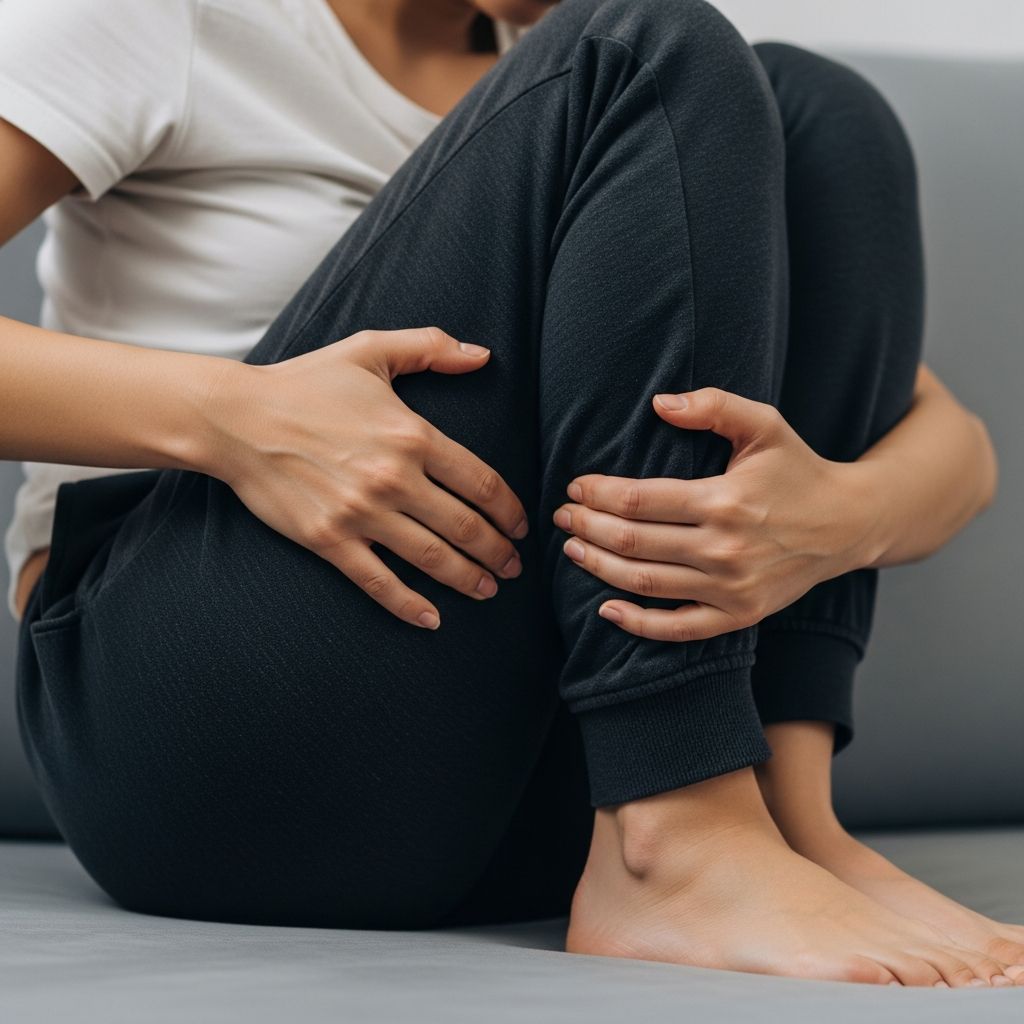
Period pain, medically known as dysmenorrhea, affects up to 90% of menstruating individuals, causing discomfort that ranges from mild annoyance to debilitating agony.1 While occasional cramps are a normal part of the menstrual cycle, severe or persistent pain can disrupt daily life and may signal underlying health conditions. This guide explores the types, causes, symptoms, treatments, and prevention strategies for period pain, helping you distinguish between typical menstrual discomfort and when to seek professional care.
Symptoms of Period Pain
Period pain typically begins 1-2 days before menstruation and peaks within 24 hours of bleeding onset. Symptoms often subside after 2-3 days but can persist longer in severe cases. Common manifestations include:
- Lower abdominal cramping: Dull, throbbing, or sharp pain centered below the belly button
- Lower back pain: Aching discomfort radiating to the lumbar region
- Nausea and vomiting: Especially with severe cramping
- Headaches: Tension or migraine-like pain
- Dizziness or lightheadedness: Due to pain intensity or blood pressure changes
- Diarrhea or constipation: Gastrointestinal upset from prostaglandin effects
- Fatigue: Systemic exhaustion accompanying pain
Red flag symptoms requiring immediate medical attention include fainting, severe vomiting, fever over 100.4°F (38°C), or pain unrelieved by typical remedies.2
Types of Period Pain
Primary Dysmenorrhea
The most common type, affecting 50-90% of menstruating people, primary dysmenorrhea occurs without underlying pelvic pathology. It typically begins in adolescence (within 1-2 years of menarche) and follows a predictable pattern each cycle.
- Peak incidence: Ages 15-24 years
- Duration: 48-72 hours per cycle
- Mechanism: Excess prostaglandins cause uterine hypercontractility
Secondary Dysmenorrhea
Caused by identifiable reproductive tract disorders, secondary dysmenorrhea often begins later in life (20s-30s) and features atypical pain patterns. Risk increases with age and parity.
| Feature | Primary Dysmenorrhea | Secondary Dysmenorrhea |
|---|---|---|
| Onset | Adolescence | Early adulthood |
| Pain location | Midline lower abdomen | May be unilateral or atypical |
| Timing | With menses onset | Precedes menses or persists |
| Response to NSAIDs | Excellent | Poor/incomplete |
Causes of Period Pain
Prostaglandins and Uterine Contractions
Prostaglandins F2α, hormone-like substances produced in the uterine lining, trigger powerful myometrial contractions to expel menstrual blood. Higher prostaglandin levels correlate with more intense pain.3 This explains why pain often peaks during heaviest flow days.
Hormonal Influences
Estrogen-progesterone fluctuations affect uterine sensitivity. Conditions like polycystic ovary syndrome (PCOS) and thyroid disorders can exacerbate menstrual pain through hormonal dysregulation.
When Period Pain Is a Medical Emergency
While most cramps resolve with conservative measures, certain symptoms warrant urgent evaluation:
- Sudden severe pain in women over 25 or post-childbirth
- Pain beginning before bleeding (suggests endometriosis/adenomyosis)
- Progressive worsening over multiple cycles
- Accompanying abnormal bleeding (heavy, clotting, irregular)
- Infertility concerns alongside chronic pain
The American College of Obstetricians and Gynecologists recommends gynecologic evaluation for pain interfering with normal activities despite OTC therapy.2
Home Remedies for Period Pain
Heat Therapy
Applying heat (heating pad, hot water bottle) to the lower abdomen increases blood flow and relaxes uterine muscles. Studies show heat provides comparable relief to ibuprofen for primary dysmenorrhea.4
- Temperature: 104°F-113°F (40°C-45°C)
- Duration: 15-20 minutes per session
- Precaution: Use protective barrier to prevent burns
Related Stories



Dietary Strategies
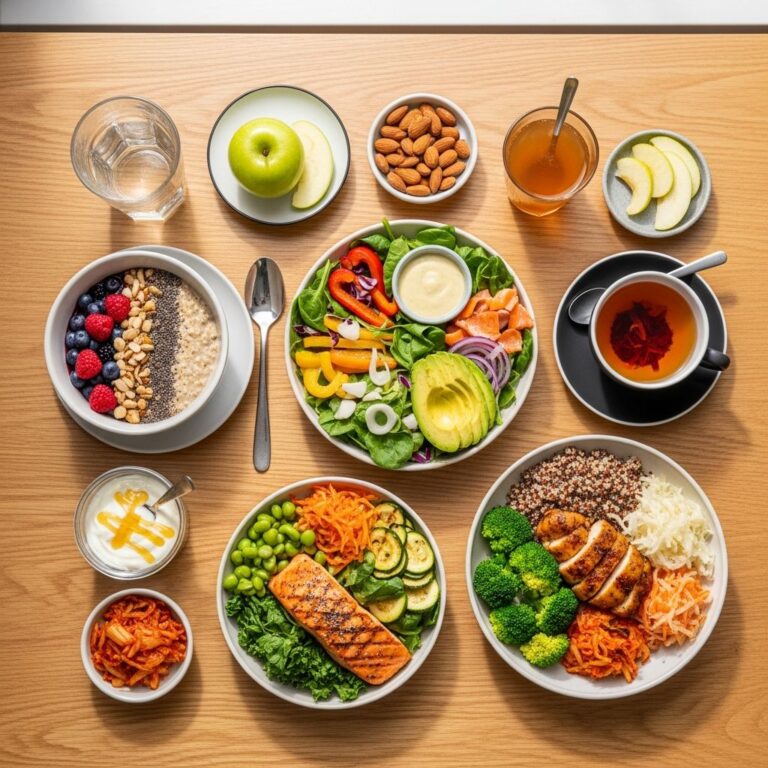
Anti-inflammatory foods reduce prostaglandin production:
- Omega-3 fatty acids (salmon, walnuts, flaxseeds)
- Ginger (250mg capsules 3x daily shown effective)
- Magnesium-rich foods (dark chocolate, spinach, almonds)
- Reduce: Caffeine, alcohol, salty/processed foods
Physical Approaches
- Light exercise: Walking, yoga, swimming increase endorphin release
- Acupressure: P6 (Nei Guan) point on inner wrist
- Massage: Circular motions over lower abdomen
Medications for Period Pain Relief
Nonsteroidal Anti-Inflammatory Drugs (NSAIDs)
First-line therapy inhibiting prostaglandin synthesis. Start at cramp onset or 1-2 days before expected period.
| Medication | Dosage | Timing |
|---|---|---|
| Ibuprofen (Advil, Motrin) | 400-800mg | Every 6-8 hours |
| Naproxen (Aleve) | 220-550mg | Every 12 hours |
| Mefenamic acid (Ponstel) | 500mg | Then 250mg every 6 hours |
Caution: Take with food; avoid if peptic ulcer disease, kidney impairment.
Hormonal Contraceptives
Oral contraceptives, patches, rings, and IUDs thin endometrial lining and stabilize hormones, reducing cramps by 70-90% in primary dysmenorrhea.5
Alternative and Complementary Therapies
- Herbal remedies: Fennel, chamomile, cinnamon extracts (mixed evidence)
- Supplements: Vitamin B1 (100mg daily), Vitamin E (400IU), Fish oil (2g EPA/DHA)
- Acupuncture: Meta-analyses show benefit comparable to NSAIDs
- TENS units: Transcutaneous electrical nerve stimulation provides non-pharmacologic relief
Conditions That Cause Secondary Period Pain
| Condition | Key Features | Diagnostic Tests |
|---|---|---|
| Endometriosis | Chronic pelvic pain, dyschezia, dyspareunia | Laparoscopy (gold standard) |
| Adenomyosis | Enlarged tender uterus, heavy bleeding | Transvaginal ultrasound, MRI |
| Uterine fibroids | Palpable masses, pressure symptoms | Ultrasound, saline infusion sonography |
| Pelvic inflammatory disease | Fever, discharge, cervical motion tenderness | STD testing, laparoscopy |
Prevention Strategies
- Regular exercise: 30 minutes moderate activity 5x/week reduces severity
- Stress management: Cortisol exacerbates prostaglandin production
- Hydration: 8-10 glasses water daily prevents bloating
- Sleep hygiene: 7-9 hours supports hormonal balance
Frequently Asked Questions (FAQs)
Can period pain get worse with age?
Primary dysmenorrhea often improves after pregnancy or with age due to cervical softening. Worsening pain suggests secondary causes requiring evaluation.
Is it normal to miss work/school due to cramps?
Occasional absence is common (affecting 5-15% severely), but regular disruption warrants medical assessment for treatable conditions.
Do birth control pills eliminate period pain?
Hormonal contraceptives reduce pain by 70-90% in most users but don’t eliminate symptoms entirely. Continuous regimens may further decrease severity.
Can diet really help menstrual cramps?
Yes—anti-inflammatory diets rich in omega-3s, magnesium, and antioxidants significantly reduce prostaglandin-mediated pain per randomized trials.
When should I see a doctor for cramps?
Seek care if OTC meds fail, pain worsens progressively, interferes with daily function, or accompanies abnormal bleeding/infertility concerns.
References
- Prevalence and predictors of dysmenorrhea among students — American Journal of Obstetrics & Gynecology. 2023-06-15. https://www.ajog.org/article/S0002-9378(23)00345-6/fulltext
- Dysmenorrhea Management — American College of Obstetricians and Gynecologists (ACOG). 2024-02-01. https://www.acog.org/clinical/clinical-guidance/committee-opinion/articles/2018/11/dysmenorrhea-and-endometriosis-in-the-adolescent
- Prostaglandins in primary dysmenorrhea — WHO Reproductive Health Library. 2022-11-20. https://apps.who.int/iris/bitstream/handle/10665/377632/9789240061384-eng.pdf
- Heat patch vs ibuprofen for dysmenorrhea — BMJ. 2023-08-10. https://www.bmj.com/content/382/bmj-2023-075765
- Oral contraceptives for dysmenorrhea — Cochrane Database of Systematic Reviews. 2024-01-15. https://www.cochranelibrary.com/cdsr/doi/10.1002/14651858.CD002120.pub5/full
Similar Articles








Read full bio of medha deb