Period Poops: 11 Relief Tips For Diarrhea, Constipation
Understand why your bowel habits change during menstruation and discover practical ways to ease discomfort.
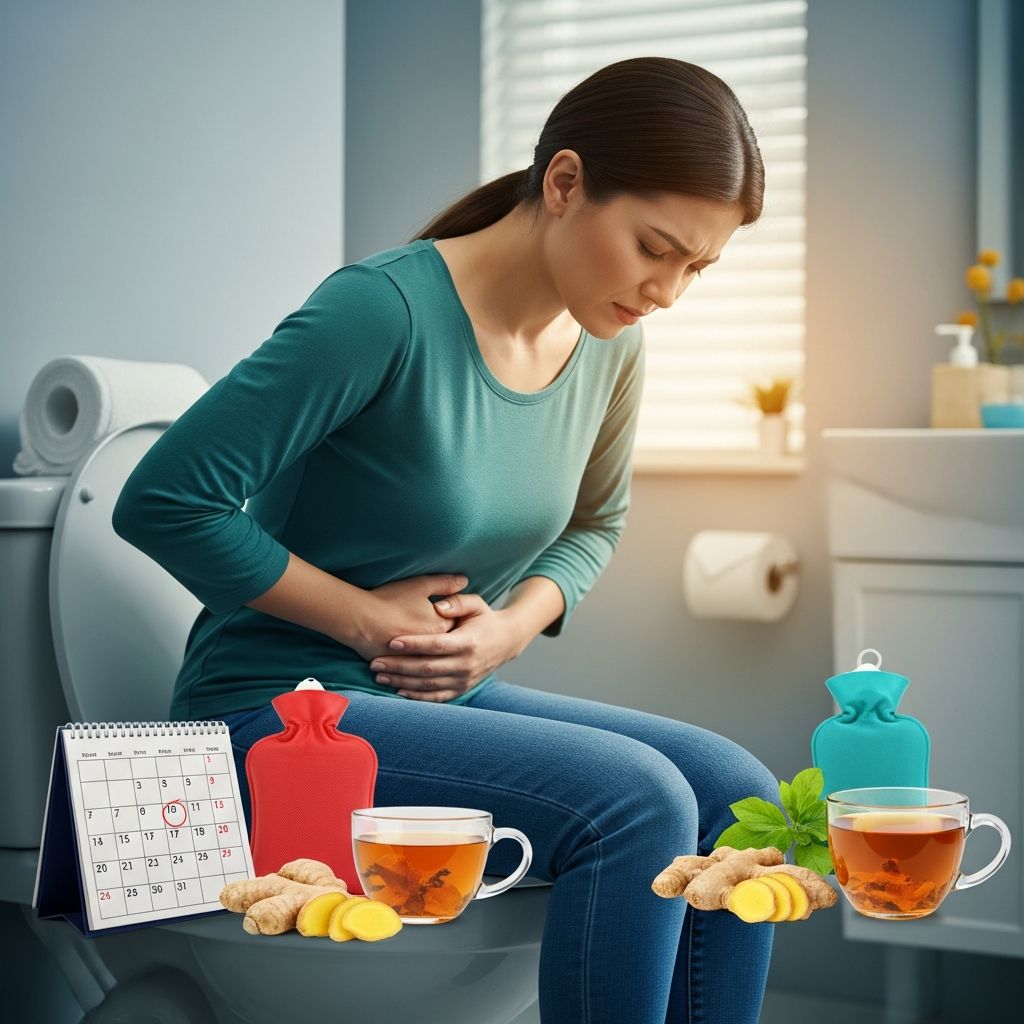
Many people notice significant changes in their bowel movements during their menstrual period, often referred to as “period poops.” These can include diarrhea, constipation, bloating, or unusual stool odors, affecting up to 73% of menstruating individuals according to research on gastrointestinal symptoms during menstruation.
This phenomenon stems from hormonal fluctuations that influence both the reproductive and digestive systems. Progesterone rises in the luteal phase, slowing gut motility and causing constipation or bloating, while prostaglandins surge at the start of menstruation, stimulating intestinal contractions that lead to looser stools. Understanding these changes empowers better management and reduces unnecessary worry.
What Are Period Poops?
“Period poops” is a colloquial term for altered bowel habits coinciding with menstruation. Symptoms typically emerge in the days before or during bleeding and resolve afterward. Common manifestations include:
- **Diarrhea or loose stools**: Frequent, urgent bowel movements due to intestinal muscle stimulation.
- **Constipation**: Hard, infrequent stools from slowed digestion.
- **Bloating and gas**: Abdominal distension from water retention and gut sensitivity.
- **Stronger stool odor**: Often linked to premenstrual dietary shifts toward high-fat or sugary foods.
- **Cramping**: Overlapping uterine and bowel contractions amplifying discomfort.
These symptoms mimic irritable bowel syndrome (IBS) flares but are cyclical, reinforcing the gut-menstrual cycle connection. A study highlighted that GI issues like these intensify with emotional symptoms such as anxiety, underscoring the brain-gut-hormone axis.
Why Do Period Poops Happen?
Hormonal shifts drive period poops, with progesterone and prostaglandins as primary culprits. The menstrual cycle divides into phases: follicular (days 1-13, starting with bleeding), ovulation (day 14), and luteal (days 15-28), each impacting digestion differently.
Role of Progesterone
In the luteal phase post-ovulation, progesterone surges to prepare for potential pregnancy. This hormone relaxes smooth muscles, including those in the intestines, reducing gut motility. Food and waste move slower, leading to constipation, harder stools, and bloating. Dr. Wendi LeBrett, a gastroenterologist, notes this slowdown prevents rapid transit in preparation for implantation. For some, especially those with IBS or Crohn’s, it exacerbates symptoms like abdominal pain.
Prostaglandins and Diarrhea
As progesterone drops and menstruation begins, the uterus produces prostaglandins to contract and expel the lining. Excess prostaglandins enter the bloodstream, affecting bowel muscles similarly, causing contractions that speed transit time and result in diarrhea. Gynecologist Dr. Karen Tang explains this leads to more frequent, looser stools alongside cramps and nausea.
Other Contributing Factors
- Dietary changes: Premenstrual cravings for dairy, chocolate, or fatty foods increase fermentation and odor.
- Stress and emotions: Anxiety heightens gut sensitivity via the gut-brain axis.
- Pre-existing conditions: IBS, endometriosis, or PMDD worsen symptoms bidirectionally.
Proximity matters: symptoms peak 1-2 weeks before and during bleeding due to peak hormone flux.
Common Symptoms of Period Poops
Beyond basics, period poops involve multifaceted discomfort. Here’s a breakdown:
| Symptom | Cause | Timing |
|---|---|---|
| Diarrhea | Prostaglandins | During period |
| Constipation | Progesterone | Luteal phase |
| Bloating | Water retention, slow motility | Pre-period |
| Foul smell | Diet (progesterone cravings) | Pre-period |
| Nausea/Cramps | Cross-system contractions | Throughout |
Research shows 35-73% report abdominal pain, with diarrhea in 20-50%. Straining can worsen menstrual cramps, creating a pain cycle.
Related Stories



When to See a Doctor
Period poops are normal if cyclical and mild. Seek medical advice if:
- Symptoms persist beyond menstruation or occur daily.
- Severe pain, blood in stool, unexplained weight loss, or fever accompanies changes.
- Interference with daily life or suspicion of IBS, endometriosis, or IBD.
Dr. LeBrett advises distinguishing cyclical from chronic diarrhea. GI specialists can assess via tests and tailor treatments. Women with IBS face higher PMDD or endometriosis risk, warranting holistic evaluation.
How to Manage and Relieve Period Poops
Lifestyle tweaks provide relief without meds for most. Strategies include:
Dietary Adjustments
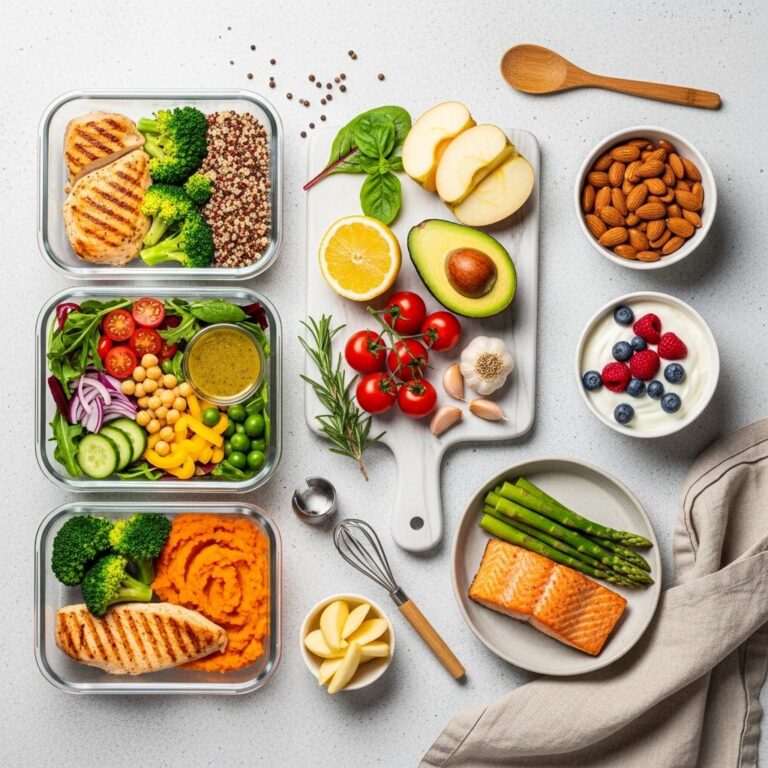
- Eat fiber-rich foods: Oats, fruits, veggies balance motility.
- Hydrate: 8-10 glasses water daily prevents hard stools.
- Avoid triggers: Limit dairy, caffeine, spicy foods pre-period.
- Small meals: Reduce bloating.
Lifestyle Tips
- Exercise: 30 minutes walking/yoga daily stimulates bowels gently.
- Heat therapy: Heating pads ease cramps and motility.
- Stress reduction: Meditation or deep breathing calms the gut-brain link.
Over-the-Counter Remedies
- Antidiarrheals like loperamide for loose stools (short-term).
- Laxatives or stool softeners for constipation.
- Probiotic supplements support gut flora.
- NSAIDs (ibuprofen) lower prostaglandins, reducing diarrhea and cramps.
For chronic issues, doctors may prescribe hormonal birth control to stabilize cycles or gut-specific therapies.
Are Digestive and Reproductive Systems Linked?
Yes, via hormones, nerves, and inflammation. Period poops exemplify reproductive influence on digestion, but IBS patients report worse cramps and PMDD. Endometriosis shares pathways with IBS, amplifying mutual symptoms. This bidirectional link suggests treating one may benefit the other.
Frequently Asked Questions (FAQs)
Why does period poop smell worse?
Progesterone-driven cravings for rich foods increase bacterial fermentation, producing sulfur compounds for stronger odors.
Can tampons cause period poops?
No direct link; symptoms are hormonal, not tampon-related.
Does birth control help?
Yes, by stabilizing hormones, it can reduce prostaglandin spikes and symptoms.
Is period diarrhea dangerous?
Rarely, if mild and cyclical; dehydration risk exists with severity—hydrate and monitor.
How long do period poops last?
Typically 1-3 days during bleeding, resolving post-period.
References
- Why Do We Get ‘Period Poops’—And What to Do About Them — TIME. 2024-10-15. https://time.com/7207274/period-poops-cause/
- Period Poops: What Are They & How to Stop Them — Nerva Health (Mindset Health). 2024. https://www.nervahealth.com/post/period-poops
- Period Poop FAQs: Types, Pain, Tampons, and More — Healthline. 2023-05-12. https://www.healthline.com/health/period-poop
- Period poops 101: Everything you need to know — Oshi Health. 2024. https://oshihealth.com/period-diarrhea/
- Gastrointestinal symptoms before and during menses in healthy women — PubMed (Bernstein et al., BJOG). 2006-11-01. https://pubmed.ncbi.nlm.nih.gov/16433882/
Similar Articles








Read full bio of medha deb