Period Side Effects Beyond Cramps
Discover unexpected menstrual cycle symptoms like migraines, digestive issues, infections, oral sores, and joint pain that go beyond typical cramps.
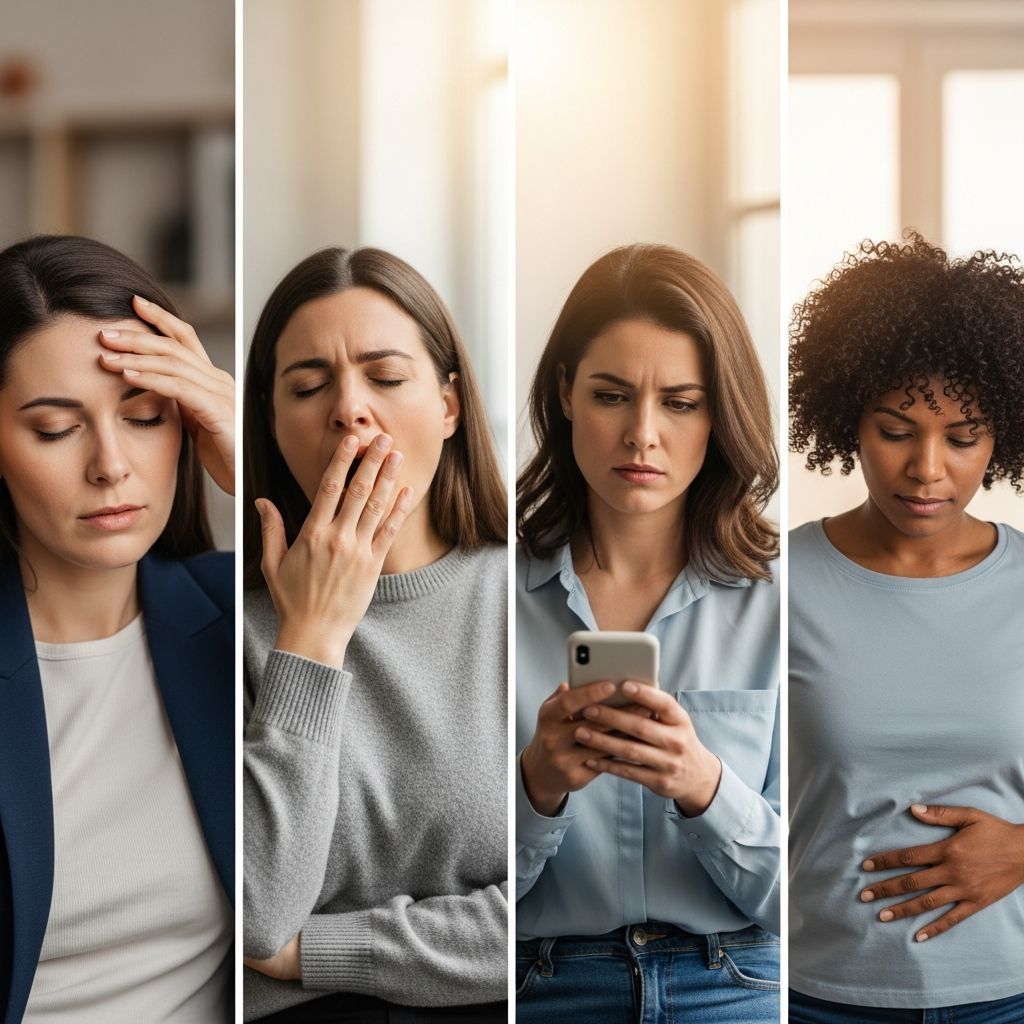
Your menstrual cycle triggers familiar symptoms like cramps and mood swings, but it also causes lesser-known issues affecting various body parts. These unexpected side effects stem from hormonal fluctuations, particularly in estrogen and progesterone, as well as prostaglandins released during menstruation. Understanding them empowers better management and relief.
Hormonal changes throughout the cycle—rising progesterone pre-period and dropping estrogen—disrupt multiple systems. Prostaglandins, lipid compounds, contract the uterus causing cramps but also impact digestion and inflammation elsewhere. This article covers five key side effects: migraines, bathroom woes, yeast infections, sore mouth, and joint pain, drawing from medical research and expert advice.
Migraines
**Menstrual migraines** affect approximately 20% of women, striking just before or during the period due to estrogen decline. These headaches differ from regular migraines, often more severe with nausea, sensitivity to light, and throbbing pain on one side.
Estrogen drop triggers blood vessel changes in the brain, releasing inflammatory chemicals. Studies from the American Migraine Foundation note women are three times more likely to experience migraines linked to menstruation than men. Risk factors include family history, stress, and conditions like endometriosis.
- Symptoms: Intense unilateral pain, aura (visual disturbances), vomiting.
- Timing: Days 2 before to day 3 of period.
- Difference from regular migraines: Less responsive to standard treatments, hormone-driven.
Management includes hormonal birth control to stabilize levels, preventing drops. Triptans or NSAIDs like ibuprofen help acute attacks. Preventive options: magnesium supplements (400mg daily), riboflavin (vitamin B2), or prescription drugs like frovatriptan. Lifestyle tweaks—regular sleep, hydration, caffeine avoidance—reduce frequency. Consult a doctor for tailored therapy, especially if frequent.
Bathroom Woes
Many experience
digestive disturbances
like diarrhea or constipation pre-period or during menstruation. Prostaglandins, causing uterine contractions, overspill to intestines, speeding motility and leading to loose stools.Up to 73% of menstruating individuals report bowel changes, per a study in the journal *Gut*. Bloating accompanies due to water retention and slowed initial digestion followed by acceleration. Hormonal shifts relax pelvic muscles, exacerbating issues.
| Symptom | Cause | Prevalence |
|---|---|---|
| Diarrhea | Prostaglandins increase gut contractions | ~30-50% |
| Constipation | Progesterone slows digestion early cycle | ~20% |
| Bloating | Water retention, gas buildup | ~70% |
Relief strategies: Heating pads on abdomen relax muscles, easing cramps and motility. High-fiber diet with probiotics balances gut flora. Avoid dairy, caffeine if aggravating. Over-the-counter anti-diarrheals like loperamide for severe cases, but sparingly. Hydration prevents dehydration from frequent stools.
Yeast Infections
**Vaginal yeast infections** surge during periods from pH shifts. Menstrual blood (pH 7.4) mixes with vaginal secretions (pH 3.8-4.5), creating alkaline environment favoring *Candida albicans* overgrowth.
Estrogen peaks thicken glycogen-rich cells, feeding yeast. Tight clothing, antibiotics, or high-sugar diets compound risk. CDC reports 75% of women experience at least one lifetime infection, with periods as a trigger.
- Symptoms: Itching, thick white discharge, redness, burning urination.
- Risk during period: Moist tampons/pads promote growth; change frequently.
- Prevention: Cotton underwear, avoid douching, probiotics.
Treatment: OTC antifungals like miconazole (3-7 day course). Recurrent cases need oral fluconazole. Maintain hygiene—gentle washing, dry thoroughly. Probiotic yogurts or supplements restore flora. See a gynecologist if symptoms persist beyond treatment.
A Sore Mouth
**Oral discomfort** like canker sores or gingivitis flares pre-period from progesterone rise. This hormone swells gums, increases inflammation, and alters saliva composition, promoting bacteria.
Research in *Journal of Periodontology* links menstrual cycle to periodontal changes; progesterone peaks correlate with bleeding gums in 30% of women. Canker sores (aphthous ulcers) appear due to immune shifts and stress.
Symptoms include white sores inside cheeks/lips, gum redness/swelling, metallic taste. Vulnerable spots: hormonal fluctuations amplify minor irritations from spicy foods or brushing.
- Management:
- Avoid irritants: acidic/spicy foods, tobacco.
- Oral hygiene: Brush/floss twice daily, antibacterial rinse like chlorhexidine.
- Topicals: Over-the-counter gels with benzocaine for pain; hydrogen peroxide rinses.
- Supplements: Lysine (1g daily), vitamin B12 if deficient.
Professional care if recurrent—dental check for underlying issues. Cycle-tracking apps predict flares for proactive care.
Joint Pain
**Joint and muscle aches** accompany PMS from estrogen dip right before period. Estrogen has anti-inflammatory effects, protecting cartilage; its decline heightens pain sensitivity.
A *Pain* journal study found 40% of women report worsened arthritis or fibromyalgia symptoms perimenstrually. Prostaglandins contribute to systemic inflammation.
| Affected Areas | Common Complaints | Relief Methods |
|---|---|---|
| Knees, hips | Stiffness, aching | Heat therapy, stretching |
| Back, neck | Sharp pains | NSAIDs, yoga |
| Hands/feet | Swelling | Elevation, compression |
Strategies: Low-impact exercise like swimming releases endorphins. Anti-inflammatories (ibuprofen 400-600mg). Omega-3 supplements reduce joint inflammation. Adequate sleep, magnesium (300-400mg). Severe cases warrant rheumatologist evaluation for conditions like rheumatoid arthritis exacerbated by cycle.
When to See a Doctor
Most side effects are benign, but seek medical help if:
- Migraines last >72 hours or include neurological symptoms.
- Diarrhea persists >3 days with blood/dehydration.
- Yeast symptoms don’t resolve after OTC treatment.
- Oral sores >2 weeks or interfere eating.
- Joint pain severe, limits mobility, or with fever/swelling.
Underlying issues like PCOS, thyroid disorders, or endometriosis may amplify symptoms. Tracking via apps like Clue aids diagnosis.
Frequently Asked Questions (FAQs)
Why do periods cause migraines?
Estrogen drop triggers vascular changes and inflammation in the brain, affecting 20% of women.
Can periods cause diarrhea?
Yes, prostaglandins stimulate intestinal contractions alongside uterine ones.
Are yeast infections more common during menstruation?
Period blood alters vaginal pH, promoting yeast growth.
Does progesterone cause mouth sores?
It inflames gums and alters immunity, leading to canker sores and gingivitis.
Why joint pain during PMS?
Low estrogen reduces pain protection and increases inflammation.
Lifestyle Tips for Overall Relief
Incorporate cycle-syncing: Anti-inflammatory diet (berries, fatty fish), exercise, stress reduction via meditation. Herbal teas like ginger/chamomile soothe digestion and pain. Always consult healthcare providers before new supplements.
References
- Menstrual Migraine Fact Sheet — American Migraine Foundation. 2024-06-15. https://americanmigrainefoundation.org/resource-library/menstrual-migraine-fact-sheet/
- Clinical Management of Menstrual Migraine — American Academy of Neurology. 2023-11-01. https://www.aan.com/Guidelines/Home/GuidelineDetail/392
- Gastrointestinal Symptoms During the Menstrual Cycle — National Institute of Diabetes and Digestive and Kidney Diseases (NIDDK). 2025-02-10. https://www.niddk.nih.gov/health-information/digestive-diseases
- Vulvovaginal Candidiasis — Centers for Disease Control and Prevention (CDC). 2024-08-22. https://www.cdc.gov/fungal/diseases/candidiasis/genital/index.html
- Hormonal Influences on Periodontal Health — American Academy of Periodontology. 2023-05-12. https://www.perio.org/for-patients/periodontal-treatments-and-procedures/hormones-and-gums/
- Sex Hormones and Pain — National Institutes of Health (NIH), PubMed. 2024-01-18. https://pubmed.ncbi.nlm.nih.gov/38211847/
Similar Articles






Read full bio of Sneha Tete