Period Spotting: Causes and When to Worry
Understand spotting between periods: common causes, when it's normal, and signs that require medical attention for reproductive health.

Spotting between periods—light vaginal bleeding that occurs outside your regular menstrual cycle—can be alarming, but it’s often benign. Affecting up to 25% of women at some point, spotting is defined as light bleeding or pink/brown discharge lasting 1-2 days, distinct from a full period flow. While usually harmless, persistent or heavy spotting warrants medical evaluation to rule out underlying issues.
This comprehensive guide covers what spotting means, common triggers, treatment options, and red flags signaling a doctor’s visit. Backed by data from trusted health authorities, understanding spotting empowers better menstrual health management.
What Is Period Spotting?
Period spotting refers to any vaginal bleeding outside your expected menstrual window. Unlike periods, which last 3-7 days with moderate to heavy flow, spotting involves minimal blood—often just a few drops or light staining on underwear or toilet paper. It may appear pink, red, or brown and typically resolves within hours to days.
Spotting frequency varies: some experience it monthly around ovulation, others sporadically. Per the American College of Obstetricians and Gynecologists (ACOG), spotting affects reproductive-age women commonly, but postmenopausal spotting always requires prompt evaluation.1
- Normal spotting: Ovulation bleeding, implantation spotting in early pregnancy.
- Abnormal spotting: Accompanied by pain, heavy flow, or post-menopause.
Common Causes of Spotting Between Periods
Most spotting episodes trace to hormonal fluctuations or lifestyle factors. Here’s a breakdown of prevalent causes:
Hormonal Fluctuations
Estrogen and progesterone shifts drive the menstrual cycle. Mid-cycle estrogen drops around ovulation can trigger light bleeding in 5-10% of women. Stress, extreme exercise, or weight changes disrupt hormones, causing breakthrough bleeding.
Birth Control
Hormonal contraceptives are a leading spotting culprit, especially in the first 3-6 months. Combined pills, patches, rings, or hormonal IUDs (e.g., Mirena) thin the uterine lining, leading to irregular shedding. Progestin-only methods like the mini-pill or Depo-Provera shot increase spotting risk by 30-50% initially.2
| Method | Spotting Risk | Duration |
|---|---|---|
| Combined Pill | High (first 3 months) | Improves after 6 months |
| Hormonal IUD | Moderate | Decreases over 6-12 months |
| Copper IUD | Low-moderate | Persistent in some |
| Implant/Nexplanon | High initially | Often resolves by year 1 |
Ovulation Spotting
Mittelschmerz or ovulation bleeding occurs 10-16 days before your next period when the egg releases, stretching the ovarian follicle. About 3% of women notice pink-tinged discharge; it’s normal and harmless.
Implantation Bleeding
Early pregnancy sign: When a fertilized egg implants in the uterus (6-12 days post-ovulation), light spotting affects 15-25% of pregnancies. Typically pink/brown and shorter/lighter than a period.
Serious Causes of Spotting
While rare, spotting signals potential health concerns needing attention:
Pregnancy Complications
Ectopic pregnancy (implantation outside uterus) causes one-sided pain plus spotting in 20% of cases—emergency risk. Miscarriage spotting precedes heavier bleeding/cramping.
Infections/STIs
Chlamydia, gonorrhea, or trichomoniasis inflame the cervix/uterus, causing post-coital or intermenstrual spotting. Untreated, they lead to pelvic inflammatory disease (PID).3
Polyps and Fibroids
Benign uterine/cervical growths disrupt lining integrity. Polyps cause spotting in 50% of cases; fibroids affect 70-80% of women by age 50, often with heavy periods.
Related Stories



Hormone Imbalances/PCOS
Polycystic ovary syndrome (PCOS) causes irregular ovulation and estrogen dominance, leading to spotting. Hypothyroidism similarly disrupts cycles.
Endometriosis/Adenomyosis
Tissue growth outside/inside uterus causes chronic spotting, pain. Affects 10% of reproductive-age women.
Cervical/Vaginal Issues
Cervicitis, ectropion, or trauma from sex/exams provoke spotting.
Cancer Risks
Endometrial, cervical, or ovarian cancer present with postmenopausal spotting (7-10% risk indicator) or irregular bleeding in premenopausal women. Early detection via Pap/HPV tests saves lives.4
When to See a Doctor for Spotting
Not all spotting needs evaluation, but consult a gynecologist if:
- Spotting lasts >2 weeks or recurs monthly.
- Heavy bleeding soaks a pad/hour.
- Pain, fever, unusual discharge, or post-coital spotting.
- Postmenopausal (any bleeding abnormal).
- Pregnancy possibility or age >45 with new spotting.
- Failed birth control or IUD expulsion signs.
ACOG recommends annual exams including Pap smears for at-risk individuals.
How Spotting Is Diagnosed
Doctors start with history and pelvic exam, then:
- Pregnancy test.
- STI screening.
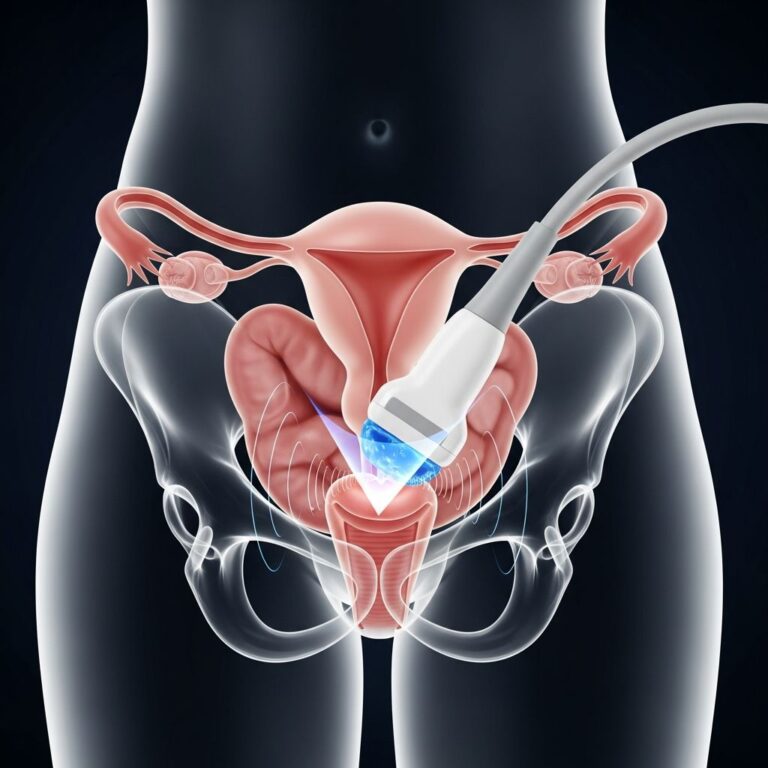
- Transvaginal ultrasound for polyps/fibroids.
- Endometrial biopsy for cancer risk (postmenopausal).
- Hysteroscopy for direct visualization.
Treatment Options for Spotting
Treatment targets the cause:
- Hormonal: Switch birth control; low-dose cyclic pills regulate cycles.
- Infections: Antibiotics (e.g., azithromycin for chlamydia).
- Polyps/Fibroids: Removal via hysteroscopy; medications like tranexamic acid.
- PCOS: Metformin, lifestyle changes, ovulation induction.
- Endometriosis: Hormonal therapy, surgery.
- Cancer: Hysterectomy, radiation (stage-dependent).
Observe benign cases; NSAIDs relieve symptoms.
Home Remedies and Prevention
- Track cycles via apps to identify patterns.
- Maintain healthy weight; reduce stress.
- Use consistent birth control; check IUD strings monthly.
- Practice safe sex; get regular STI tests.
- Supplements like vitamin B6 may help hormonal balance (consult doctor).
Frequently Asked Questions (FAQs)
Is spotting between periods normal?
Occasional spotting from ovulation or birth control is common and usually normal. Persistent or symptomatic spotting needs checking.
Does spotting mean I’m pregnant?
Implantation spotting occurs in 20-25% of pregnancies but mimics other causes. Take a test if periods are late.
Can stress cause spotting?
Yes—stress elevates cortisol, disrupting reproductive hormones and triggering spotting.
How long is too long for spotting?
>7 days or recurrent monthly spotting warrants a doctor’s visit.
Does spotting stop after menopause?
No—any postmenopausal bleeding is abnormal; seek immediate evaluation for cancer risks.
References
- Abnormal Uterine Bleeding — American College of Obstetricians and Gynecologists (ACOG). 2023-10-01. https://www.acog.org/womens-health/faqs/abnormal-uterine-bleeding
- Management of Abnormal Uterine Bleeding Associated with Ovulatory Dysfunction — NIH / PubMed (Fertil Steril). 2024-07-15. https://pubmed.ncbi.nlm.nih.gov/37437892/
- Sexually Transmitted Infections (STIs) — Centers for Disease Control and Prevention (CDC). 2025-01-10. https://www.cdc.gov/std/general/index.htm
- Endometrial Cancer — National Cancer Institute (NCI). 2024-11-20. https://www.cancer.gov/types/uterine
- Postmenopausal Bleeding — Mayo Clinic. 2025-03-05. https://www.mayoclinic.org/diseases-conditions/postmenopausal-bleeding/symptoms-causes/syc-20354667
Similar Articles








Read full bio of Sneha Tete