Period Symptoms: 13 Common Issues And Proven Relief Tips
From cramps to mood swings, understand what your period symptoms mean and how to manage them effectively.
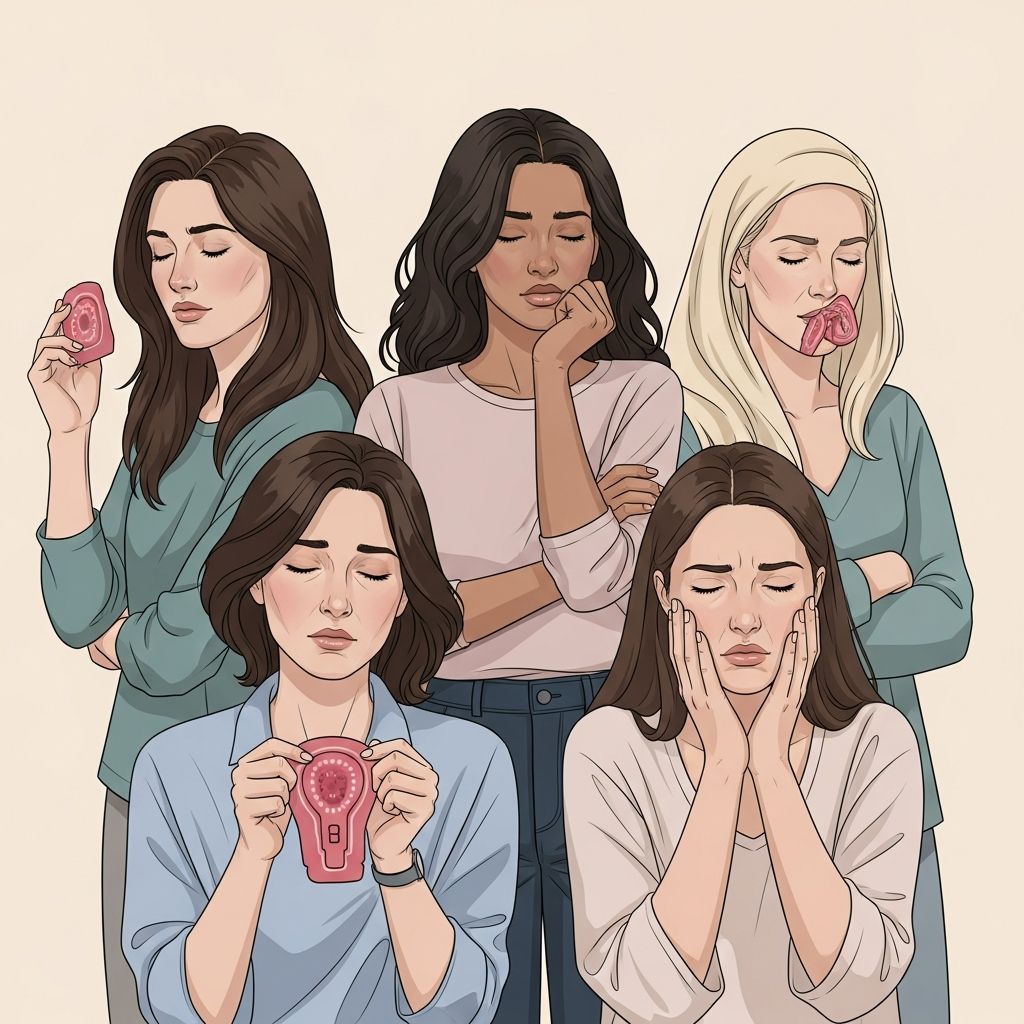
Your menstrual cycle is a complex hormonal dance that affects your body in many ways. While periods are a normal part of life for those with uteruses, the symptoms can range from mildly annoying to debilitating. Understanding what’s happening during your cycle can help you manage discomfort and know when to seek medical help.
This guide breaks down the most common period symptoms, their causes rooted in hormonal fluctuations, and evidence-based strategies for relief. From primary dysmenorrhea (normal cramping) to secondary symptoms signaling underlying issues, we cover it all.
What Causes Period Symptoms?
Menstrual symptoms stem primarily from hormonal changes. Estrogen and progesterone levels fluctuate throughout the cycle, peaking before menstruation. When estrogen drops, the uterine lining sheds, causing bleeding. Prostaglandins—hormone-like substances—increase to trigger uterine contractions, leading to cramps and other symptoms.
According to the American College of Obstetricians and Gynecologists (ACOG), most symptoms are normal but can vary widely in intensity. Factors like stress, diet, exercise, and genetics influence severity.1
1. Menstrual Cramps (Dysmenorrhea)
Menstrual cramps, medically known as dysmenorrhea, affect up to 90% of menstruating individuals. They feel like a dull ache or sharp pain in the lower abdomen, sometimes radiating to the back or thighs.
Types of Dysmenorrhea
- Primary Dysmenorrhea: Common cramps starting 1-2 days before or during your period, lasting 2-3 days. Caused by prostaglandins contracting the uterus.
- Secondary Dysmenorrhea: Cramps due to underlying conditions like endometriosis, fibroids, or adenomyosis. Pain may worsen over time and start earlier in the cycle.
Symptoms and Severity
Pain can range from mild (manageable with OTC meds) to severe (interfering with daily activities). Associated symptoms include nausea, diarrhea, fatigue, and headaches.
Relief Strategies
- Heat Therapy: Apply a heating pad to your abdomen for 15-20 minutes.
- NSAIDs: Ibuprofen or naproxen reduce prostaglandin production. Start at first sign of symptoms.
- Exercise: Light yoga or walking releases endorphins.
- Diet: Omega-3s, magnesium-rich foods (leafy greens, nuts) may help.
The World Health Organization notes that severe dysmenorrhea impacts quality of life for millions globally.2
2. Bloating and Water Retention
Feeling puffy and full? Hormonal shifts cause your body to retain sodium and water, leading to bloating. Estrogen dominance in the luteal phase contributes, peaking 3-5 days before your period.
Why It Happens
- Progesterone drop reduces digestive motility, causing gas buildup.
- Carb cravings lead to glycogen storage, which binds water.
Management Tips
| Do | Avoid |
|---|---|
| Drink 8-10 glasses of water daily | Salt-heavy processed foods |
| Eat potassium-rich bananas, spinach | Carbonated drinks, chewing gum |
| Try herbal teas (peppermint, ginger) | Sugary treats that spike cravings |
Studies in the Journal of Women’s Health show diuretics like pamabrom provide short-term relief, but lifestyle changes are most effective long-term.3
3. Breast Tenderness (Mastalgia)
Sore, swollen breasts are a hallmark of premenstrual syndrome (PMS). Hormones stimulate breast tissue growth in preparation for potential pregnancy.
- Cyclical: Worsens before period, resolves after.
- Non-cyclical: Constant pain; see a doctor to rule out cysts or fibroadenomas.
Related Stories



Relief
- Wear a supportive bra, even at night.
- Reduce caffeine and salt intake.
- Evening primrose oil (gamma-linolenic acid) shows promise in trials.
4. Mood Swings and PMS
Irritability, anxiety, or depression affect 75% of people with periods. Serotonin levels drop alongside estrogen, impacting mood regulation.
PMS vs. PMDD
- PMS: Mild mood changes plus physical symptoms.
- PMDD: Severe form affecting 3-8%; may require SSRIs or therapy.
ACOG recommends tracking symptoms for 2+ cycles to diagnose.1
Coping Strategies
- Exercise 30 min/day (boosts serotonin).
- Practice mindfulness or CBT techniques.
- Ensure 7-9 hours sleep nightly.
5. Headaches and Migraines
Hormone fluctuations trigger vascular changes, leading to tension headaches or migraines. Dehydration and caffeine withdrawal exacerbate them.
- Menstrual migraines affect 60% of female migraineurs, per NIH data.4
- Triptans or preventive meds may be prescribed.
6. Fatigue and Low Energy
Progesterone buildup causes drowsiness; blood loss leads to mild anemia. Combat with iron-rich foods (red meat, lentils) and B12.
7. Heavy Periods (Menorrhagia)
Soaking a pad/tampon hourly for several hours? This affects 10-30% of people. Causes include fibroids, polyps, or clotting disorders.
Tranexamic acid reduces bleeding by 40-60%, per Cochrane reviews.5
8. Irregular Bleeding and Spotting
Spotting mid-cycle is often ovulation bleeding. Persistent issues may indicate PCOS, thyroid problems, or perimenopause.
9. Digestive Changes: Diarrhea or Constipation
Prostaglandins stimulate bowels, causing loose stools. Probiotics and fiber balance this.
10. Acne and Skin Changes
Androgen spikes increase oil production. Topical retinoids or spironolactone help.
11. Food Cravings
Serotonin dips drive carb/sugar urges. Choose complex carbs like oats over candy.
12. Back Pain
Uterine contractions pull on supporting ligaments. Stretching and NSAIDs relieve it.
13. Leg Pain and Restless Legs
Magnesium deficiency common; supplement cautiously.
When to See a Doctor
- Pain unresponsive to OTC meds.
- Symptoms worsening over time.
- Bleeding lasting >7 days or between periods.
- Symptoms interfering with life (possible PMDD/endometriosis).
Lifestyle Tips for Better Periods
- Track your cycle with apps.
- Exercise regularly but avoid overtraining pre-period.
- Prioritize sleep hygiene.
- Consider hormonal birth control for symptom control.
- Explore acupuncture or supplements (chasteberry, vitex) with doctor approval.
Frequently Asked Questions (FAQs)
Are period symptoms the same every month?
No, they can vary due to stress, diet, travel, or age-related hormonal shifts.
Can diet affect my period symptoms?
Yes—anti-inflammatory diets rich in fruits, veggies, and healthy fats reduce PMS severity.
Is it normal to miss work due to periods?
While common, severe symptoms warrant medical evaluation. Period poverty affects millions globally.
Do symptoms get worse with age?
They often improve post-childbirth but worsen in perimenopause.
Can birth control eliminate symptoms?
Hormonal options often reduce cramps and bleeding, but breakthrough symptoms occur.
References
- Dysmenorrhea and Endometriosis in Young Women — American College of Obstetricians and Gynecologists (ACOG). 2023-10-01. https://www.acog.org/womens-health/faqs/dysmenorrhea
- Menstrual Hygiene Management — World Health Organization (WHO). 2024-05-15. https://www.who.int/news-room/fact-sheets/detail/menstrual-hygiene
- Premenstrual Syndrome — National Institutes of Health (NIH), Office on Women’s Health. 2025-02-20. https://womenshealth.gov/menstrual-cycle/premenstrual-syndrome
- Menstrual Migraine — National Institute of Neurological Disorders and Stroke (NINDS). 2024-11-10. https://www.ninds.nih.gov/health-information/disorders/migraine
- Tranexamic acid for heavy menstrual bleeding — Cochrane Database of Systematic Reviews. DOI: 10.1002/14651858.CD000260.pub2. 2023-06-12. https://doi.org/10.1002/14651858.CD000260.pub2
Similar Articles








Read full bio of medha deb