Periodic Fever Syndromes: A Dermatologist’s Guide To Diagnosis
Explore autoinflammatory disorders causing recurrent fevers, rashes, and inflammation with insights into diagnosis and treatment.
Periodic Fever Syndromes
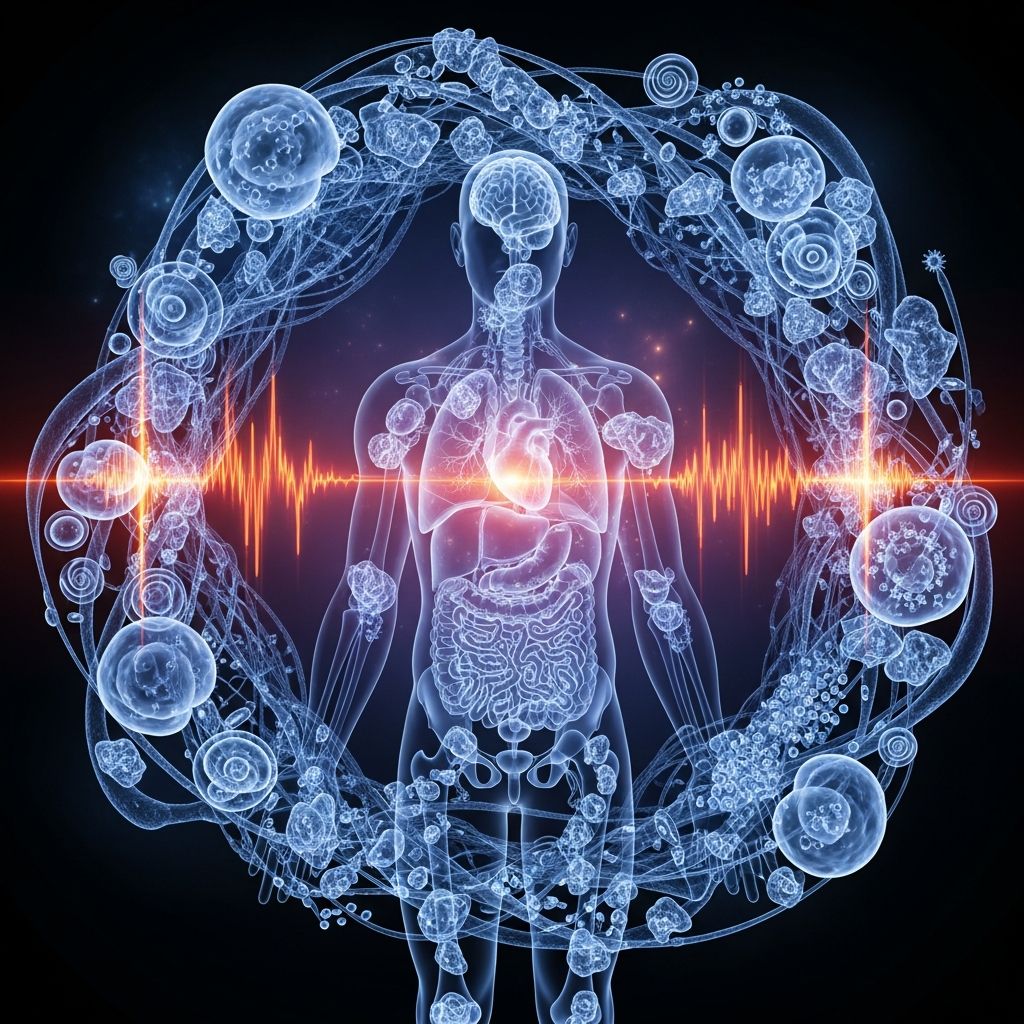
Periodic fever syndromes, also known as autoinflammatory diseases, are a group of rare genetic disorders characterized by recurrent episodes of fever accompanied by inflammation in various organs, including skin, joints, abdomen, and serosal surfaces. These conditions arise from dysregulation of the innate immune system, leading to unprovoked inflammatory attacks that typically resolve spontaneously between episodes. Patients often feel well during intervals, though subclinical inflammation may persist in some cases.
What are the periodic fever syndromes?
Periodic fever syndromes encompass hereditary autoinflammatory disorders where episodes of high fever recur predictably or unpredictably, lasting from hours to weeks. Symptoms include serositis, rash, arthralgia, and elevated acute-phase reactants without infection. Onset is usually in childhood, with fewer than 10% presenting after age 18. Triggers may include cold exposure, stress, trauma, or infections, but many attacks occur spontaneously.
Who gets periodic fever syndromes?
These syndromes predominantly affect children, with most cases starting before age 10. Familial Mediterranean fever (FMF) is common in Mediterranean populations (e.g., Armenians, Turks, Arabs), while tumor necrosis factor receptor-associated periodic syndrome (TRAPS) shows no strong ethnic bias. Cryopyrin-associated periodic syndromes (CAPS) and hyper-IgD syndrome (HIDS) present in infancy. Inheritance is typically autosomal dominant (AD) or recessive (AR), with family history often present.
What causes periodic fever syndromes?
Genetic mutations disrupt inflammasome function or cytokine pathways. Key examples:
- FMF: MEFV gene mutations lead to excess pyrin, activating IL-1β.
- TRAPS: TNFRSF1A mutations impair TNF receptor shedding, prolonging inflammation.
- CAPS: NLRP3 (CIAS1) mutations cause overactive cryopyrin, driving IL-1 production.
- HIDS: MVK mutations reduce mevalonate kinase, elevating IgD and provoking attacks.
These defects cause spontaneous inflammasome activation, releasing pro-inflammatory cytokines like IL-1, TNF-α, and IL-6.
What are the clinical features of periodic fever syndromes?
Attacks feature spiking fevers (>38–41°C) lasting 1–3 days (up to weeks in some), with organ-specific inflammation. Prodromal symptoms like malaise or headache may precede. Between attacks, patients are asymptomatic, but amyloidosis risks long-term organ damage.
| Syndrome | Fever Duration | Key Features | Triggers |
|---|---|---|---|
| FMF | 1–3 days | Abdominal/chest pain, erysipelas-like rash, arthritis | Stress, infection |
| TRAPS | 1–3 weeks | Periorbital edema, myalgia, migratory rash | Trauma, exercise |
| FCAS (CAPS) | <24 hours | Urticaria, arthralgia, conjunctivitis | Cold exposure |
| MWS (CAPS) | 24–48 hours | Urticaria, sensorineural deafness, amyloidosis | Cold, generalized |
| NOMID/CINCA (CAPS) | Chronic | Rash at birth, meningitis, arthropathy | Spontaneous |
| HIDS | 3–7 days | Abdominal pain, cervical lymphadenopathy, maculopapular rash | Vaccination, stress |
Familial Mediterranean Fever
FMF causes short, intense attacks of serositis (peritonitis, pleuritis, synovitis), erysipelas-like erythema on legs, and monoarthritis. Fever ≥39°C lasts 12–72 hours. Amyloidosis develops in 25% untreated cases.
Tumour necrosis factor receptor-associated periodic syndrome
TRAPS features prolonged fevers (1–3 weeks), centrifugal myalgia, conjunctivitis, periorbital edema, and erythematous patches. Attacks migrate and respond partially to steroids.
Cryopyrin-associated periodic syndromes
CAPS spectrum: FCAS (cold-induced urticaria, <24h), Muckle-Wells (urticaria, deafness, amyloidosis), NOMID (neonatal rash, chronic aseptic meningitis, epiphyseal overgrowth).
Hyper IgD syndrome
HIDS presents in infancy with 3–7 day fevers, diarrhea, rash (maculopapular, urticarial), aphthae, and splenomegaly. IgD elevated in 90%.
Other syndromes
- PAPA: Pyogenic arthritis, pyoderma gangrenosum, acne; joint issues remit post-puberty.
- SOJIA/AOSD: Daily spiking fevers, evanescent salmon-pink rash, arthritis.
- CANDLE: Neonatal onset, lipodystrophy, violaceous rash, basal ganglia calcifications.
How is the diagnosis of periodic fever syndromes made?
Diagnosis combines clinical features, family history, elevated CRP/ESR during attacks, and genetic testing. Eurofever/PRINTO criteria aid classification. Rule out infections/malignancy. Genetic panels test MEFV, TNFRSF1A, NLRP3, MVK.
What is the differential diagnosis for periodic fever syndromes?
- Infections (e.g., EBV, cyclic neutropenia)
- Autoimmune (SLE, Behcet’s)
- Malignancy (lymphoma)
- SOJIA, AOSD
- PFAPA (periodic fever, aphthous stomatitis, pharyngitis, adenitis)
What is the treatment for periodic fever syndromes?
Treatment targets IL-1/IL-6/TNF pathways:
- FMF: Colchicine prevents attacks (95% effective), anakinra for refractory.
- TRAPS/CAPS: IL-1 blockers (anakinra, canakinumab), NSAIDs/steroids for mild.
- HIDS: Anakinra, tocilizumab, statins.
- PAPA: Anakinra, anti-TNF (etanercept).
Amyloidosis requires monitoring; kidney transplant if renal failure.
Complications of periodic fever syndromes
Chronic inflammation risks AA amyloidosis (kidney, liver), growth delay, sensorineural deafness (MWS/NOMID), arthropathy.
Prevention of periodic fever syndromes
Daily prophylaxis (colchicine for FMF, biologics for others) prevents attacks and amyloidosis. Genetic counseling advised.
Frequently Asked Questions
Are periodic fever syndromes curable?
No, but prophylactic therapies control symptoms effectively in most cases.
Can periodic fever syndromes start in adulthood?
Rarely; <10% onset after 18 years, often milder forms.
Do all patients need genetic testing?
Recommended for confirmation, family screening, and guiding therapy.
Is amyloidosis reversible?
Regression possible with early inflammation control.
What triggers attacks?
Cold (CAPS), stress/infection (FMF/HIDS), variable for TRAPS.
This article provides an in-depth look at periodic fever syndromes, emphasizing early recognition by dermatologists given prominent skin involvement.
References
- Overview of Hereditary Periodic Fever Syndromes — Merck Manuals. 2023. https://www.merckmanuals.com/home/children-s-health-issues/hereditary-periodic-fever-syndromes/overview-of-hereditary-periodic-fever-syndromes
- Autoinflammatory syndromes: A review — Journal of Skin and Sexually Transmitted Diseases. 2023. https://jsstd.org/autoinflammatory-syndromes-a-review/
- Periodic Fever Syndromes Panel — ARUP Consult. 2024. https://arupconsult.com/ati/Periodic-Fever-Syndromes-Panel
- Autoinflammatory syndromes with a dermatological perspective — PubMed. 2007-09-01. https://pubmed.ncbi.nlm.nih.gov/17727363/
- Autoinflammatory Diseases/Periodic Fevers — Pediatrics in Review (AAP). 2023. https://publications.aap.org/pediatricsinreview/article/44/9/481/193782/Autoinflammatory-Diseases-Periodic-Fevers
- Systemic autoinflammatory disorders for dermatologists. Part 1 — Clinical and Experimental Dermatology (Oxford Academic). 2020. https://academic.oup.com/ced/article/45/8/962/6597893
Similar Articles



Read full bio of medha deb