Periodontal Diseases: Causes, Symptoms, and Treatment
Complete guide to understanding, diagnosing, and treating periodontal diseases.
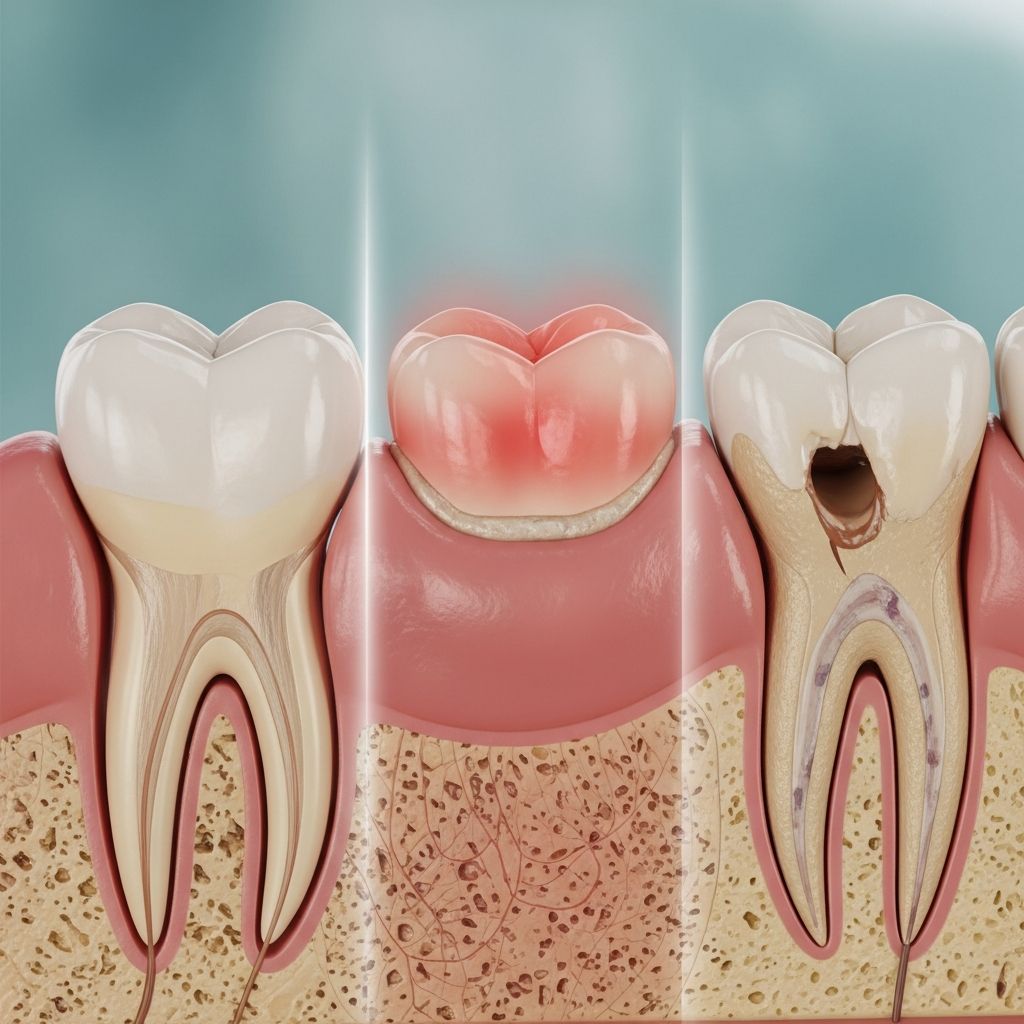
Periodontal Diseases: Understanding Gum Health
Periodontal disease, commonly referred to as gum disease, is a chronic infection that affects the tissues supporting your teeth, including the gums, bone, and ligaments. This condition ranges from mild inflammation to severe destruction of the structures that hold teeth in place. Understanding periodontal disease is essential for maintaining good oral health and preventing tooth loss.
The progression of gum disease is preventable and treatable when detected early. However, if left untreated, it can lead to serious complications, including tooth loss and potential impacts on overall health. Millions of adults experience some form of periodontal disease, making it one of the most common oral health concerns today.
Understanding the Progression of Periodontal Disease
Periodontal disease develops through several stages, each with distinct characteristics and severity levels. Recognizing these stages helps in early intervention and preventing disease progression.
Gingivitis: The Early Stage
Gingivitis represents the initial stage of periodontal disease, characterized by inflammation of the gums. At this stage, the infection is limited to the gum tissue and has not yet affected the underlying bone or connective tissue. Common signs of gingivitis include red, swollen gums that bleed easily during brushing or flossing. You may also notice discoloration caused by plaque buildup containing bacteria and food debris.
Gingivitis develops when plaque accumulates on teeth due to inadequate brushing, flossing, or infrequent professional dental cleanings. The good news is that gingivitis is reversible with proper oral hygiene and professional treatment. Regular dental visits every six months are crucial for preventing gingivitis from developing or progressing.
Early Periodontal Disease
When gingivitis progresses without treatment, it advances to early periodontal disease. At this stage, the infection begins affecting the deeper structures supporting teeth. Your gums start to recede, pulling away from the tooth surface to form pockets—small spaces between the gums and teeth. These pockets become repositories for harmful bacteria and cannot be effectively cleaned with regular brushing and flossing.
During this stage, your immune system battles the infection, causing additional gum tissue recession. You will experience bleeding when brushing and flossing, and bone loss becomes evident on dental X-rays. Despite these changes, early periodontal disease often remains painless, which is why professional screening becomes essential.
Moderate Periodontal Disease
Without intervention, early periodontal disease progresses to the moderate stage, where symptoms become more pronounced. At this point, you may experience pain and bleeding around affected teeth, and gum recession becomes more noticeable. Your teeth begin losing bone support, causing them to become loose or shift position. The infection triggers inflammatory responses throughout your body as it attempts to fight the bacterial invasion.
Related Stories



Moderate periodontal disease requires professional intervention to prevent further deterioration. Treatment becomes more complex and may involve multiple appointments or specialist consultation.
Advanced Periodontal Disease
Advanced periodontal disease represents the most severe stage, occurring when moderate disease is left untreated. At this point, the connective tissue and bone structures that hold and support your teeth are significantly destroyed. Symptoms include severe pain when chewing, persistent bad breath, and an unpleasant taste in the mouth. Without aggressive treatment, advanced periodontal disease often leads to tooth loss.
Symptoms and Warning Signs
Recognizing the symptoms of periodontal disease enables early detection and treatment. Many people do not realize they have gum disease because early stages often present minimal or no pain. Regular dental checkups are crucial for early detection.
Common symptoms of periodontal disease include:
- Red, swollen, or tender gums
- Gums that bleed during brushing, flossing, or eating
- Gums that have receded or pulled away from teeth, making teeth appear longer
- Deep pockets between teeth and gums
- Loose or shifting teeth
- Changes in bite or how teeth fit together
- Persistent bad breath or bad taste that does not go away
- Pain or discomfort when chewing
- Pus around the gumline or between teeth
- Sensitive teeth
Risk Factors and Causes
Several factors increase your risk of developing periodontal disease. Understanding these risk factors helps you take preventive measures.
Bacterial Infection
The primary cause of periodontal disease is bacterial infection. Plaque—a sticky film of bacteria—constantly forms on teeth. When not removed through proper oral hygiene, plaque hardens into tartar (calculus), which provides an ideal environment for bacterial growth. These bacteria produce toxins that irritate and damage gum tissue.
Inadequate Oral Hygiene
Insufficient brushing and flossing allows plaque accumulation. Failure to remove plaque enables bacteria to multiply and cause infection. Professional cleanings every six months are also important for removing tartar buildup that brushing cannot eliminate.
Lifestyle and Health Factors
Smoking significantly increases periodontal disease risk and reduces treatment effectiveness. Stress weakens the immune system, making it harder to fight infection. Poor nutrition, hormonal changes during pregnancy or menopause, and certain medications that reduce saliva production also increase susceptibility. Uncontrolled diabetes dramatically increases gum disease risk and severity.
Genetic Predisposition
Some individuals are genetically more susceptible to periodontal disease despite maintaining good oral hygiene. If family members have experienced gum disease, your risk may be elevated.
Diagnosis of Periodontal Disease
Professional diagnosis is essential for confirming periodontal disease and determining its severity. Your dentist uses several diagnostic techniques during your examination.
Periodontal Probing
During examination, your dentist uses a small measuring instrument called a periodontal probe to measure the depth of pockets between your gums and teeth. This painless test is crucial for detecting disease. Pockets measuring 3mm or deeper indicate gum disease, while healthy gums typically measure 1-3mm. The probe also identifies areas of gum recession and bleeding.
Visual Examination
Your dentist carefully examines your gums for signs of inflammation, recession, discoloration, and swelling. They assess the overall gum health and look for visible signs of disease progression.
Dental X-Rays
X-rays are essential diagnostic tools that reveal bone loss, which is not visible during a regular examination. Digital X-rays enable precise observation of structural changes caused by periodontitis. Your dentist compares current X-rays with previous ones to monitor disease progression or improvement.
Bacterial Testing
In some cases, your dentist may perform bacterial testing to identify specific microorganisms causing the infection. This helps determine the most effective antibiotic treatment if needed.
Disease Classification
Modern periodontal diagnosis uses the World Workshop Classification System, which stages and grades periodontal disease based on severity, treatment complexity, risk factors, and overall health. This comprehensive approach helps create individualized treatment plans.
Treatment Options
Treatment depends on disease severity and individual circumstances. Early detection allows for less invasive treatment approaches.
Non-Surgical Treatments
Professional Cleaning: For mild gingivitis cases, professional cleaning removes plaque and tartar above the gumline. Regular cleanings combined with improved home care often reverse early gum disease.
Scaling and Root Planing (Deep Cleaning): This standard treatment for moderate periodontal disease removes plaque and tartar below the gumline and smooths root surfaces. By eliminating bacterial deposits and smoothing roots, this procedure prevents bacterial reaccumulation and helps gums reattach to teeth. The procedure may require multiple appointments and local anesthesia for comfort.
Antibiotic Treatment: When bacterial infections persist despite cleaning procedures, antibiotics become necessary. These may be prescribed as oral medication, topical treatments like antibiotic mouth rinses, or gels placed directly into gum pockets. Antibiotics help control infection and allow gums to heal.
Surgical Treatments
Flap Surgery: For areas with persistent inflammation inaccessible to brushing and flossing, or when significant bone loss has occurred, your dentist may recommend flap surgery. During this procedure performed under local anesthesia, gums are gently lifted to access tooth roots and remove accumulated deposits. After thorough cleaning, gums are sutured back into place.
Bone Grafting: When bone loss accompanies gum disease, bone grafting may regenerate lost bone. During this procedure, bone material is placed in areas of loss, stimulating natural bone regeneration and restoring support for teeth.
Guided Tissue Regeneration: This advanced technique places special fabric between existing bone and teeth, preventing unwanted tissue growth while allowing bone regeneration. This helps restore structures damaged by bacterial infection.
Tissue-Stimulating Proteins: Special gels containing proteins found in developing tooth enamel can be applied to diseased tooth roots, stimulating growth of healthy bone and tissue.
Long-Term Management and Prevention
Successful long-term management of periodontal disease requires ongoing commitment to oral hygiene and professional care. While periodontitis cannot be completely reversed, it can be effectively managed and slowed with proper treatment and maintenance.
Daily Oral Hygiene
Brush teeth twice daily with a soft-bristled toothbrush, using gentle circular motions. Floss daily to remove plaque between teeth and below the gumline where toothbrushes cannot reach. An antimicrobial mouthwash may help reduce bacterial levels. Water flossers and interdental brushes provide alternative cleaning methods for difficult-to-reach areas.
Professional Maintenance
Regular dental visits become essential for individuals with periodontal disease. Your dentist will monitor your periodontal status, perform professional cleanings, and adjust treatment as needed. More frequent visits—sometimes every 3-4 months instead of the typical 6 months—may be recommended to prevent disease progression.
Lifestyle Modifications
Quitting smoking dramatically improves treatment outcomes and reduces disease recurrence. Managing stress supports immune function. Maintaining proper nutrition, controlling diabetes, and addressing other health conditions also contribute to periodontal health. Staying hydrated and avoiding sugary foods and beverages reduces bacterial growth.
Frequently Asked Questions
Q: Can periodontal disease be cured?
A: Gingivitis can be reversed with proper treatment and oral hygiene. However, periodontitis cannot be completely cured but can be effectively managed and slowed with professional treatment and daily care.
Q: Is periodontal disease contagious?
A: While the bacteria causing periodontal disease can be transmitted through saliva, contracting the disease depends on individual susceptibility and oral hygiene practices. Not everyone exposed to these bacteria develops the disease.
Q: How often should I see a dentist if I have periodontal disease?
A: Individuals with periodontal disease typically require professional cleanings and monitoring every 3-4 months rather than the standard 6-month interval. Your dentist will recommend the appropriate schedule based on your condition.
Q: Can I treat periodontal disease at home?
A: While excellent home oral hygiene is crucial for managing periodontal disease, professional treatment from a dentist or periodontist is necessary. Home care alone cannot eliminate deep bacterial infections or remove tartar below the gumline.
Q: What happens if periodontal disease is left untreated?
A: Untreated periodontal disease progressively destroys gum tissue, bone, and tooth-supporting structures, ultimately leading to tooth loss. It may also contribute to systemic health problems, including increased risk of heart disease and other conditions.
Q: Does periodontal disease affect overall health?
A: Yes, research indicates connections between severe periodontal disease and systemic conditions including cardiovascular disease, diabetes complications, and respiratory infections. Maintaining periodontal health contributes to overall wellness.
References
- Periodontal (Gum) Disease — National Institute of Dental and Craniofacial Research (NIDCR). 2023. https://www.nidcr.nih.gov/health-info/gum-disease
- About Periodontal (Gum) Disease — Centers for Disease Control and Prevention (CDC). 2025. https://www.cdc.gov/oral-health/about/gum-periodontal-disease.html
- Periodontitis — Diagnosis and Treatment — Mayo Clinic. 2024. https://www.mayoclinic.org/diseases-conditions/periodontitis/diagnosis-treatment/drc-20354479
- World Workshop Classification System for Periodontal and Peri-Implant Diseases and Conditions — American Dental Association. 2021. https://www.ada.org/resources/ada-library/oral-health-topics/periodontitis
- Periodontal Disease Causes, Symptoms & Treatment — Listerine. 2024. https://www.listerine.com/gum-disease-healthy-gums/periodontal-disease-causes-symptoms-treatment
- Periodontal Disease — Symptoms, Causes, Treatment — Waterpik. 2024. https://www.waterpik.com/edu/gum-disease/periodontal-disease-treatment/
Similar Articles








Read full bio of Sneha Tete