Perioral Dermatitis: Symptoms, Treatment, and Prevention
Complete guide to managing perioral dermatitis: causes, symptoms, treatments, and prevention strategies.
Understanding Perioral Dermatitis
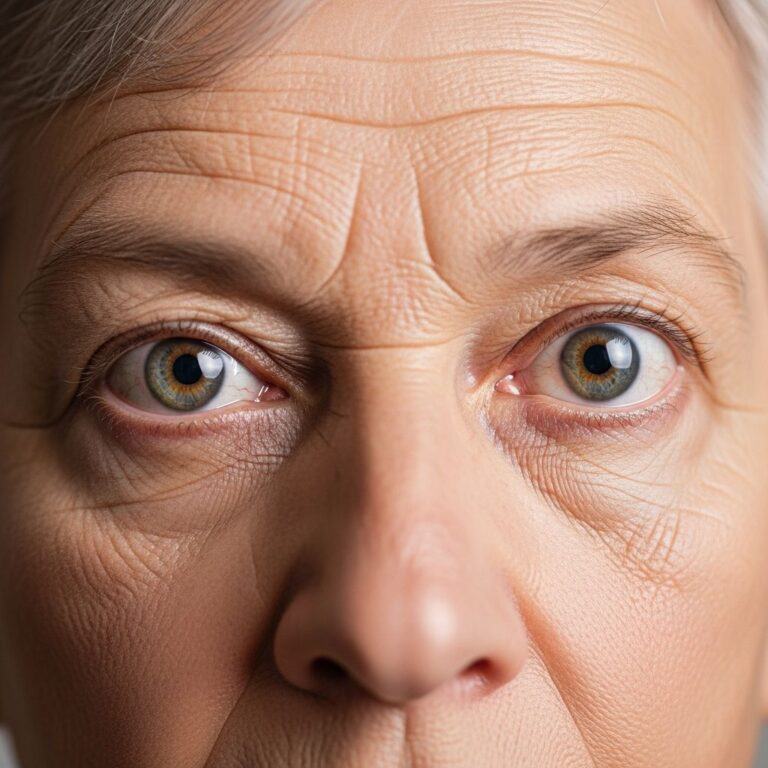
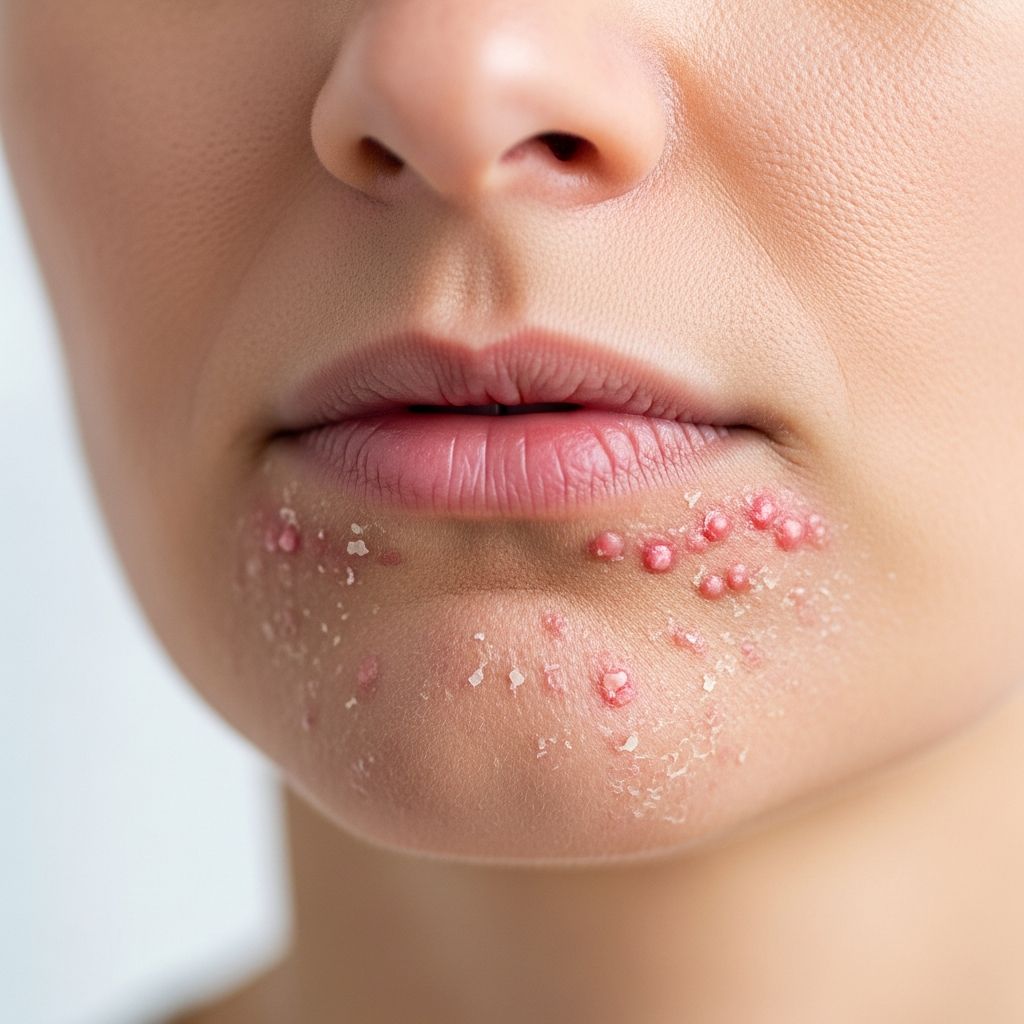
Perioral dermatitis is a common inflammatory skin condition that affects primarily young adult females, characterized by the development of small, red, inflamed bumps or papules around the mouth, nose, and sometimes the eyes. This benign eruption often appears as a cluster of tiny pimple-like bumps accompanied by mild itching or burning sensations. The condition is sometimes referred to as periorificial dermatitis due to its tendency to affect areas around facial orifices. While the exact cause remains not entirely understood, extensive research has identified multiple contributing factors and triggers that healthcare professionals and patients should be aware of for effective management.
Common Symptoms and Characteristics
The clinical presentation of perioral dermatitis varies among individuals, but certain hallmark features help distinguish it from other skin conditions. The primary symptoms include:
- Small, red, inflamed papules and pustules clustering around the mouth
- Similar eruptions may appear around the nose and eyes
- Mild to moderate itching or burning sensations
- Absence of blackheads or whiteheads (which helps differentiate it from acne)
- Erythematous (reddened) appearance of affected areas
It is important to note that perioral dermatitis differs significantly from acne vulgaris and rosacea, despite overlapping features. Unlike acne, perioral dermatitis does not present with comedones (blackheads or whiteheads), making clinical differentiation possible through careful examination. Some patients experience overlapping symptoms with rosacea, which may suggest a common underlying mechanism involving the skin microbiome or bacterial colonization.
Identifying the Triggers and Causes
Multiple factors can trigger or contribute to the development of perioral dermatitis. Understanding these triggers is crucial for effective prevention and management strategies.
Topical Corticosteroid Use
A strong association exists between perioral dermatitis and the prolonged use of topical corticosteroids, particularly on facial skin. This relationship represents a complex cycle: initially, topical steroids appear to improve the eruption, leading patients to continue their use. However, upon withdrawal of the steroid, the eruption typically recurs or worsens, creating a dependency cycle. Chronic use of topical steroids significantly increases the risk of developing severe disease and may lead to the development of a granulomatous variant of the condition.
Additional Potential Triggers
Beyond topical corticosteroids, numerous other factors can initiate or exacerbate perioral dermatitis:
- Inhaled or nasal corticosteroids used for asthma or allergies
- Systemic corticosteroids taken as oral medications
- Fluorinated toothpaste and dental products
- Occlusive cosmetics and heavy makeup products
- Certain skincare products and cleansers
- Sunscreen formulations with specific ingredients
- Facemask use for extended periods
- Improper continuous positive airway pressure (CPAP) therapy settings
- Hormonal influences, including changes in oral contraceptive use
- Chewing gum containing specific additives
Healthcare providers increasingly recognize that the condition’s multifactorial etiology requires comprehensive trigger identification for successful treatment outcomes.
Diagnosis and Clinical Evaluation
Diagnosis of perioral dermatitis is typically clinical, based on morphological examination and patient history regarding potential triggers and exposures. Dermatologists examine the characteristic distribution of papules and pustules around the mouth, nose, and periorbital areas while noting the absence of comedones.
In atypical cases or when diagnosis remains uncertain, a skin biopsy may be warranted. Histopathological examination reveals a perifollicular and perivascular lymphohistiocytic inflammatory infiltrate with sparse plasma cells. While follicular spongiosis may be present, typical dermatitis features are often absent despite the disease nomenclature. A granulomatous variant exists in which dermal epithelioid granulomas and giant cells are observed alongside perivascular and perifollicular inflammation.
Related Stories



Healthcare professionals must differentiate perioral dermatitis from acne by noting the absence of blackheads and whiteheads, and from rosacea by examining specific morphological characteristics and treatment response patterns.
Treatment Options and Management Strategies
While treatment for perioral dermatitis is generally effective, the condition can be persistent or recurrent, requiring long-term management strategies tailored to individual circumstances. Treatment approaches typically combine trigger avoidance with targeted therapeutic interventions.
Discontinuing Topical Corticosteroids
The primary recommendation for treatment is immediate discontinuation of topical steroid application. However, abrupt cessation of corticosteroids can cause rebound flaring, potentially worsening the condition temporarily. To mitigate this rebound reaction, a gradual taper may be necessary, particularly with medium to high potency steroids. Patients may transition to low potency steroids such as hydrocortisone cream during the weaning process. Clinicians must clearly communicate to patients that their condition will likely worsen before improving with appropriate therapies, as this understanding improves medication adherence and reduces premature treatment discontinuation.
Topical Therapeutic Options
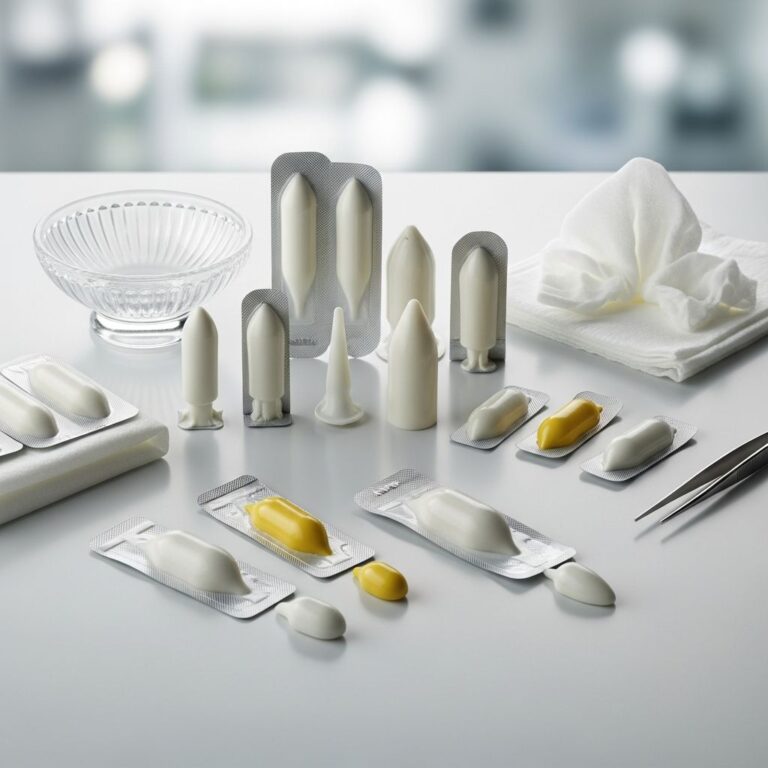
First-line topical treatment options for perioral dermatitis include:
- Metronidazole cream or gel
- Clindamycin lotion or gel
- Erythromycin gel
- Topical sulfur preparations
- Azelaic acid gel
These antimicrobial agents provide therapeutic benefit primarily through their anti-inflammatory properties rather than antimicrobial action alone. Topical calcineurin inhibitors, including tacrolimus ointment and pimecrolimus cream, represent effective alternatives, particularly for patients seeking to avoid antibiotics. Recent developments include treatment with 1.5% topical ruxolitinib cream, which has demonstrated promising results for granulomatous perioral dermatitis.
Oral Antibiotic Therapy
For moderate to severe cases or patients seeking faster resolution, oral tetracycline antibiotics prove highly effective. Doxycycline represents a commonly prescribed option in this class. Oral antibiotics address both the inflammatory cascade and potential microbial contributions to the condition, making them valuable for comprehensive management strategies.
Skincare Routine Simplification
An important aspect of perioral dermatitis management involves simplifying the skincare regimen. Many patients use multiple products, which may include additional irritants or barrier-disrupting substances. Recommendations include:
- Switching to gentle, fragrance-free cleansers
- Avoiding harsh soaps and heavily scented products
- Eliminating unnecessary skincare products temporarily
- Minimizing heavy makeup use until condition resolution
- Avoiding occlusive cosmetics
This simplification approach often provides significant symptomatic improvement as a standalone intervention or when combined with pharmacological treatments.
Prevention Strategies
Preventing perioral dermatitis or preventing recurrence following successful treatment requires comprehensive patient education and trigger avoidance strategies.
Avoiding Topical Steroid Misuse
Patients must receive clear education about the harmful impact of topical corticosteroids on facial skin, including over-the-counter products. Clinicians should emphasize that facial skin represents a particularly sensitive area and that even seemingly mild corticosteroid products can trigger perioral dermatitis with prolonged use. When corticosteroids are medically necessary, healthcare providers should specify the appropriate duration of use and face-appropriate potency levels.
Identifying and Eliminating Personal Triggers
Comprehensive patient history and exposure assessment help identify individual trigger factors. Once identified, patients should consistently avoid these triggers:
- Discontinuing fluorinated toothpaste and switching to fluoride-free alternatives
- Avoiding dental materials or adhesives if they prove problematic
- Minimizing facemask use when medically feasible
- Reviewing inhaled or nasal corticosteroid necessity with healthcare providers
- Discussing hormonal contraceptive alternatives if timing correlates with dermatitis flares
Gentle Skincare Practices
Maintaining a minimalist skincare approach represents fundamental prevention strategy:
- Use only gentle, fragrance-free products
- Avoid products with alcohol or strong fragrances
- Limit product variety and frequency of application
- Choose non-comedogenic, non-occlusive formulations
Long-Term Outlook and Prognosis
The long-term prognosis for perioral dermatitis remains favorable. Most patients experience improvement within several weeks to a couple of months, even without treatment in some cases. However, the condition can demonstrate persistence or recurrence in certain individuals, necessitating prolonged management strategies. Success depends upon accurate clinical diagnosis, consistent patient education regarding trigger avoidance, and adherence to steroid-sparing therapeutic regimens that effectively break the cycle of dependency and inflammation.
Interprofessional Management Approach
Effective perioral dermatitis management benefits from a coordinated, interprofessional approach. Dermatologists, dentists, pharmacists, and nursing professionals all play roles in patient education and trigger identification. Dental professionals may identify fluorinated toothpaste as a contributing factor and recommend alternatives. Pharmacists can educate patients about corticosteroid-containing over-the-counter products and their risks. This collaborative approach enhances patient understanding and improves treatment adherence and outcomes.
Frequently Asked Questions
Q: Is perioral dermatitis contagious?
A: No, perioral dermatitis is not contagious. It is an inflammatory skin condition triggered by various factors rather than infectious organisms, so it cannot be transmitted between individuals.
Q: Can perioral dermatitis go away on its own?
A: Yes, some patients experience improvement within a couple of months without formal treatment, particularly if triggers are spontaneously avoided. However, medical treatment typically accelerates improvement and reduces recurrence risk.
Q: How long does perioral dermatitis treatment take?
A: Most patients demonstrate significant improvement within 2-8 weeks of appropriate treatment, though individual timelines vary. Some conditions may require several months of consistent management for complete resolution.
Q: Will perioral dermatitis return after treatment?
A: Perioral dermatitis can recur, particularly if triggers are reintroduced. Continued trigger avoidance and adherence to preventive strategies significantly reduce recurrence risk. Some patients may benefit from maintenance therapy.
Q: Can I use makeup if I have perioral dermatitis?
A: During active perioral dermatitis, it is best to minimize or avoid makeup temporarily, particularly heavy or occlusive products. Once the condition improves, select gentle, non-comedogenic formulations and keep skincare routines minimal.
Q: Should I see a dermatologist for perioral dermatitis?
A: While primary care physicians can often diagnose and initiate treatment, dermatologists offer specialized expertise in managing atypical presentations or recurrent cases and can provide optimal trigger identification strategies.
References
- Perioral Dermatitis — National Center for Biotechnology Information (NCBI) Bookshelf, StatPearls. 2025. https://www.ncbi.nlm.nih.gov/books/NBK525968/
- Perioral Dermatitis: Clinical Considerations for Dental, Pharmacy, and Nursing Professionals — Saudi Journal of Medical and Pharmaceutical Sciences. 2024. https://saudijmph.com/index.php/pub/article/view/151
- Perioral Dermatitis — Yale Medicine Clinical Keywords. 2025. https://www.yalemedicine.org/clinical-keywords/perioral-dermatitis
- Dermatologist Explains Perioral Dermatitis: How to Identify, Causes, and Treatment — John Barbieri, MD, Harvard Medical School. December 9, 2023. https://www.youtube.com/watch?v=vLBxqEe0J7o
- Avoiding Common Mistakes When Using Perioral Dermatitis Medications — Harvard Catalyst, Harvard Medical School. 2025. https://exac.hms.harvard.edu/perioral-dermatitis-medication
Similar Articles








Read full bio of Sneha Tete