Perioral Dermatitis: Effective Treatment And Prevention Guide
Comprehensive guide to perioral dermatitis: causes, symptoms, diagnosis, and effective treatments for this common facial rash.
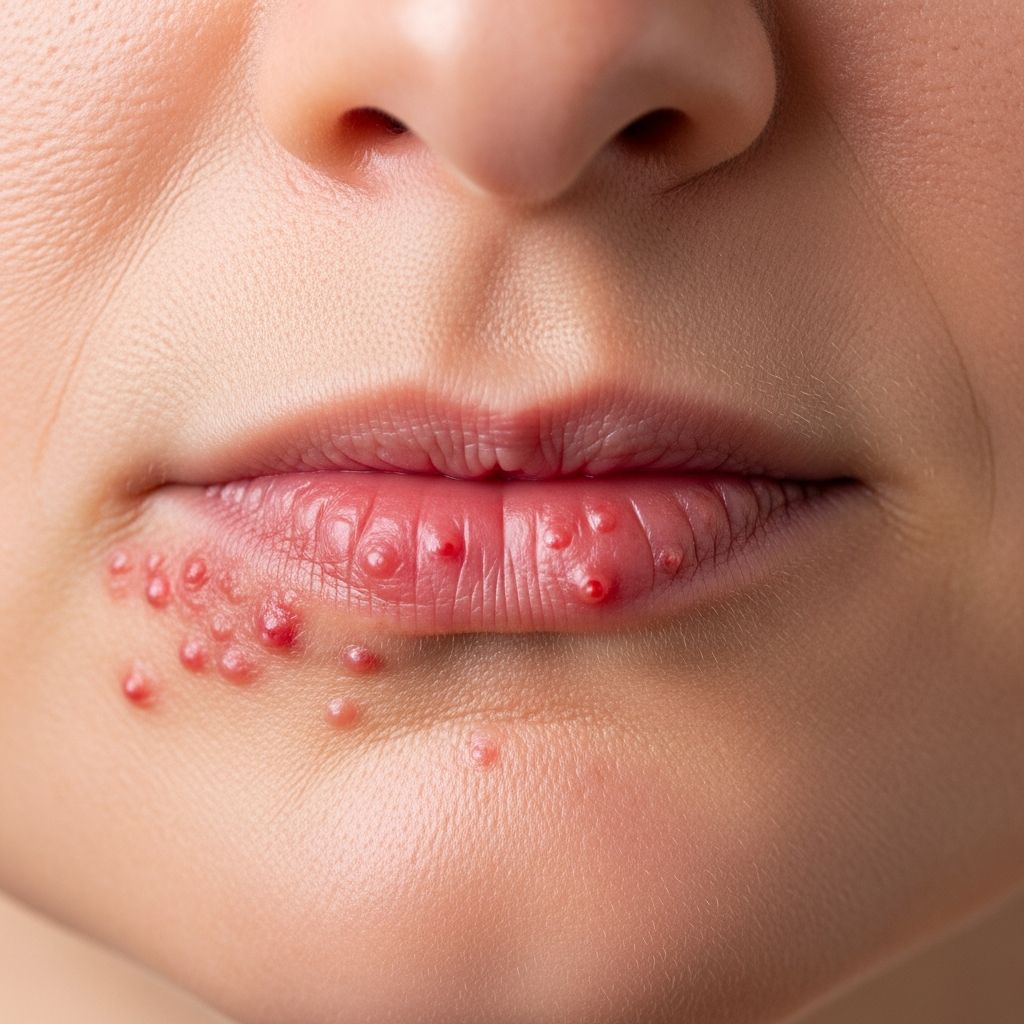
Perioral dermatitis is an inflammatory rash involving the skin around the mouth, nose, and sometimes eyes. It manifests as clusters of small red bumps, papules, pustules, or scaly patches, often sparing the immediate lip border. Primarily affecting women aged 20-45, it can also occur in children and men, though less frequently. The condition is chronic and relapsing, often triggered by topical corticosteroids, leading to dependency and rebound flares upon withdrawal.
What is perioral dermatitis?
Perioral dermatitis, also known as periorificial dermatitis, is not a true dermatitis but a distinct papulopustular facial eruption. It typically presents as erythematous papules and pustules measuring 1-2 mm in diameter, symmetrically distributed around the mouth (perioral), nose (perinasal), and occasionally eyes (periorbital) or genitals. A characteristic narrow zone of unaffected skin (1-2 mm) borders the vermilion of the lips. Symptoms include burning, itching, or tightness, but rarely pain. The rash can scale, crust, or form plaques in severe cases.
Unlike acne vulgaris or rosacea, perioral dermatitis lacks comedones (blackheads/whiteheads) and responds poorly to standard acne treatments. It primarily impacts women of childbearing age but is increasingly noted in children due to steroid cream overuse. The term ‘periorificial’ reflects its potential extension beyond the mouth area.
Who gets perioral dermatitis?
This condition predominantly affects females aged 16-45 years, with a female-to-male ratio of approximately 10:1 in adults. In children, it occurs equally in both sexes, often linked to inhaled or topical corticosteroids. Risk is higher in individuals with fair skin, those using potent fluorinated topical steroids on the face, or heavy cosmetic users. Atopic individuals or those with prior rosacea/acne history may be predisposed. Recent reports note rises during the COVID-19 pandemic from prolonged mask-wearing and steroid use.
- Adult women (most common demographic)
- Children using steroid creams or inhalers
- Individuals with sensitive, dry skin or barrier dysfunction
- Users of fluoridated toothpaste or certain cosmetics
What causes perioral dermatitis?
The precise etiology remains unknown, but topical corticosteroids are the strongest association. Even mild over-the-counter hydrocortisone can trigger it when applied long-term to the face. Withdrawal causes rebound worsening, creating dependency. Other triggers include:
- Topical steroids: Potent fluorinated types (e.g., betamethasone) on thin facial skin alter follicle microflora, promoting inflammation.
- Cosmetics/skincare: Heavy creams, foundations, sunscreens, or occlusive products clog follicles.
- Fluoridated toothpaste: Associated in some cases; switching to non-fluoride variants helps.
- Hormonal factors: Fluctuations in women of reproductive age.
- Microbial overgrowth: Fusobacteria, Candida albicans, Demodex mites, or viruses implicated but unproven.
- Other: Inhaled/nasal steroids, masks, stress, alcohol, dental materials, retinoids.
Pathogenesis involves impaired skin barrier, altered microbiome, and immune dysregulation, exacerbated by irritants.
What are the clinical features of perioral dermatitis?
The classic presentation is multiple small (1-2 mm) erythematous papules, pustules, or scaly plaques around the mouth, sparing the lip vermilion border. Scaling, dryness, and burning predominate; itching is mild. Progression: starts nasolabial folds, spreads periorally/periorbitally. Severe cases show granulomatous nodules or ocular involvement (conjunctivitis).
| Stage | Features |
|---|---|
| Mild | Few papules/pustules, mild redness around mouth |
| Moderate | Multiple bumps, scaling, burning sensation |
| Severe | Confluent plaques, granulomas, eye/genital spread |
Diagnosis
Diagnosis is clinical, based on characteristic distribution, morphology, and history of steroid use. Differential includes acne, rosacea, seborrheic dermatitis, contact dermatitis, lupus. Biopsy rarely needed but shows folliculocentric inflammation, sparse lymphocytes, granulomas in subtypes. Cultures/swabs rule out infection; Demodex testing if atypical.
Related Stories



- History: Steroid exposure, cosmetics, toothpaste
- Examination: Spared lip border key clue
- Investigations: Patch testing, biopsy if persistent
Treatment of perioral dermatitis
Treatment centers on zero-therapy (stopping triggers) plus anti-inflammatories. Abrupt steroid cessation risks rebound; taper if potent/long-term use.
First-line: Stop triggers
- Discontinue all topical steroids, cosmetics, fluoridated toothpaste
- Use gentle fragrance-free cleanser/moisturizer (e.g., Cetaphil)
Topical therapies
- Metronidazole 0.75-1% gel/cream (twice daily)
- Erythromycin 2% gel
- Clindamycin lotion
- Azelaic acid 15-20%
- Calcineurin inhibitors: Pimecrolimus 1%, tacrolimus 0.1% (steroid-sparing)
- Sulfur/sodium sulfacetamide washes
Oral antibiotics (moderate-severe)
Tetracyclines for anti-inflammatory effects; 4-12 weeks course.
| Drug | Dose | Duration |
|---|---|---|
| Tetracycline | 500mg BID | 6-12 weeks |
| Doxycycline | 40-100mg daily | 4-8 weeks |
| Minocycline | 50-100mg daily | 6-12 weeks |
Children: Erythromycin or cephalosporins. Maintenance low-dose doxycycline for relapsers.
Adjuncts
- Probiotics to restore microbiome
- Avoid irritants: alcohol, spicy foods, stress management
Improvement in 2-6 weeks; full clearance 1-3 months. Relapse common (80%), requires lifestyle changes.
Chronic perioral dermatitis
Persistent/recurrent cases despite treatment; granulomatous variant with yellow-brown nodules. Needs prolonged oral therapy, isotretinoin rarely. Address triggers rigorously.
Perioral dermatitis in children
Often from parental steroid application or inhalers. Presents similarly but milder. Treat conservatively: zero therapy + topicals; avoid systemic antibiotics if possible.
How do you prevent perioral dermatitis?
- Avoid facial steroids; use non-steroidal alternatives
- Minimalist skincare: gentle cleanser, plain moisturizer
- Non-fluoride toothpaste, limit heavy makeup
- Patch test products; sun protection without irritants
Are there other conditions that look like perioral dermatitis?
| Condition | Key Differences |
|---|---|
| Acne | Comedones present; no spared lip zone |
| Rosacea | Telangiectasia, flushing; cheeks/nose |
| Seborrheic dermatitis | Greasy scales; eyebrows, scalp |
| Contact dermatitis | Asymmetric; allergen history |
| Lupus Miliaris | Monomorphous papules; granulomatous |
Frequently Asked Questions (FAQs)
Is perioral dermatitis contagious?
No, it is not infectious or contagious.
Can perioral dermatitis be cured permanently?
It is manageable but often relapsing; trigger avoidance key to long-term control.
Why does steroid withdrawal worsen it?
Rebound inflammation from sudden microflora/inflammation dysregulation.
How long does treatment take?
2-12 weeks for improvement; full resolution months.
Can diet affect perioral dermatitis?
Some report flares from alcohol, spicy foods; evidence anecdotal.
References
- Perioral Dermatitis | Causes and symptoms — Dr. Dropin. 2023. https://www.drdropin.no/en/perioral-dermatitis
- Periorificial Dermatitis — New Bloom Dermatology PLLC. 2024. https://www.newbloomderm.com/procedures/periorificial-dermatitis/
- Perioral Dermatitis – StatPearls — NCBI Bookshelf. 2023-06-26. https://www.ncbi.nlm.nih.gov/books/NBK525968/
- Perioral Dermatitis: Treatment, Symptoms & Causes — Cleveland Clinic. 2023-11-01. https://my.clevelandclinic.org/health/diseases/21458-perioral-dermatitis
- Perioral Dermatitis – Dermatologic Disorders — Merck Manuals. 2024. https://www.merckmanuals.com/professional/dermatologic-disorders/acne-and-related-disorders/perioral-dermatitis
- What is Perioral Dermatitis? — US Dermatology Partners. 2024. https://www.usdermatologypartners.com/blog/what-is-perioral-dermatitis/
Similar Articles








Read full bio of medha deb