Periorificial Dermatitis: Causes, Treatment & Prevention Tips
Comprehensive guide to periorificial dermatitis: causes, symptoms, diagnosis, and effective treatments for this common facial rash.
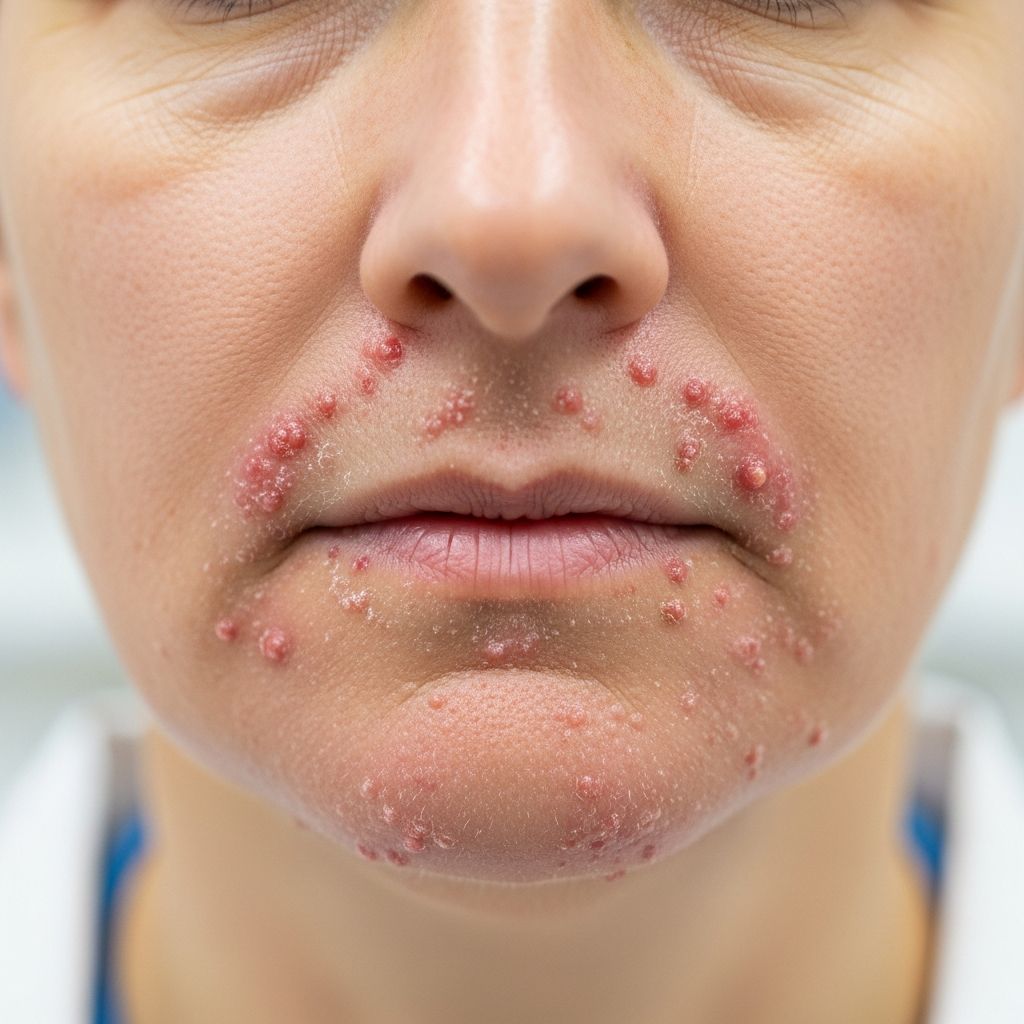
Periorificial dermatitis, also known as perioral dermatitis, is a common facial skin condition characterized by groups of small red inflamed papules, papulopustules, or pustules around body orifices such as the mouth (perioral), nose (perinasal), eyes (periocular), genitalia, or perianal area. It typically spares the skin immediately adjacent to the vermilion border of the lips. The condition affects women more frequently than men, particularly those aged 16–45 years, though it can occur in children and infants as well. Periorificial dermatitis is not contagious and does not cause scarring in most cases, but it can be persistent and recurrent without proper management.
What is periorificial dermatitis?
Periorificial dermatitis encompasses several related eruptive disorders localized to the skin around body orifices. The most common form is perioral dermatitis, which presents as clusters of small red bumps on the chin, around the mouth, and occasionally on the lower eyelids or secondary to eye drops. Other variants include perinasal dermatitis (around the nose), periocular dermatitis (around the eyes), genital dermatitis, and perianal dermatitis. These conditions share similar clinical features and triggers, often triggered by topical corticosteroids or fluorinated toothpaste. The term ‘periorificial’ reflects the peri-orifice distribution, distinguishing it from acne or rosacea, though it may mimic them.
Who gets periorificial dermatitis?
Periorificial dermatitis predominantly affects females, with a higher incidence in women of childbearing age (16–45 years). It is less common in men and can occur in infants and children. Risk factors include a history of topical corticosteroid use on the face, use of fluorinated toothpaste, and heavy application of cosmetics or skincare products. Immunosuppressed patients, such as organ transplant recipients, may develop a granulomatous variant. Atopic individuals or those with sensitive skin are also susceptible. The condition is worldwide, with no strong racial predisposition noted.
What causes periorificial dermatitis?
The exact aetiology of periorificial dermatitis remains unknown, but several factors are strongly implicated. The primary trigger is
topical corticosteroids
, especially potent fluorinated ones applied to the face, leading to a characteristic ‘steroid rebound’ upon withdrawal. Other contributors include fluorinated toothpaste, cosmetics (moisturizers, foundations, sunscreens), inhaled or nasal steroids, hormonal factors (e.g., oral contraceptives), and microbial overgrowth such as *Demodex* mites, *Candida albicans*, or fusiform bacteria. Inhaled corticosteroids and CPAP mask use have been associated in recent reports. Occupational exposures to irritants or allergens may play a role in periocular cases.- Topical steroids: Most common trigger; causes follicular occlusion and microbial imbalance.
- Fluorinated toothpaste: Sodium monofluorophosphate implicated.
- Cosmetics and skincare: Heavy emollients, preservatives, or occlusive products.
- Microbial factors: *Demodex* folliculorum, fusobacteria.
- Hormonal influences: Oestrogen fluctuations in women.
What are the clinical features of periorificial dermatitis?
Clinically, periorificial dermatitis manifests as multiple small (1–2 mm) erythematous papules, papulopustules, or pustules clustered around orifices, often with background erythema and fine scaling. Itching or burning sensations are common, though some cases are asymptomatic. The rash typically spares a narrow zone adjacent to the lips (1–2 mm). In severe cases, plaques or granulomatous nodules may form. Periocular involvement can cause eyelid swelling. The condition evolves over weeks to months, potentially becoming chronic without intervention.
Perioral dermatitis
The classic presentation involves 1–2 mm red papules and pustules on chin, nasolabial folds, and upper lip area, sparing perioral skin. Scaling and dryness may accompany.
Related Stories



Perinasal dermatitis
Rash confined to skin adjacent to nostrils, often linked to nasal steroid sprays.
Periocular dermatitis
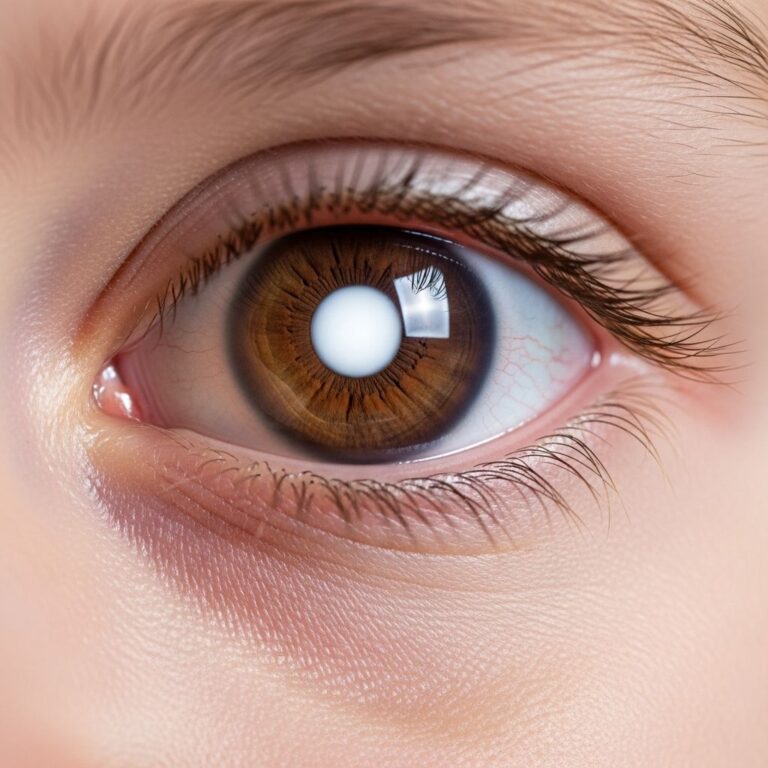
Affects lower eyelids and periocular skin, triggered by eye drops or cosmetics; may mimic allergic contact dermatitis with itching and swelling.
Granulomatous periorificial dermatitis
Rare variant with persistent yellowish-brown papules, more common in immunosuppressed patients or children; histologically shows granulomas.
Diagnosis
Diagnosis is primarily clinical, based on characteristic distribution and morphology. Key differentials include acne vulgaris, rosacea, seborrhoeic dermatitis, allergic contact dermatitis, and demodicosis. Patch testing may identify contact allergens in atypical cases. Skin biopsy is reserved for granulomatous or refractory cases, revealing sparse perivascular lymphocytic infiltrate, follicular plugging, or granulomas. Dermoscopy shows reduced hair follicles with yellow dots. swabs for microbiology can rule out infection.
| Condition | Key Differentiators |
|---|---|
| Acne | Comedones present; no periorificial sparing |
| Rosacea | Telangiectasia, flushing; central face |
| Contact dermatitis | Diffuse erythema, vesicles; allergen history |
| Seborrhoeic dermatitis | Greasy scales; nasolabial, eyebrows |
Treatment of periorificial dermatitis
Treatment focuses on trigger avoidance, particularly zero-tolerance for topical steroids on the face, followed by anti-inflammatory or antimicrobial therapies. Abrupt steroid cessation may cause rebound; taper if necessary. Duration is typically 4–8 weeks, with maintenance to prevent recurrence. Topical therapies are first-line for mild cases, systemic for moderate-severe.
Trigger avoidance / general measures
- Discontinue all face corticosteroids immediately.
- Switch to non-fluorinated toothpaste.
- Simplify skincare: gentle cleanser, no heavy cosmetics/moisturizers.
- Avoid makeup, sunscreens, and emollients around affected areas.
Topical therapy
First-line topicals include metronidazole 0.75–1% gel/cream, erythromycin 2% gel, clindamycin 1% lotion, or azelaic acid 15–20%. Calcineurin inhibitors (tacrolimus 0.03–0.1% ointment, pimecrolimus 1% cream) are steroid-sparing alternatives, rotated every 6–8 weeks if needed. Sulfur preparations or adapalene may help resistant cases. Apply thinly twice daily.
Systemic therapy
Oral tetracyclines are mainstay for moderate-severe disease: tetracycline 500 mg BD, doxycycline 100 mg daily (sub-antimicrobial doses possible), or lymecycline 408 mg daily for 4–8 weeks. Erythromycin or minocycline for children/pregnancy. Isotretinoin rarely for refractory granulomatous forms.
Periocular dermatitis
Tacrolimus or pimecrolimus preferred due to steroid risks around eyes; oral doxycycline if severe.
Prevention and prognosis
Prevention involves avoiding topical steroids on face, using minimal skincare, and non-fluorinated toothpaste. Prognosis is good with adherence; most clear in 4–8 weeks, but recurrence is common (up to 50%) if triggers persist. Chronic cases may last years; no scarring usually.
Related topics
- Acne vulgaris
- Rosacea
- Seborrhoeic dermatitis
- Contact dermatitis
- Topical corticosteroid withdrawal
Frequently asked questions
What is the cause of periorificial dermatitis?
Primarily topical corticosteroids, fluorinated toothpaste, and cosmetics; microbial factors contribute.
How long does periorificial dermatitis last?
4–8 weeks with treatment; chronic without.
Is periorificial dermatitis contagious?
No, it is not infectious.
Can children get periorificial dermatitis?
Yes, often granulomatous form.
What toothpaste for perioral dermatitis?
Non-fluorinated varieties.
References
- Perioral Dermatitis – StatPearls — NCBI Bookshelf. 2023-07-17. https://www.ncbi.nlm.nih.gov/books/NBK525968/
- Perioral dermatitis: MedlinePlus Medical Encyclopedia — MedlinePlus (NIH). 2024. https://medlineplus.gov/ency/article/001455.htm
- Perioral Dermatitis – Dermatologic Disorders — Merck Manuals (Professional). 2024-05-01. https://www.merckmanuals.com/professional/dermatologic-disorders/acne-and-related-disorders/perioral-dermatitis
- Perioral Dermatitis: Treatment, Symptoms & Causes — Cleveland Clinic. 2023-11-13. https://my.clevelandclinic.org/health/diseases/21458-perioral-dermatitis
- Periorificial dermatitis (Perioral Dermatitis) — DermNet NZ. 2024. https://dermnetnz.org/topics/periorificial-dermatitis
- Perioral Dermatitis — American Academy of Dermatology. 2023. https://www.aad.org/public/diseases/a-z/perioral-dermatitis
Similar Articles








Read full bio of medha deb