Peripheral Artery Disease: Causes, Symptoms, and Treatments
Learn about peripheral artery disease, its symptoms, risk factors, and the latest treatments available.
What Is Peripheral Artery Disease (PAD)?
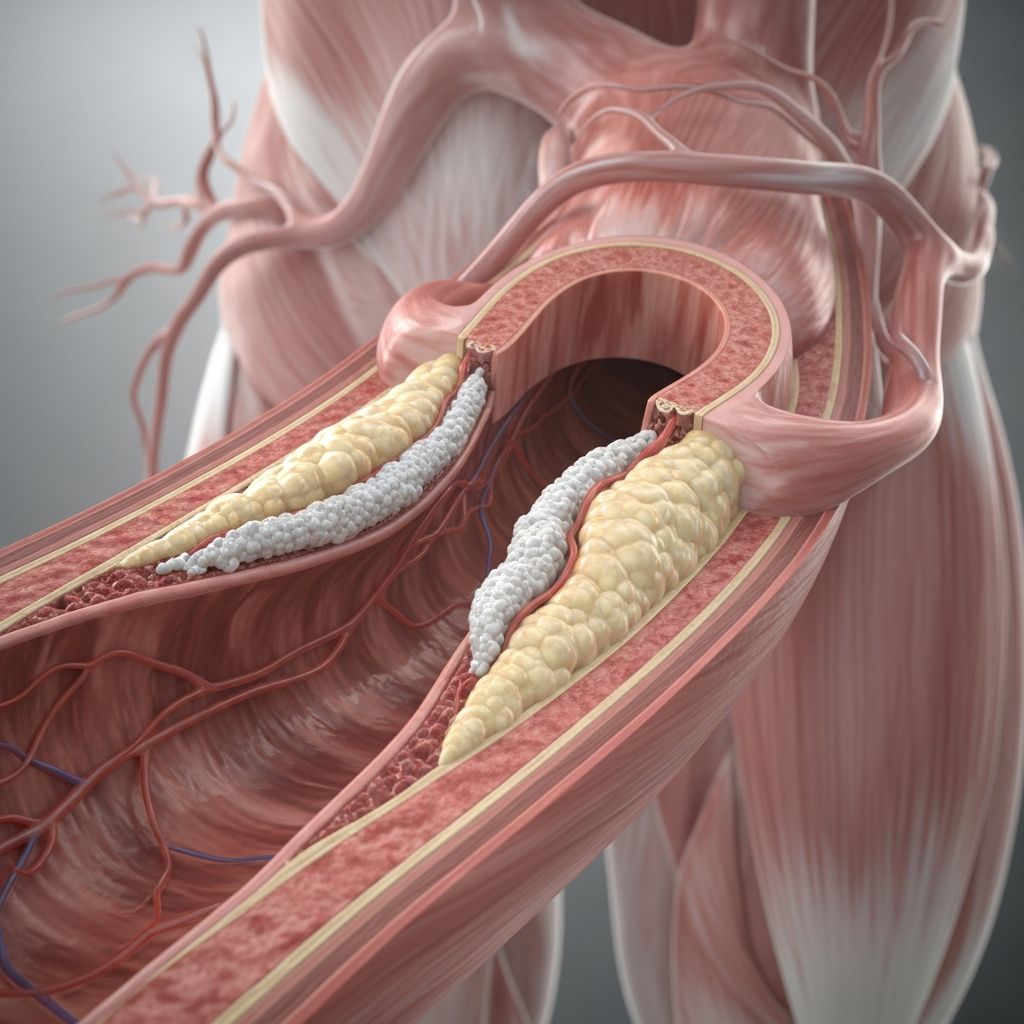
Peripheral artery disease (PAD) is a circulatory condition in which narrowed arteries reduce blood flow to the limbs, most commonly the legs. This narrowing is typically caused by atherosclerosis, the buildup of cholesterol plaque inside the arteries. When plaque accumulates, it restricts blood flow, depriving muscles and tissues of oxygen and nutrients. PAD is a serious condition that can lead to pain, disability, and, in severe cases, limb amputation if left untreated.
Causes of Peripheral Artery Disease
The primary cause of PAD is atherosclerosis, a condition in which fatty deposits (plaque) build up on the walls of the arteries. Plaque is made up of cholesterol, fat, calcium, and other substances found in the blood. Over time, this buildup narrows the arteries and reduces blood flow to the limbs. Other factors that can contribute to PAD include:
- Smoking
- Diabetes
- High blood pressure
- High cholesterol
- Obesity
- Family history of PAD or cardiovascular disease
- Age (risk increases after age 50)
Symptoms of Peripheral Artery Disease
Many people with PAD do not experience symptoms, especially in the early stages. When symptoms do occur, they often include:
- Leg pain or cramping when walking or climbing stairs (intermittent claudication)
- Pain or discomfort that improves with rest
- Numbness or weakness in the legs
- Coldness in the lower leg or foot
- Sores or wounds on the toes, feet, or legs that do not heal
- Change in color of the legs or feet
- Slower growth of toenails and hair on the legs
- Weak or absent pulse in the legs or feet
Diagnosis of Peripheral Artery Disease
Diagnosing PAD involves a combination of medical history, physical examination, and diagnostic tests. Common diagnostic methods include:
- Physical exam: Checking for weak pulses, changes in skin color, and signs of poor circulation.
- Ankle-brachial index (ABI): A non-invasive test that compares blood pressure in the ankle to blood pressure in the arm.
- Doppler ultrasound: Uses sound waves to evaluate blood flow in the arteries.
- Angiography: Involves injecting a contrast dye into the blood vessels and taking X-ray images to visualize blockages.
- CT scan or MRI: Provides detailed images of the blood vessels and surrounding tissues.
Treatment Options for Peripheral Artery Disease
Treatment for PAD aims to relieve symptoms, improve quality of life, and prevent complications such as heart attack, stroke, and amputation. Treatment options include:
- Lifestyle changes: Quitting smoking, regular exercise, and a heart-healthy diet.
- Medications: Statins to lower cholesterol, antihypertensive drugs to control blood pressure, antiplatelet drugs (like aspirin or Plavix) to prevent blood clots, and medications to manage diabetes.
- Structured exercise therapy: Supervised exercise programs designed to improve walking ability and reduce symptoms.
- Wound care: Specialized care for non-healing wounds or ulcers.
- Interventional procedures: Angioplasty, atherectomy, and stent placement to open blocked arteries.
- Surgery: Peripheral artery bypass surgery to reroute blood flow around blockages.
Related Stories



Complications of Peripheral Artery Disease
If left untreated, PAD can lead to serious complications, including:
- Critical limb ischemia (severe blockage causing pain at rest and tissue damage)
- Non-healing wounds or ulcers
- Infection
- Limb amputation
- Increased risk of heart attack and stroke
Prevention of Peripheral Artery Disease
Preventing PAD involves managing risk factors and adopting a healthy lifestyle. Key preventive measures include:
- Quitting smoking
- Regular physical activity
- Healthy diet low in saturated fats and cholesterol
- Managing diabetes, high blood pressure, and high cholesterol
- Regular medical check-ups
Frequently Asked Questions (FAQs)
Q: What is the main cause of peripheral artery disease?
A: The main cause of PAD is atherosclerosis, the buildup of cholesterol plaque in the arteries.
Q: Can PAD be cured?
A: There is no cure for PAD, but lifestyle changes and medical treatments can manage symptoms and prevent complications.
Q: What are the early signs of PAD?
A: Early signs include leg pain or cramping when walking, numbness, weakness, and coldness in the lower leg or foot.
Q: How is PAD diagnosed?
A: PAD is diagnosed through a combination of medical history, physical examination, and tests such as the ankle-brachial index, Doppler ultrasound, angiography, CT scan, or MRI.
Q: What treatments are available for PAD?
A: Treatments include lifestyle changes, medications, structured exercise therapy, wound care, interventional procedures, and surgery.
Q: Can PAD lead to amputation?
A: Yes, if left untreated, PAD can lead to critical limb ischemia and, in severe cases, amputation.
Q: How can I prevent PAD?
A: Prevent PAD by quitting smoking, exercising regularly, eating a healthy diet, managing chronic conditions, and getting regular medical check-ups.
References
- Peripheral Artery Disease (PAD) — Cleveland Clinic. 2023. https://my.clevelandclinic.org/health/diseases/17357-peripheral-artery-disease-pad
- Peripheral Artery Disease: Causes, Symptoms, and Treatments — Cleveland Clinic Abu Dhabi. 2023. https://www.clevelandclinicabudhabi.ae/en/health-hub/health-resource/diseases-and-conditions/peripheral-artery-disease
- Peripheral Vascular Disease — Cleveland Clinic Journal of Medicine. 2021. https://www.ccjm.org/content/ccjom/68/8/734.full.pdf
Similar Articles








Read full bio of Sneha Tete