Peripheral Nerve Injury: Causes, Symptoms, and Treatment
Understanding peripheral nerve injuries: comprehensive guide to causes, symptoms, diagnosis, and effective treatment options.
Understanding Peripheral Nerve Injury
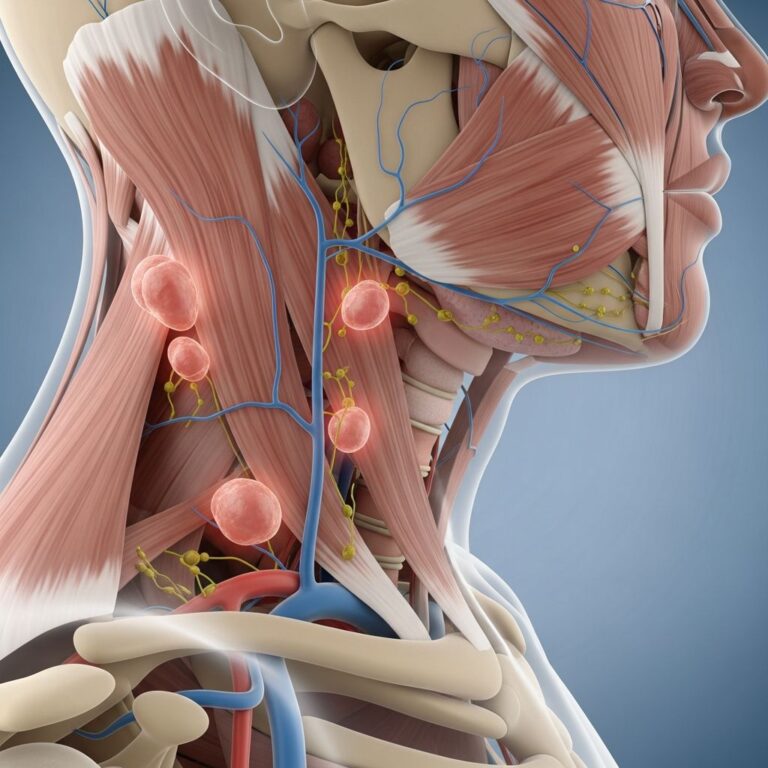
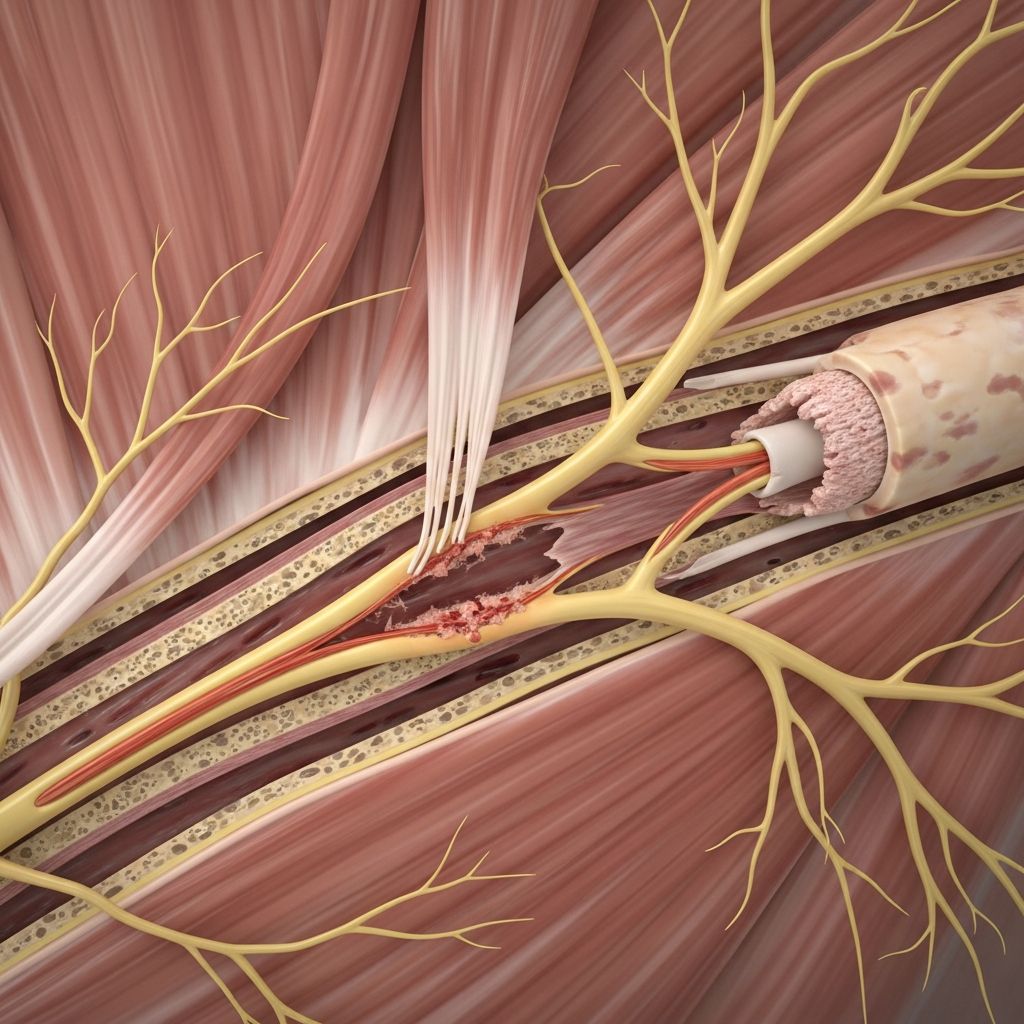
Peripheral nerve injuries occur when damage affects the nerves that extend from the spinal cord and brain to the rest of the body outside of the central nervous system. These injuries can significantly impact quality of life by disrupting normal nerve function and causing various debilitating symptoms. Understanding the nature of peripheral nerve injuries is essential for early recognition and appropriate intervention.
Peripheral nerves are responsible for transmitting signals between the brain, spinal cord, and the rest of the body. When these vital communication pathways are damaged or disrupted, the consequences can range from mild discomfort to severe disability. The impact of a peripheral nerve injury depends on several factors, including the location of the injury, the extent of the damage, and the type of nerve fibers affected.
Types of Peripheral Nerves and Their Functions
To better understand peripheral nerve injuries, it is important to recognize that there are three main categories of peripheral nerves, each with distinct functions and associated symptoms when damaged.
Motor Nerves
Motor nerves regulate all muscles under your conscious control, including those used for walking, talking, and holding objects. Damage to motor nerves results in specific complications that affect movement and muscle function. When these nerves are injured, symptoms typically include muscle weakness, painful cramps, and muscle twitching. The severity of motor dysfunction depends on the extent of nerve damage and which motor nerves are affected.
Sensory Nerves
Sensory nerves relay crucial information about touch, temperature, and pain to the brain. Injuries to sensory nerves create a distinctive set of symptoms that can significantly impact daily functioning. Common symptoms include numbness or tingling in the hands or feet, difficulty walking and maintaining balance with eyes closed, trouble fastening buttons, and an inability to sense pain or temperature changes. Sensory nerve injuries can also produce pain as the nerve attempts to heal.
Autonomic Nerves
Autonomic nerves regulate involuntary functions that occur without conscious control, such as breathing, heart function, thyroid function, and digestion. Damage to these nerves produces symptoms related to these critical bodily processes, including excessive sweating, changes in blood pressure, inability to tolerate heat, and various gastrointestinal symptoms. Autonomic nerve injuries can have serious health implications if left untreated.
Common Causes of Peripheral Nerve Injury
Peripheral nerves can be damaged in several distinct ways, and understanding these causes can help with prevention and early intervention.
Traumatic Injuries
Accidents, falls, and sports injuries are common causes of peripheral nerve damage. These traumatic events can stretch, compress, crush, or even cut nerves, leading to immediate or progressive nerve dysfunction. The severity of injury depends on the force applied and the specific location of the trauma.
Medical Conditions
Several medical conditions can damage peripheral nerves over time, including diabetes, Guillain-Barré syndrome, and carpal tunnel syndrome. These conditions create an environment where nerves are susceptible to damage through various mechanisms, such as inflammation, compression, or metabolic dysfunction.
Related Stories



Autoimmune Diseases
Autoimmune conditions including lupus, rheumatoid arthritis, and Sjögren syndrome can damage nerves as the immune system attacks nerve tissues. These diseases create chronic inflammatory conditions that progressively affect nerve function.
Other Contributing Factors
Additional causes of peripheral nerve injury include narrowing of arteries (which reduces blood flow to nerves), hormonal imbalances, and tumors that may compress or damage nerves. Repetitive motion, overuse, and chronic inflammation can also contribute to nerve damage over time.
Recognizing Symptoms and When to Seek Care
Recognizing the symptoms of peripheral nerve injury is crucial for timely treatment and better outcomes. If you experience weakness, tingling, numbness, or total loss of feeling, it is important to consult a healthcare professional to determine the underlying cause. Early intervention is essential for preventing further nerve damage and improving recovery prospects.
Symptoms can vary significantly depending on which nerves are affected and the severity of the injury. Many peripheral nerve injuries affect multiple types of nerve fibers simultaneously, resulting in a combination of symptoms that may include motor weakness, sensory changes, and autonomic dysfunction. The symptoms may develop suddenly following a traumatic injury or progress gradually over time with chronic conditions.
The Most Common Peripheral Nerve Injuries
Understanding the most prevalent peripheral nerve injuries can help you recognize your own potential risk factors and symptoms.
Carpal Tunnel Syndrome
Carpal tunnel syndrome is the most common peripheral nerve injury, affecting the median nerve in the wrist. This condition occurs when the median nerve, which runs from the forearm into the hand, becomes compressed or pinched as it passes through a narrow passageway called the carpal tunnel. Symptoms include numbness, tingling, and pain in the hand and wrist, which may radiate up the arm. This condition is particularly common among individuals who perform repetitive wrist movements.
Other Common Nerve Injuries
Several other peripheral nerve injuries occur frequently and deserve recognition.
- Ulnar nerve compression or injury: Causes numbness and tingling in the ring and little fingers
- Radial nerve compression or injury: Results in weakness or numbness in the wrist, hand, or fingers
- Sciatic nerve compression or injury: Produces pain, numbness, or weakness in the lower back, buttocks, legs, or feet
- Common peroneal nerve compression or injury: Causes weakness or numbness in the lower leg, ankle, or foot
Diagnosis of Peripheral Nerve Injuries
Healthcare professionals employ several diagnostic methods to identify and assess peripheral nerve injuries. A thorough history and physical examination are typically the first steps, during which your doctor will ask about your symptoms, their duration, and any recent injuries or underlying medical conditions. Your healthcare provider will perform specific tests to evaluate muscle strength, sensation, and reflexes.
Specialized testing may include electromyography (EMG) and nerve conduction studies, which measure the electrical activity of muscles and nerves to identify the location and severity of nerve damage. Imaging studies such as ultrasound or MRI may be ordered to visualize the nerves and identify compression points or structural abnormalities.
Treatment Options for Peripheral Nerve Injuries
Treatment approaches for peripheral nerve injuries vary depending on the severity of the injury, its location, and the underlying cause. A comprehensive treatment plan often combines multiple therapeutic approaches to optimize recovery and symptom management.
Medication
Various medications can help manage pain and other symptoms associated with peripheral nerve injuries. Depending on the type and severity of your nerve injury, you may need over-the-counter pain relievers such as aspirin or ibuprofen to address pain and inflammation. For more severe nerve pain, neuropathic pain agents—prescription medications specifically designed to treat nerve pain—are more effective than standard painkillers. Medications used to treat depression, seizures, or insomnia may also be prescribed because they are effective at relieving nerve pain. Some individuals benefit from corticosteroid injections, which provide targeted pain relief and reduce inflammation around the affected nerve.
Physical Therapy
Physical therapy is a cornerstone of peripheral nerve injury rehabilitation, offering multiple benefits for recovery and functional restoration. Physical therapists design specific exercises to help rebuild muscle strength, coordination, and flexibility in affected areas. Therapy involves targeted movements and exercises to keep affected muscles and joints active, which prevents stiffness and helps restore function and sensation. Physical therapy also helps address muscle weakness and may include walking aids or other assistive devices as needed. In many cases, the peripheral nervous system can adapt to bypass the injured nerve or may heal to some degree with appropriate therapeutic intervention.
Restoring Function Through Supportive Devices
Several devices can help restore function to muscles affected by peripheral nerve injuries while the nerve heals.
- Braces or splints: These devices keep the affected limb, fingers, hand, or foot in the proper position to improve muscle function
- Electrical stimulators: These devices can activate muscles served by an injured nerve while the nerve regrows, though effectiveness varies by individual and injury type
Exercise and Activity
Regular exercise plays an important role in recovery from peripheral nerve injuries. Exercise helps improve muscle strength, maintain range of motion, and reduce muscle cramps that often accompany nerve injuries. Working with healthcare providers to develop an appropriate exercise program ensures that activities support recovery without causing additional harm.
Surgical Interventions
For more severe peripheral nerve injuries, surgery may be required to restore nerve function. Surgical options include nerve repair, in which the damaged nerve is surgically reconnected; nerve grafting, where a section of nerve from another part of the body is used to bridge a gap in the injured nerve; and nerve transfer, which redirects an unaffected nerve to restore function to a paralyzed muscle. The choice of surgical approach depends on the nature and location of the injury, as well as the patient’s overall health status.
Electrical Stimulation Therapy
Electrical stimulation can be used to help nerves regenerate and improve muscle function in peripheral nerve injuries. Transcutaneous electrical nerve stimulation (TENS) uses electrical impulses to stimulate nerves and is one approach to electrical stimulation therapy. This non-invasive treatment can complement other therapeutic approaches and may be particularly helpful during the early stages of nerve recovery.
Recovery and Nerve Regeneration
Understanding how nerves recover from injury can help set realistic expectations for treatment outcomes. In injuries affecting more than 90% of the axon population within a nerve, axonal regeneration becomes the primary means for recovery. To achieve full recovery, the nerve must successfully complete three main biological processes: Wallerian degeneration (the clearing of damaged nerve debris), axonal regeneration (the regrowth of nerve fibers), and end-organ reinnervation (the reconnection of regenerated nerve fibers to target muscles and sensory organs). Failure of any of these processes can contribute to poor functional outcomes commonly observed in patients with peripheral nerve injuries.
Individualized Treatment Planning
Any specific treatment for peripheral nerve injury must be tailored to your individual medical needs, the specific nerves affected, the extent of the injury, and underlying health conditions. Your medical team will help you weigh your options and make informed decisions about how to proceed with your peripheral nerve injury treatment. Collaborative planning between patients and healthcare providers ensures that treatment aligns with personal goals and circumstances.
Frequently Asked Questions
What is the difference between a peripheral nerve injury and peripheral neuropathy?
While the terms are sometimes used interchangeably, peripheral nerve injury typically refers to acute damage from trauma, compression, or disease to one or more specific nerves, while peripheral neuropathy generally refers to dysfunction of peripheral nerves, which may be caused by various underlying conditions like diabetes or autoimmune diseases. Both can cause similar symptoms but may have different causes and treatment approaches.
How long does it take for peripheral nerves to heal?
Nerve healing is a gradual process that varies depending on the severity of the injury, the type of nerve affected, and individual factors. Simple compression injuries (neurapraxia) may resolve in weeks to months, while more severe injuries involving axonal damage may require months to years for complete recovery, as nerves regenerate at approximately 1 millimeter per day.
Can peripheral nerve injuries be prevented?
While not all peripheral nerve injuries can be prevented, you can reduce your risk by avoiding repetitive strain injuries through proper ergonomics, using appropriate protective equipment during sports and recreation, managing chronic conditions like diabetes effectively, and seeking prompt treatment for signs of nerve compression or injury.
Is surgery always necessary for peripheral nerve injuries?
No, surgery is not always necessary. Many peripheral nerve injuries can be effectively managed with conservative treatment including medication, physical therapy, and supportive devices. Surgery is typically reserved for severe injuries, complete nerve transection, or when conservative measures have not provided adequate recovery after a reasonable period.
What should I do if I suspect a peripheral nerve injury?
If you experience persistent weakness, numbness, tingling, or loss of sensation, contact your healthcare provider for evaluation. Early diagnosis and treatment can improve outcomes and prevent further nerve damage. Provide your healthcare provider with detailed information about when symptoms began, what makes them better or worse, and any recent injuries or underlying health conditions.
References
- Peripheral Nerve Injury Overview — Barrow Neurological Institute. Accessed December 2025. https://www.barrowneuro.org/condition/peripheral-nerve-injury/
- Peripheral Nerve Injuries: Diagnosis and Treatment — Mayo Clinic. Accessed December 2025. https://www.mayoclinic.org/diseases-conditions/peripheral-nerve-injuries/diagnosis-treatment/drc-20355632
- Peripheral Nerve Injuries: Symptoms and Causes — Mayo Clinic. Accessed December 2025. https://www.mayoclinic.org/diseases-conditions/peripheral-nerve-injuries/symptoms-causes/syc-20355631
- Peripheral Nerve Injuries — UM Health-Sparrow. Accessed December 2025. https://www.uofmhealthsparrow.org/departments-conditions/conditions/peripheral-nerve-injuries
- Peripheral Nerve Trauma: Mechanisms of Injury and Recovery — National Center for Biotechnology Information. 2014. https://pmc.ncbi.nlm.nih.gov/articles/PMC4408553/
- Peripheral Neuropathy — NHS. Accessed December 2025. https://www.nhs.uk/conditions/peripheral-neuropathy/
Similar Articles








Read full bio of Sneha Tete