Peripheral Neuropathy: Causes, Symptoms & Treatment
Complete guide to understanding peripheral neuropathy, its causes, symptoms, diagnosis and effective treatment options.
Understanding Peripheral Neuropathy
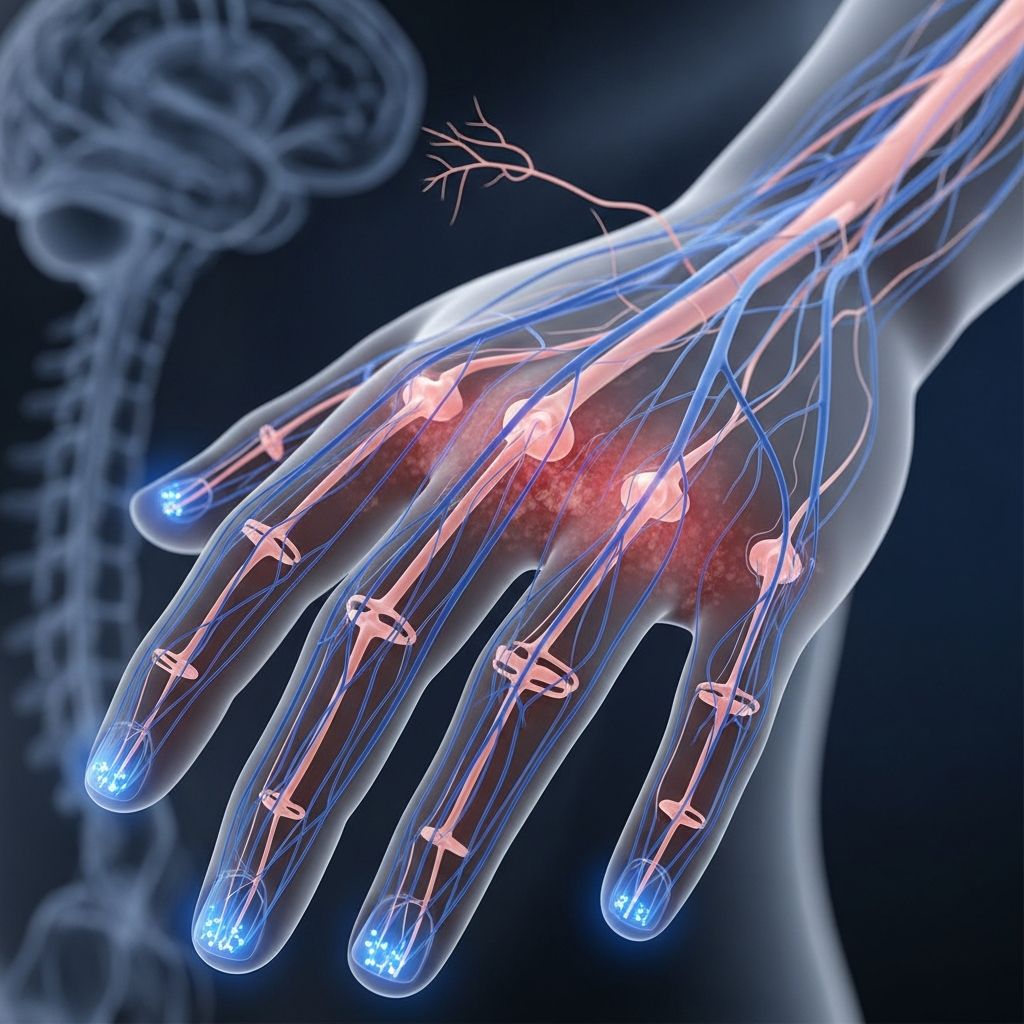
Peripheral neuropathy is a medical condition that affects the nerves outside your brain and spinal cord. These peripheral nerves are responsible for transmitting signals between your brain, spinal cord, and the rest of your body. When these nerves become damaged or dysfunctional, it disrupts normal communication and can lead to a range of symptoms affecting your ability to move, feel sensations, and control bodily functions.
The peripheral nervous system includes thousands of nerves that branch throughout your body, reaching your arms, hands, legs, feet, and internal organs. Damage to these nerves can occur due to various causes and may affect one nerve (mononeuropathy), multiple nerves in one area (multiplex mononeuropathy), or multiple nerves throughout the body (polyneuropathy).
Common Causes of Peripheral Neuropathy
Peripheral neuropathy can develop from numerous underlying conditions and factors. Understanding the root cause is essential for determining the most appropriate treatment approach. The causes include:
- Diabetes: One of the most common causes, particularly diabetic peripheral neuropathy, which results from prolonged high blood sugar levels damaging nerve fibers.
- Infections: Viral or bacterial infections such as HIV, Lyme disease, and hepatitis C can cause nerve damage.
- Traumatic injuries: Accidents, falls, or surgical complications can directly damage peripheral nerves.
- Repetitive stress: Prolonged pressure on nerves from repetitive activities can lead to entrapment neuropathies like carpal tunnel syndrome.
- Toxin exposure: Chemicals, heavy metals, and certain medications can damage nerve tissue.
- Nutritional deficiencies: Insufficient vitamin B12, B1, and other essential nutrients impair nerve function.
- Autoimmune diseases: Conditions like rheumatoid arthritis and lupus can trigger peripheral neuropathy.
- Bone marrow disorders: Conditions such as multiple myeloma and lymphoma may cause neuropathy.
- Inherited conditions: Genetic disorders can predispose individuals to developing peripheral neuropathy.
- Kidney and liver disease: These conditions affect the body’s ability to filter waste and regulate electrolytes, leading to nerve damage.
Recognizing Symptoms of Peripheral Neuropathy
The symptoms of peripheral neuropathy vary depending on which nerves are affected and the severity of the damage. Symptoms typically develop gradually and may progress over time. The primary symptom categories include:
Motor Symptoms
Motor nerves control voluntary muscle movements. When damaged, they cause weakness, difficulty with coordination, and reduced muscle control. You may experience muscle weakness in your legs or arms, difficulty with fine motor tasks, or muscle atrophy over time. Some people develop a noticeable foot drop or difficulty walking.
Sensory Symptoms
Sensory nerves transmit information about touch, temperature, and pain. Damage to these nerves results in unusual sensations such as tingling, numbness, or “pins and needles” sensations (paresthesia), typically starting in the toes or fingers. These sensations often spread proximally up the limbs. Some individuals experience burning sensations, particularly in the feet, or heightened sensitivity to touch (allodynia).
Autonomic Symptoms
Autonomic nerves control involuntary body functions. Damage may cause dizziness or lightheadedness, abnormal sweating patterns, problems with digestion, bladder or bowel dysfunction, or irregular heart rhythm. These symptoms can significantly impact daily quality of life.
Diagnostic Approaches for Peripheral Neuropathy
Accurate diagnosis is crucial for developing an effective treatment plan. Healthcare providers use multiple diagnostic methods to confirm peripheral neuropathy and identify its underlying cause.
Medical History and Physical Examination
The diagnostic process begins with your healthcare provider asking detailed questions about your symptoms, when they started, how they’ve progressed, your medical history, current medications, and any exposure to toxins or traumatic injuries. A comprehensive physical examination follows, where your doctor assesses muscle strength, reflexes, and your ability to feel sensations in different areas of your body.
Related Stories



Diagnostic Testing
Several specialized tests help confirm peripheral neuropathy and determine its type and severity:
- Electromyography (EMG): Measures electrical activity in muscles to assess nerve function and identify muscle damage patterns.
- Nerve conduction studies: Tests how quickly electrical impulses travel along nerves, revealing slowing or blocking of signals.
- Skin biopsy: A small skin sample is examined to evaluate small fiber nerve endings, particularly useful for diagnosing small fiber neuropathy.
- Blood tests: Screen for underlying causes such as diabetes, vitamin deficiencies, infections, and autoimmune conditions.
- Imaging studies: MRI or ultrasound may visualize nerve compression or structural abnormalities.
- Quantitative sensory testing (QST): Measures how your nervous system responds to varying degrees of temperature and vibration.
- Autonomic testing: Evaluates the function of nerves controlling involuntary body functions.
Treatment Options for Peripheral Neuropathy
Treatment for peripheral neuropathy is highly individualized and depends on the underlying cause, the nerves affected, symptom severity, and your personal preferences. There is no one-size-fits-all treatment approach, as different causes require different therapeutic strategies.
Treating the Underlying Cause
When peripheral neuropathy results from a treatable condition, addressing the root cause is the primary treatment approach. For example, if diabetes is causing neuropathy, strict blood sugar control may slow or prevent progression. If nutritional deficiency is responsible, supplementation can restore nerve function. Treating infections, adjusting medications that cause nerve damage, or removing toxic exposures can all contribute to symptom improvement.
Symptom Management
For many cases of peripheral neuropathy, treating and minimizing symptoms provides the best approach, especially when the underlying cause cannot be directly addressed. Symptom management strategies include:
- Pain medications: Over-the-counter pain relievers or prescription medications targeting neuropathic pain, such as gabapentin or pregabalin.
- Topical treatments: Creams, gels, or patches containing lidocaine or capsaicin applied directly to affected skin.
- Physical therapy: Exercises and rehabilitation improve balance, strength, and mobility while reducing fall risk.
- Occupational therapy: Adaptive strategies and assistive devices help maintain independence in daily activities.
- Orthotics and supportive devices: Braces, splints, or specialized footwear provide support and reduce pain.
- Nutritional support: Dietary counseling ensures adequate nutrient intake to support nerve health.
- Psychological support: Counseling addresses the emotional impact of chronic symptoms and improves coping strategies.
Surgical Interventions
When peripheral neuropathy results from nerve compression or injury, surgical options may be considered. Specialists in peripheral nerve neurosurgery evaluate whether surgery could restore function and improve outcomes. Timing is critical—patients should seek evaluation within three months of acute nerve injury for optimal results. Surgical approaches may include nerve decompression, nerve grafting, or nerve transfers to restore function before muscle atrophy occurs.
Prognosis and Long-Term Outlook
The prognosis for peripheral neuropathy varies significantly based on multiple factors. Some cases are temporary and resolve with appropriate treatment, while others may be chronic and require ongoing management. Your individual outlook depends on:
- The underlying cause of neuropathy
- The extent of nerve damage
- Which nerves are affected
- Your age and overall health
- How quickly you receive treatment
- Your response to therapeutic interventions
- Your adherence to treatment recommendations
With appropriate treatment, many people experience significant improvement or symptom resolution. Some treatments can greatly reduce or even eliminate symptoms, though results vary considerably from person to person. Your healthcare provider is the best source for understanding your specific prognosis and what you can realistically expect.
Comprehensive Neuropathy Care at Specialized Centers
Healthcare facilities specializing in neuromuscular disorders provide comprehensive, multidisciplinary approaches to peripheral neuropathy diagnosis and treatment. These centers typically offer coordinated care involving neurology specialists, physical and occupational therapists, nutritionists, social workers, and psychologists. This team-based approach ensures that all aspects of your condition are addressed—from the underlying cause to pain management, functional restoration, and psychological well-being.
Frequently Asked Questions
Q: Can peripheral neuropathy be cured?
A: The answer depends on the underlying cause. Some causes of peripheral neuropathy are directly treatable and may be reversible, particularly those caused by nutritional deficiencies or infections. However, nerve damage from other causes like diabetes or certain infections may be permanent. In these cases, treatment focuses on managing symptoms and preventing progression.
Q: How long does it take to recover from peripheral neuropathy?
A: Recovery time varies significantly based on the severity of nerve damage, the underlying cause, and how quickly treatment is initiated. Some people experience improvement within weeks or months, while others may require years of ongoing management. Your healthcare provider can provide a more specific timeline based on your individual situation.
Q: What should I do if I suspect I have peripheral neuropathy?
A: Contact your primary care physician or a neurologist if you experience persistent numbness, tingling, weakness, or unexplained pain in your extremities. Early diagnosis and treatment can prevent complications and improve outcomes. If symptoms develop suddenly or are severe, seek immediate medical attention.
Q: Can lifestyle changes help manage peripheral neuropathy?
A: Yes, several lifestyle modifications can help manage symptoms and slow progression. These include maintaining healthy blood sugar levels if diabetic, avoiding alcohol and toxin exposure, eating a nutritious diet rich in B vitamins, exercising regularly within your capabilities, protecting affected areas from injury, and managing stress. Your healthcare team can recommend specific lifestyle changes appropriate for your condition.
Q: How does diabetes cause peripheral neuropathy?
A: Prolonged high blood sugar levels damage the protective coating around nerves (myelin) and the nerve fibers themselves. Additionally, high blood sugar impairs blood flow to nerves, reducing their oxygen and nutrient supply. This combination of factors leads to gradual nerve deterioration and dysfunction.
Q: Are there different types of peripheral neuropathy?
A: Yes, peripheral neuropathy is classified based on how many nerves are affected (mononeuropathy affects single nerves; polyneuropathy affects multiple nerves), which types of nerves are damaged (motor, sensory, or autonomic), and which body areas are involved. Small fiber neuropathy specifically affects the small sensory nerve fibers.
References
- Neuromuscular Center — Cleveland Clinic. 2024. https://my.clevelandclinic.org/departments/neurological/depts/neuromuscular
- Peripheral Nerve Neurosurgery Program — Cleveland Clinic. 2024. https://my.clevelandclinic.org/departments/neurological/depts/spine/peripheral-nerve-neurosurgery
- Peripheral Neuropathy: What It Is, Symptoms & Treatment — Cleveland Clinic. 2024. https://my.clevelandclinic.org/health/diseases/14737-peripheral-neuropathy
- Neuropathy Treatment Services — Cleveland Clinic. 2024. https://my.clevelandclinic.org/services/neuropathy-treatment
- Peripheral Neuropathy — Cleveland Clinic Abu Dhabi. 2024. https://www.clevelandclinicabudhabi.ae/en/health-hub/health-resource/diseases-and-conditions/peripheral-neuropathy
- Office Approach to Small Fiber Neuropathy — Cleveland Clinic Journal of Medicine, Vol. 85, No. 10. 2018. https://www.ccjm.org/content/85/10/801
- Neuropathic Pain (Nerve Pain): What It Is, Causes & Symptoms — Cleveland Clinic. 2024. https://my.clevelandclinic.org/health/diseases/15833-neuropathic-pain
Similar Articles








Read full bio of Sneha Tete