Peripheral Neuropathy Symptoms: 3 Key Types & Warning Signs
Recognize the early warning signs of peripheral neuropathy, from tingling and numbness to severe pain and weakness.
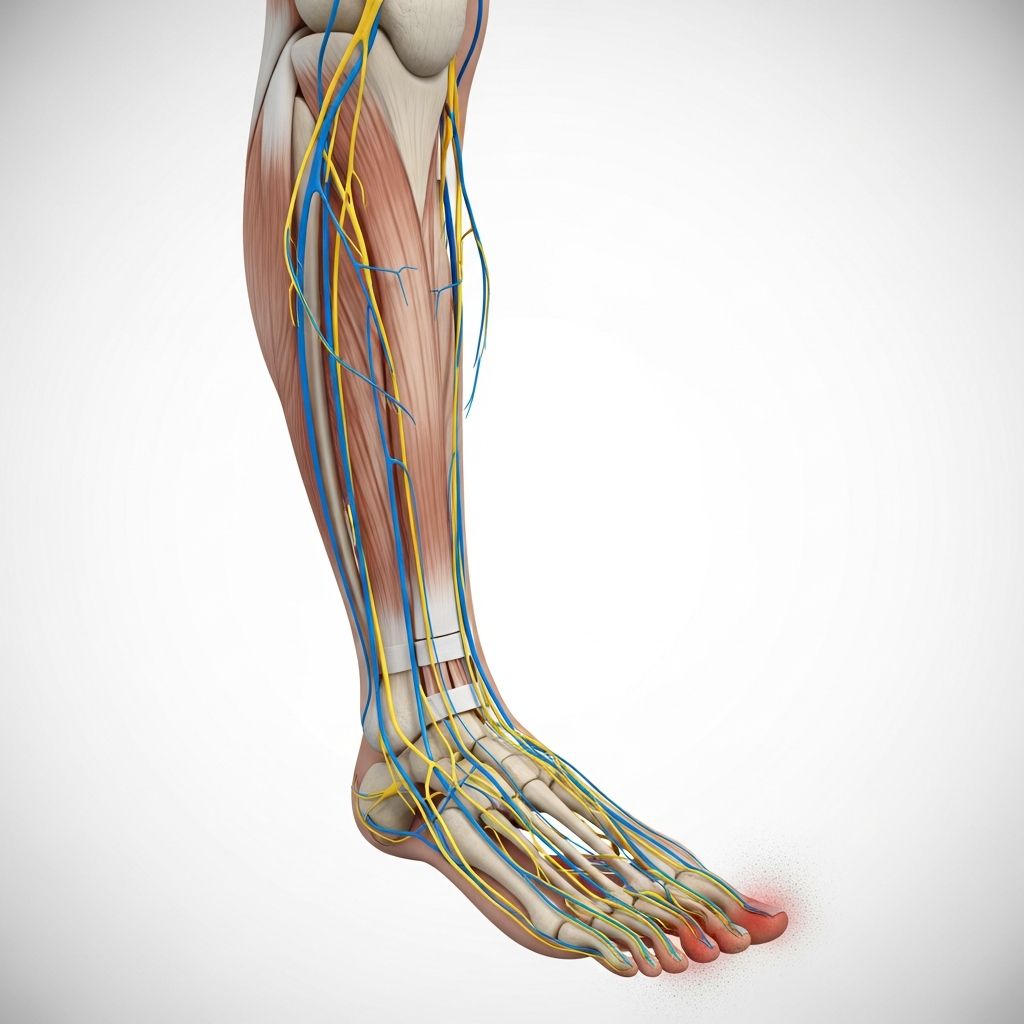
Peripheral neuropathy refers to damage to the nerves outside the brain and spinal cord, leading to a range of symptoms from mild tingling to severe pain and weakness. This condition affects millions, often starting in the feet and hands, and can significantly impact daily life if not addressed.
What Is Peripheral Neuropathy?
The peripheral nervous system connects the central nervous system (brain and spinal cord) to the rest of the body, transmitting sensory, motor, and autonomic signals. When these peripheral nerves are damaged, it results in peripheral neuropathy, which can manifest as weakness, numbness, pain—typically in the hands and feet—and disruptions in bodily functions like digestion or blood pressure regulation.
Nerves are categorized into sensory nerves (handling touch, temperature, pain), motor nerves (controlling muscles), and autonomic nerves (regulating heart rate, sweating, digestion). Symptoms vary based on which nerves are affected, with polyneuropathy—the most common form—involving multiple nerves, often symmetrically in a ‘stocking-glove’ distribution.
Symptoms of Peripheral Neuropathy
Symptoms often develop gradually and may worsen over time. Early signs typically appear in the extremities and can spread upward.
Sensory Symptoms
- Numbness or reduced ability to feel pain or temperature changes: Particularly in the feet and hands, leading to unnoticed injuries.
- Tingling, prickling, or ‘pins-and-needles’ sensations: Often described as crawling or electric shocks, starting in toes or fingers.
- Sharp, jabbing, throbbing, or burning pain: Can be constant or intermittent, worse at night.
- Extreme sensitivity to touch (allodynia): Even light contact, like bedsheets, causes pain.
- Sensation of wearing gloves or socks: Despite bare skin.
Motor Symptoms
- Muscle weakness: Making it hard to grip objects or walk steadily.
- Muscle cramps, twitching (fasciculations), or atrophy: Leading to foot drop or difficulty climbing stairs.
- Lack of coordination and frequent falls: Due to impaired balance and proprioception (sense of body position).
Autonomic Symptoms
- Heat intolerance or excessive sweating (or lack thereof): Affecting temperature regulation.
- Orthostatic hypotension: Dizziness or lightheadedness when standing up.
- Digestive issues: Such as constipation, diarrhea, or gastroparesis.
- Bladder or bowel dysfunction: Including incontinence or retention.
One-third of patients experience neuropathic pain, which may include stabbing sensations, hyperalgesia (increased pain response), or hyperesthesia (heightened sensitivity).
Types of Peripheral Neuropathy
Peripheral neuropathy is classified by the number of nerves affected and the pattern of involvement.
| Type | Description | Common Symptoms |
|---|---|---|
| Mononeuropathy | Affects a single nerve (e.g., carpal tunnel syndrome). | Localized weakness or sensory loss. |
| Multiple Mononeuropathy | Affects two or more nerves in separate areas. | Asymmetric symptoms in specific regions. |
| Polyneuropathy | Affects multiple nerves, often symmetrically; most common type. | Stocking-glove distribution; sensory loss first in feet. |
| Acute Polyneuropathy | Sudden onset, progressing rapidly from legs to arms. | Rapid weakness and sensory changes. |
| Chronic Polyneuropathy | Slowly progressive; sensation affected first. | Gradual numbness, pain. |
Special subtypes include:
- Small Fiber Neuropathy: Damages small skin nerve fibers, causing burning, stabbing, itching, or tingling without muscle weakness.
- Large Fiber Axonal Neuropathy: Affects large fibers for motion and position sense, leading to gait instability, numbness, cramps.
- Chronic Inflammatory Demyelinating Polyneuropathy (CIDP): Autoimmune attack on myelin sheath, causing limb weakness or balance issues.
Related Stories



Causes of Peripheral Neuropathy
Over 200 causes exist, with diabetes being the leading one, affecting up to 50% of patients with long-term disease. Other common causes include:
- Metabolic/Diabetes: High blood sugar damages nerves.
- Alcoholism and nutritional deficiencies: Especially B vitamins.
- Autoimmune diseases: Like Guillain-Barré or CIDP.
- Infections and toxins: Viruses, chemotherapy, heavy metals.
- Trauma or compression: Injuries, repetitive stress.
- Idiopathic: No identifiable cause in 30% of cases.
Prevalence is about 2.4% overall, rising to 8% in those over 65.
Complications of Peripheral Neuropathy
Untreated neuropathy can lead to serious issues:
- Injuries and infections: Numb areas prone to burns, ulcers (especially in diabetics); check feet daily.
- Falls and fractures: From weakness and poor balance.
- Chronic pain and reduced quality of life: Depression, mobility loss.
- Autonomic failures: Cardiac arrhythmias, gastrointestinal complications.
Diagnosis of Peripheral Neuropathy
Diagnosis starts with a thorough history and neurological exam, focusing on symptom pattern and ‘stocking-glove’ distribution. Tests include:
- Blood tests: For diabetes, vitamin levels, autoimmune markers.
- Nerve conduction studies/EMG: Measure signal speed and muscle response.
- Skin or nerve biopsy: For small fiber confirmation.
- Imaging (MRI/CT): Rule out structural causes.
Treatment and Management
Treatment targets the underlying cause and symptom relief. No cure for all cases, but progression can be halted.
Addressing Underlying Causes
- Control blood sugar in diabetes.
- Vitamin supplementation for deficiencies.
- Immunotherapy for autoimmune types (e.g., IVIG for CIDP).
Pain and Symptom Management
- Medications: Anticonvulsants (gabapentin), antidepressants (duloxetine), topical capsaicin.
- Physical therapy: To improve strength, balance.
- TENS units or nerve stimulators: Block pain signals.
- Lifestyle: Exercise, foot care, quitting alcohol/smoking.
Surgery for compressive neuropathies; plasma exchange for acute cases. Early intervention prevents worsening.
Frequently Asked Questions (FAQs)
What are the first signs of peripheral neuropathy?
The earliest symptoms are often gradual numbness, tingling, or prickling in the feet or hands, which may spread upward.
Is peripheral neuropathy reversible?
It depends on the cause; some cases (e.g., vitamin deficiency) are fully reversible, while others like diabetic neuropathy can be managed but not cured.
Can diabetes cause peripheral neuropathy?
Yes, diabetes is the most common cause, damaging nerves through prolonged high blood sugar.
How is peripheral neuropathy diagnosed?
Through medical history, exams, blood tests, EMG, and sometimes biopsies to identify nerve damage type.
What helps neuropathy pain at night?
Medications like gabapentin, TENS therapy, elevating limbs, and avoiding alcohol can reduce nighttime pain.
References
- Peripheral neuropathy | HonorHealth — HonorHealth. 2023. https://www.honorhealth.com/medical-services/neurosciences/neuropathies
- Peripheral neuropathy – Symptoms and causes — Mayo Clinic. 2023-10-16. https://www.mayoclinic.org/diseases-conditions/peripheral-neuropathy/symptoms-causes/syc-20352061
- Peripheral Neuropathy: Evaluation and Differential Diagnosis — American Academy of Family Physicians (AAFP). 2020-12-15. https://www.aafp.org/pubs/afp/issues/2020/1215/p732.html
- Pain, Tingling, Numbness: Could It Be Peripheral Neuropathy? — Orlando Health. 2023. https://www.orlandohealth.com/content-hub/pain-tingling-numbness-could-it-be-peripheral-neuropathy/
- Peripheral neuropathy develops with other conditions — UCLA Health. 2023. https://www.uclahealth.org/news/article/peripheral-neuropathy-develops-with-other-conditions
- Peripheral Neuropathy: A Review — JAMA Network. 2023. https://jamanetwork.com/journals/jama/article-abstract/2841552
Similar Articles








Read full bio of medha deb