Peristalsis: How Your Digestive System Moves Food
Understand peristalsis: the involuntary muscle movement that powers your digestive system.
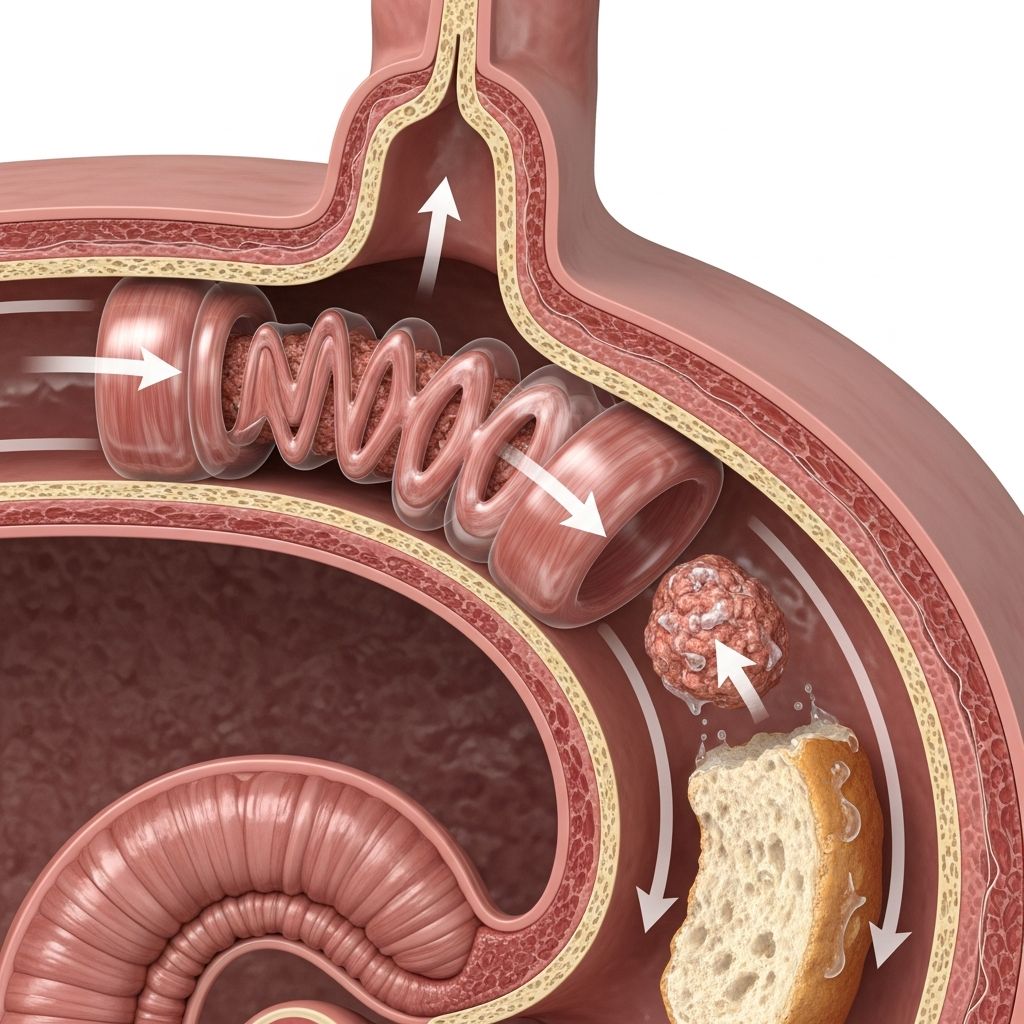
Understanding Peristalsis: The Engine of Your Digestive System
Peristalsis is a fascinating and automatic biological process that most people never think about—yet it’s essential for survival. This involuntary muscle movement occurs throughout your digestive system, beginning the moment you swallow food and continuing until waste leaves your body. Without peristalsis, your digestive system would be unable to move food, liquids, and nutrients through your gastrointestinal tract. Understanding how this process works can help you recognize when something might be wrong and take steps to maintain optimal digestive health.
What Is Peristalsis?
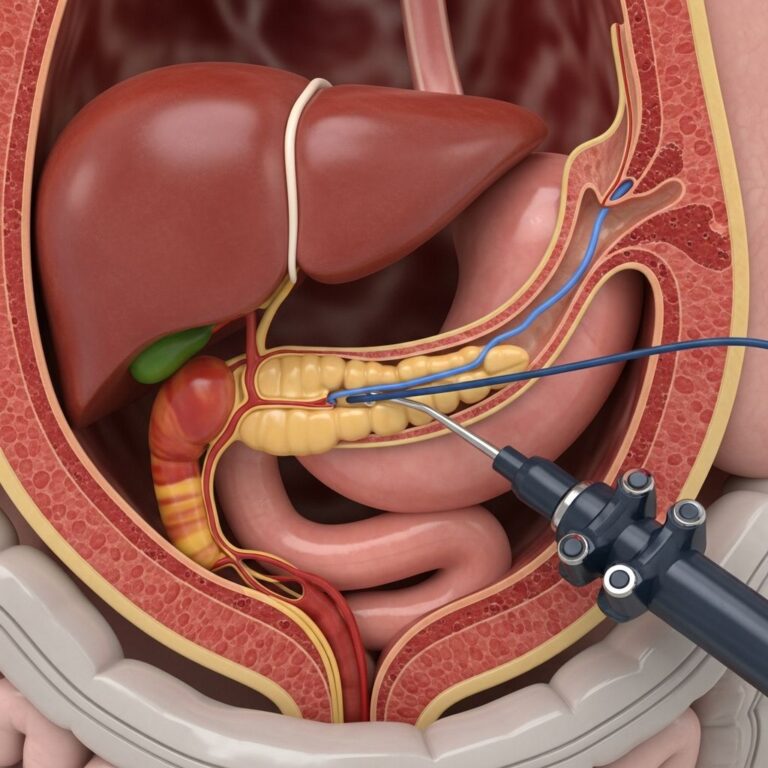
Peristalsis is a type of involuntary muscle movement that occurs in your digestive system, beginning in your throat when you swallow and continuing to propel food and fluids throughout your gastrointestinal tract. Think of your gastrointestinal (GI) tract as a series of hollow organs joined together to form one long passageway. This passageway is lined with muscles and nerves that work together in a coordinated fashion to accomplish the remarkable feat of moving food through your body.
When you consume food or fluids, nerves in your digestive tract are triggered, initiating a series of wave-like muscle contractions. These automatic muscle contractions continue to move food and fluids forward through your esophagus, stomach, small intestine, and large intestine until they reach their exit point at your anus.
How Peristalsis Works: The Wave-Like Muscle Contractions
The muscle movements of peristalsis are often described as wave-like because they contract and relax in a continuous, rhythmic pattern to move food forward through your digestive tract. This elegant system involves two primary types of muscles working in synchronized harmony:
Circular Muscles: These muscles ring the tubes of your digestive tract and squeeze and expand in a coordinated way to push food through the tube.
Longitudinal Muscles: These muscles span the walls of the tubes and propel everything forward with their contractions.
Together, these muscle groups create the characteristic wave-like motion that gives peristalsis its name. The process is especially prominent earlier in the digestive journey through your esophagus and stomach. However, toward the end of digestion in your large intestine, it typically takes only a few coordinated contractions to push waste out of your system.
The Role of Peristalsis Throughout Your Digestive Tract
While peristalsis occurs throughout your entire gastrointestinal tract, it plays particularly important roles in different regions:
In Your Esophagus: Peristalsis is especially active in your esophagus (food pipe), which connects your throat to your stomach. When you swallow, your throat (pharynx) begins the process by pushing food and fluids down into your esophagus. The esophagus has a primary peristaltic wave that’s triggered by swallowing. If the first wave isn’t sufficient to move particularly large lumps of food, a secondary peristaltic wave kicks in, triggered by the stretching of the esophageal walls. This dual-wave system ensures that even large or difficult-to-swallow items make their way to your stomach.
Related Stories



In Your Stomach: Once food reaches your stomach, peristalsis continues to work alongside stomach acid and digestive enzymes to break down food into a more manageable form called chyme.
In Your Small and Large Intestines: Peristalsis in these regions works more slowly, allowing more time for nutrient absorption and water reabsorption before waste moves to the rectum.
Reverse Peristalsis: When Muscles Contract Backward
Normally, peristaltic contractions move food and waste forward through your digestive system. However, sometimes these muscle contractions move backward instead, a phenomenon known as retroperistalsis, antiperistalsis, or reverse peristalsis. This backward movement is what happens when your vomiting reflex is triggered. Reverse peristalsis can move food backward all the way from your small intestine back through your stomach, esophagus, and out through your mouth.
Additionally, reverse peristalsis can occur on a smaller scale during food’s normal journey through the digestive tract if that journey encounters an obstruction along the way. In such cases, reverse peristalsis might briefly move food backward for a small distance before the forward motion resumes and attempts to push past the blockage.
Motility Disorders: When Peristalsis Goes Wrong
Problems with peristalsis are medically referred to as motility disorders. Motility refers to the movement of food through your gastrointestinal tract. A problem with peristalsis usually results in digestive movement that is either too fast or too slow. Understanding these two categories can help you recognize if you might have a peristalsis problem.
Increased Peristalsis (Hypermotility)
Increased peristalsis, also called hypermotility or hyperperistalsis, occurs when your digestive tract moves food through too quickly. When this happens, your gastrointestinal tract doesn’t have enough time to break food down properly and absorb its nutrients. This leads to diarrhea and digestive problems. Foods may pass through your system before they’re fully digested, resulting in loose stools and potential nutritional deficiencies.
Decreased Peristalsis (Hypomotility)
Decreased peristalsis, also known as hypomotility or hypoperistalsis, occurs when your digestive tract moves food through too slowly. This leads to constipation and bacterial overgrowth because peristalsis isn’t able to regularly clear out accumulated waste and bacteria. When stool remains in your colon for extended periods, water continues to be reabsorbed, making stools harder and more difficult to pass.
Causes of Peristalsis Problems
Peristalsis occurs through a complex cooperation of muscles and nerves, which are governed by hormones. Problems with peristalsis can be related to your muscles or nervous system and can occur in any part of your gastrointestinal tract, or throughout your entire system.
Multiple factors can affect the muscles or nerves involved in peristalsis:
– Medications with side effects on digestive motility
– Injuries to your digestive tract or nervous system
– Infections affecting your GI system
– Gastrointestinal diseases
– Hormone fluctuations
– Electrolyte imbalances
– Neurological conditions
Sometimes the cause of peristalsis problems is unknown, a condition doctors refer to as idiopathic. A number of gastrointestinal diseases are associated with peristalsis problems, though it’s not always clear which is the cause and which is the effect.
Conditions Associated with Peristalsis Problems
Several medical conditions can involve or result from peristalsis dysfunction. Gastroparesis is one common disorder where the stomach’s peristaltic function is impaired. In gastroparesis, reduced numbers of interstitial cells of Cajal and fibroblast-like cells, along with altered expression of smooth muscle cell contractile proteins, can lead to antral hypomotility that interferes with peristalsis and gastric emptying.
Achalasia is another condition affecting peristalsis, specifically in the esophagus. In achalasia, peristalsis doesn’t take place or doesn’t work as well as it should. Additionally, the lower esophageal sphincter (LES) doesn’t relax properly, causing food and liquids to remain in the esophagus instead of moving into the stomach.
Chronic constipation is also associated with peristalsis problems, particularly involving decreased peristaltic activity in the colon. Colonic muscles normally propel stool toward the rectum through repetitive localized contractions, with larger coordinated contractions moving stool forward in healthy individuals.
Symptoms of Peristalsis Problems
Motility disorders can cause a variety of symptoms that may vary depending on whether you have increased or decreased peristalsis:
Symptoms of Increased Peristalsis:
– Diarrhea
– Abdominal cramping
– Urgency to have bowel movements
– Incomplete digestion
Symptoms of Decreased Peristalsis:
– Constipation
– Bloating and abdominal distension
– Abdominal pain or discomfort
– Nausea
– Feeling full quickly
– Loss of appetite
Diagnosis of Peristalsis Disorders
If you suspect you have a peristalsis problem, your healthcare provider will take several steps to evaluate your condition. They’ll perform a physical exam and ask you to describe your symptoms and how long you’ve experienced them. Diagnostic testing may be recommended based on your specific symptoms and suspected condition.
Treatment Options for Peristalsis Problems
Peristalsis problems are often complex, and treating them effectively requires understanding their underlying causes. Treatment approaches vary depending on the specific condition and its severity:
Lifestyle Modifications: Sometimes the solution can be as simple as changing your medication or adjusting your diet. Increasing fiber intake, staying hydrated, and regular physical activity can support healthy peristalsis.
Medication Management: Your healthcare provider may adjust or change medications that have known side effects on peristalsis. Some medications can be used to help improve motility.
Specialized Therapies: For conditions like achalasia, treatment options may include balloon dilation or medications to relax the lower esophageal sphincter. More advanced cases may require surgical intervention such as laparoscopic Heller myotomy or POEM (peroral endoscopic myotomy) surgery.
Addressing Underlying Conditions: Conditions involving your nervous system can be more complex than simple dietary changes. Mental and emotional factors, along with hormones and electrolytes, may all play a role, and sorting these out may involve some trial and error. Sometimes peristalsis problems result from a larger condition that needs to be treated directly.
Maintaining Healthy Peristalsis: Lifestyle Strategies
Under normal conditions, you can maintain healthy peristalsis with healthy lifestyle habits. Consider these practical strategies to support your digestive system:
– Eat a fiber-rich diet including whole grains, vegetables, and fruits
– Stay well-hydrated by drinking adequate water throughout the day
– Exercise regularly to promote digestive movement
– Manage stress through relaxation techniques
– Eat slowly and chew food thoroughly
– Maintain a regular eating schedule
– Limit foods that may impair digestion
– Review your current medications with your healthcare provider
When to See a Gastroenterologist
Peristalsis is one of our body’s automatic functions that we rely on every day without thinking about it. But when peristalsis isn’t working as it should, you may need professional help. You can start with making some simple lifestyle changes. Consider the medications you are taking and whether they have known side effects on peristalsis. However, if lifestyle modifications don’t help, consulting with a gastroenterologist is recommended. Peristalsis problems can have many causes, but medical testing and expertise can help you get to the bottom of it.
Frequently Asked Questions About Peristalsis
Q: Is peristalsis voluntary or involuntary?
A: Peristalsis is involuntary, meaning it happens automatically without conscious control. While you initiate swallowing, the subsequent muscle contractions that move food through your digestive tract occur without any effort on your part.
Q: Can peristalsis be affected by stress?
A: Yes, stress and emotional factors can affect peristalsis. Mental and emotional stress can influence nerve signals and hormone levels that govern peristaltic function, potentially leading to increased or decreased motility.
Q: How long does peristalsis take?
A: The entire digestive process, powered by peristalsis, typically takes 24 to 72 hours from when you swallow food to when waste is eliminated. However, the rate varies depending on the specific region of the GI tract and individual factors.
Q: What foods support healthy peristalsis?
A: Foods high in fiber, such as whole grains, legumes, vegetables, and fruits, support healthy peristalsis. Adequate hydration and regular meals also promote normal digestive movement.
Q: Can medications affect peristalsis?
A: Yes, certain medications can have side effects that affect peristalsis. If you notice digestive changes after starting a new medication, discuss this with your healthcare provider to explore alternatives.
References
- Peristalsis: Definition, Function & Problems — Cleveland Clinic. 2024. https://my.clevelandclinic.org/health/body/22892-peristalsis
- Gastroparesis for the Nongastroenterologist (Part I) — Cleveland Clinic Consult QD. 2024. https://consultqd.clevelandclinic.org/gastroparesis-for-the-nongastroenterologist-part-i
- Gastroparesis for the nongastroenterologist — Cleveland Clinic Journal of Medicine, Vol. 91, No. 6. 2024. https://www.ccjm.org/content/91/6/373
- Achalasia (Cardiospasm): Symptoms, Causes, Types, Treatments — Cleveland Clinic. 2024. https://my.clevelandclinic.org/health/diseases/17534-achalasia
- Chronic constipation — Cleveland Clinic Journal of Medicine, Vol. 84, No. 5. 2023. https://www.ccjm.org/content/ccjom/84/5/397.full.pdf
- What Is the Digestive System? — Cleveland Clinic. 2024. https://my.clevelandclinic.org/health/body/7041-digestive-system
Similar Articles








Read full bio of Sneha Tete