Peritonitis: Causes, Symptoms, and Treatment Options
Understanding peritonitis: infection of the abdominal lining and its management.
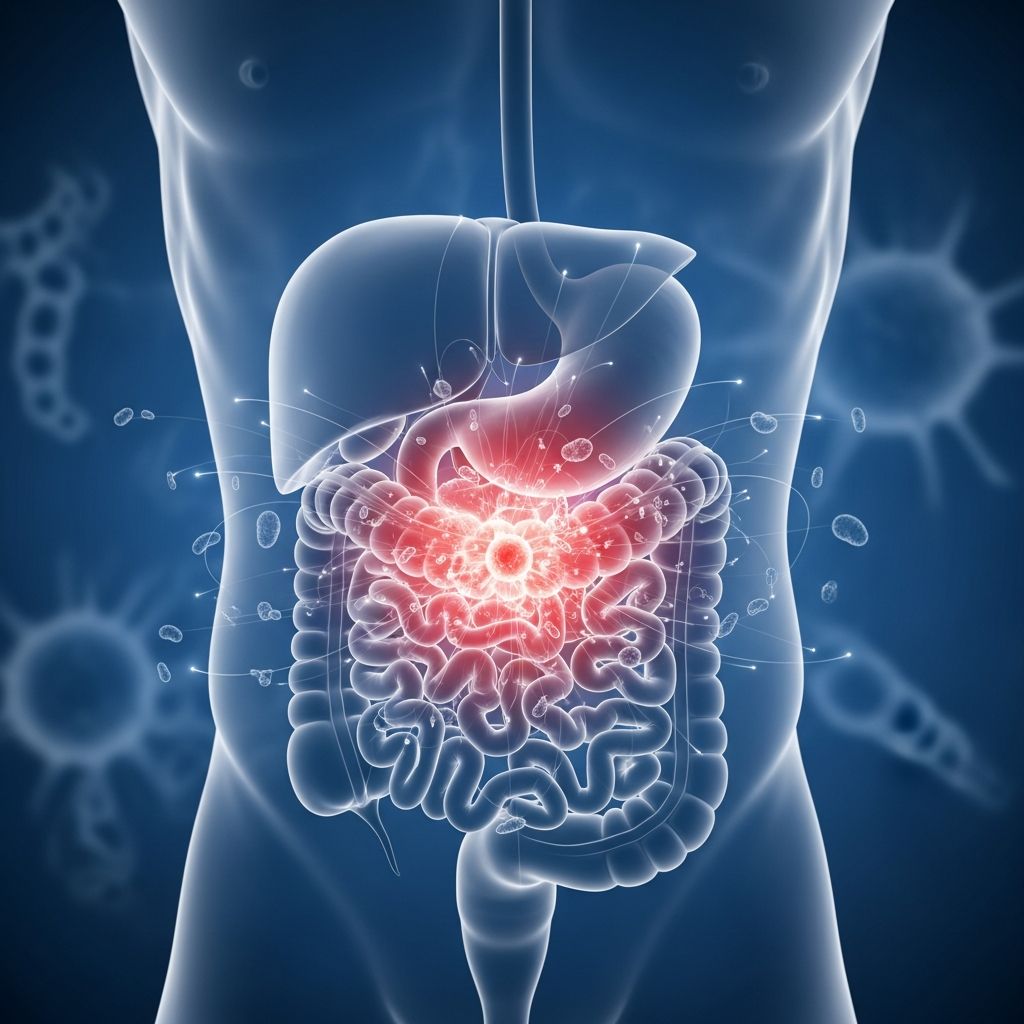
Understanding Peritonitis
Peritonitis is an infection or inflammation of the peritoneum, which is a thin membrane that lines the inner wall of your abdomen and covers most of the internal organs including the stomach, liver, intestines, and kidneys. This condition is serious and requires immediate medical attention, as it can quickly become life-threatening if left untreated. The peritoneum serves as a protective barrier for abdominal organs, but when it becomes infected, it can lead to significant health complications. Understanding this condition is essential for recognizing warning signs and seeking prompt medical care.
Types of Peritonitis
Peritonitis is classified into two main types based on how the infection develops:
Spontaneous Bacterial Peritonitis (SBP)
Spontaneous bacterial peritonitis occurs when bacteria develop directly within the peritoneal fluid without any obvious source of contamination such as a perforation in an organ. This type typically develops in patients with underlying liver disease, particularly those with cirrhosis and ascites (fluid buildup in the abdomen). The infection can also occur in individuals with kidney disease or those undergoing peritoneal dialysis for kidney failure.
Secondary Peritonitis
Secondary peritonitis develops as a result of a breach in the abdominal wall or organs, allowing bacteria to enter the peritoneum. This is the most common type of peritonitis. It typically occurs when there is a hole or perforation in the stomach, intestines, or other digestive organs. Secondary peritonitis can also result from various inflammatory conditions affecting the digestive system.
Sterile Peritonitis
In some cases, peritonitis can develop without a bacterial infection. Sterile peritonitis, also called chemical peritonitis, occurs when irritating fluids leak from the gallbladder, pancreas, stomach, or other organs into the peritoneal cavity. This inflammatory response, while not caused by infection, still requires medical attention.
Symptoms of Peritonitis
The symptoms of peritonitis typically develop rapidly and can be severe. Early recognition of these symptoms is crucial for prompt treatment:
Early Symptoms
The initial symptoms of peritonitis often include poor appetite, nausea, and a dull abdominal ache. These early warning signs may seem mild but should not be ignored, as they can quickly progress to more severe manifestations.
Progressive Symptoms
The dull abdominal pain typically progresses into persistent, severe abdominal pain that worsens with movement. Additional symptoms that may develop include:
– A tender and bloated abdomen- Chills and fever- Difficulty urinating or having bowel movements- Vomiting- Extreme thirst- Confusion or altered mental status- Rapid heart rate- Shortness of breath- Easy bruising- Swelling in the legs and feet (edema)
If you experience any combination of these symptoms, particularly sudden severe abdominal pain accompanied by fever, seek immediate medical attention.
Causes of Peritonitis
Causes of Spontaneous Bacterial Peritonitis
Spontaneous bacterial peritonitis most commonly develops in patients with liver disease complicated by cirrhosis and ascites. The fluid accumulation in the abdomen can become infected, leading to peritonitis. Other conditions causing fluid buildup in the abdomen, such as kidney disease, heart failure, and certain cancers, can also predispose individuals to spontaneous bacterial peritonitis.
Peritoneal dialysis for kidney failure is another significant cause of spontaneous bacterial peritonitis. The catheter tube placed in the peritoneum to facilitate fluid exchange and waste removal can allow germs to enter the peritoneal cavity. Additionally, feeding tubes can cause direct infections of the abdominal lining.
Related Stories



Causes of Secondary Peritonitis
Secondary peritonitis results from specific abdominal conditions or injuries that allow bacteria to enter the peritoneum:
– A ruptured or perforated appendix- Stomach ulcers that have perforated- Digestive diseases such as Crohn’s disease and diverticulitis- Pancreatitis (inflammation of the pancreas)- Pelvic inflammatory disease- Holes or perforations in the stomach, intestines, or gallbladder- Surgical procedures on abdominal organs- Traumatic injuries from knife wounds, gunshots, or accidents- Rare complications from medical procedures such as endoscopy or colonoscopy
Diagnosis of Peritonitis
Diagnosing peritonitis involves a combination of clinical evaluation and diagnostic tests. Your healthcare provider will review your medical history and symptoms, then perform a physical examination of your abdomen. They will listen for signs of abdominal distension and check for areas of tenderness.
Laboratory tests are essential for confirming peritonitis. A sample of peritoneal fluid may be obtained through a procedure called paracentesis, where a needle is inserted into the abdominal cavity to collect fluid for analysis. This fluid is examined for white blood cell count, bacterial growth, and other markers of infection. Blood cultures may also be performed to identify the specific bacteria causing the infection.
Imaging studies such as abdominal X-rays or CT scans help identify the underlying cause of peritonitis, such as a perforated organ or other structural abnormalities. These imaging studies are particularly important in cases of secondary peritonitis.
Treatment Options for Peritonitis
Hospitalization
Peritonitis is a serious condition that requires immediate hospitalization. Treatment must begin as soon as the diagnosis is confirmed to prevent the infection from spreading and causing life-threatening complications.
Antibiotic Therapy
The primary treatment for bacterial peritonitis is antibiotic therapy. Antibiotics are typically administered intravenously through a needle inserted into a vein to ensure rapid distribution throughout the body. The specific antibiotic or combination of antibiotics used depends on the type of bacteria causing the infection and the severity of the condition.
For patients receiving peritoneal dialysis, medications may be injected directly into the abdominal cavity to treat the infection more effectively. The duration of antibiotic treatment varies depending on the severity of the infection and the patient’s response to therapy.
Surgical Intervention
Many patients with peritonitis require emergency surgery, particularly when the condition is caused by specific underlying disorders. Surgical procedures may be necessary to:
– Remove the source of infection (such as an infected appendix)- Repair perforations in the digestive tract- Remove infected or damaged tissue- Drain accumulated fluid or pus from the abdominal cavity
Conditions such as appendicitis, stomach ulcers, and diverticulitis frequently necessitate surgical intervention.
Supportive Care
In addition to antibiotics and surgery, supportive treatments address symptoms and maintain bodily functions:
– Intravenous fluids to maintain hydration and electrolyte balance- Pain medications to manage severe abdominal pain- Oxygen therapy to support respiratory function- Medications to maintain blood pressure and prevent sepsis- Blood transfusions if necessary to address blood loss or anemia
Treatment of Underlying Conditions
Successful management of peritonitis also requires treating the underlying condition that caused the infection. This may involve managing liver cirrhosis, adjusting kidney dialysis methods, or treating inflammatory bowel conditions.
Complications of Peritonitis
If peritonitis is not treated promptly and effectively, serious complications can develop:
Sepsis
The most serious complication of untreated peritonitis is sepsis, a life-threatening systemic infection that can rapidly progress to septic shock. Sepsis occurs when bacteria or their toxins spread throughout the bloodstream, affecting multiple organ systems. This condition requires aggressive treatment and can be fatal if not managed immediately.
Scar Tissue Formation
Inflammation from peritonitis can lead to the development of scar tissue (adhesions) within the abdominal cavity. These adhesions can obstruct the bowels, potentially requiring additional surgical intervention to restore normal bowel function.
Kidney Failure
In patients with liver disease, peritonitis can lead to hepatorenal syndrome, a condition affecting blood flow to the kidneys and resulting in kidney failure. This serious complication may necessitate dialysis and, in some cases, a liver transplant.
Recurrent Infections
Some patients experience recurrent episodes of peritonitis even after the initial infection has been successfully treated. This may require prophylactic antibiotic therapy to prevent future infections.
Prevention of Peritonitis
Prevention strategies differ depending on the risk factors and underlying conditions:
For Peritoneal Dialysis Patients
Strict hygiene practices are essential for preventing peritonitis in patients undergoing peritoneal dialysis. These include thorough handwashing before and after dialysis, proper skin cleaning around the catheter site, maintaining a clean treatment environment, and using sterile equipment. Following all instructions provided by healthcare providers regarding catheter care significantly reduces infection risk.
For High-Risk Patients
Patients with liver cirrhosis or previous episodes of spontaneous bacterial peritonitis may be prescribed prophylactic antibiotics to prevent future infections. Additionally, proton pump inhibitors may need to be discontinued in certain situations as they can increase peritonitis risk in vulnerable populations.
Prognosis and Recovery
The prognosis for peritonitis depends on several factors, including the type of peritonitis, the underlying cause, how quickly treatment is initiated, and the patient’s overall health status. With prompt medical intervention, including appropriate antibiotics and surgical treatment when necessary, many patients recover successfully from peritonitis.
However, peritonitis can have serious long-term consequences, particularly in patients with liver disease or those requiring dialysis. Ongoing medical management and careful monitoring are important for preventing recurrence and managing any complications that may develop.
Frequently Asked Questions
What is the peritoneum?
The peritoneum is a thin, delicate membrane that lines the inner wall of the abdomen and covers most internal abdominal organs. It produces a small amount of fluid that allows organs to move smoothly during digestion and other bodily functions.
How quickly does peritonitis develop?
Peritonitis can develop rapidly, with symptoms progressing from mild discomfort to severe, life-threatening illness within hours. Early symptoms such as poor appetite and nausea can quickly escalate to severe abdominal pain and fever.
Is peritonitis always caused by bacteria?
While bacterial infection is the most common cause of peritonitis, the condition can also develop from chemical irritation when non-infectious fluids leak into the peritoneal cavity. However, even sterile peritonitis requires medical treatment.
Can peritonitis be treated without surgery?
Some cases of peritonitis, particularly spontaneous bacterial peritonitis, may be treated with antibiotics and supportive care alone. However, secondary peritonitis caused by perforated organs typically requires emergency surgical intervention to repair the damage and remove infected tissue.
What should I do if I suspect peritonitis?
Seek immediate emergency medical care if you experience sudden severe abdominal pain, fever, and other symptoms suggesting peritonitis. Do not delay seeking treatment, as prompt intervention is critical for preventing life-threatening complications.
References
- Peritonitis: Causes, Symptoms and Treatments — WebMD. 2024. https://www.webmd.com/digestive-disorders/peritonitis-symptoms-causes-treatments
- Peritonitis – Symptoms and causes — Mayo Clinic. August 8, 2025. https://www.mayoclinic.org/diseases-conditions/peritonitis/symptoms-causes/syc-20376247
- Peritonitis – Diagnosis and treatment — Mayo Clinic. 2024. https://www.mayoclinic.org/diseases-conditions/peritonitis/diagnosis-treatment/drc-20376250
- Peritonitis — National Kidney Foundation. 2024. https://www.kidney.org/kidney-topics/peritonitis
- Peritonitis — NHS. 2024. https://www.nhs.uk/conditions/peritonitis/
- Peritonitis: What it is, Symptoms, Causes & Treatment — Cleveland Clinic. 2024. https://my.clevelandclinic.org/health/diseases/17831-peritonitis
- Peritonitis — University of Rochester Medical Center. 2024. https://www.urmc.rochester.edu/encyclopedia/content?contenttypeid=85&contentid=P00391
Similar Articles








Read full bio of Sneha Tete