Peritonitis: Symptoms, Causes, and Treatment
Learn about peritonitis, its symptoms, causes, and life-saving treatments.
What Is Peritonitis?
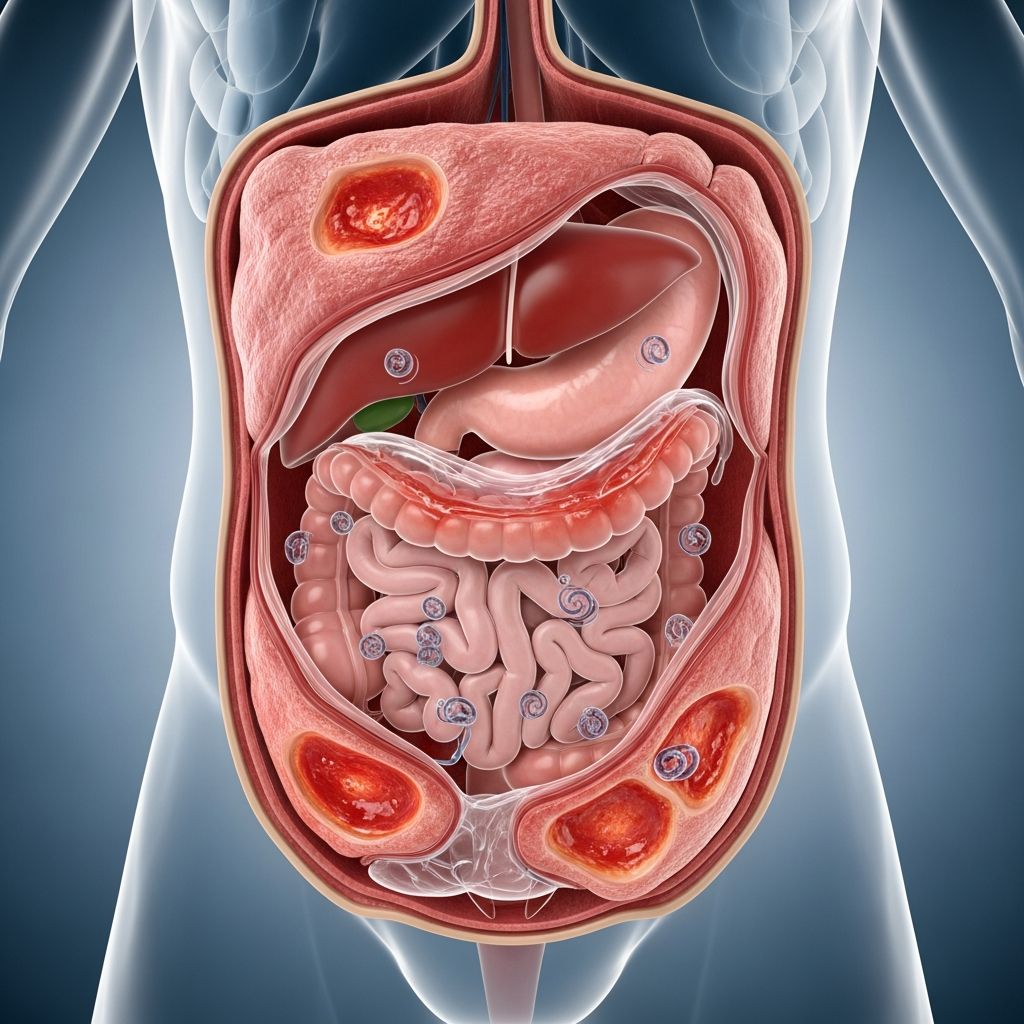
Peritonitis is a serious medical condition characterized by inflammation of the peritoneum, the thin membrane that lines the inside of the abdomen and covers most of the abdominal organs. This inflammation is usually caused by an infection, but it can also result from other factors such as chemical irritation or trauma. Peritonitis is a medical emergency that requires prompt diagnosis and treatment to prevent life-threatening complications.
Symptoms of Peritonitis
The most common symptom of peritonitis is sudden and severe abdominal pain. Other symptoms may include:
- Abdominal tenderness or swelling
- Nausea and vomiting
- Fever and chills
- Loss of appetite
- Diarrhea or constipation
- Reduced urine output
- Thirst and dry mouth
- Fast heartbeat
- Low blood pressure
It is important to note that symptoms can vary from person to person, and some individuals may be asymptomatic or have symptoms that resemble other health conditions. If you experience any of these symptoms, especially sudden and severe abdominal pain, seek immediate medical attention.
Causes of Peritonitis
Peritonitis can be caused by a variety of factors, including:
- Bacterial infection: The most common cause is a bacterial infection that enters the peritoneal cavity, often due to a perforated organ such as the appendix, stomach, or intestines.
- Chemical irritation: Certain chemicals, such as bile or gastric acid, can irritate the peritoneum and cause inflammation.
- Trauma: Physical injury to the abdomen can lead to peritonitis.
- Medical procedures: Peritonitis can occur as a complication of certain medical procedures, such as peritoneal dialysis.
Peritonitis can be classified as primary or secondary. Primary peritonitis is usually caused by a bacterial infection that spreads through the bloodstream, while secondary peritonitis is caused by an infection that originates in the abdomen, such as a ruptured appendix or perforated ulcer.
Diagnosis of Peritonitis
Diagnosing peritonitis involves a combination of medical history, physical examination, and diagnostic tests. Your healthcare provider will ask about your symptoms and medical history and perform a physical examination to check for abdominal tenderness, swelling, and other signs of peritonitis. Additional tests may include:
- Blood tests: These can detect signs of infection and inflammation, such as a high white blood cell count.
- Imaging tests: X-rays and CT scans can help identify holes or tears in the digestive tract.
- Paracentesis: This procedure involves removing a sample of fluid from the abdomen for analysis to confirm the presence of infection.
- Exploratory surgery: In some cases, surgery may be necessary to determine the cause of peritonitis.
Treatment of Peritonitis
Immediate treatment is essential to prevent complications and save lives. Treatment typically begins with:
- Intravenous (IV) fluids: These help restore the balance of fluids in the body and reduce the risk of shock.
- Broad-spectrum antibiotics: These are the first line of defense against the infection in the peritoneum.
- Additional blood tests: These help identify the specific bacterium or pathogen causing the infection, allowing for targeted antibiotic therapy.
- Emergency surgery: In many cases, surgery is required to remove infected tissues, such as damaged parts of the intestines or abdominal organs, and to address the underlying cause of the infection.
Related Stories



The priority of treatment is to prevent sepsis or septicemia, which are life-threatening complications. Once the infection is under control, the focus shifts to treating the specific bacterium or pathogen and addressing the condition that led to the infection.
Complications of Peritonitis
The most common and serious complications of peritonitis are septicemia and sepsis. These conditions are life-threatening medical emergencies that can lead to organ failure and death if not treated promptly. Other potential complications include:
- Organ damage
- Shock
- Death
Early recognition and treatment are crucial to controlling peritonitis before it spreads and to minimizing the risk of lasting complications.
Prevention of Peritonitis
While not all cases of peritonitis can be prevented, there are steps you can take to reduce your risk:
- Practice good hygiene: Wash your hands thoroughly, especially before touching any medical devices or catheters.
- Follow proper care instructions: If you are undergoing peritoneal dialysis, follow all care instructions provided by your healthcare team.
- Seek prompt medical attention: If you experience symptoms of peritonitis, seek medical attention immediately.
Frequently Asked Questions (FAQs)
Q: What is peritonitis?
A: Peritonitis is inflammation of the peritoneum, the thin membrane that lines the inside of the abdomen and covers most of the abdominal organs. It is usually caused by an infection and is a medical emergency.
Q: What are the symptoms of peritonitis?
A: Common symptoms include sudden and severe abdominal pain, abdominal tenderness or swelling, nausea and vomiting, fever and chills, loss of appetite, diarrhea or constipation, reduced urine output, thirst and dry mouth, fast heartbeat, and low blood pressure.
Q: What causes peritonitis?
A: Peritonitis can be caused by bacterial infection, chemical irritation, trauma, or as a complication of certain medical procedures. It can be classified as primary or secondary.
Q: How is peritonitis diagnosed?
A: Diagnosis involves a combination of medical history, physical examination, blood tests, imaging tests, paracentesis, and sometimes exploratory surgery.
Q: How is peritonitis treated?
A: Treatment typically begins with IV fluids and broad-spectrum antibiotics. Additional blood tests help identify the specific bacterium or pathogen, and emergency surgery may be required to remove infected tissues and address the underlying cause.
Q: What are the complications of peritonitis?
A: The most common and serious complications are septicemia and sepsis, which are life-threatening medical emergencies. Other potential complications include organ damage, shock, and death.
Q: How can peritonitis be prevented?
A: Practice good hygiene, follow proper care instructions for medical devices, and seek prompt medical attention if you experience symptoms of peritonitis.
References
- Peritonitis: What it is, Symptoms, Causes & Treatment — Cleveland Clinic. 2025. https://my.clevelandclinic.org/health/diseases/17831-peritonitis
- Peritonitis & Shock – Symptoms, Diagnosis & Treatment — ACE Specialist Surgery and Endoscopy Clinic. 2025. https://acesurgery.sg/24-7-emergency/peritonitis-shock/
- Peritonitis: Causes, Symptoms and Treatments — WebMD. 2025. https://www.webmd.com/digestive-disorders/peritonitis-symptoms-causes-treatments
- Peritonitis – Symptoms and causes — Mayo Clinic. 2025. https://www.mayoclinic.org/diseases-conditions/peritonitis/symptoms-causes/syc-20376247
Similar Articles








Read full bio of Sneha Tete