Peritonsillar Abscess: Causes, Symptoms, and Treatment
Complete guide to peritonsillar abscess: symptoms, diagnosis, and effective treatment options.
Understanding Peritonsillar Abscess
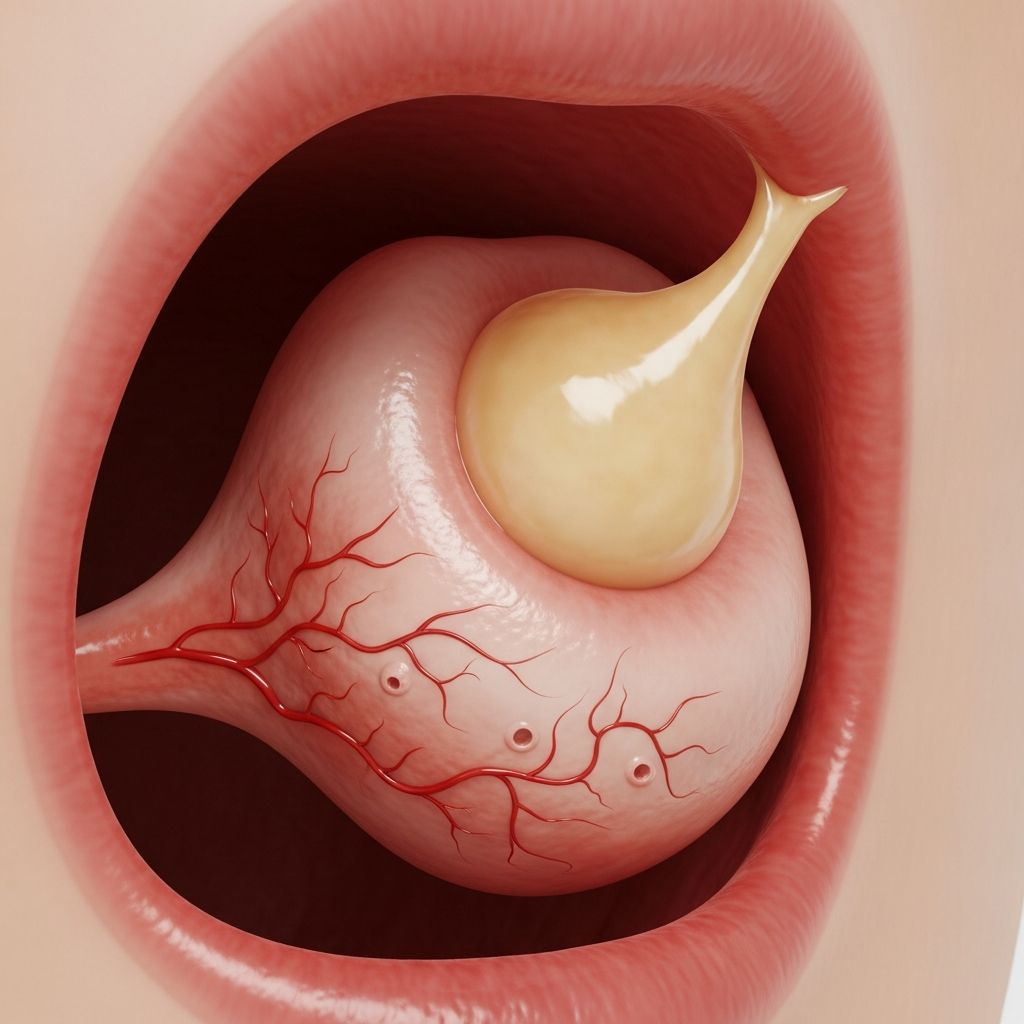
A peritonsillar abscess, commonly known as quinsy, is a collection of infected material that develops in the area surrounding the tonsils. This serious throat infection represents one of the most common deep space infections of the head and neck, particularly affecting adults and older adolescents. The condition develops when a superficial throat infection progresses into more severe tonsillar cellulitis, ultimately forming a localized pocket of pus. Understanding this condition is critical for early recognition and prompt treatment to prevent complications and reduce hospital stay duration.
Peritonsillar abscess typically manifests as a unilateral infection, meaning it usually affects one side of the throat. The infection occurs in the peritonsillar space, which is the area between the tonsil capsule and the surrounding pharyngeal muscles. Early diagnosis allows medical professionals to begin appropriate treatment before the infection spreads to adjacent anatomical structures, potentially causing serious complications.
Causes and Risk Factors
Peritonsillar abscess most commonly develops as a complication of untreated or inadequately treated acute tonsillitis. The condition typically begins when bacteria, most frequently group A beta-hemolytic streptococcus, establish an infection in the throat tissues. While penicillin remains effective against many bacterial strains, the emergence of beta-lactamase-producing organisms has complicated antibiotic selection in recent years.
Beyond simple tonsillitis, several other factors can contribute to abscess formation. Infectious mononucleosis represents another significant precursor condition that can result in abscess development. Additionally, smoking and chronic periodontal disease increase the risk of quinsy formation. In rare cases, peritonsillar abscess may occur de novo without any prior history of acute sore throat, suggesting that alternative pathways to infection exist.
The underlying mechanism of abscess formation involves necrosis and pus accumulation in the tonsillar capsular area, which subsequently obstructs Weber’s glands. These minor salivary glands, located within the peritonsillar space, normally function to clear debris from the tonsillar area. When obstruction occurs, bacterial proliferation accelerates within this confined space, leading to abscess formation. This mechanism is further supported by observations that peritonsillar abscess occasionally occurs even in patients who have previously undergone tonsillectomy.
Symptoms and Clinical Presentation
The symptoms of peritonsillar abscess develop progressively and warrant immediate medical attention. Understanding these signs helps patients and healthcare providers recognize the condition early.
Primary Symptoms
The hallmark feature of peritonsillar abscess is severe throat pain, typically localized to one side of the throat. This pain often radiates to the ear on the affected side, creating additional discomfort. As the abscess size increases, patients commonly experience a characteristic change in speech quality known as “hot potato” voice, where speech sounds muffled and thick, as though the person is speaking with a hot object in their mouth.
Difficulty opening the mouth, medically termed trismus, occurs in nearly every case due to inflammation of the pterygoid muscles, which lie adjacent to the superior constrictor muscles. This symptom ranges in severity but significantly impacts eating and drinking ability. Patients also report pronounced difficulty swallowing and may experience drooling or inability to swallow saliva as the infection worsens.
Related Stories



Associated Symptoms
Beyond local throat symptoms, peritonsillar abscess produces systemic manifestations indicating significant infection. Patients typically experience fever with rigors and chills, malaise, body aches, and headache. Nausea and constipation frequently accompany the infection. Neck pain develops secondary to inflamed cervical lymph nodes, and patients often notice visible facial or neck swelling.
The severity of symptoms correlates with abscess size and progression. Early recognition of these symptoms facilitates prompt treatment before complications emerge, making symptom awareness crucial for patients at risk of developing this condition.
Diagnosis Methods
Healthcare providers employ multiple diagnostic approaches to confirm peritonsillar abscess and assess its severity. Diagnosis begins with a thorough physical examination, where physicians observe red, swollen tonsils and assess tender, swollen lymph nodes on one side of the neck. Clinical presentation alone often strongly suggests the diagnosis.
Imaging studies enhance diagnostic accuracy and help guide treatment planning. Ultrasonography represents a valuable tool for abscess localization, helping determine optimal needle insertion sites for drainage procedures. Computed tomography (CT) scans provide detailed anatomical information and can identify potential complications, particularly if the infection has spread to surrounding tissues. Some cases may also benefit from ultrasound confirmation to distinguish between cellulitis and true abscess formation, as this distinction influences treatment approach.
Definitive diagnosis often involves needle aspiration, which serves dual purposes: confirming abscess presence and obtaining fluid samples for culture and gram stain analysis. This microbiological testing proves invaluable for guiding antibiotic selection, particularly when beta-lactamase-producing organisms are suspected.
Treatment Approaches
Medical Management
Treatment of peritonsillar abscess requires hospitalization in most cases. Upon admission, patients receive intravenous fluids to address dehydration, which typically accompanies the infection and difficulty swallowing. Supportive care includes analgesics and antipyretics to relieve pain and reduce fever.
Antibiotic therapy represents a cornerstone of treatment. Intravenous antibiotics with broad-spectrum coverage including gram-positive bacteria, gram-negative bacteria, and anaerobes are initiated empirically. Commonly used regimens include penicillins such as ampicillin or amoxicillin combined with metronidazole or clindamycin. Ideally, antibiotic selection should be guided by culture sensitivity reports obtained from the aspirated fluid. As patients improve and can tolerate oral intake, treatment transitions to oral antibiotics to complete the course.
Patients must complete the full antibiotic course as prescribed, even after symptom improvement, to prevent infection recurrence. The role of corticosteroids remains somewhat controversial; however, evidence suggests that a single dose of intravenous dexamethasone can reduce hospital stay duration and symptom severity.
Drainage Procedures
While conservative medical management can resolve peritonsillitis, peritonsillar abscess requires drainage procedures alongside antibiotic therapy for successful resolution. Three main surgical approaches exist for abscess drainage: needle aspiration, incision and drainage, and in certain cases, immediate tonsillectomy.
Needle aspiration represents the least invasive approach and can be performed in office or outpatient settings with appropriate local anesthesia. The area is numbed with anesthetic spray or local injection before needle insertion. Ultrasonography guidance improves accuracy of needle placement, particularly for deeper abscesses. Incision and drainage represents a more definitive approach, creating an opening to allow thorough pus evacuation and debris removal.
In certain clinical scenarios, immediate tonsillectomy performed concurrent with abscess drainage may be considered, particularly in young patients with recurrent tonsillitis or those with obstructive sleep apnea. However, this approach remains relatively uncommon and typically requires general anesthesia.
Hospitalization Considerations
Most patients benefit from hospitalization to receive intravenous antibiotics and monitoring. However, some healthy patients with well-draining abscesses may be managed as outpatients after successful drainage. Factors influencing hospitalization decisions include patient age, ability to maintain oral intake, overall health status, and presence of complicated medical conditions such as diabetes. Young children frequently require hospital admission, particularly because they often need general anesthesia for drainage procedures and benefit from close observation during recovery.
Recovery and Outcomes
The majority of patients with peritonsillar abscess who receive prompt drainage and appropriate antibiotic therapy recover within 4 to 7 days. Most patients experience no residual sequelae after successful treatment. However, complications such as bleeding occur in less than 0.1% of cases, and approximately 1 to 5% of patients develop recurrent abscess requiring formal tonsillectomy.
Recurrence risk is highest in young individuals who have experienced five or more episodes of tonsillitis. To prevent recurrent episodes, tonsillectomy may be scheduled 4 to 6 weeks after infection subsidence, allowing adequate time for tissue healing before surgical removal.
Complications and When to Seek Emergency Care
While peritonsillar abscess responds well to appropriate treatment, potential complications warrant awareness. Spreading infection may extend to parapharyngeal spaces, requiring surgical drainage. Airway compromise represents a serious concern, particularly in cases with severe swelling or in young children.
Patients should seek immediate emergency evaluation if they experience severe difficulty breathing, stridor, extreme difficulty swallowing saliva, signs of sepsis, or sudden worsening of symptoms despite treatment initiation.
Prevention Strategies
Preventing peritonsillar abscess primarily involves prompt and complete treatment of acute tonsillitis with prescribed antibiotics. Patients diagnosed with strep throat must complete their full antibiotic course, even after symptom resolution. Good oral hygiene and management of periodontal disease reduce risk, as does smoking cessation. For individuals with recurrent tonsillitis or multiple abscess episodes, elective tonsillectomy provides definitive prevention.
Frequently Asked Questions
Q: How is peritonsillar abscess different from regular tonsillitis?
A: While tonsillitis is inflammation of the tonsils themselves, peritonsillar abscess represents a more advanced infection where pus collects in the space surrounding the tonsil. Abscess formation indicates inadequately treated or severe tonsillitis that has progressed to tissue necrosis and localized infection. Peritonsillar abscess causes more severe symptoms and requires drainage procedures in addition to antibiotics.
Q: Can peritonsillar abscess be treated with antibiotics alone?
A: Conservative medical management with antibiotics alone can resolve peritonsillitis, but true peritonsillar abscess requires drainage procedures alongside antibiotic therapy for successful resolution. Early intervention with combined antibiotic and drainage treatment provides optimal outcomes.
Q: What is the recovery timeline after drainage?
A: Most patients recover within 4 to 7 days following prompt drainage and appropriate antibiotic therapy. However, individual recovery varies based on abscess severity, patient age, and overall health status. Some patients may experience symptom improvement within 48 hours of treatment initiation.
Q: Will I need my tonsils removed after a peritonsillar abscess?
A: Not necessarily. However, patients with recurrent abscess episodes or a history of five or more tonsillitis episodes have high recurrence risk and typically benefit from tonsillectomy scheduled 4 to 6 weeks after infection resolution. This timing allows adequate tissue healing before surgical removal.
Q: Are there any long-term effects of peritonsillar abscess?
A: Most patients experience no residual sequelae after successful treatment of peritonsillar abscess. Complications such as bleeding are rare, occurring in less than 0.1% of cases. Proper treatment and follow-up care generally result in complete recovery without lasting effects.
Q: Can peritonsillar abscess recur?
A: Yes, approximately 1 to 5% of patients develop recurrent abscess. Recurrence risk is particularly high in young individuals with multiple prior tonsillitis episodes. For these patients, preventive tonsillectomy significantly reduces recurrence risk.
When to Contact Your Healthcare Provider
Patients should contact their healthcare provider if they experience symptoms suggestive of peritonsillar abscess, particularly severe one-sided throat pain accompanied by fever, difficulty swallowing, or muffled speech. Prompt medical evaluation facilitates early diagnosis and treatment initiation. Additionally, patients undergoing abscess treatment should report any worsening symptoms, inability to maintain hydration, or concerns about medication side effects to their healthcare team.
References
- Peritonsillar Abscess — National Center for Biotechnology Information (NCBI). 2024. https://www.ncbi.nlm.nih.gov/books/NBK519520/
- Peritonsillar Abscess: Diagnosis and Treatment — American Academy of Family Physicians. 2002. https://www.aafp.org/pubs/afp/issues/2002/0101/p93.html
- Peritonsillar Abscess Information — Mount Sinai Health System. 2024. https://www.mountsinai.org/health-library/diseases-conditions/peritonsillar-abscess
- Tonsillar Cellulitis and Tonsillar Abscess — Merck Manuals. 2024. https://www.merckmanuals.com/home/ear-nose-and-throat-disorders/mouth-and-throat-disorders/tonsillar-cellulitis-and-tonsillar-abscess
- Peritonsillar Abscess (for Teens) — Nemours KidsHealth. 2024. https://kidshealth.org/en/teens/peritonsillar-abscess.html
- Peritonsillar Abscess – Conditions and Treatments — Children’s National Hospital. 2024. https://www.childrensnational.org/get-care/health-library/peritonsillar-abscess
- Peritonsillar Abscess: Symptoms, Causes, Treatments — WebMD. 2024. https://www.webmd.com/oral-health/peritonsillar-abcess
Similar Articles








Read full bio of medha deb