Permethrin For Scabies Treatment: Updated Guide For 2025
Comprehensive guide to using permethrin cream effectively against scabies infestations, including application methods, efficacy data, and safety considerations.
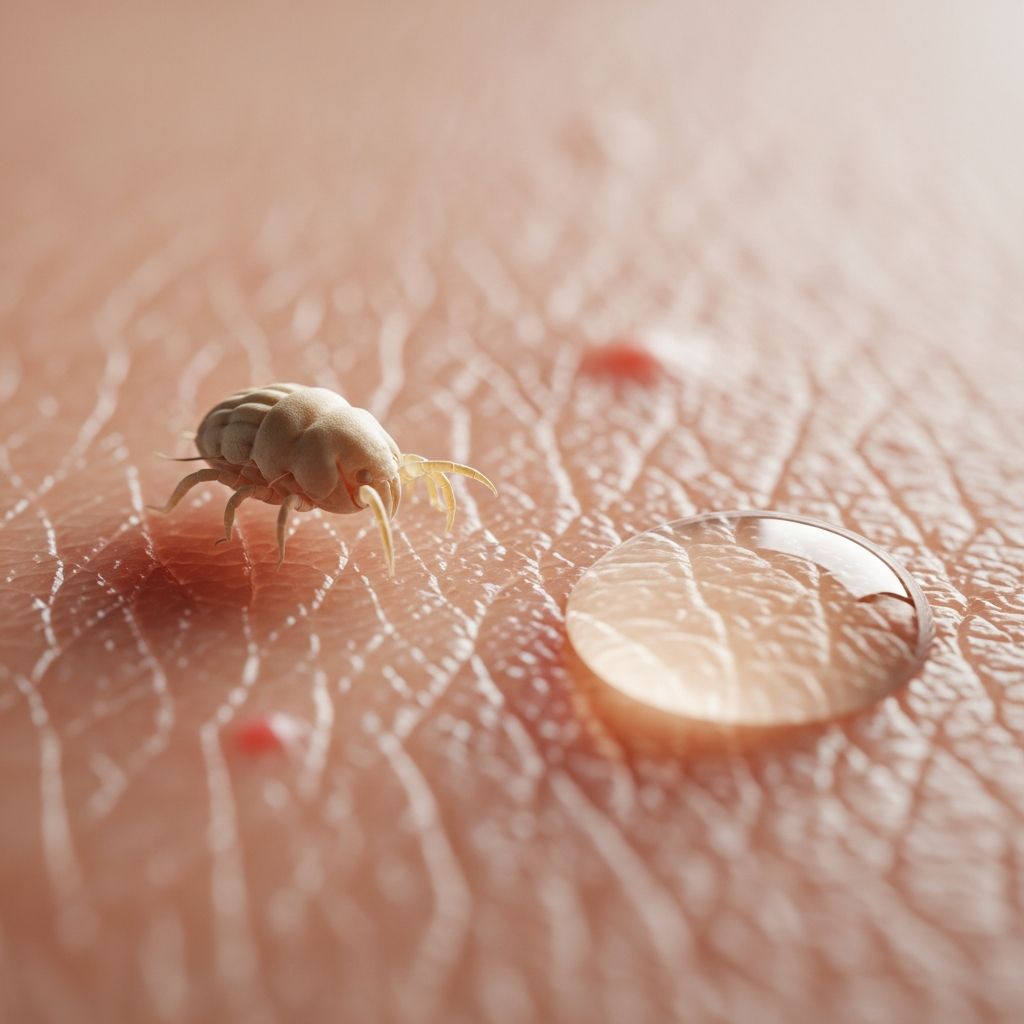
Permethrin, a synthetic pyrethroid insecticide, serves as a cornerstone therapy for scabies, a contagious skin condition caused by the Sarcoptes scabiei mite. Applied topically as a 5% cream, it targets both mites and their eggs, disrupting their nervous systems to achieve infestation clearance. While historically effective, recent clinical data highlight challenges like reduced sensitivity in some populations, prompting discussions on optimal use and alternatives.
Understanding Scabies and Permethrin’s Mechanism
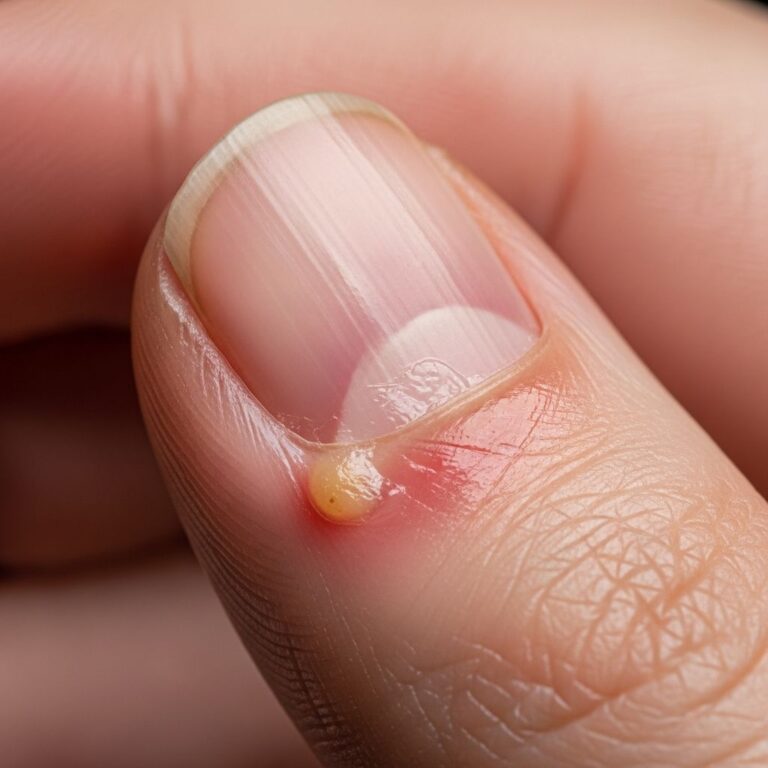
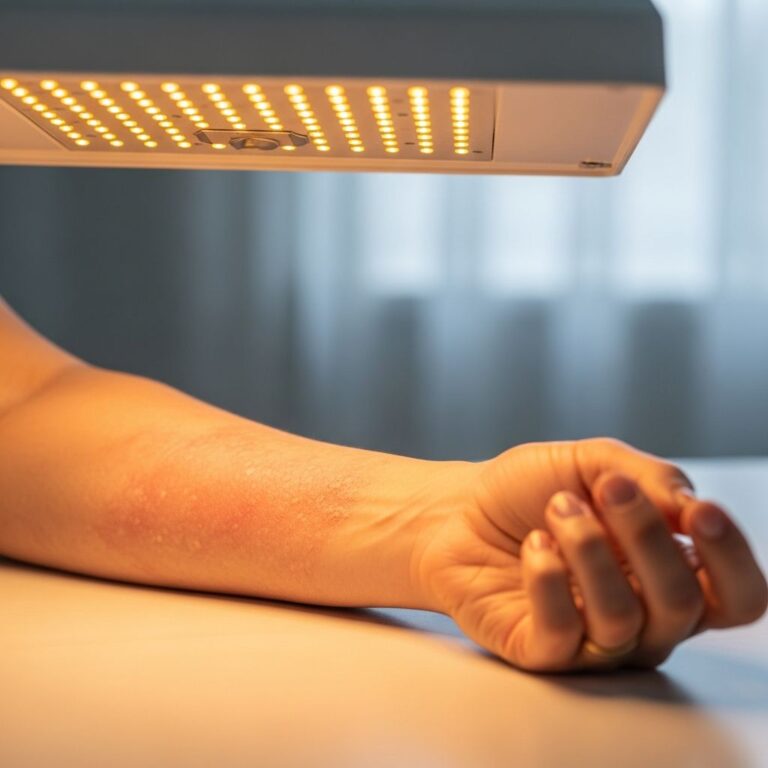
Scabies manifests as intense itching, particularly at night, with burrows, papules, and excoriations in interdigital spaces, wrists, elbows, and genitals. The mite burrows into the stratum corneum, laying eggs that perpetuate the cycle. Permethrin penetrates the skin, binding to voltage-gated sodium channels in mite nerve cells, causing paralysis and death. This neurotoxic action extends to eggs, offering comprehensive eradication superior to some pediculicides.
Transmission occurs via prolonged skin-to-skin contact, thriving in crowded settings. Global incidence has risen post-COVID-19, with increased reports of treatment failures linked to permethrin.
Standard Application Protocol for Permethrin
For classic scabies in adults and children over 2 months, apply 5% permethrin cream from the neck down, covering all skin surfaces including hands, feet, and skin folds. Massage thoroughly, leave on for 8-14 hours (overnight), then wash off. Repeat after 7-14 days to target newly hatched mites.
- Preparation: Bathe with soap and water before first application to enhance penetration and remove debris.
- Coverage: Include scalp and face in infants or crusted cases; avoid eyes, mouth, and mucous membranes.
- Amount: Typically 30g per adult application; ensure full-body saturation without excess.
- Household treatment: Treat all close contacts simultaneously, even asymptomatically, to prevent reinfestation.
Wash bedding, clothing, and towels in hot water (>50°C) on treatment day and repeat weekly. Vacuum furnishings. Symptoms may worsen initially due to dying mites (post-scabietic itch).
Efficacy Data and Emerging Resistance Concerns
Permethrin boasts cure rates up to 98% in controlled settings, positioning it as first-line per U.S. CDC and European guidelines. A StatPearls review notes moderate evidence of equivalence to oral ivermectin (200 μg/kg) at 2 weeks, though permethrin may clear faster initially.
However, recent randomized trials reveal limitations. A 2024 double-blind study (n=110) compared permethrin 5% (daily for 3 days) to benzyl benzoate 25% (BB), yielding 27% cure (dermoscopy-confirmed) for permethrin vs. 87% for BB (P<0.001). Number needed to treat for BB was 1.66, signaling permethrin’s inferiority amid resistance.
Italian reports from 2021-2023 document rising failures, with two-thirds responding to alternatives, implicating mite mutations like sodium channel alterations or enhanced detoxification enzymes. Post-pandemic surges correlate with permethrin overuse, fostering resistant strains.
| Treatment | Cure Rate (3 weeks) | Adverse Events | Source |
|---|---|---|---|
| Permethrin 5% | 27% (14/52) | Excellent tolerability | |
| Benzyl Benzoate 25% | 87% (47/54) | Burning in 43% | |
| Permethrin vs. Ivermectin | Similar at 2 weeks | Comparable AEs |
Special Populations: Pediatrics, Pregnancy, and Crusted Scabies
Permethrin is FDA pregnancy category B, safe for breastfeeding, and approved from 2 months in infants (dilute if needed). Recent data support its use in neonates under supervision.
Crusted (Norwegian) scabies, seen in immunocompromised patients, demands aggressive regimens: daily permethrin for 1 week, then twice weekly, combined with ivermectin (200 μg/kg on days 1,2,8,9,15). Isolation and environmental decontamination are critical.
Related Stories



Potential Side Effects and Safety Profile
Permethrin exhibits low systemic absorption (<2%), with mild local reactions: transient burning, stinging, erythema, or pruritus in 1-10%. Rare hypersensitivity includes urticaria or edema. BB causes more irritation but higher efficacy in resistant cases.
Overdose risks are minimal; rinse thoroughly if ingested. No neurotoxicity reported at therapeutic doses.
Comparing Permethrin to Alternative Therapies
Oral Ivermectin: Single-dose 200 μg/kg, repeated at 1-2 weeks. Equivalent to permethrin for classic scabies but preferred for crusted or non-adherent patients. Network meta-analyses favor permethrin + ivermectin combos for highest cures, though data limited.
Benzyl Benzoate: 10-25% lotion, applied daily for 3 days. Superior in resistance-prone areas (87% vs. 27%).
Others: Crotamiton (less effective), sulfur ointment (odor, messy), or malathion (not first-line).
Guidelines recommend permethrin first but escalate to ivermectin/BB on failure.
Preventing Reinfection and Managing Treatment Failures
Failures stem from incomplete application, resistance, or reinfestation. Reassess via dermoscopy; persistent mites confirm non-response. Switch agents: permethrin failures often respond to BB or ivermectin.
Post-treatment itch persists 2-4 weeks; use emollients, oral antihistamines, or topical steroids. Recurrence within 4-6 weeks suggests retreatment or contacts.
Patient Education and Compliance Tips
- Apply post-bath on cool, dry skin for optimal absorption.
- Clip nails short to reduce autoinoculation.
- Treat all household members concurrently.
- Launder items at 60°C; seal non-washables in bags for 72 hours (mites die off-host).
- Report failures early; do not self-medicate repeatedly.
Compliance is key; improper use (e.g., partial coverage) fuels resistance.
Frequently Asked Questions (FAQs)
Is permethrin safe for pregnant women?
Yes, category B; topical use minimizes fetal exposure. Consult providers.
How soon do symptoms improve after permethrin?
Itch reduces in 24-48 hours, full clearance in 1-2 weeks. Repeat if needed.
What if permethrin doesn’t work?
Consider resistance; try ivermectin or BB. Dermoscopy guides.
Can I use permethrin on my face?
Avoid in adults; include in infants/crusted cases, sparing eyes/mouth.
Do I need to treat my pets?
No, human scabies doesn’t affect animals.
Future Directions in Scabies Management
Resistance surveillance is urgent; trials explore moxidectin and novel topicals. Combination therapies may become standard. Public health emphasizes early detection in outbreaks.
References
- Comparison of topical permethrin 5% vs. benzyl benzoate 25%… — British Journal of Dermatology (Oxford Academic). 2024. https://academic.oup.com/bjd/article/190/4/486/7478651
- Permethrin – StatPearls — NCBI Bookshelf. 2023-08-14. https://www.ncbi.nlm.nih.gov/books/NBK553150/
- Resistance to Permethrin in Scabies Treatment: Does It Really Exist? — Actas Dermo-Sifiliográficas. 2023. https://www.actasdermo.org/en-rf-resistance-permethrin-articulo-S0001731023002892
- Clinical Care of Scabies | Parasites – CDC — Centers for Disease Control and Prevention. 2024. https://www.cdc.gov/scabies/hcp/clinical-care/index.html
- Scabies – Diagnosis and treatment – Mayo Clinic — Mayo Clinic. 2024-10-03. https://www.mayoclinic.org/diseases-conditions/scabies/diagnosis-treatment/drc-20377383
- Permethrin: Scabies Treatment & Side Effects – Cleveland Clinic — Cleveland Clinic. 2023. https://my.clevelandclinic.org/health/drugs/19057-permethrin-skin-cream
Similar Articles








Read full bio of medha deb