Permethrin Skin Cream: Scabies Treatment Guide
Complete guide to permethrin cream for scabies treatment, application, and side effects.
What Is Permethrin Skin Cream?
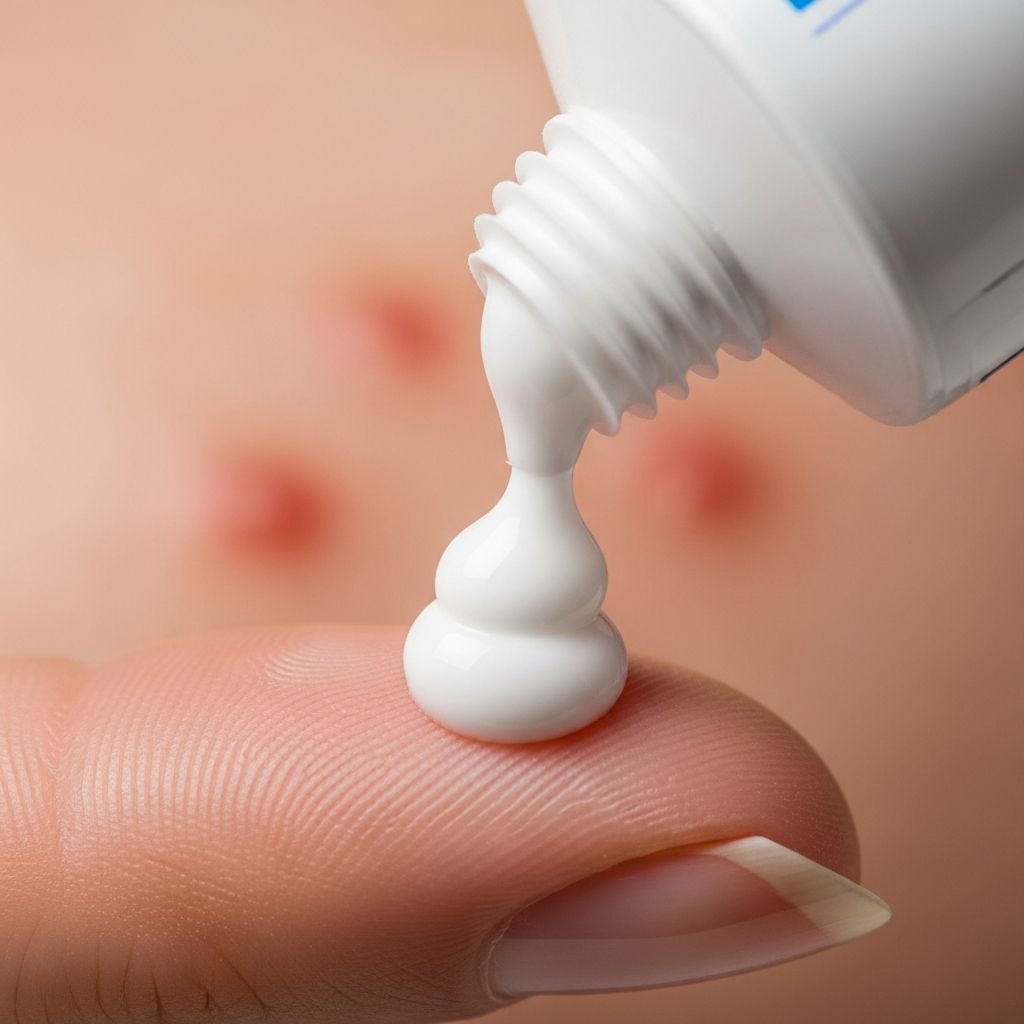
Permethrin is a medicated skin cream specifically designed to treat scabies, a skin condition caused by tiny insects called mites that burrow beneath the skin’s surface. These microscopic parasites create tunnels under your skin, resulting in small red bumps and severe itching. Scabies is a common dermatological condition that affects people across all age groups and socioeconomic backgrounds.
The medication comes under brand names including Acticin® and Elimite®. It is available only by prescription and cannot be purchased over the counter. Permethrin has been a treatment option for scabies management since its introduction to the market, and it remains one of the most commonly prescribed topical treatments for this parasitic skin infestation.
How Does Permethrin Work?
Permethrin functions by paralyzing and killing the mites responsible for scabies and their eggs. The medication works on contact with the parasites, disrupting their nervous system and preventing reproduction. This dual action—eliminating both adult mites and their eggs—makes it an effective treatment approach for complete eradication of the infestation.
When applied to the skin, permethrin penetrates the epidermis and reaches the mite burrows, where it effectively eliminates the parasites. The medication works relatively quickly, with most treatment protocols requiring the cream to remain on the skin for 8 to 14 hours for optimal efficacy.
Brand Names and Availability
Permethrin skin cream is available under several brand names, with Acticin and Elimite being the most commonly recognized. These brand names refer to the same active ingredient and work identically. The medication requires a prescription from a healthcare provider and is not available without a doctor’s authorization. Patients can obtain permethrin through traditional pharmacies or online pharmaceutical services that require valid prescriptions.
Preparation and Application Guidelines
Before Application
Before applying permethrin cream, it is crucial to prepare your skin properly. Unlike some other topical medications, a bath or shower is not recommended immediately before applying permethrin. Your skin should be clean but not wet, as excessive moisture can interfere with the medication’s effectiveness. If you have recently bathed or showered, allow your skin to dry completely before application.
For individuals with long nails, it is recommended to cut them short before treatment. This ensures the medication can be effectively applied under the nails, where scabies mites often hide. Using a toothpick, carefully apply the cream beneath both fingernails and toenails to ensure complete coverage.
Application Process
Thorough application of permethrin cream is essential for successful treatment. The medication must be rubbed into all skin surfaces, from your head to the soles of your feet. This comprehensive application is critical because mites can hide in various body locations, not just where visible rashes appear.
Pay special attention to the following areas:
Related Stories



– Between fingers and toe creases- Folds of the wrist and waistline- The cleft of the buttocks- Genital area- Belly button and other crevices- Areas between toes- Under nails (using a toothpick)
For individuals with little or no hair, infants, or young children, ensure the cream is rubbed into the neck, scalp, hairline, temples, and forehead. These areas are particularly susceptible to mite infestation and require careful attention.
Duration and Removal
After applying the permethrin cream thoroughly, leave it on your skin for 8 to 14 hours. This timeframe allows the medication sufficient contact time to effectively kill the mites and their eggs. The exact duration can vary based on your healthcare provider’s specific recommendations.
After the appropriate waiting period, remove the medication by bathing and shampooing thoroughly. Ensure all traces of the cream are completely removed from your body.
Application for Others
If you are applying permethrin cream to another person, such as a child or family member, wear plastic or disposable gloves throughout the process. This protective measure prevents you from potential mite infestation during application.
Dosage and Treatment Schedule
Permethrin should be applied as directed on your prescription label. Do not use more medication than prescribed. The standard treatment protocol typically involves a single application, though some cases may require a second application after 7 to 14 days. Your healthcare provider will determine the appropriate treatment schedule based on your specific situation and the severity of your scabies infestation.
Special Considerations for Children
While permethrin may be prescribed for children as young as 2 months of age in selected cases, special precautions apply to pediatric use. Parents and caregivers should discuss the use of this medication with their child’s healthcare provider before beginning treatment. The provider will determine whether permethrin is appropriate for the child and will establish proper dosing and application guidelines.
Possible Side Effects
Common Side Effects
Permethrin cream may cause various side effects in some individuals. Common side effects include:
– Itching at the application site- Redness or mild swelling of skin- Numbness or tingling sensation- Rash or skin irritation- Stinging or burning sensation
These side effects are typically mild and resolve on their own. However, if any of these symptoms are severe or persist, contact your healthcare provider for guidance.
Continuing Itching After Treatment
It is not unusual for itching and rash to continue for as long as 2 to 4 weeks after treatment completion. This prolonged itching may occur as a temporary reaction to the remains of the dead mites and does not necessarily indicate that the treatment failed or needs to be repeated. The persistence of symptoms does not mean the cream did not work effectively.
However, if you experience intense itching or if symptoms continue beyond 4 weeks, contact your healthcare team immediately for evaluation and further guidance.
Important Safety Information
For External Use Only
Permethrin is strictly for external use only and should never be taken by mouth. This medication is designed exclusively for topical application to the skin. Ingesting permethrin can be dangerous and potentially toxic.
Eye Safety
Do not get this medication in your eyes. If permethrin accidentally comes into contact with your eyes, rinse immediately and thoroughly with plenty of cool tap water. If irritation persists or vision problems develop, seek immediate medical attention.
Personal Use Only
This medication is prescribed specifically for you. Do not share permethrin cream with other individuals, even if they have similar symptoms. Sharing medication can be unsafe and ineffective for others.
Drug Interactions and Contraindications
Permethrin is not expected to have significant interactions with most medications. However, you should inform your healthcare provider about all medications you take, including over-the-counter drugs, herbs, dietary supplements, and any other products you apply to your skin.
Do not use any other skin products on the affected area without first consulting your healthcare team. Combining permethrin with other topical medications may interfere with its effectiveness or increase the risk of adverse reactions.
If you have allergies to permethrin, pyrethrins, ragweed, or any other ingredients in the cream, inform your healthcare provider before beginning treatment.
Overdosage and Emergency Information
If you suspect you have applied too much permethrin or ingested the medication, contact a poison control center or emergency room immediately. While overdose from topical application is unlikely with normal use, it is important to seek immediate medical attention if you suspect an overdose has occurred.
Storage and Handling
Store permethrin cream as directed on the prescription label. Keep the medication at room temperature, away from excessive heat or moisture. Keep it out of reach of children and pets. Do not use permethrin after the expiration date printed on the package.
What to Tell Your Healthcare Provider
Before using permethrin, inform your healthcare provider if you have any of the following conditions:
– Allergies to permethrin or related medications- Sensitivity to pyrethrins or ragweed- Pregnancy or breastfeeding- Other skin conditions or open wounds- Recent use of other topical medications
Additionally, provide a complete list of all medications, supplements, and herbal products you use. Inform your provider if you smoke, drink alcohol, or use any illicit substances, as these factors may affect treatment outcomes.
Frequently Asked Questions
Q: How long does it take for permethrin to work?
A: Permethrin kills mites and their eggs within 8 to 14 hours of application. However, itching and rash may persist for 2 to 4 weeks as your body reacts to dead mite remains.
Q: Can permethrin be used on children?
A: Yes, permethrin may be prescribed for children as young as 2 months old in certain cases. However, consult with your healthcare provider about appropriate use and precautions for children.
Q: Is permethrin available over the counter?
A: No, permethrin cream requires a prescription and is not available over the counter. You must obtain it from a healthcare provider.
Q: What should I do if permethrin gets in my eyes?
A: Rinse your eyes immediately and thoroughly with cool tap water. If irritation continues, seek medical attention promptly.
Q: Can I apply permethrin right after bathing?
A: No, you should not apply permethrin immediately after bathing or showering. Ensure your skin is clean and dry before application for optimal effectiveness.
Q: What if symptoms persist after treatment?
A: If itching and rash continue beyond 4 weeks or are extremely intense, contact your healthcare team. Symptoms lasting 2 to 4 weeks are normal and do not indicate treatment failure.
Q: Can I share permethrin with family members who have scabies?
A: No, permethrin is prescribed specifically for you and should not be shared. Each person requiring treatment needs their own prescription.
Q: How should I handle application to other people?
A: When applying permethrin to another person, wear plastic or disposable gloves to protect yourself from potential mite infestation.
References
- Permethrin: Scabies Treatment & Side Effects — Cleveland Clinic. 2024. https://my.clevelandclinic.org/health/drugs/19057-permethrin-skin-cream
- Permethrin 5% Cream for Scabies: Treating Mite Infestations — RedBox Rx. 2024. https://www.redboxrx.com/treatments/permethrin-cream
- Cutaneous Infections and Infestations: New Therapies — National Center for Biotechnology Information (NCBI/PMC). 2011. https://pmc.ncbi.nlm.nih.gov/articles/PMC3244357/
- Norwegian Scabies Treatment Options — Cleveland Clinic Journal of Medicine. 2017. https://www.ccjm.org/content/86/3/163
- Scabies: Causes, Symptoms, Treatment & Prevention — Cleveland Clinic. 2024. https://my.clevelandclinic.org/health/diseases/4567-scabies
- Failure of Scabies Treatment: A Systematic Review and Meta-Analysis — British Journal of Dermatology, Oxford University Press. 2023. https://academic.oup.com/bjd/article/190/2/163/7251446
Similar Articles








Read full bio of medha deb