Pernicious Anemia: Symptoms, Diagnosis, And Treatment Guide
Discover the causes, symptoms, diagnosis, and lifelong management strategies for pernicious anemia, a treatable yet chronic vitamin B12 absorption disorder.
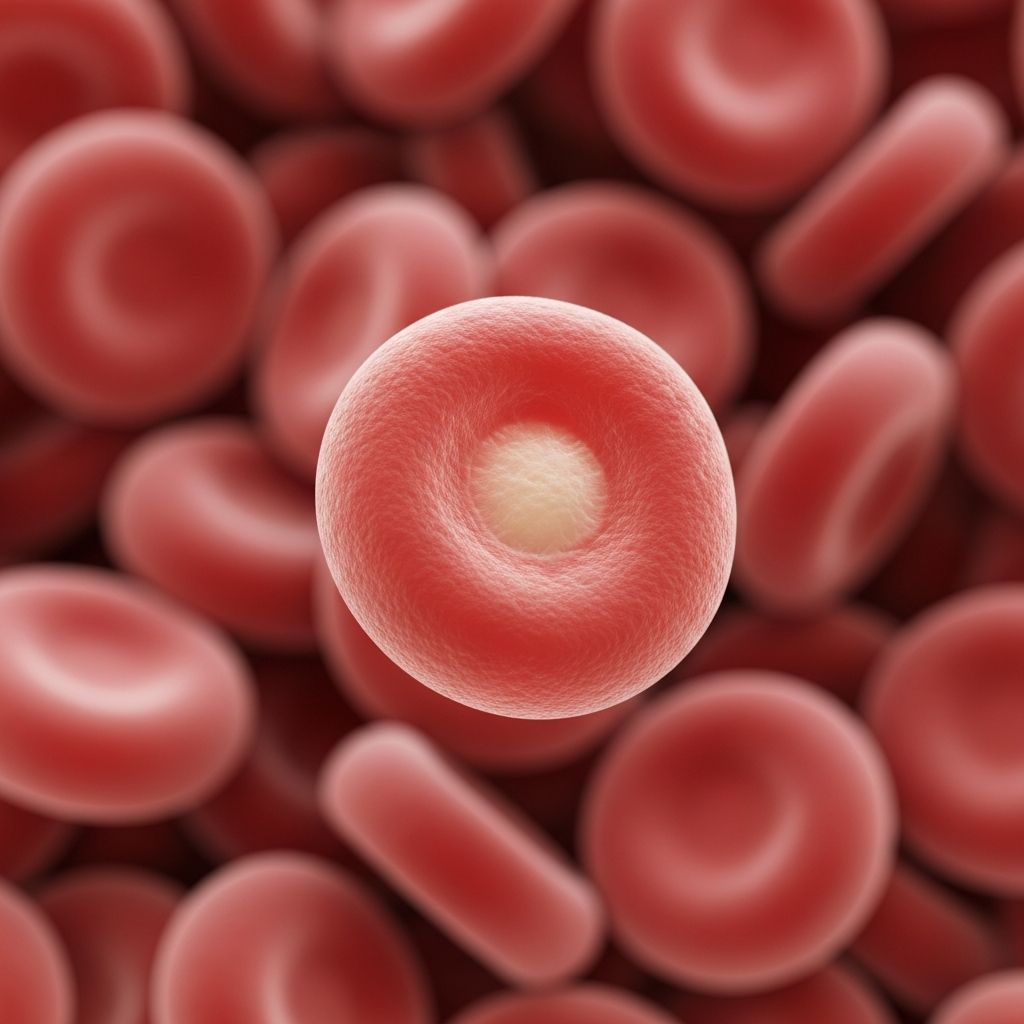
Pernicious anemia is a chronic condition characterized by the body’s inability to properly absorb vitamin B12, leading to a deficiency that impairs red blood cell production and causes megaloblastic anemia. This disorder primarily stems from an autoimmune attack on stomach cells responsible for producing intrinsic factor, a crucial protein for B12 uptake in the intestines. While treatable with lifelong vitamin B12 supplementation, early diagnosis is essential to prevent irreversible neurological damage.
Understanding the Core Mechanisms of Pernicious Anemia
At its heart, pernicious anemia disrupts the normal absorption of vitamin B12, also known as cobalamin, which is vital for DNA synthesis in red blood cells and the maintenance of myelin sheaths around nerves. Without adequate B12, bone marrow produces oversized, immature red blood cells called megaloblasts, resulting in fewer functional erythrocytes and reduced oxygen delivery throughout the body.
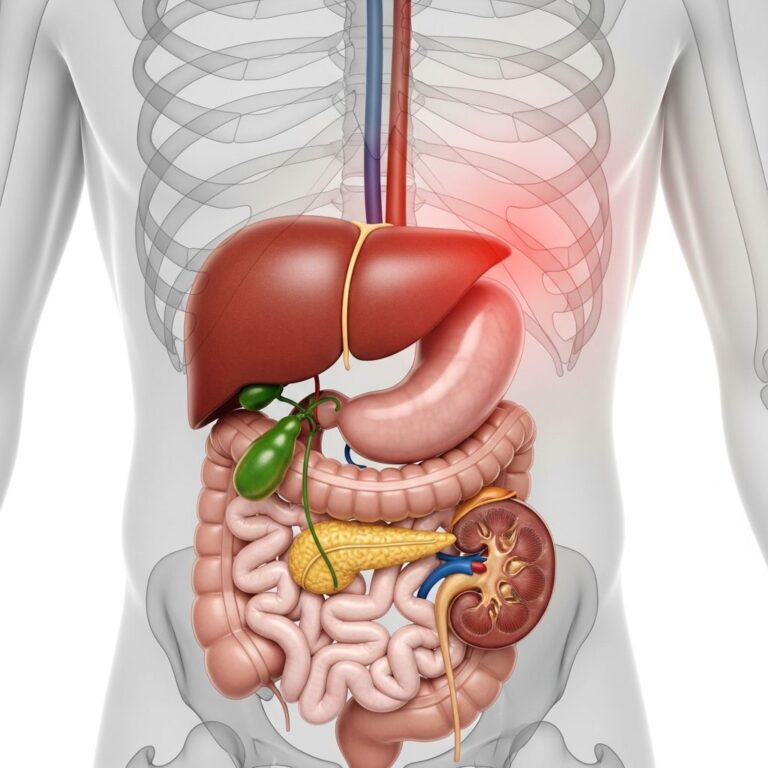
The key player in this process is intrinsic factor (IF), a glycoprotein secreted by parietal cells in the stomach lining. IF binds to dietary B12, forming a complex that the terminal ileum absorbs. In pernicious anemia, autoantibodies target either the parietal cells or the IF itself, halting this mechanism. This autoimmune etiology distinguishes pernicious anemia from simple dietary B12 shortages.
Risk Factors and Who Is Most Affected
This condition predominantly affects individuals over 60, with a higher incidence in women and those of Northern European descent. Genetic predisposition plays a role, as does a family history of the disease. It often coexists with other autoimmune disorders, amplifying risk.
- Age: Primarily impacts older adults as gastric function declines.
- Gender: More prevalent in females.
- Autoimmune links: Associated with type 1 diabetes, Addison’s disease, Graves’ disease, and vitiligo.
- Family history: Congenital forms are rare but occur in families with absorption defects.
- Other factors: Atrophic gastritis or prior gastric surgery can mimic or contribute to IF deficiency.
Recognizing the Early Warning Signs
Symptoms of pernicious anemia develop gradually, often dismissed as aging or stress. Initial signs include profound fatigue, weakness, and pale skin due to low hemoglobin levels. As B12 deficiency progresses, neurological symptoms emerge, such as tingling or numbness in extremities (paresthesia), balance issues, and memory problems.
| Category | Common Symptoms |
|---|---|
| Hematologic | Fatigue, shortness of breath, dizziness, rapid heartbeat, pale or jaundiced skin |
| Neurological | Numbness/tingling in hands/feet, difficulty walking, depression, confusion, loss of memory |
| Gastrointestinal | Loss of appetite, weight loss, sore red tongue (glossitis), nausea, diarrhea |
| Other | Headaches, mood changes, infertility in women |
Untreated, these can escalate to severe outcomes like psychosis or irreversible nerve damage, emphasizing the need for vigilance.
Diagnostic Approaches for Accurate Identification
Diagnosis begins with blood tests revealing macrocytic anemia (elevated mean corpuscular volume), low B12 levels, and elevated methylmalonic acid or homocysteine. A hallmark is the Schilling test, though less common now, or more reliably, anti-IF antibody testing, present in 70-90% of cases. Anti-parietal cell antibodies support the diagnosis but are less specific. Bone marrow biopsy, showing megaloblastic changes, confirms in ambiguous cases.
Related Stories



- Complete blood count (CBC): Low hemoglobin, high MCV.
- Serum B12: Typically below 200 pg/mL.
- Antibody tests: Anti-IF and anti-parietal cell.
- Peripheral smear: Hypersegmented neutrophils, oval macrocytes.
Gastroscopy may reveal atrophic gastritis. Differential diagnosis rules out folate deficiency or other malabsorptions.
Effective Treatment Protocols and Management
Treatment focuses on replenishing B12 stores and maintaining levels lifelong, as the underlying IF deficiency persists. Initial therapy involves intramuscular (IM) injections of 1,000 mcg hydroxocobalamin or cyanocobalamin daily for 1-2 weeks, then weekly for a month, transitioning to monthly maintenance. High-dose oral B12 (1-2 mg daily) works for some via passive diffusion, but injections ensure efficacy.
Monitoring includes regular CBC and B12 levels to adjust dosing. Symptomatic relief occurs within days for anemia, but neurological recovery may take months.
Treatment Phases
- Correction phase: IM B12 1,000 mcg daily x 7-14 days.
- Build-up phase: Weekly x 4-8 weeks.
- Maintenance: Monthly IM or daily high-dose oral indefinitely.
Potential Complications and Long-Term Outlook
With prompt treatment, most hematologic symptoms reverse fully. However, prolonged deficiency risks permanent neuropathy, subacute combined degeneration of the spinal cord, or gastric cancer from chronic atrophic gastritis. Regular surveillance for associated autoimmune conditions is advised.
Prognosis is excellent with adherence; untreated cases lead to disability or death from heart failure or infection.
Lifestyle Adjustments and Preventive Strategies
While not curable, patients can optimize health by maintaining B12 therapy, eating B12-rich foods (though absorption-limited), and monitoring for comorbidities. Vegans without pernicious anemia rarely need supplements if diet is balanced, but those with the condition must supplement regardless.
- Adhere to injection/oral regimen without fail.
- Fall prevention due to neuropathy.
- Oral care for glossitis.
- Screen for thyroid or other autoimmune issues.
Frequently Asked Questions (FAQs)
What is the main cause of pernicious anemia?
An autoimmune attack on stomach parietal cells or intrinsic factor, preventing B12 absorption.
Can pernicious anemia be cured?
No, it requires lifelong B12 replacement, but symptoms are manageable.
Is pernicious anemia hereditary?
Rare congenital forms exist; most are acquired autoimmune.
How quickly do symptoms improve with treatment?
Anemia improves in days to weeks; neurological symptoms slower.
Can diet alone fix pernicious anemia?
No, due to absorption defect; injections or high-dose orals needed.
Pernicious anemia demands proactive management to safeguard health. Consult healthcare providers for personalized plans, especially if risk factors apply. Early intervention transforms this from a debilitating illness to a controllable one.
References
- Pernicious Anemia Nursing, Pathophysiology, Symptoms, Treatment — YouTube (Simple Nursing). 2019-05-15. https://www.youtube.com/watch?v=1PG2VJzVTrs
- Pernicious Anemia: Symptoms, Causes, and Treatments — Healthline. 2023-10-12. https://www.healthline.com/health/pernicious-anemia
- Pernicious Anemia – StatPearls — NCBI Bookshelf (National Center for Biotechnology Information). 2023-08-08. https://www.ncbi.nlm.nih.gov/books/NBK540989/
- Pernicious Anemia Signs & Symptoms — Rush University Medical Center (.edu). 2024-01-20. https://www.rush.edu/conditions/pernicious-anemia
- Pernicious Anemia: When You Can’t Absorb Enough Vitamin B12 — Banner Health. 2023-11-05. https://www.bannerhealth.com/healthcareblog/teach-me/pernicious-anemia-when-you-can-not-absorb-enough-vitamin-b12
Similar Articles








Read full bio of medha deb